
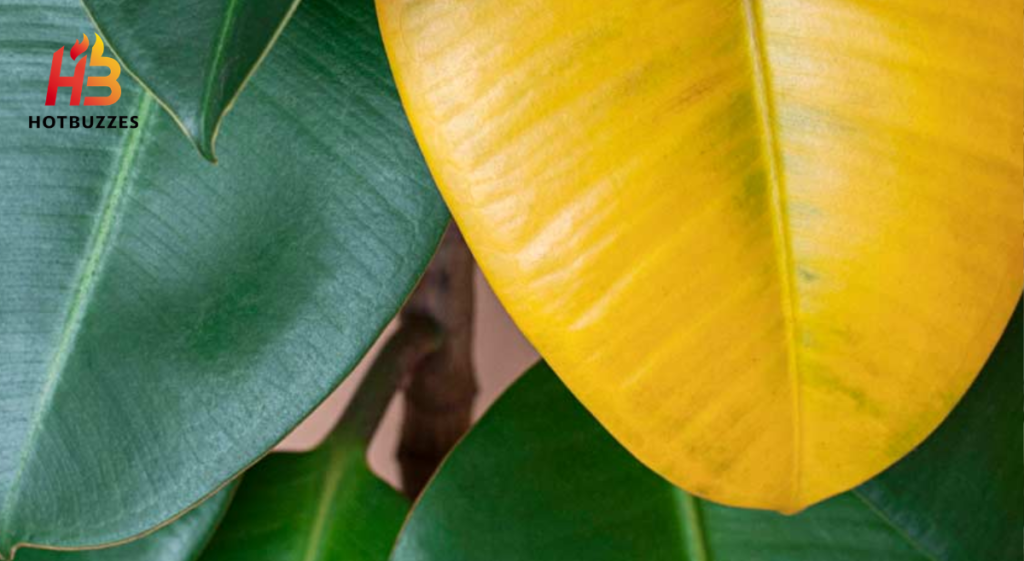
You walk over to your favorite houseplant on a regular Tuesday morning, and something just looks off. A few leaves have gone from that rich, healthy green to a dull, pale yellow. It is one of the most common things plant owners deal with, and it can feel alarming if you do not know what is causing it.
The good news is that yellowing leaves are not always a death sentence for your plant. In most cases, it is your plant trying to tell you something is wrong. Once you figure out what that something is, you can fix it.
This article goes through all the main reasons plant leaves turn yellow, with real examples and data pulled from plant communities and scientific sources, so you actually understand what is happening inside your plant rather than just guessing.
What Is Happening Inside the Leaf
Before jumping into the causes, it helps to understand why leaves turn yellow in the first place. According to Wikipedia, the scientific name for leaf yellowing is chlorosis. The word comes from the Greek word khloros, meaning greenish yellow or pale. In simple terms, chlorosis is what happens when a plant cannot produce enough chlorophyll.
Chlorophyll is the pigment that gives leaves their green color and is also responsible for photosynthesis, the process by which plants make their own food from sunlight. When a plant does not have enough chlorophyll, the leaf loses its green color and turns yellow.
If the problem is not fixed, the plant eventually cannot feed itself at all and may die. So when you see yellow leaves, what you are really seeing is a plant that is struggling to make chlorophyll, and your job is to figure out why.

Reason 1: Overwatering (The Most Common Mistake)
In one of the most popular plant care threads on a gardening community forum, a plant expert gave a very direct answer about yellowing houseplants: “Without knowing anything about your plant, I would still say that the most likely reason the leaves are turning yellow is that the soil is too wet.”
This lines up with what almost every plant care resource says. Overwatering is the number one reason houseplant leaves turn yellow. When you water your plant too much or too often, the roots end up sitting in soggy soil. Roots need oxygen to function. When they are surrounded by too much water, they cannot breathe.
They start to suffocate and eventually stop working properly. At that point, even though there is water everywhere, the plant cannot actually absorb it or the nutrients dissolved in it. The result is yellow leaves.
A plant grower in an online discussion forum explained the mechanism clearly: “Yellow leaves caused by overwatering are associated with root issues, the roots become damaged and can no longer move nutrients up through the plant.”
How to tell if overwatering is your problem: press a finger into the soil about an inch deep. If it feels wet or soggy, and the leaves are turning soft and yellow (not crispy), overwatering is almost certainly the cause. The yellowed leaves from overwatering tend to feel mushy rather than dry and papery. Keep your houseplants healthy and pest-free with these effective fungus gnat control methods.
The fix is simple. Let the soil dry out before watering again. Make sure your pot has drainage holes so water does not collect at the bottom. If you think root rot has already started, repot the plant into fresh, dry soil.
Reason 2: Underwatering
Underwatering can also cause yellow leaves, which is why people get confused. Both too much and too little water produce the same symptom. The difference is in how the leaves feel and look. When a plant is underwatered, the leaves turn yellow and then dry out. They become crispy and papery.
The soil will be bone dry and may even pull away from the edges of the pot. If you pick up the pot, it will feel unusually light. The plant is shedding leaves to conserve water. It cannot support all its foliage, so it starts letting the older leaves die off to keep the newer growth alive.
The fix here is obvious. Water your plant, but do it slowly and thoroughly so the water actually reaches the roots rather than running straight out of the drainage holes.
Reason 3: Nitrogen Deficiency
If watering is not the problem, the next thing to look at is nutrients. Nitrogen deficiency is one of the most common nutritional causes of yellowing. Wikipedia’s entry on nitrogen deficiency in plants describes it clearly: “A loss of chlorophyll content in the plant’s leaves, usually leading to a pale yellow color. Older leaves turn completely yellow first.”
This is important. If you notice the yellowing starting on the lower, older leaves of your plant while the top leaves still look green and healthy, nitrogen deficiency is a strong possibility. Nitrogen is what scientists call a “mobile nutrient,” meaning the plant can move it around. When supplies run low, the plant pulls nitrogen from the older leaves and sends it up to the newer, younger growth that needs it more.
The old leaves are essentially sacrificed. Nitrogen is one of the three main nutrients in most fertilizers (you will see it listed as the first number on any fertilizer package, like 10-5-5). If your plant has been in the same pot for a long time without any fertilizing.
It has probably used up whatever nitrogen was in the soil. The fix is feeding your plant with a balanced fertilizer. You should see improvement within a few weeks as new growth comes in green and healthy.

Reason 4: Iron Deficiency and Soil pH
This one trips up a lot of plant owners because they fertilize regularly and still end up with yellow leaves. Here is what actually happens. According to Wikipedia’s entry on chlorosis, iron deficiency is one of the most common causes of the condition. The tricky part is that often the iron is physically present in the soil, but the plant still cannot use it. Why? Because of soil pH.
A scientific guide from Montana State University Extension explains it this way: “Low soil pH can lead to chlorosis by making some nutrients unavailable to the roots.” Iron becomes mostly unavailable to plant roots when the soil pH rises above 7.0. So if your soil is even slightly alkaline, your plant could be sitting in iron-rich soil and still starving for it.
You can identify iron deficiency by the pattern of yellowing. With nitrogen, the whole leaf turns yellow, starting with older leaves. With iron, the yellowing happens between the leaf veins. The veins stay green while the tissue around them turns yellow.
This is called interveinal chlorosis, and it usually shows up on the youngest leaves first. The fix involves either adjusting your soil pH or using a fertilizer that contains chelated iron, which is a form of iron that stays available across a wider pH range.
Reason 5: Magnesium Deficiency
Magnesium deficiency causes a pattern that looks a lot like iron deficiency, but with one key difference. It also shows up as interveinal chlorosis (veins green, tissue yellow), but it starts with the older leaves rather than the young ones.
Magnesium matters because it is literally at the center of every chlorophyll molecule. Without magnesium, a plant cannot build chlorophyll at all, no matter how much light or water it gets.
Soil that has been heavily watered over time tends to lose magnesium because it washes out easily. Epsom salt (magnesium sulfate) is a popular and inexpensive fix. Dissolving a tablespoon in a liter of water and using it to water your plant once a month can make a real difference.
Reason 6: Too Much or Too Little Light
Light is often the overlooked factor. A common answer shared in an indoor gardening community points this out directly: yellow leaves can be caused by “low light or scorching sunlight.” Give your indoor plants the best start by choosing the right pot with this easy sizing guide.
When a plant does not get enough light, it cannot run photosynthesis properly, even if it has all the right nutrients. Leaves in very low light conditions start to pale and yellow as the plant conserves energy. This is especially common for plants placed far from windows in the winter months.
On the flip side, too much direct sunlight can scorch leaves, which also causes yellowing, particularly at the edges and tips. The difference here is that sun scorching usually shows up on leaves facing the light source and often has a bleached or burned look.
A plant care guide from Houseplant Homeschool puts it well: “If the leaves are going yellow from the edges inwards, this is generally a sign of scorching and your plant may be getting too much direct sunlight.” The fix is about finding the right position. Most houseplants do well in bright indirect light, meaning near a window but not in the direct beam of the sun.

Reason 7: Temperature Stress
Plants are sensitive to temperature changes. According to Montana State University Extension, “extreme temperatures (cold or heat), excess rainfall or drought can also induce chlorosis.” This is especially common in the spring, when gardeners move plants outdoors before the temperatures are consistently warm. Young leaves that form in cold conditions may stay chlorotic (pale yellow) for the rest of the season.
Cold drafts from air conditioners or windows in winter can cause the same problem for indoor plants. The yellowing from temperature stress is usually a pale, washed-out yellow rather than a bright yellow. You will often notice it appearing suddenly after a change in where the plant is placed or a shift in the weather.
Moving the plant away from cold drafts, heating vents, and air conditioning units usually solves this problem. Consistency matters more than most people realize. Plants do not like sudden changes in their environment.
Reason 8: Pests and Disease
Sometimes, yellow leaves have nothing to do with water or nutrients. Pests and fungal infections can cause yellowing, too. Spider mites, aphids, and fungus gnats are common culprits. These insects feed on the plant’s leaves and stems, damaging the cells that produce chlorophyll.
The damage shows up as small yellow spots or speckling rather than uniform yellowing. Flip a leaf over and look at the underside. If you see tiny bugs, webbing, or little dark dots, you have a pest problem.
Leaf spot disease, which is caused by fungal or bacterial infections, also produces irregular yellow patches on leaves. Unlike nutrient deficiency, which tends to follow patterns, disease-related yellowing often looks random and uneven.
The Royal Horticultural Society notes that viruses are another cause: “Chlorosis is a very common symptom of virus infection in plants. The symptoms are very variable and include mosaics, mottles, streaks, and ringspots.”
For pests, wiping leaves with a damp cloth and applying neem oil usually helps. For fungal infections, improving airflow around the plant and keeping the foliage dry during watering are the first steps.
Reason 9: Old Age (And Why It Is Normal)
Not all yellowing is a problem. This is something a lot of newer plant owners do not realize. As plants grow and push out new leaves, the oldest leaves at the base naturally age out and die. The plant pulls back whatever nutrients it can from those old leaves before letting them go, which causes them to turn yellow first.
A plant expert in a gardening discussion reassured owners directly: “When a houseplant leaf turns yellow, it means that leaf is dead. What you can do is figure out why the leaf died and take steps to correct the situation.” But they also noted that if only one or two of the oldest, lowest leaves are yellowing while the rest of the plant looks great, that is normal and not something to stress about.
The key is to look at the whole picture. If only old leaves at the very base are yellow, your plant is probably fine. If yellowing is spreading up through the plant, touching young leaves, or affecting many leaves at once, that is when you need to investigate further.
How to Actually Diagnose the Problem
Here is a quick way to narrow down what is going on with your plant. Start by looking at which leaves are affected. Lower, older leaves turning yellow first? Think nitrogen deficiency or natural aging. Younger leaves at the top turning yellow? Think iron deficiency or pH problems.
Then look at the pattern on the leaves themselves. Is the whole leaf uniformly yellow? More likely a nitrogen or watering issue. Is it yellow between the veins, with the veins staying green? More likely iron or magnesium. Is it yellow at the edges and tips? Could be scorching, potassium deficiency, or temperature stress.
After that, check the soil. Is it wet and soggy? Overwatering. Bone dry and cracked? Underwatering. Finally, inspect the leaves closely, especially the undersides. Any bugs or webbing? Pest problem. Going through these steps in order will help you land on the real cause much faster than guessing.
Fixing Yellow Leaves: What Actually Works
Once you have diagnosed the problem, the fix becomes straightforward. For watering issues, the rule of thumb that works for most houseplants is to water only when the top inch of soil feels dry. Use pots with drainage holes. Never let a plant sit in standing water in a saucer for more than an hour.
For nutrient deficiencies, a balanced liquid fertilizer once a month during the growing season (spring and summer) keeps most houseplants fed. Cut back to once every two months in fall and winter when plants grow more slowly.
For light issues, move the plant to a brighter spot or further from a south-facing window, depending on which direction the problem is going. For pests, isolate the plant from the others first. Then treat with neem oil or insecticidal soap every week for a month.
One thing worth knowing: a leaf that has already turned yellow will not turn green again. The damage is done. What you are working toward is stopping new leaves from yellowing and getting the plant back to producing healthy green growth going forward.
FAQs
Q1: Why are my plant leaves turning yellow even after watering?
Too much watering is actually the most common reason. When roots sit in wet soil too long, they stop working, and the plant cannot absorb nutrients even though water is present. Let the soil dry out between waterings.
Q2: Can yellow leaves turn green again?
No. Once a leaf turns yellow, the chlorophyll is gone, and it will not recover. Remove it and focus on stopping new leaves from yellowing.
Q3: Should I cut off yellow leaves?
Yes. Remove them with clean scissors. Leaving them on wastes the plant’s energy and can invite disease.
Final Thoughts
Yellow leaves are your plant’s way of asking for help. Whether the cause is too much water, not enough light, a missing nutrient, or a pest hiding under the leaves, every problem has a fix once you know what to look for. The key is not to panic. Check the soil first, then look at the yellowing pattern, then inspect the leaves up close.
Most of the time, the answer becomes obvious within a minute or two of actually looking at the plant. One thing that helps a lot is keeping a simple routine. Water on a schedule, fertilize during the growing season, and check your plant every few days.
People who do this catch problems early, before a few yellow leaves turn into a plant that is really struggling. It does not take much time, but it makes a big difference.
Also, remember that plants are more forgiving than most people think. Even a plant that looks half gone can bounce back with the right care. As long as the roots are healthy and you fix what was causing the stress, recovery happens faster than you expect. Fix the root cause, remove the damaged leaves, and give the plant a little time. New green growth will follow.

Ajwa Asif is a writer with a passion for plants, gardening, and creating educational content. She researches plant-related topics using reputable horticultural resources and shares practical advice to help readers grow healthier plants and build confidence in their gardening journey. Her content focuses on delivering clear, reliable, and user-focused information.