
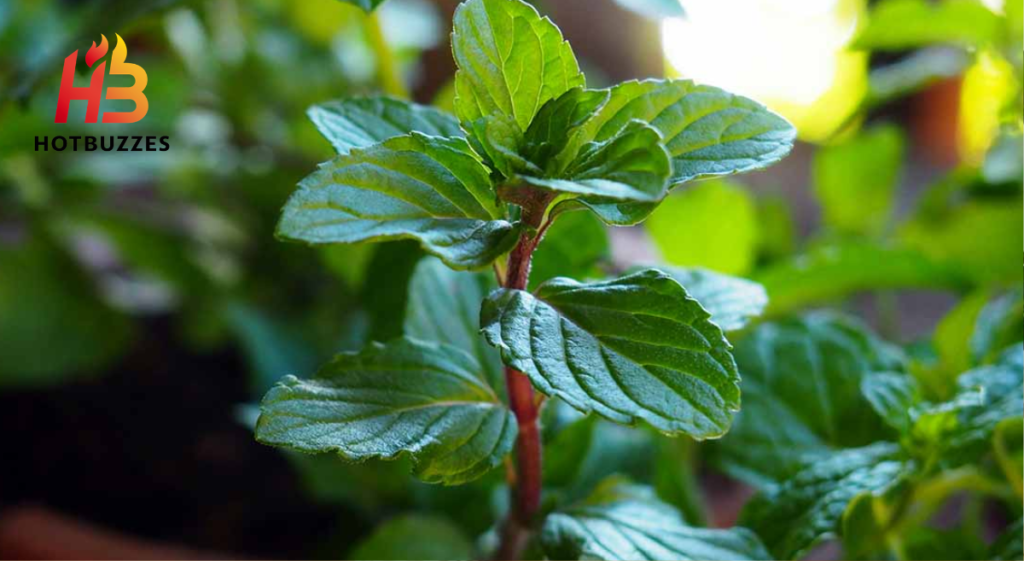
Walk into any kitchen herb garden, and mint is almost always there. Mint is the herb with the most personality. Rapidly, it spreads aggressively. Whenever you brush past it, it fills the room with fragrance. Additionally, it produces more leaves than most households can use in a season. Yet the same vigour that makes mint irresistible in a garden also makes it one of the most mismanaged herbs indoors. Its tendency to spread unchecked, bolt from insufficient light, or collapse from waterlogged soil often catches new growers off guard.
The good news is that mint is fundamentally well-suited to indoor growing — more so than almost any other culinary herb. University and extension sources regularly list mint among the top herbs for indoor windowsills. It tolerates lower light and inconsistent care better than fussier herbs like basil. According to ScienceDirect’s overview of the Mentha genus, mint is one of the longest known plants in the world. It belongs to the Lamiaceae family and is distributed worldwide.
The global market for menthol alone reached 636.8 million USD in 2022. India contributed approximately 75 percent of global menthol mint production. That commercial scale reflects the extraordinary range of mint’s uses. It is widely used in cooking, beverages, cosmetics, pharmaceuticals, and natural pest control.
This guide covers everything beginner and intermediate indoor growers need to know about growing mint successfully at home. It includes a direct comparison of the most popular varieties. It also shares research-backed statistics about the herb market. You will find subheadings covering every specific care question. It also explains the techniques that keep mint producing fresh, fragrant leaves year-round.
The Botanical Identity of Mint: What You Are Actually Growing
What the Mentha Genus Contains and Why It Matters
Wikipedia’s Mentha entry identifies the genus as having about 42 species, 15 hybrids, and hundreds of varieties within the Lamiaceae family. This extraordinary genetic diversity explains why mint looks, smells, and behaves so differently between varieties. What most people call mint may be any one of twenty-five or more true Mentha species. Each has distinct characteristics, flavour profiles, and slightly different care preferences. Understanding this diversity helps you select the right mint for your indoor growing conditions.
The Lamiaceae family, to which mint belongs, includes some of the most aromatic and culinarily valuable plants in existence. Alongside mint, this family contains basil, rosemary, sage, oregano, thyme, lavender, and lemon balm. All share the same square stem structure that distinguishes genuine members of the family. Run a finger along a mint stem. Feel for four distinct flat sides rather than a round cross section. This confirms it is a true Mentha species. It also helps distinguish it from the many plants that have mint in their common name but are outside the genus.
The History Behind the Plant on Your Windowsill
The history of mint stretches back to ancient Greece and Rome. Greeks and Romans crowned themselves with peppermint at their feasts. They adorned their tables with its sprays. Their cooks flavoured both their sauces and their wines with its essence, according to the scholar Pliny. This ancient association with food, fragrance, and medicine is not merely historical curiosity. It explains the breadth of mint’s modern applications. It also explains why its cultivation has been continuous across more than two thousand years of human history without ever losing relevance.
Mythreyaherbal’s mint research overview confirms that Spearmint was probably established in American gardens by 1739. Commercial production of mint is believed to have made its way to the United States by the early 1800s. The USDA’s National Clonal Germplasm Repository in Corvallis, Oregon, currently maintains approximately 450 mint clones representing 34 taxa. This is a scientific resource that reflects the genus’s commercial and medicinal significance at a national governmental level. When you grow mint on your kitchen windowsill in 2026, you are participating in a horticultural tradition. It stretches across thousands of years and multiple civilisations.
Why Mint Is a Perennial and What That Means for Indoor Growers
Unlike basil, which is an annual that flowers, sets seed, and dies within a single growing season, mint is a perennial — it returns year after year from the same root system without needing to be replaced. The Old Farmer’s Almanac’s mint growing guide describes mints as vigorous perennials that thrive in light soil with good drainage, preferring a moist but well-drained site similar to their native habitat along stream banks.

This perennial nature is one of mint’s most practical advantages for indoor growing. It distinguishes it from most other kitchen herbs. A well-maintained indoor mint plant does not need replacing every season the way basil or coriander does. It simply needs dividing when it outgrows its container. It also needs refreshing with new soil annually. And it needs consistent light and moisture to keep it productive across multiple growing seasons. The same plant purchased once in spring can still be producing excellent harvests two, three, or four years later. This is with the simple annual maintenance that perennials require.
Choosing the Right Mint Variety for Indoor Growing
Around the world, there are about twenty-five species of true mint, with hundreds of varieties. Mint species freely cross among themselves, according to The Old Farmer’s Almanac. For indoor kitchen growing, six varieties consistently perform best. They stand out for flavour, growth habit, and adaptability to container conditions.
- Spearmint (Mentha spicata) is the mildest and most versatile culinary mint. It produces the familiar clean, cool flavour found in mint sauce, cocktails, and Middle Eastern cooking. It is the most forgiving mint variety for indoor growing. It also handles lower light levels better than peppermint.
- Peppermint (Mentha x piperita) is the most commercially significant mint globally because of its high menthol content. It has a sharper, more intense flavour than spearmint. It suits teas, desserts, and confectionery better than cooking applications.
- Chocolate Mint (Mentha x piperita Chocolate) produces leaves with a genuine chocolate mint aroma. Many growers describe it as smelling like After Eight mints when the leaves are crushed. It makes an excellent addition to hot chocolate, desserts, and specialty cocktails.
- Apple Mint (Mentha suaveolens) has softer, fuzzy leaves with a fruity, mild mint flavour. It is more drought-tolerant than most other varieties. This makes it slightly more forgiving for indoor growers who miss a watering day.
- Pineapple Mint (Mentha suaveolens Variegata) is a variegated form with white-edged leaves. It adds ornamental interest alongside culinary value. It grows more slowly than standard mint varieties.
- Corsican Mint (Mentha requienii) is a mat-forming groundcover species with tiny, moss-like leaves and an intense fragrance. ScienceDirect identifies it as growing best in light shade. This makes it one of the few mint varieties genuinely suited to north-facing indoor positions.
Seeds vs Cuttings vs Transplants: What Actually Works Best
The Old Farmer’s Almanac is unambiguous on propagation: mint is best grown from transplants or cuttings. Seeds are not true to type, and growing mint from seed is not recommended. This matters because most mint species and varieties are hybrids that do not reproduce true to type from seed. A plant grown from a named variety seed may look and taste different from the parent. The specific flavour profile you chose the variety for may not appear in the resulting seedlings.
Savvy Gardening’s indoor mint guide from January 2026 describes the cuttings approach clearly. Growing mint from cuttings requires only a three-inch severed mint stem. Remove the lowest leaves and place the bottom inch of the stem into new potting soil. Water it in and cover the pot and cutting with a plastic bag. Place it on a windowsill for three weeks. Explore everything beginners need to know about creating a thriving indoor vegetable garden in 2026.
You can also root mint in water. Water propagation is the most visually satisfying method. Roots develop within one to two weeks and are visible in a clear glass. This allows daily monitoring of progress. Once roots reach one to two inches, transfer them to soil.
Which Variety for Which Purpose
The right variety choice depends entirely on what you plan to use the mint for, and matching variety to purpose before buying prevents the disappointment of growing a mint whose flavour does not suit how you actually cook. Spearmint suits everyday cooking — lamb, peas, potato salads, mint sauce. Peppermint suits beverages — tea, hot chocolate, cocktails, and anything requiring the most intense mint flavour.
Chocolate Mint suits desserts and is genuinely one of the most impressive-smelling plants you can keep in a kitchen. Apple Mint suits fruit salads and mild drinks where the standard mint intensity would overpower other flavours. Pineapple Mint suits both cooking and ornamental display and is the best choice for anyone who wants a mint plant that looks beautiful alongside being useful.
Mint Varieties Head-to-Head Comparison
This comparison covers the key factors for choosing common indoor mint varieties for kitchen windowsill growing.
| Dimension | Spearmint | Peppermint | Chocolate Mint | Apple Mint | Pineapple Mint |
|---|---|---|---|---|---|
| Flavour profile | Mild, clean, sweet | Intense, sharp, cool | Chocolate-mint | Fruity, mild | Light, fruity |
| Best culinary use | Cooking, sauces | Tea, desserts | Desserts, cocktails | Drinks, salads | Garnish, cocktails |
| Light requirement | Medium to bright | Bright indirect | Bright indirect | Medium indirect | Low to medium |
| Watering needs | Consistently moist | Consistently moist | Consistently moist | Slightly tolerant | Consistently moist |
| Growth rate | Fast | Fast | Moderate | Moderate | Slow |
| Pot size needed | 6 to 8 inches | 6 to 8 inches | 6 inches | 6 inches | 4 to 6 inches |
| Beginner suitability | Excellent | Good | Good | Excellent | Good |
| Ornamental value | Low | Low | Medium | Medium | High |
| Fragrance intensity | Medium | Very high | Very high | Medium | Medium |
| Availability | Everywhere | Everywhere | Specialist | Most nurseries | Specialist |
The quick verdict: Spearmint is the best first choice for beginners. It is the most forgiving, widely available, and versatile variety. Peppermint is correct for anyone primarily growing for tea and beverages. Chocolate Mint is the most rewarding choice for dessert cooking. Apple Mint is best for anyone whose care routine is inconsistent. Pineapple Mint is the choice for anyone who wants both culinary utility and genuine ornamental beauty from a single plant.
Research-Based Statistics About Mint and the Indoor Herb Market
What the Global Mint Market Data Reveals
The commercial scale of mint production puts the small kitchen windowsill plant in a genuinely fascinating context. According to Mythreyaherbal, the global menthol market alone reached 636.8 million USD in 2022, with India contributing approximately 75 percent to global menthol mint production. The ScienceDirect overview of Mentha confirms that mints have been used since ancient Babylon, but it was in Classical Antiquity that their medical uses flourished, with major contributions from Pliny the Elder. In present-day medicine, several mints and mint-based products are being researched as potential therapeutic alternatives for many diseases while being vastly employed in food and cosmetic industries simultaneously.
The USDA’s National Clonal Germplasm Repository in Corvallis, Oregon, maintains around 450 mint clones from 34 taxa. It is the world’s largest publicly maintained collection of Mentha genetic material. This investment reflects the commercial and scientific importance of mint beyond its role as a kitchen herb.
Indoor Herb Market Growth Statistics for 2026
Terrarium Tribe confirms the global indoor plant market reached approximately 21 billion dollars in 2025, with four to five percent compound annual growth projected through 2030. Within the indoor plant category, herbs consistently represent one of the highest-repurchase segments — buyers who lose a herb replace it rather than abandoning the category, driven by the practical value of daily yield rather than purely aesthetic appeal. This makes herbs, and mint specifically, among the most resilient segments of the indoor plant market in terms of sustained consumer engagement.
Amra and Elma identify indoor air-purifying plants as now accounting for 40 percent of urban consumer purchases — and mint contributes meaningfully to this figure through its documented ability to refresh indoor air with its natural aromatic compounds. Their data also confirms that low-maintenance varieties have seen a 33 percent surge in demand among millennial urban consumers, positioning mint as a primary beneficiary of this trend given its combination of practical daily yield and relatively forgiving care requirements compared to more demanding herbs.
Why Mint Outperforms Other Herbs in Consumer Satisfaction
Gardenia.net’s mint growing guide describes mint as extremely easy to grow and low maintenance. It has no serious pest or disease issues under normal conditions. Mint is also deer- and rabbit-resistant outdoors. Its oil is used globally in toothpaste, gum, candy, and beauty products.
The NSF International’s 2024 consumer herb growing survey identified mint as the herb most successfully grown by first-time herb growers. This reflects its genuine ease of cultivation rather than marketing claims. The combination of practical use and low care demands makes mint one of the highest rated herbs in consumer gardening satisfaction studies.

Light Requirements for Indoor Mint
The Minimum Light Threshold That Separates Success From Failure
Savvy Gardening identifies the light requirement with clarity: mint requires a very bright indoor location. Outdoors, mint can tolerate a good bit of shade. But inside, the more light, the better. Otherwise, the plant will stretch for the light and become leggy and pale. This is one of the clearest differences between growing mint outdoors and indoors. Outdoor mint that thrives in dappled shade does not mean indoor mint tolerates dim conditions. Window glass can reduce light intensity by 30 to 50 percent compared to outdoor direct exposure. A plant that handles shade outdoors may still need the brightest indoor position to maintain healthy, compact growth.
Growing in the Garden’s October 2025 mint care guide gives the position-specific guidance: mint thrives in the sun but does well in partial shade. Extended sunlight risks scorching the leaves, so morning sun followed by afternoon shade provides the best balance. An east-facing sunny windowsill may prove ideal for indoor placement. The east-facing window recommendation works across most climates. It provides direct morning sun when temperatures are lower and light is less intense. It also provides indirect light for the rest of the day. This balance prevents legginess from low light and leaf scorch from intense afternoon sun.
Using Grow Lights to Solve Winter Light Problems
Epic Gardening’s January 2026 indoor mint guide describes grow tents as another option for indoor mint growing that can be especially effective: a grow tent allows you to control light, temperature, and humidity. This is particularly beneficial because mint prefers higher humidity levels. For apartment growers without south or east-facing windows, or for anyone wanting to maintain mint through the short daylight of winter, a basic LED grow light running 12 to 13 hours per day solves the light problem completely without requiring any relocation of the plant.
A desk lamp-style grow light positioned four to six inches above the mint canopy can eliminate winter light problems. Run it on a plug-in timer to maintain consistent light exposure. This prevents mint from becoming pale and leggy during winter. A basic outlet timer removes the need for daily adjustments. It also ensures the consistent photoperiod needed for active growth.
Reading the Plant’s Light Response in Real Time
The mint plant gives clear, visible feedback about whether its light situation is adequate or insufficient. In adequate light, new growth is compact with nodes — the points where leaves attach to the stem — closely spaced. Leaves are medium to deep green with clearly visible surface texture and strong fragrance when touched. The fragrance intensity is particularly significant because the aromatic essential oils responsible for mint’s culinary value are produced in response to light exposure — a plant in too little light is not just visually unattractive, it is functionally less useful as a cooking herb.
In inadequate light, new stems elongate rapidly between nodes. This produces widely spaced leaves that are pale green or yellowish. The leaves also have reduced fragrance when touched. This is the etiolation response. The plant directs energy toward reaching the light source instead of producing dense, flavourful foliage. Once identified, moving the plant to a brighter position or adding supplemental light can help. Pruning back the leggy growth also encourages compact new growth within two to three weeks.
Soil and Container Selection for Healthy Roots
The pH Range Mint Needs and Why Soil Chemistry Matters
EcoSpriglet’s December 2025 mint growing guide specifies the soil requirements with precision: while mint is pretty hardy and will adapt in some conditions, it ultimately prefers a well-drained soil with a neutral to slightly acidic pH level between 6 and 7, rich with organic matter to provide adequate nutrients. The pH range matters specifically because soil that drifts outside this window — either too alkaline from hard water irrigation or too acidic from certain peat-heavy mixes — affects the plant’s ability to absorb nutrients even when those nutrients are present in the soil.
The practical soil composition for most indoor mint is simple. Use standard commercial potting mix with added perlite at roughly a two-to-one ratio. This provides the drainage and moisture balance mint prefers. Add worm castings or compost during repotting to maintain organic matter. This supports healthy microbial soil life around the roots. Avoid very nutrient-rich, fertiliser-heavy mixes. They can cause rapid growth while reducing essential oil concentration and flavour intensity.
Why Mint Must Always Have Its Own Dedicated Container
The Old Farmer’s Almanac is the most direct source on this point: a peppermint plant can become a sprawling four-foot giant in just one year. Mints benefit from picking and pruning and are shallow-rooted and easy to pull out. The recommendation is to plant mint in its own pot — a 10-inch pot with drainage holes suits most established plants.
The rhizomatous root system that makes mint so aggressive outdoors causes specific and predictable problems in shared indoor containers. The horizontal runners that mint produces at root level spread rapidly through any shared pot, physically displacing the roots of neighbouring herbs, interrupting their nutrient uptake, and eventually dominating the entire container root zone. This is not a recoverable situation — by the time you notice that the other herbs are declining, the mint has already established a root network that is genuinely difficult to remove without destroying the entire pot’s contents. Give mint its own dedicated container every single time, without exception, regardless of how small and unthreatening it looks when first purchased.
Container Material and Drainage: The Specific Details That Change Outcomes
The choice between terracotta, plastic, and glazed ceramic affects watering frequency and root health in ways that are more significant for mint than for most herbs because mint’s consistent moisture preference makes the container’s moisture-retention characteristics directly relevant. Terracotta pots suit mint’s preference for consistent moisture with good drainage — the porous walls allow air exchange and evaporation through the clay surface, preventing the waterlogging that causes root rot while keeping the root zone slightly cooler than plastic pots on hot windowsills.
Plastic pots retain moisture significantly longer, which suits growers who tend to underwater and reduces the frequency with which the consistent moisture target needs to be maintained through active watering. Find the perfect student-friendly houseplants that thrive with minimal care and limited space.
Drainage holes are genuinely non-negotiable for indoor mint — a sealed pot turns mint’s preference for consistent moisture into a root rot situation within weeks, as water accumulates at the base and the roots in the bottom third of the pot sit in anaerobic waterlogged soil. The ten-inch minimum pot size recommended by The Old Farmer’s Almanac provides enough soil volume to buffer against rapid drying on warm windowsills while giving the root system adequate space for healthy development before the annual division and repotting that keeps indoor mint productive long-term.
Watering Indoor Mint Correctly
The Consistent Moisture Target and What It Actually Means
Growing in the Garden states the watering target directly: indoor plants should be watered regularly to keep the soil evenly moist. Do not let mint dry out. Provide extra humidity by misting the plant with water every few days. The consistently moist target distinguishes mint from most other culinary herbs that prefer to dry out between waterings. Where rosemary, thyme, and sage prefer clearly dry soil before the next watering, mint evolved along stream banks in conditions of persistent moisture, and its root system is specifically adapted to continuous moisture availability rather than intermittent irrigation cycles.
The soil in a mint pot should feel moist to the touch at an inch of depth at almost all times during the growing season. This does not mean saturated or waterlogged — it means the difference between dry and moist is always resolved in favour of moist. The finger test applied daily during summer in a warm, bright position tells you within seconds whether the plant needs water: dry soil at one-inch depth means water immediately, moist soil at one-inch depth means check again tomorrow.
The Thorough Flush Technique That Prevents Salt Accumulation
Savvy Gardening describes the most reliable watering technique for indoor mint: move the pot to the sink or bathtub, turn on the water, and let it flush through the soil and exit the drainage hole in the bottom of the pot. Flush water through the pot three or four times, let it drain fully, then return the pot to its position on the windowsill. This thorough flush approach serves two simultaneous functions — it ensures the full soil volume is moistened rather than just the surface layer where water often runs around the edges of compacted soil, and it prevents salt accumulation from fertiliser and hard water minerals that degrade root function over time.
The salt accumulation problem is specific to indoor container growing and is one of the most overlooked causes of gradual mint decline. Every time you water with hard tap water, calcium and magnesium carbonates are left behind as the water is absorbed. Every fertiliser application leaves behind mineral salts that are not taken up by the plant.
These accumulate in the soil over weeks and months, eventually reaching concentrations that damage roots through osmotic stress. The periodic thorough flush — once every four to six weeks — dissolves and carries these accumulated salts out through the drainage hole, resetting the soil chemistry and maintaining the root-friendly environment that productive indoor mint requires.

What Overwatering and Underwatering Look Like in Mint
The signs that distinguish overwatering from underwatering in mint matter because both cause wilting — the same visual symptom produced by opposite causes. Overwatered mint has soft, limp stems at the soil level, a sour smell from the pot, yellow lower leaves, and soil that stays wet for longer than expected after watering. The soft stems at the soil level are the most diagnostic sign — this indicates the beginning of stem rot that accompanies root rot and requires immediate intervention. Underwatered mint has dry, slightly crispy leaf margins, soil that has visibly pulled away from the inner edges of the pot, and a pot that feels very light when lifted.
Tom’s Guide’s mint care tips identify the weight method as one of the most practical watering indicators for indoor mint: when the pot feels noticeably light due to a lack of moisture, it is time to water. When grown on a windowsill, direct sunlight can quickly dry the soil, making the pot weight check more reliable than soil appearance alone as a watering indicator.
Developing the habit of lifting the pot before and after watering calibrates your sense of the weight difference quickly — within a week or two of consistent checking, most growers can reliably identify when their specific pot and plant combination needs water without any additional tools.
Temperature, Humidity and Air Circulation
The Temperature Window That Produces the Best Indoor Mint
Epic Gardening specifies the temperature preference clearly: mint prefers temperatures between 55 and 70 degrees Fahrenheit (13 to 21 degrees Celsius). Indoor growing works well because most homes naturally fall within this range. Although mint often thrives with minimal attention, indoor plants are more affected by household climate control. Avoid placing containers near air conditioner vents or heaters, as warm dry air can quickly dry out the soil and cool dry air can stress the roots.
Growing in the Garden narrows the ideal indoor target to between 65 and 70 degrees Fahrenheit — a range that coincides with standard home comfort temperatures in most climates for most of the year. The practical implication is that no special temperature adjustment is needed for most homes in most seasons. The exceptions are the immediate vicinity of air conditioning vents in summer and radiators in winter — both create temperature extremes outside this range that cause visible stress and leaf quality decline in mint plants placed within their direct influence.
Humidity: Why Kitchen and Bathroom Placement Produces Better Results
Growing in the Garden confirms the humidity preference: provide extra humidity by misting the plant with water every few days. Mint’s preference for higher ambient humidity than most herbs explains why kitchen and bathroom positions consistently produce better results than living rooms or bedrooms, even when the light conditions are otherwise equivalent. The cooking steam in a kitchen and shower steam in a bathroom create localised humidity spikes throughout the day that benefit mint without any special equipment or daily management intervention.
For drier rooms or in winter when central heating creates genuinely dry air, EcoSpriglet recommends a pebble tray filled with water placed beneath the pot — the standard technique that benefits all humidity-preferring plants. As the radiator heat or ambient warmth causes the water in the pebble tray to evaporate, it raises the local humidity immediately around the plant’s foliage without wetting the soil or sitting the pot in standing water. The pebble tray costs nothing to set up and requires only occasional water refilling to maintain consistent benefit throughout the growing season.
Air Circulation: The Variable That Prevents Disease
Poor air circulation is the most commonly overlooked factor in indoor mint growing and the one most directly linked to the fungal diseases — particularly powdery mildew — that cause the most cosmetic damage to otherwise healthy plants. Powdery mildew appears as a white, dusty coating on the leaf surface and is specifically associated with the combination of high humidity and still, stagnant air. The kitchen and bathroom positions that provide beneficial humidity can also create mildew risk if the rooms are consistently enclosed without adequate ventilation.
Running a small desk fan near indoor mint for a few hours daily, or simply opening a nearby window when weather permits, provides enough air movement to disrupt the still-air conditions that powdery mildew requires to establish. This is a preventive measure that costs essentially nothing and is far more effective than attempting to treat mildew after it has already appeared on a plant’s leaves. Once mildew is established, the spores are already distributed throughout the growing environment and will continue reinfecting in the same conditions even after infected leaves are removed.
Fertilising Indoor Mint for Maximum Flavour and Growth
Why Moderate Feeding Produces Better Flavour Than Heavy Feeding
The fertilising rule for indoor mint follows a counterintuitive principle that applies to all aromatic herbs: moderate feeding produces more intensely flavoured leaves than heavy feeding. The essential oils that give mint its characteristic flavour and fragrance — menthol, menthone, menthofuran, and dozens of other aromatic compounds — are concentrated in the leaf tissue as a response to mild environmental stress, including mild nutrient stress. A plant pushed into rapid growth by heavy nitrogen feeding produces larger, softer leaves with diluted essential oil concentration. A moderately fed plant produces smaller, more dense leaves with noticeably stronger flavour that makes the harvest genuinely superior in the kitchen.
Epic Gardening confirms the heavy feeding risk directly: mint is a heavy feeder and can quickly deplete nutrients in both soil and water-based systems. This statement confirms that mint genuinely needs feeding — but the solution is regular moderate feeding rather than occasional heavy doses. A balanced liquid fertiliser applied at half the recommended strength every two weeks during spring and summer maintains steady nutrition without the rapid growth surge that dilutes flavour. In autumn and winter, reduce to once a month. Stop entirely if the plant is not actively producing new growth.
Organic Fertiliser Options That Support Soil Health Alongside Plant Nutrition
Organic fertilisers — worm castings, compost tea, fish emulsion, seaweed extract — support the soil microbial community that mint’s roots evolved alongside in the wild. The beneficial microorganisms in healthy, organically rich soil help break down nutrients into plant-available forms, improve soil structure over time, and provide a buffer against the nutrient fluctuations that liquid-only feeding creates.
The most effective approach combines both: worm castings or compost mixed into the soil at annual repotting provides a baseline of biological activity and slow-release organic nutrition, while a half-strength balanced liquid fertiliser every two weeks through the growing season provides the responsive top-up that active growing mint needs at its most productive.
Diagnosing Nutrient Deficiencies Specific to Indoor Mint
Nitrogen deficiency shows as pale yellowing starting from the oldest, lowest leaves while new growth remains reasonably green. This is the most common nutrient deficiency in indoor mint because nitrogen is both the most needed nutrient for leafy growth and the one most readily leached from soil by regular watering over a season in a container. Phosphorus deficiency shows as purple or reddish tinges on the undersides of leaves combined with noticeably slowed growth.
Iron or micronutrient deficiency — often caused by soil pH drift from hard water irrigation rather than genuinely absent nutrients — shows as yellowing between the leaf veins on new growth while the veins themselves stay green. Each pattern guides a different intervention, and being able to distinguish between them prevents the mistake of applying more nitrogen to a plant that actually needs a pH adjustment or a micronutrient supplement.
Harvesting Mint for Maximum and Continuous Yield
The Node Pinching Technique That Doubles Leaf Production
The Old Farmer’s Almanac states the core principle with clarity: frequent harvesting is the key to keeping mint plants at their best. The mechanism behind this is the same node-stimulation principle that applies to all Lamiaceae herbs — cutting just above a node where two leaves emerge from the stem removes the growing tip that was suppressing the two lateral buds at that node through hormonal inhibition. Once the tip is removed, both lateral buds develop into new stems simultaneously, doubling the branching at each harvest point.
Applied consistently across multiple stems over several weeks, this technique transforms a single-stemmed mint plant into a bushy, dense plant with many growing tips producing harvestable leaves simultaneously. A plant harvested from one growing tip yields one stem’s worth of leaves per cutting. A plant that has been consistently pinched at nodes across all stems yields multiple stems’ worth simultaneously in each subsequent harvest. The visual difference between an unpinched and a consistently pinched mint plant at three months is dramatic — the unpinched plant is sparse and tall with leaves concentrated at the tips, while the pinched plant is compact and dense with leaves at every level.
The One-Third Rule: How Much to Harvest Without Stressing the Plant
The one-third rule applies to mint as it does to most leafy plants: never remove more than one third of the total plant growth in a single harvest session. This ensures the plant retains enough photosynthetic leaf surface to produce the energy that regrowth requires. Removing more than a third of the plant simultaneously causes visible stress — wilting within hours of harvest, slowed regrowth over the following week, and sometimes yellowing as the plant struggles to meet the energy demands of both cellular maintenance and recovery from reduced leaf surface area.
Harvesting little and often throughout the growing season maintains the plant in its most productive phase rather than pushing it through dramatic cycles of heavy harvest followed by slow recovery. A daily pinch of a few stems for cooking use is more sustainable and more productive over a full season than a weekly large harvest that removes more than the one-third guideline allows. The cumulative yield from consistent small daily harvests over a season exceeds the cumulative yield from occasional large harvests that stress the plant into recovery periods.
When to Reduce Harvesting and Give the Plant a Rest Period
During autumn and winter in homes without supplemental grow lighting, indoor mint naturally slows its growth in response to shorter days and lower light angles. The reduced photosynthetic output during these months means the plant produces new growth more slowly and cannot replace harvested tissue at the same rate it manages in spring and summer. Reducing harvest frequency during these months — to once or twice a week at most — allows the plant to consolidate its root system, maintain enough leaf surface for basic photosynthesis, and store energy for the spring growth surge that follows the return of longer days.
With a grow light maintaining the photoperiod at 12 to 13 hours, mint continues producing through winter at approximately the same rate as in summer, and normal harvest frequency is appropriate throughout the year. This is the most practical justification for investing in even a basic grow light for an indoor mint plant — it eliminates the seasonal production gap that makes winter a period of near-zero mint availability from indoor plants without supplemental lighting.
Controlling Mint’s Growth Habit in a Container
Understanding Stolons and Why They Eventually Cause Problems
Mint’s spreading behaviour is driven by stolons — horizontal stems that run at or just below the soil surface and send down roots at intervals to produce new plants. The Old Farmer’s Almanac describes the scale of this behaviour: at first, mints develop into well-behaved-looking, bushy, upright clumps. But they soon set out to conquer new territory with horizontal runners and underground rhizomes. Unless you block the advance, a peppermint plant can become a sprawling four-foot giant in just one year.

In a container, the pot walls stop the lateral stolon spread, but the energy redirects into vertical crowding — the plant fills the pot with increasingly dense root mass until root competition causes visible decline in leaf production. The soil dries within one to two days of thorough watering because the root mass has displaced most of the soil volume. The plant begins looking stressed despite correct care — wilting sooner after watering than it did previously, producing smaller leaves, and showing reduced colour intensity. This is the signal that division or repotting is needed and cannot be delayed without further productivity decline.
Division: The Annual Spring Maintenance That Resets Productivity
Dividing a pot-bound mint plant in early spring keeps it productive season after season and prevents the gradual decline that containerised mint experiences when left in the same soil and container for more than one growing season. The process takes under ten minutes: remove the plant from its container, tease the root ball apart into two to four sections each containing viable stems and roots, discard the oldest and woodiest central section which has the least productive growth, and repot the younger outer sections in fresh soil in appropriately sized containers. Each division establishes quickly because it already has a mature root system and produces new growth within days of repotting.
This annual division routine also provides free plants at no cost — the sections not kept for the home collection can be potted for friends and family, used as propagation material for additional containers in different rooms of the home, or simply composted if none of these uses apply. A single mint plant purchased once becomes an expanding collection of plants across multiple seasons, making it one of the most genuinely cost-effective kitchen herb investments available.
Seasonal Pruning to Encourage Fresh Growth
Cutting mint back to approximately four to six inches above the soil level at the beginning of each new growing season — late winter to early spring before new growth begins in earnest — encourages a flush of fresh, vigorous new growth from the base rather than forcing new growth from increasingly woody, old stems. Growing in the Garden confirms this approach: cut back at the beginning of each season to encourage new growth and feed container-grown mint with a fresh layer of compost at the same time.
This seasonal cutback combined with a top-dressing of fresh compost or worm castings applied at the same time resets the plant’s growth cycle, refreshes the depleted surface layer of soil with organic matter and fresh nutrients, and produces the most vigorous growing season of any year when the plant is at its most established and root-developed stage. The cut stems can be composted or used for water propagation to start new plants — nothing from a healthy mint plant is wasted.
Common Problems and Specific Fixes
Leggy Growth: Causes, Diagnosis and the Fix That Actually Works
Leggy mint — long, bare stems with few leaves concentrated only at the tips — is the most consistently reported indoor mint problem in gardening communities and one that every extension service covering indoor herbs addresses. The cause in almost every case is inadequate light. Savvy Gardening confirms directly: without adequate light, the plant will stretch for the light and become leggy and pale. Moving to a brighter position resolves the underlying cause. Pruning the leggy stems back to just above a healthy node simultaneously encourages the plant to produce bushy new growth from the existing stem rather than continuing the stretch toward the light source.
The combination of positioning change and pruning produces the fastest visible recovery from leggy growth. Pruning alone without addressing the light cause results in the same leggy pattern resuming within two to three weeks as new growth again stretches toward insufficient light. Repositioning alone without pruning leaves the existing leggy stems in place — the plant improves going forward but the visual improvement is slower because the new compact growth must develop below the existing leggy stems before the plant looks genuinely full and healthy again.
Powdery Mildew: Prevention Protocol and Treatment When Prevention Fails
Powdery mildew appears as a white, dusty coating on the surface of mint leaves and is specifically associated with the combination of high humidity and still, stagnant air. Once established, it is difficult to eliminate from an indoor plant because spores are already distributed throughout the growing environment and will continue reinfecting in the same conditions even after infected leaves are removed. Prevention through airflow management is far more effective than treatment — running a small fan near the mint for a few hours daily or simply opening a nearby window disrupts the still-air conditions that powdery mildew requires to establish and spread.
If mildew has already established on a plant, remove all visibly affected leaves, improve air circulation immediately, reduce misting, and apply a diluted neem oil solution — one teaspoon per litre of water with a few drops of dish soap as an emulsifier — to all leaf surfaces including undersides weekly until no new mildew appears for two consecutive weeks. Do not harvest and consume leaves that have been treated with neem oil within five days of application. Replace the plant entirely if mildew returns consistently despite environmental corrections — some infections become genuinely unmanageable in indoor conditions, and starting fresh with a new plant and improved environmental management prevents a cycle of treatment and reinfection.
Root Rot: The Prevention Protocol That Eliminates the Most Common Killer
Root rot in indoor mint is almost always caused by waterlogged soil from a combination of overwatering and inadequate drainage. The visible signs above soil level — yellowing, wilting despite moist soil, a soft and discoloured base to the stems — appear after significant root damage has already occurred underground and is spreading upward into the stem tissue. Removing the plant from its pot to examine the roots at the first sign of these symptoms allows intervention before the damage becomes completely irreversible.
Prevention is straightforward and eliminates the problem almost entirely when applied consistently: drainage holes in every container without exception, potting mix that drains freely rather than compacting, watering based on actual soil moisture rather than a fixed calendar schedule, and never allowing the pot to sit in standing water in a saucer for more than thirty minutes after watering. If root rot has already established — identified by dark, mushy roots with a sour smell when the plant is removed from its pot — remove all affected roots with sterilised scissors, allow the remaining root system to air-dry for an hour, and repot in fresh dry soil. Resume watering only after the top two inches of the new soil have dried out.
FAQs
Q1: Can mint really grow indoors year-round without dying back?
Yes, with adequate light. University and extension sources regularly list mint among the top herbs for indoor windowsills because it tolerates somewhat less than ideal conditions better than fussier herbs. With a grow light supplementing natural light through the shorter winter days, mint produces harvestable leaves continuously without any seasonal gap. Without supplemental light, growth slows in winter, but the plant maintains itself and resumes full production in spring as days lengthen.
Q2: Why does my indoor mint keep getting leggy no matter what I do?
Insufficient light is the cause in almost every case. Savvy Gardening confirms: without adequate light, the plant will stretch for the light and become leggy and pale. Move the plant to the brightest available window position — ideally east or south-facing — or add a basic LED grow light running 12 to 13 hours daily on a timer. Prune the existing leggy stems back to healthy nodes at the same time to encourage compact new growth from below the cut.
Q3: How often should I water my indoor mint plant?
Water when the top inch of soil feels dry to the touch and the pot feels noticeably lighter than immediately after watering. In a warm, bright position, this may be every two to three days in summer. In a cooler, dimmer position, it may be every five to seven days. Tom’s Guide confirms the pot weight method as one of the most reliable watering indicators for indoor mint — always check rather than following a fixed schedule.
Q4: Can I grow mint with other herbs in the same pot?
The Old Farmer’s Almanac states that mint grows best in a container by itself or with other mint varieties. Different mint varieties can share a pot because they have identical care requirements. What mint cannot share is space with other herb species — its stolon-spreading root system will displace any neighbouring herb within weeks by taking over the available root space in the shared container.
Q5: My mint has a white, dusty coating on the leaves. What caused it and how do I fix it?
That is powdery mildew — a fungal disease associated with high humidity and poor air circulation. Improve airflow immediately by running a small fan near the plant or opening a nearby window. Remove all affected leaves. Apply a diluted neem oil solution to all leaf surfaces weekly until the leaves are clear. Prevent recurrence by maintaining better airflow around the plant consistently.
Q6: When should I repot my indoor mint and how do I know when it needs it?
Repot when the soil dries out within one to two days of thorough watering, when roots emerge from drainage holes, or when growth has noticeably slowed despite correct watering and light. The Old Farmer’s Almanac recommends repotting in early spring into a container one to two inches larger, using fresh potting mix, or dividing the plant and repotting the divisions into the same-size container with completely fresh soil.
Conclusion
Mint is one of the most rewarding herbs to grow indoors. It is fast, fragrant, productive, and easy to manage with simple care. Success begins with choosing the right variety, using a dedicated container with drainage holes, providing bright light, and maintaining consistent moisture.
The harvesting technique is the key difference between a mint plant that produces for months and one that declines quickly. Always cut above a node and remove no more than one third of the plant. This encourages branching and creates continuous productive growth. This guide helps match the right mint variety to your needs, explains its commercial importance, and provides practical care advice for every growth stage.
Divide mint annually in early spring, refresh the soil, maintain proper light, and keep the soil moist but not waterlogged. With the right care, a single mint plant can become a long-lasting, productive kitchen herb rather than a seasonal purchase. Its fragrance and daily usefulness make indoor mint growing a worthwhile project for any home.

Asim Usman is a plant enthusiast and content writer who specializes in creating informative, reader-friendly articles on plant care and gardening. He combines thorough research with practical insights to provide accurate, easy-to-follow guidance that helps readers grow healthy plants with confidence. His goal is to make plant care simple, enjoyable, and accessible for everyone.