
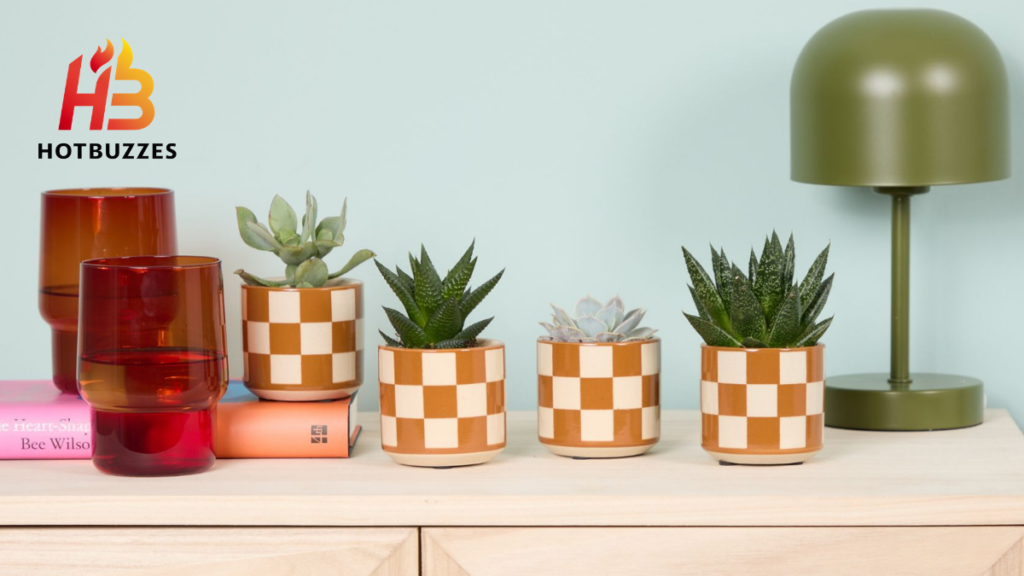
The houseplant industry reached approximately 21 billion dollars in global market value in 2025. Sixty-six percent of American households own at least one houseplant. A record 63.6 percent of consumers plan to expand their plant collections in 2026. The numbers are enormous. But they do not answer the question that a genuinely curious person should be asking. This question comes before spending money, time, and shelf space on a living plant that needs ongoing attention.
Is it actually worth it?. This is a question that most plant content refuses to answer honestly because the answer has genuine nuance. Some of the most commonly repeated claims about houseplants, particularly about air purification, are significantly overstated. Other benefits, particularly the psychological and cognitive effects, are more thoroughly evidenced than most people realise. There are also dimensions of houseplant ownership that pure research cannot capture. They are personal and subjective. They depend entirely on what the individual values about how their home feels and functions.
This article takes each major claimed benefit in turn. Additionally, it identifies where the claims hold up and where they do not. Finally, it gives you the information to make a genuinely informed decision. This helps you decide whether houseplants are worth it for your specific situation in 2026.
What Research Actually Shows?
The strongest evidence for houseplant benefits in 2026 comes not from air quality research. It comes from mental health and psychological research. This evidence is substantially more credible than most popular plant content acknowledges.
Frequency Project’s June 2025 comprehensive review provides a balanced assessment. A 2023 review examined epidemiological studies on indoor plants and mental health. It concluded that the evidence is limited. However, the studies that met the criteria showed that houseplants improve mental health in various environments. These included homes and offices. The review also suggests that it is more accurate to say that houseplants benefit well-being. These benefits may include mental health and cognitive function. They should not be relied on as primary air purifiers. This framing is important: the wellbeing case is real and evidenced, but the air purification case is more complicated.
Wisdom of Healthy Life’s March 2026 evidence review describes the psychological evidence accurately. Reviews suggest that indoor plants are linked to better psychological well-being. Small experimental studies have also found lower stress markers after interacting with plants. Some studies report more relaxed feelings as well. In offices, field studies also report fewer complaints about dry air and greater satisfaction with the workspace. The important qualification they add is that this does not mean every person will feel a measurable biological effect. Some studies show small benefits, some show no meaningful change, and the quality of evidence varies.
The Cognitive Performance Research That Is Most Convincing
A review of 42 studies cited by SRCC demonstrates this benefit. Even being in the presence of indoor plants can improve mental and physical health. These experiments compared participants doing various activities in rooms with or without plants. The presence of plants produced better performance on cognitive tasks involving focus, sorting, or memory recall. Greater pain tolerance. Lower levels of physiological stress. This breadth of effect comes from different cognitive and physiological measures across 42 separate studies. It is the most compelling body of evidence for houseplant value available in 2026.
The Royal Horticultural Society’s July 2026 research summary confirms two potential benefits of indoor plants. These are improvements in psychological well-being and physical health. The RHS identifies psychological benefits as the most consistently evidenced. It also states that research suggests the greatest benefits come through improved wellbeing and productivity.
Healthline’s science-backed benefits summary highlights several specific outcomes. Indoor gardening can relieve stress. It may also boost creativity, productivity, and focus. It can promote recovery as well. Workplace studies on plants have also found improvements in productivity and focus. These benefits may provide a measurable return from having plants in the environment. They can support better cognitive performance during time spent around plants.
The Japanese Forest Bathing Research
Frequency Project references the Japanese practice of Shinrin-yoku, or forest bathing. It provides useful context for why plants may affect human physiology. Studies on Shinrin-yoku report reduced blood pressure and heart rate. They also report lower stress hormones, including cortisol. Other findings include reduced anxiety, depression, anger, fatigue, and confusion. Improved sleep quality has also been observed. These effects do not require exercise or active engagement. They can come from simply being around natural elements.
The direct application to indoor plants is not a clean extrapolation. Outdoor forests and indoor pothos plants are clearly not equivalent. However, the underlying mechanism is well documented. The human nervous system can respond calmly to natural elements. This provides a credible framework for why indoor plants consistently produce stress reduction across studies. We evolved in natural environments. Our nervous systems still respond to natural elements as indicators of safe, resource-rich environments. A plant in a room is a small but genuine signal of that natural context.

The Air Quality Question?
The most important thing to understand about houseplants and air quality is the difference between what the original NASA research actually found and what popular plant content has claimed it found for the past three decades.
The American Lung Association’s February 2024 assessment is the most authoritative critical voice on this question and deserves direct quotation: the landmark NASA study set out to find if plants can clean the air in sealed environments like a space station. Researchers found that in addition to absorbing carbon dioxide, common houseplants can also remove volatile organic compounds. Since then, dozens more research studies have come to similar conclusions. However, a 2019 meta-analysis review looked at decades of research on this topic and concluded something different. The meta-analysis found that to achieve the same benefits seen in laboratory research, you would need hundreds of plants in a standard room. Discover the biggest changes in indoor growing and the houseplant trends that defined 2026.
Frequency Project states the conclusion of that 2019 meta-analysis clearly: it is more accurate to say houseplants benefit your wellbeing than to rely on them as primary air purifiers. At the end of the day, while the air purification effects of houseplants are probably overestimated, they certainly do not harm you and might be marginally useful when used alongside another air filtration system.
What Houseplants Can Realistically Do for Indoor Air
The honest position in 2026 is supported by the balance of available evidence. Houseplants provide real but modest air quality benefits in normal home conditions. They do not offer the dramatic pollutant removal often claimed in popular plant content. However, they can make genuine contributions at the margins. These benefits are worth having as part of a broader approach to indoor air quality.
A few plants in a typically ventilated home remove VOCs at rates that are meaningful but small. These rates are much lower than what a quality air purifier provides. The humidity contribution from transpiration is real and measurable. Plants in a room do raise local humidity levels. This can benefit respiratory comfort and reduce dust suspension. It can also alleviate dry air problems in centrally heated homes during winter. The oxygen production is real. Plants do photosynthesize and release oxygen. However, in normal-sized rooms with normal ventilation, the contribution is too small to meaningfully change oxygen levels.
Wisdom of Healthy Life gives a calibrated summary of the evidence. The air quality effect of indoor plants is positive but modest. They are not air purifiers in the same way a HEPA filter is. If clean indoor air is the main goal, an air purifier is the right tool. If the goal is a better indoor environment alongside wellbeing benefits, plants are a genuine and meaningful contributor.
The Right Way to Think About Plants and Air Quality Together
The most practical approach to indoor air quality in 2026 is a combination approach. Reduce pollutant sources through material choices. Ventilate regularly. Use an air purifier for the most significant air quality management. Add plants as a genuine supplement. They contribute modestly to VOC filtration. They also contribute meaningfully to local humidity and significantly to the psychological dimensions of indoor environmental quality.
This combination approach is supported by Frequency Project, which recommends plants as marginally useful alongside another air filtration system rather than as a replacement for one. It does not diminish the value of plants, accurately positioning them as part of a complete indoor environment strategy rather than the sole solution to an air quality problem.
The Stress Reduction Question?
Of all the claimed benefits of houseplants, the stress reduction claim has the strongest and most consistent evidence base in 2026, and it is the benefit that translates most directly into measurable daily quality-of-life improvement for the average plant owner.
Studley’s January 2026 houseplant guide confirms: multiple studies show that indoor plants keep you healthier and happier, offering both psychological and physical health benefits that include improving your mood, reducing fatigue, lowering stress and anxiety, improving focus, and improving air quality. The breadth of this list (mood, fatigue, stress, anxiety, focus) reflects the consistency with which plant presence produces positive outcomes across different psychological and physiological measurements in research contexts.
According to Amra and Elma’s March 2026 plant statistics report, gardening reduces stress levels by 20 to 30 percent according to studies on horticultural therapy, and 80 percent of gardeners report improved mental health after regular gardening. These figures apply most directly to active outdoor gardening, but the direction of effect is consistent with indoor plant research and for the 1 in 8 UK households without access to any outdoor garden space that the SRCC review identifies, indoor plants provide the only available form of regular nature contact.
Healthline adds the recovery dimension that is often overlooked in plant benefit discussions: research has found that patients who had plants in their hospital rooms had significantly lower ratings of pain, anxiety, and fatigue than patients in rooms without plants. This hospital recovery research is among the most rigorous available because it measures objective outcomes in a controlled medical context rather than self-reported well-being in a home setting.
The Anxiety and Depression Research That Matters Most
The SRCC review of 42 studies found that gardening reduces symptoms of depression and anxiety. It also increases positive emotions. These effects were similar to those of biking, walking, and eating out. This comparison is notable. It places regular plant interaction alongside established physical and social activities in terms of emotional impact.
However, the findings apply to active gardening rather than simply owning a houseplant. Even so, evidence suggests that passive plant presence can also reduce stress. This indicates that the benefits may exist across a spectrum. They range from active gardening to simply living alongside plants.
RHS’s July 2026 research summary states that the psychological benefits of indoor plants have been shown across multiple research contexts, and that the greatest confirmed benefits are through wellbeing and productivity improvement rather than physical health or air quality. This RHS position, coming from one of the most respected horticultural institutions in the world, is the clearest institutional endorsement of the psychological case for houseplants available from any credible scientific authority in 2026.
The Productivity and Focus Question?
The workplace plant research is some of the most practically significant evidence for houseplant value because it measures economic output rather than subjective wellbeing making the claimed benefit verifiable in ways that mood improvements are not.
A 2014 study published in the Journal of Experimental Psychology: Applied found that workers in plant-enriched environments showed 15 percent higher productivity. This was compared with workers in lean, bare offices. Multiple later studies have replicated this finding. They covered different workplace types and cultures. This suggests a genuine and consistent effect rather than a methodological artefact from one study.
For people who work from home, this finding is especially relevant. Remote work has expanded significantly since 2020 and remains substantial in 2026. A 15 percent productivity improvement from adding plants to a home office could provide a specific, measurable return on a minimal investment.
Wisdom of Healthy Life confirms the workplace research direction: field studies report fewer complaints about dry air and greater satisfaction with the workspace in plant-enriched environments. This workspace satisfaction dimension, feeling more positive about the space where you spend working hours translates into sustained engagement with work that produces compounding productivity benefits beyond the directly measured 15 percent improvement in task performance.
Focus, Creativity, and the Attention Restoration Theory
The Attention Restoration Theory, developed by environmental psychologists Rachel and Stephen Kaplan and refined by subsequent researchers, provides the most theoretically coherent explanation for why plant presence improves focus and creativity. The theory proposes that directed attention, the effortful, focused concentration required for cognitive tasks, fatigues with use and requires restoration. Involuntary attention, the effortless attention drawn to natural elements including plants, moving water, and outdoor views, allows directed attention to recover.
According to this theory, a plant in the peripheral visual field provides continuous micro-restorations of directed attention. These occur during concentrated work throughout the day. A break is not required to achieve the same recovery. The cumulative effect of these micro-restorations over an eight-hour working day may support sustained cognitive performance. Some studies have measured this effect as a 15 percent productivity improvement. This is not a burst of improved performance at the start of the day. Instead, it represents a more consistent level of performance throughout the day.

The Physical Health Question?
Healthline describes the hospital recovery research that provides the most controlled evidence for physical health effects of plant presence: patients who had plants in their hospital rooms had significantly lower ratings of pain, anxiety, and fatigue. They also had lower blood pressure and heart rate, were less tired and anxious, and needed fewer pain medications. They were also discharged from the hospital sooner than patients recovering in rooms without plants.
The hospital setting controls for many major confounding variables in plant research. Patients in plant and non-plant rooms recover from similar procedures. They are also in similar physical conditions and receive similar medical treatment. The main systematic difference is plant presence. Significant differences in pain ratings, blood pressure, heart rate, fatigue, and discharge timing were found. These findings provide some of the strongest evidence for physical health effects of plant presence.
What the Physical Health Evidence Does and Does Not Claim
Frequency Project provides the most accurate framing of the physical health evidence: while air purification effects are probably overestimated, plants do not harm you and might be marginally useful alongside another air filtration system. The research is pretty conclusive that exposure to nature benefits physical and mental health. The specific physical mechanisms, reduced cortisol, reduced blood pressure, lower heart rate, are documented in multiple research contexts and consistently point in the same direction.
Physical health evidence does not claim that houseplants replace medical treatment. It does not show that they substantially improve serious health conditions. It also does not suggest that plants produce large physical health benefits on their own. The effects are real but modest. They are the kind of marginal improvements that may compound over years of daily exposure. However, they do not produce dramatic individual outcomes in the short term.
The Financial Question?
An honest assessment of whether houseplants are worth it requires honest accounting of what they actually cost. The total cost of houseplant ownership includes the plant purchase price, the potting medium and container, any ongoing fertiliser and pest management, the replacement cost when a plant dies, and the time invested in care activities.
According to Wifitalents’ February 2026 houseplant industry statistics, the average American spent 94 dollars on houseplants in 2021, with spending continuing at elevated levels through 2025. The North American pots and planters market is projected to be 1 billion dollars in 2026, a secondary market that reflects ongoing investment in plant infrastructure beyond the plants themselves.
The honest cost-benefit calculation for a typical plant owner: a ZZ plant purchased for 15 dollars, potted in a 10-dollar container with 5 dollars of potting mix, and fed with a 12-dollar bottle of fertiliser that lasts two years represents a total first-year investment of around 32 dollars. The plant then requires perhaps five to ten minutes of care per month, watering and occasional leaf cleaning. Over five years, the same plant costs approximately 55 dollars total, including fertiliser replacement, for a total time investment of perhaps three to six hours.
Against that cost, productivity research suggests a 15 percent improvement in work output. This applies during the hours spent in the plant-enhanced environment. For a person working from home for eight hours per day, even a 5 percent conservative improvement represents a meaningful cognitive return. This is based on a $32 investment. No other environmental intervention at the same price point approaches it.
The Grocery Saving Dimension for Functional Plants
For houseplant owners who extend into functional plants indoor herbs, microgreens, windowsill vegetables, the financial calculation becomes even more favourable. According to Wifitalents’ gardening statistics, the average household that grew food in 2024 estimated saving 875 dollars on groceries that year. Even a fraction of this saving from a modest indoor herb collection is a direct financial return that non-functional decorative plants cannot provide.
A single basil plant purchased for 3 dollars from a supermarket can provide months of fresh basil. This is possible when it is maintained as a living herb rather than a one-use purchase. It costs a fraction of the cut fresh basil packets sold in the same supermarket. A six-herb windowsill collection can provide even greater savings. The grocery savings from daily herb use through a growing season can cover the complete cost of the collection within the first month of regular use.
The Replacement Cost Problem and How to Avoid It
The most significant financial risk in houseplant ownership is the replacement cost when plants die which is a genuine and common occurrence, particularly for beginner plant owners who acquire plants without adequate knowledge of care requirements. A series of failed plants can make houseplant ownership feel expensive rather than economical.
The solution to this financial risk is plant selection rather than care intensity. The plants most forgiving of beginner mistakes include ZZ plant, snake plant, pothos, spider plant, and succulents. They are also among the least expensive and most widely available. Starting with these species helps build confidence and care knowledge. It also reduces replacement costs before trying more demanding plants. This approach eliminates much of the financial risk for people who have repeatedly lost plants.
The Aesthetic and Decorative Question?
Frequency Project notes that the aesthetic appearance of plants is important, with separate research confirming that the visual qualities of plants, their form, colour, texture, and the way they change and grow over time, contribute to the psychological benefits independently of any air quality or stress reduction mechanism. A plant that looks beautiful produces aesthetic satisfaction that compounds with the well-being benefits to make the overall value proposition of plant ownership greater than any single measured benefit.
Studley confirms that houseplants add warmth and charm to a living space alongside their health benefits. This is not a trivial claim. The warmth and charm of a well-chosen plant in a well-chosen position genuinely change how a room feels. It does so in ways that no other decorative investment at the same price point approaches. A 15-dollar snake plant in a 10-dollareramic pot can transform the character of a desk or corner. A 25-dollar print or a 25-dollar candle simply does not.
The Living Quality That No Other Decoration Provides
The most fundamental thing that makes houseplants different from every other form of interior decoration is that they are alive. Plants grow. Over time, they change. With care, they respond. Eventually, they develop from small, unremarkable specimens into mature, distinctive plants. This happens over the course of months and years. This temporal dimension is something that no static decoration can replicate. The relationship between grower and plant develops over time.
This living quality is why Garden Media Group’s 2026 Houseplant Trends report describes houseplants as no longer background decor but significant identity statements expressions of character and lifestyle. A curated collection of plants expresses something about the collector that a curated collection of any manufactured object does not, because it requires ongoing engagement, knowledge, and care rather than simply the financial capacity to purchase.
Is a Houseplant Worth It in 2026?
The honest answer to whether houseplants are worth it in 2026 is that it depends on what you are looking for from them. The people who get the most value from houseplant ownership in 2026 are those who want one or more of the following things:
- A reduction in daily stress and improvement in psychological wellbeing: the evidence for this is strong and consistent across multiple research contexts and independent research teams.
- A more pleasant, warmer, and more characterful living space, the aesthetic and warmth contribution of plants is real and widely acknowledged, even by sources that are sceptical of other claimed benefits.
- Improved focus and productivity during work periods spent in the plant-enhanced environment, the 15 percent productivity improvement from workplace plant research is one of the most consistently replicated findings in this field.
- Daily interaction with a living thing that responds to care, the companionship and responsibility dimensions of plant ownership contribute to wellbeing in ways that are harder to quantify but genuinely important for many owners.
For people who want significant air purification, the evidence does not support houseplants as the right tool for this specific goal. An air purifier is more effective at air quality management. Plants contribute modestly and are worth having alongside an air purifier but should not be the primary response to an air quality concern.
Who Should Think Carefully Before Buying
Houseplants are not worth it for people who are looking for a low-effort decoration that requires no maintenance. Even the most forgiving plants require some regular attention, watering, occasional cleaning, and monitoring for pests, and a plant that is consistently neglected will decline regardless of how hardy it is. If the commitment to minimal regular care is genuinely not available, plants will die, and the investment is lost.
They are also not a good investment for people who are primarily motivated by air purification. The evidence for meaningful air purification at the plant densities that a home can practically maintain is not strong. A quality HEPA air purifier will do more for indoor air quality than any number of houseplants, and the cost comparison at the effective scale favours the purifier clearly.

The Simple Test for Whether Houseplants Are Worth It for You
The simplest available test for whether houseplants are worth it for any individual is this. Spend one week in a room with a single plant you find visually appealing. Place it where you can see it from where you spend most of your time in that room. After one week, note whether the room feels different. Notice whether it feels calmer, warmer, or more pleasant. Also, note whether your motivation to sit in that room for work or relaxation has changed in any way.
The research predicts that it will have changed positively for the majority of people. The aesthetic, psychological, and atmospheric contributions of a single plant to a single room are perceptible within days for most people. This can happen even if the mechanisms behind them are invisible. These include stress hormone reduction, Attention Restoration Theory, and the biophilia response. The room simply feels better with the plant than without it. That feeling can be sustained across months and years of daily exposure. This is what research consistently measures as the most genuine and valuable benefit of houseplant ownership.
Research-Based Statistics That Answer the Worth-It Question
The following statistics from credible 2026 sources provide the quantitative context for the worth-it judgment. According to Amra and Elma, 66 percent of American households own at least one houseplant and a record 63.6 percent plan to expand their plant collections in 2026 despite ongoing economic uncertainty. This consumer behaviour data people spending money on plants even when economic conditions are difficult is the most practical indicator of perceived value from actual plant owners rather than research subjects. Build a beautiful miniature garden at home with this easy terrarium guide for beginners.
According to Amra and Elma, gardening reduces stress levels by 20 to 30 percent according to horticultural therapy studies, and 80 percent of gardeners report improved mental health after regular gardening. The 15 percent workplace productivity improvement from the Journal of Experimental Psychology: Applied research has been replicated across multiple independent studies.
According to Terrarium Tribe’s April 2026 statistics, the global indoor plant market was valued at approximately 21 billion dollars in 2025, growing at four to five percent annually. The pots and planters market is growing at 7.2 percent CAGR faster than the plants market itself indicating deepening investment from existing plant owners rather than simply new buyer acquisition.
According to Wifitalents, 7 in 10 millennials identify as plant parents, and the average household that grew food saved 875 dollars on groceries in 2024. Over 50 percent of plants sold online in 2026 are grown in LED-only facilities confirming the infrastructure investment supporting the market’s continued growth.
FAQs
Q1: Do houseplants genuinely improve mental health, or is it just marketing?
The evidence for mental health improvement is genuine and comes from independent research rather than industry marketing. A 2023 review cited by Frequency Project found that studies on indoor plants and mental health consistently showed improvement across home and office environments. A review of 42 independent studies documented better cognitive performance, lower stress markers, and greater pain tolerance in plant-present versus plant-absent rooms. The RHS July 2026 research summary confirms psychological wellbeing improvement as the most consistently evidenced houseplant benefit.
Q2: Do houseplants really clean the air?
The honest answer is: modestly, not dramatically. The American Lung Association confirms that the 2019 meta-analysis found you would need hundreds of plants per room to achieve the VOC removal seen in laboratory research. The air purification effect of a few plants in a normal home is real but small, meaningful as a supplement to an air purifier but not as a replacement for one.
Q3: Are houseplants worth the money for a beginner?
Yes, if you start with the right plants. A ZZ plant, snake plant, or pothos costs 10 to 20 dollars, lasts for years with minimal care, and provides the documented wellbeing, aesthetic, and focus benefits from day one. The key mistake that makes houseplant ownership feel expensive is starting with plants that are too demanding for the available care commitment. Start with genuinely forgiving species and the investment pays for itself quickly.
Q4: Are houseplants worth it if I work from home?
Especially yes. The 15 percent productivity improvement documented in multiple workplace plant studies translates directly to the home office context. For a person spending 40 hours per week in a home workspace, a conservative estimate of even 5 percent improved cognitive performance across those hours represents a meaningful return on a plant investment that costs less than most ergonomic accessories.
Q5: What is the minimum I should spend to get the benefits of a houseplant?
The benefits are available from a single plant at any price point. A 5 dollar pothos from a supermarket in a 3 dollar plastic pot provides the same fundamental wellbeing and aesthetic benefits as a 50 dollar specimen in a designer ceramic planter. The plant’s presence, not its cost, is what the research measures as producing the documented benefits.
Q6: Are houseplants worth it if I travel a lot?
Yes, with the right species selection. A ZZ plant or snake plant survives three to six weeks without watering in normal indoor conditions without any visible decline. A cactus or succulent extends this further. Choosing drought-tolerant species specifically suited to an irregular-presence lifestyle makes houseplant ownership completely compatible with frequent travel and extended absences.
Conclusion
The honest verdict on whether houseplants are worth it in 2026 is a qualified yes. This depends on what you specifically expect from them. The psychological and cognitive benefits are the most thoroughly evidenced. They are also the most reliably delivered. Reduced stress, improved mood, better focus, and higher productivity in work environments are all documented effects. A genuine improvement in how a room feels to inhabit is also reported. These benefits are not dramatic or medical. They are marginal daily improvements that can compound meaningfully over years of regular exposure.
The air purification benefits are real but modest. They are worth having as part of a comprehensive indoor environment approach. However, they are not sufficient alone to justify houseplant ownership for someone whose primary concern is indoor air quality. The financial benefits are real for herb and food growers. They are marginal for purely decorative plant owners. They can also be negative for people who repeatedly buy and kill plants. This is especially true when they do not resolve the underlying care capacity or species selection problem.
The living quality that plants bring to a space is difficult to quantify. It includes warmth, growth, change, and daily visual interest. These qualities are what make a space feel alive. They may be the most important benefit of all. This is what 66 percent of American households have decided is worth the modest investment of care and shelf space that houseplant ownership requires. And the research, across its imperfections and nuances, consistently agrees with that popular verdict. A houseplant in 2026 is worth it. Just be clear about why.

Asim Usman is a plant enthusiast and content writer who specializes in creating informative, reader-friendly articles on plant care and gardening. He combines thorough research with practical insights to provide accurate, easy-to-follow guidance that helps readers grow healthy plants with confidence. His goal is to make plant care simple, enjoyable, and accessible for everyone.