
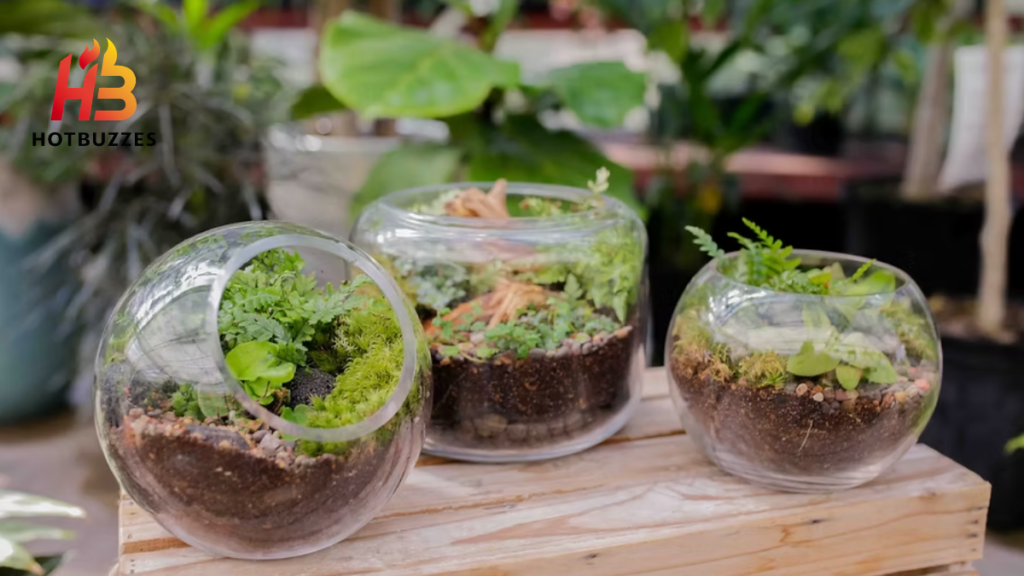
A closed terrarium succeeds or fails almost entirely based on plant choice. The sealed glass environment creates a small, self-contained ecosystem with high humidity, filtered light, and very little airflow. This combination is perfect for some plants. However, it is a death sentence for others. This remains true no matter how carefully every other part of the setup, from soil layering to lid placement, has been handled. Choosing the right species from the start saves months of frustration. This is better than picking a plant first and hoping the terrarium environment will somehow adapt to it. By the time visible signs of a mismatch appear, the plant in question has often already suffered damage. Pruning or repositioning alone cannot fully reverse it.
This guide covers the best plants for a closed terrarium, organized by category. It explains the specific traits that make a plant well suited to sealed glass. It also covers the species to avoid entirely and includes research-backed facts about why humidity and airflow matter as much as they do. A side-by-side comparison table is included as well. Troubleshooting guidance covers the most common plant-related problems that come up once a terrarium is planted and sealed. The guide also provides advice on sourcing, sizing, and refreshing a plant selection as the terrarium matures over time.
What Makes a Plant Suited to a Closed Terrarium
Before looking at specific species, it helps to understand the handful of traits that separate a good closed terrarium candidate from a poor one. These same underlying traits explain why every individual recommendation made later in this guide was chosen in the first place.
Compact Size and Slow Growth
A good closed terrarium plant is small enough for the container. It should also tolerate humidity and thrive in bright indirect light, according to Herbvity’s closed terrarium guide. Compact size and slow to moderate growth are two defining traits to look for. Fast-growing vines and large tropical plants require constant pruning to stay within a sealed glass container. Naturally compact, slow-growing species are a far easier long-term fit.
Humidity Tolerance Over Humidity Preference
The best plants for closed terrariums are small, humidity-loving plants. They enjoy warm, moist, low-light conditions, according to Plant House and Garden’s guide. The guide specifically recommends fittonia, peperomia, ferns, baby tears, moss, and small pileas. The key distinction is not simply tolerating humidity but genuinely preferring it. A plant that merely survives high humidity will struggle far more than one adapted to thrive in it.
Manageable Roots and Low Mold Risk
Plants with aggressive, fast-spreading roots can crowd a small terrarium container within months. Plants that shed leaves heavily or rot easily in damp conditions can also raise the risk of mold. This is according to Herbvity’s guide. Choosing species that stay tidy both above and below the soil line keeps a closed terrarium balanced and low-maintenance for far longer. This is better than using a container planted with more demanding, high-maintenance species.
Best Foliage Plants for Closed Terrariums
Foliage plants make up the backbone of most closed terrarium designs, providing the bulk of the greenery and structure that everything else in the display is arranged around.
Nerve Plant
Nerve plant is easy to care for, compact, and slow-growing. It thrives in a humid environment with low light levels, according to BBC Gardeners’ World Magazine. The magazine specifically calls it one of the very best plants for a closed terrarium. Its intricately veined leaves, often patterned in white, pink, or red, add visual texture. They do so without requiring anywhere near the light a flowering plant would need.
Fittonia
Fittonia is famous for its striking, vibrant leaf patterns with red, white, or pink veining. It naturally grows beneath tropical canopies. This means it prefers shade or indirect light and evenly moist soil, according to Plant House and Garden. Its love of high humidity and easy propagation make it one of the most popular choices for closed terrarium setups among both beginners and experienced growers.
Peperomia
Peperomia hoffmannii is a compact trailing plant with succulent, light green leaves. It spreads across the soil surface like a lush carpet. It thrives in humidity ranging from 60 to 90 percent, according to Plant House and Garden. This makes it especially well matched to the enclosed environment a closed terrarium creates. It prefers indirect light to partial shade. It also grows quickly enough to fill out a terrarium within a few months without becoming unmanageable.
Heartleaf Philodendron
Heartleaf philodendron thrives in humid and low-light conditions. It is also known for its air purifying properties. This makes it a strong option for a terrarium with very little air circulation, according to Bantam Earth’s closed terrarium guide. Its relatively slow-growing habit makes it easier to contain compared to other vining plants. Its deep, glossy, heart-shaped leaves also add contrast against lighter colored companion plants.
Best Ferns for Closed Terrariums
Ferns are among the most reliable and widely recommended plant families for sealed glass environments.
Why Ferns Suit Enclosed Spaces
Miniature ferns are ideal for closed terrariums because they enjoy low light, humid, and warm environments. Several species are well suited to enclosed spaces because they stay slow-growing and rarely reach more than twelve inches tall, according to Leafy Place’s closed terrarium guide. Occasional pruning keeps terrarium ferns manageable. Their naturally compact growth habit means this maintenance is minimal compared to other plant families.
Specific Fern Varieties Worth Choosing
Dwarf holly fern reaches only about twelve inches at maturity and is slow-growing. Its arching, pinnate leaves make it a solid choice for a starter terrarium, according to Leafy Place. Lemon button fern is another excellent choice for sealed terrariums because it loves humidity and moist soil. Maidenhair fern is best suited to a terrarium that maintains particularly high humidity in a warm room. Its delicate fronds are especially sensitive to drying out.
Best Moss and Groundcover for Closed Terrariums
Moss and other low-growing groundcover plants fill in the base layer of a closed terrarium, tying the display together visually.
Why Moss Works So Well
Mosses are perfect for the unique ecosystem of an enclosed terrarium. They thrive in moist, low-light conditions where the air stays continuously humid, according to Leafy Place. Moss provides excellent green groundcover. It also continues growing in the shade cast by taller terrarium plants. Because moss grows along the ground rather than upward, it does not compete for height or light with other plants in the display.
Specific Moss Types
Cushion moss, sphagnum moss, and hair cap moss all perform well in bottle terrariums, according to Leafy Place. Each offers a slightly different texture and growth habit. Baby tears is a related low-growing groundcover plant rather than a true moss. It is frequently paired with these moss varieties. Its small, densely packed leaves create a similarly lush, carpet-like effect at the base of a terrarium.

Best Trailing and Vining Plants for Closed Terrariums
Trailing plants add visual movement and can soften the edges of a terrarium’s hardscape elements.
Miniature Ivy and Spider Plant
Miniature ivy cultivars with white and green variegated leaves work well as a trailing element in a closed terrarium, according to Leafy Place. For anyone wanting to include a spider plant, the compact Chlorophytum comosum ‘Variegatum’ variety is a better fit for enclosed glass. It is one of the smaller spider plant cultivars available. A standard full-sized spider plant would not be as suitable.
Trailing Jade and Creeping Fig
Trailing jade is an ideal choice for closed terrariums. Its cascading growth habit and tolerance for consistent moisture make it well suited to a sealed environment, according to Bantam Earth. Creeping fig is another popular trailing option. It is known for its small, dense leaves. These can be trained to climb terrarium hardscape or trail gently over the edge of the soil layer.
Closed Terrarium Plant Options at a Glance
The table below summarizes the plants covered in this guide alongside their key traits for quick reference.
| Plant | Light Needs | Humidity Preference | Growth Habit |
|---|---|---|---|
| Nerve plant | Low, indirect | High | Compact, slow growing |
| Fittonia | Shade to indirect | High, 60 to 90 percent | Low, spreading |
| Peperomia hoffmannii | Indirect to partial shade | High, 60 to 90 percent | Trailing, moderate speed |
| Heartleaf philodendron | Low to moderate, indirect | High | Vining, slow to moderate |
| Dwarf holly fern | Low, indirect | High | Compact, slow growing |
| Lemon button fern | Low to moderate, indirect | High | Compact, slow growing |
| Cushion and sphagnum moss | Low, indirect | Very high | Groundcover |
| Miniature ivy | Low to moderate, indirect | Moderate to high | Trailing |
| Trailing jade | Moderate, indirect | Moderate to high | Trailing |
| Creeping fig | Low to moderate, indirect | High | Climbing, trailing |
Flowering Plants Worth Considering
Flowering plants are less commonly recommended for closed terrariums, but a handful of species genuinely suit the environment.
African Violet
African violet is occasionally included among closed terrarium favorites, according to Terrarium Kit’s guide. It tolerates the stable humidity and filtered light that a sealed container provides. However, its blooms tend to be less prolific than they would be in a standard pot with brighter direct light. Removing spent blooms promptly helps prevent moisture buildup on decaying petals. This can otherwise invite mold in an enclosed space.
Polka Dot Plant
Polka dot plant, closely related in appearance to nerve plant, adds vivid pink, red, or white speckled foliage to a terrarium display, according to Terrarium Kit’s guide. Its compact growth habit and humidity tolerance make it a reliable, low-maintenance companion for the foliage and fern species covered earlier in this guide.
Plants to Avoid in a Closed Terrarium
Just as important as knowing which plants thrive in sealed glass is knowing which ones are almost guaranteed to fail there, since avoiding a handful of specific categories prevents far more disappointment than any amount of careful care can fix after the fact.
Succulents and Cacti
Closed terrariums are humid environments best suited for ferns, moss, fittonia, and tropical plants, according to Happy Houseplants. Succulents or cacti placed inside a closed jar are almost guaranteed to rot. Succulents store water in their leaves and need dry soil. Constant moisture can lead directly to rot, according to Acadian Supply’s substrate guide. It lists cacti separately as adapted to desert conditions. High humidity can cause stress and root problems rather than healthy growth.
Why Low Airflow Is Especially Damaging to Succulents
Glass walls reduce air movement around the plant and soil surface. Less airflow means slower drying and a greater chance of rot starting at the roots or stem, according to Highland Moss’s explanation of succulent failure in terrariums. Terrariums are also frequently misted or watered in small, frequent amounts. This keeps the environment lightly damp without ever fully drying out. This is exactly the opposite of the dry-then-drought cycle that succulents and cacti are adapted to in the wild.
Herbs and Mediterranean Plants
Lavender, a Mediterranean plant that prefers dry air and well-drained soil, struggles in enclosed moisture, according to Acadian Supply, and rosemary needs airflow and drying cycles that a closed environment simply cannot provide. Most culinary herbs, including basil, thyme, and oregano, share this same need for airflow and regular drying, which makes them poor candidates for a sealed terrarium regardless of how attractive their foliage might look in a miniature landscape design. Planning a terrarium? Explore the differences between closed and open setups before choosing your plants.
Air Plants and Large Species
Air plants are not planted in soil and mostly take up as much water as they need on their own, but they require proper air exchange to dry out fully after watering, which a fully sealed environment does not reliably provide, according to Plant in Terrarium’s troubleshooting guide. Large species such as full-sized rubber plants, staghorn ferns, and mature ficus varieties should also be used with caution or avoided entirely, since they quickly outgrow the confined space and create the same airflow and moisture problems associated with overcrowding.
Combining Plants With Matching Moisture Needs
Selecting individually suitable plants is only half the equation, since combining species with mismatched needs inside the same sealed container creates its own set of problems that no amount of individual plant care can fully resolve.
Why Consistency Matters More Than Variety
The combination of plants that require different soil moisture levels should be avoided in terrariums. Success requires selecting plants that belong to the same general moisture category, according to Terrarium Kit’s guide. A terrarium mixing a moisture-loving fern with a drought tolerant succulent all but guarantees that one of the two plants is being watered incorrectly at any given time. A watering routine suited to one extreme will almost always shortchange the other.
Grouping by Light and Humidity Preference
Beyond moisture, grouping plants with roughly similar light requirements also matters. A terrarium’s internal light gradient can vary meaningfully between the side closest to a window and the side farthest from it. Placing higher light species, within the terrarium-appropriate range, closer to the light source helps. Positioning the most shade-tolerant plants like moss and ferns toward the back or center also helps. This keeps every plant reasonably well matched to its specific spot inside the container.
Research-Based Facts About Terrarium Plant Selection
Beyond individual plant recommendations, a few documented patterns help explain why certain plant categories succeed or fail so consistently in sealed glass, grounding the recommendations above in more than just accumulated grower experience.
University Extension Findings on Succulents
University extension research has long established that closed terrariums are not suitable for growing succulents and cacti. The high humidity inside a sealed container causes them to rot quickly, according to MINICRAFT’s terrarium growing guide. The guide describes firsthand testing that confirmed this finding. Soil felt distinctly waterlogged in a semi-closed terrarium. The same soil type remained appropriately moist in an open setup. This consistency between formal extension research and hands-on grower experience reinforces how reliably this particular plant category fails in sealed conditions. This remains true regardless of container size or specific setup details.
Why Some Succulent Species Fail Faster Than Others
Not all succulents rot at the same rate inside a closed terrarium. Certain varieties, such as some types of Echeveria, succumb to rot particularly quickly. Others, like Gasteria, show somewhat more tolerance for humid conditions, according to Succulent.care’s analysis. This variation does not make any succulent variety a genuinely reliable long term closed terrarium choice. It does explain why anecdotal reports of a specific succulent surviving briefly in a sealed jar sometimes circulate online. This is despite the broader, well-established pattern of failure across the plant category as a whole.
Indoor Plants and Wellbeing Research
Beyond individual plant survival, terrarium and indoor plants more broadly have been linked to measurable wellbeing benefits. Studies show that indoor plants can reduce stress and boost mood, according to Terrarium Kit’s guide. This research applies to indoor plants generally rather than closed terrariums specifically. However, it helps explain part of the broader appeal driving continued interest in building and maintaining these small, self-contained glass ecosystems. This is despite the more demanding upfront plant selection process compared to a standard potted plant.

Building a Balanced Terrarium Plant Layout
Once a shortlist of suitable plants has been chosen, arranging them thoughtfully within the container makes a meaningful difference to both appearance and long-term plant health, turning a collection of individually good choices into a genuinely cohesive display.
Layering by Height
Taller species such as heartleaf philodendron or trailing jade generally work best toward the back or center of a terrarium. Medium-height plants like fittonia and peperomia can fill the middle ground. Low-growing moss or baby tears can finish off the front edge and any remaining bare soil. This layered approach mimics the natural structure of a forest floor. Taller plants reach for available light. Shorter, shade-tolerant species fill in beneath them.
Avoiding Overcrowding From the Start
Because most closed terrarium plants are chosen specifically for their slow growth, it can be tempting to plant them close together for an immediately full-looking display. However, leaving some visible gaps at the time of planting gives each species room to fill in naturally over the following months. This also prevents them from competing too aggressively for light and airflow. A terrarium that looks slightly sparse on day one is generally in a healthier long-term position. This is better than one planted so densely that pruning becomes necessary within just a few weeks.
Troubleshooting Common Plant Problems
Even with well chosen species, a closed terrarium can occasionally develop plant-related problems that are worth recognizing early, before a small issue has a chance to spread to neighboring plants inside the same enclosed space. Looking for a creative way to display houseplants? Learn how to make a Kokedama moss ball at home.
Legginess and Overcrowding
Pruning should not be neglected. It prevents terrarium plants from becoming leggy and overcrowded, and regular pruning helps maintain both the appearance and health of the plants inside, according to Terrarium Kit’s guide. A plant stretching noticeably toward one side of the container is usually signaling that it needs either more light or a light trim. This encourages fuller, more compact growth.
Overheating From Direct Light
Glass magnifies heat, which can cause terrarium plants to overheat even in a room that does not otherwise feel particularly warm, according to Terrarium Kit’s guide. This reinforces why bright, indirect light rather than any direct sun exposure is essential for every plant covered in this guide. A terrarium showing sudden wilting on a sunny afternoon, despite otherwise appropriate watering, is often simply sitting too close to a direct light source. Moving it back a few feet from the window can help.
Mold on Leaves or Soil
Excessive watering causes plant rot even though closed terrarium plants generally require humid conditions. The soil only needs a small amount of water to maintain proper moisture, according to Terrarium Kit’s guide. White, fuzzy mold appearing on leaves or the soil surface typically signals both excess moisture and insufficient airflow. Briefly opening the terrarium’s lid for a few hours can help. Reducing the watering frequency going forward generally resolves early-stage mold before it becomes a more serious problem.
Bromeliads and Rosette Plants for Closed Terrariums
Beyond the more common foliage and fern choices, a handful of rosette-forming plants bring color and structure to a closed terrarium in a way few other species can match, adding a distinctly different visual shape to an otherwise leaf-dominated display.
Cryptanthus and Earth Star
Cryptanthus, commonly known as earth star, is a low-growing, low-light-loving plant. It comes in a range of vivid colors and is well suited to difficult, dim conditions, according to Terrarium Tribe’s closed terrarium guide. The guide describes it as one of the best low light terrarium plants available. Its rosette shape and patterned leaves work particularly well near the front of a terrarium, according to Herbvity. Its low profile does not block light from reaching taller plants positioned behind it.
Miniature Neoregelia
Miniature Neoregelia varieties bring colorful bromeliad foliage that can make a closed terrarium feel distinctly tropical, according to Herbvity. Choosing compact cultivars and avoiding overcrowding the plant’s central cup with debris is important. A buildup of decaying material in that central rosette can encourage rot in the humid, low-airflow conditions a closed terrarium provides.
Tropical Miniature Plants for a Jungle Aesthetic
For anyone building a terrarium with a dense, tropical rainforest look in mind, a few specific miniature species stand out.
Miniature Fig and Small Tree-Like Plants
Certain miniature tree-like plants never grow beyond a few inches tall, making them ideal for creating a palm-like tropical aesthetic on a micro scale within a closed terrarium, according to Terrarium Tribe. These small, tree-form plants work particularly well as a central focal point, with lower-growing moss, fittonia, or baby tears filling in around the base to complete the miniature jungle floor effect.
Asparagus Fern
Asparagus fern has an elegant, tree-like structure that lends itself well to the miniature garden look many terrarium designs aim for. It also thrives in the humidity a closed terrarium provides, according to BBC Gardeners’ World Magazine. Asparagus fern is mildly toxic to humans and pets. It also has tiny thorns along its stems that can scratch skin. Households with curious pets or small children may want to weigh this against its otherwise strong fit for enclosed glass conditions.
Orchids in a Closed Terrarium
Orchids occupy an unusual middle ground among closed terrarium candidates, since their appeal is strong but their specific root needs require some extra care to accommodate.
Why Orchids Can Work With the Right Setup
An orchid can be beautiful in a humid display. However, orchid roots specifically need air, which means mounting the plant or potting it in orchid bark rather than dense terrarium soil is essential for success, according to Herbvity’s guide. Handled this way, orchids can bring a striking bloom to an otherwise foliage-dominated terrarium display. However, they require more deliberate planning than simply pressing the roots into standard terrarium substrate the way a fern or fittonia would be planted.
What to Watch For
Soggy roots, sealed stagnant air, and incorrect species identification are the main risks to watch for when including an orchid in a closed terrarium, according to Herbvity. Not every orchid species tolerates enclosed humidity equally well. Confirming that a specific variety is genuinely suited to terrarium conditions before planting helps avoid a disappointing result. This is especially important after investing the extra effort mounting or bark-potting the plant requires.
Moth Orchid as a Low-Light Option
Among orchid varieties specifically, moth orchid deserves its own mention as an unusually forgiving choice for enclosed, lower light conditions.
Why Moth Orchid Fits Low Light Terrariums
Moth orchids are tropical plants well suited to low-light terrariums, native to Southeast Asia and popular as houseplants for their simple, elegant beauty, according to Bantam Earth’s low-light terrarium guide. Their low light requirements, tolerance for a wide range of temperature and humidity levels, and general tolerance for some neglect make them an appealing choice even for a relatively inexperienced terrarium builder.
Bloom Longevity
Moth orchid blooms typically grow in tight clusters of three to sixteen flowers and can last up to eight weeks, according to Bantam Earth, giving a closed terrarium a genuinely long-lasting seasonal highlight compared to the more subtle, ongoing foliage display most other terrarium plants provide.
Button Fern and Philodendron Brasil for Low Light Corners
For the dimmer sections of a terrarium, away from the primary light source, a couple of additional species are worth specific mention.
Button Fern
Button fern is a shade loving, low-maintenance plant with tiny, rounded leaflets lined with frilly edges, creating a distinctive button-like appearance, according to Bantam Earth. It thrives in terrariums with bright, indirect light and consistently moist soil, and its slender, arching fronds add a delicate texture that pairs well against the broader leaves of fittonia or peperomia.
Philodendron Brasil
Philodendron Brasil brings dainty, heart-shaped leaves with a unique variegated pattern, and its tolerance for low light conditions makes it particularly well suited to terrariums with lower overall light levels, according to Bantam Earth. It prefers warm, humid environments, which aligns closely with the conditions a closed terrarium naturally maintains, making it one of the more forgiving vining options for a beginner’s first build.
Substrate Considerations for Different Plant Types
While plant selection is the primary focus of this guide, the substrate beneath those plants plays a supporting role in determining how well they actually perform inside a closed terrarium.
Standard Terrarium Substrate
Most of the foliage, fern, and moss species covered in this guide do well in a standard terrarium substrate layered over gravel and activated charcoal for drainage, since this combination retains enough moisture to support consistently humidity-loving plants without becoming completely waterlogged. This is the same general substrate approach used for most closed terrarium builds, regardless of which specific humidity-loving species are chosen.
Specialized Substrate for Orchids and Bromeliads
Orchids, as covered earlier, generally need a chunkier, more airy substrate like orchid bark rather than the finer terrarium soil mix used for foliage plants, since their roots require more direct air contact than a dense substrate allows. Bromeliads similarly tend to do better in a slightly coarser, faster-draining mix than delicate moss or fittonia would need, which is worth factoring in when combining these plant types with more standard terrarium species in the same container.
Seasonal Considerations for Terrarium Plants
Even inside a stable, sealed glass environment, the changing seasons outside the terrarium can still have a modest effect on how its plants behave.
Slower Growth During Winter Months
Most closed terrarium plants naturally slow their growth during the shorter, dimmer days of winter, mirroring the seasonal dormancy patterns of their outdoor relatives even though the terrarium’s internal humidity remains fairly constant year-round. This slower winter growth is normal and does not typically require any change to watering or light placement, since the terrarium’s self-regulating humidity cycle continues functioning regardless of the season outside.
Watching for Excess Condensation in Colder Rooms
A terrarium kept in a room that gets noticeably colder during winter can sometimes develop heavier condensation on its glass walls than it did during warmer months, simply because the temperature difference between the terrarium’s interior and the surrounding room air has increased. Briefly opening the lid a bit more often during these colder stretches helps manage this extra condensation without requiring any change to the plants themselves.

Where to Source Terrarium Plants
Finding genuinely suitable plants sometimes takes a bit more effort than picking up whatever looks appealing at a general garden center.
Specialty Terrarium and Nursery Suppliers
Nurseries that specifically stock terrarium and fairy garden plants tend to carry a more reliable selection of genuinely compact, slow-growing varieties than a general houseplant section, since these specialty growers propagate and sell plants specifically bred or selected to stay small. Online terrarium supply shops have also become a common source for exactly the species covered throughout this guide, often selling small starter plugs sized appropriately for a terrarium from the very beginning rather than a full-sized nursery pot that would need significant pruning or root trimming first.
Propagating From an Existing Collection
For anyone who already keeps houseplants like pothos, philodendron, or ferns, taking small cuttings or divisions from an existing plant is often a more economical way to stock a new terrarium than purchasing every species individually. This approach also has the advantage of starting with a plant whose general health and growing habits are already familiar, reducing some of the uncertainty that comes with introducing an entirely unfamiliar species into a sealed environment for the first time.
Checking Plant Labels Carefully
Because plant labeling at general retailers is not always accurate or specific about variety, checking the botanical name against the more detailed species descriptions covered in guides like this one helps confirm a plant is genuinely the terrarium-appropriate variety rather than a similar-looking but ultimately unsuitable relative. This is particularly important for plant families like spider plants or ferns, where full-sized and miniature cultivars can look nearly identical as small starter plants but grow into very different mature sizes.
Pairing Plant Selection With Terrarium Size
The physical dimensions of the terrarium itself should factor into which specific plants, and how many, ultimately get chosen.
Small Jars and Bottle Terrariums
For a small jar or bottle terrarium, generally under a gallon in size, sticking to just one or two plant species, most often a single fern or fittonia paired with a patch of moss, keeps the display from becoming overcrowded as those plants mature. Attempting to fit five or six different species into a container this size often backfires within just a few months, since even naturally slow-growing terrarium plants still need enough physical space to develop without immediately competing for light and airflow.
Larger Terrariums and Fish Tank Conversions
Larger terrariums, including repurposed aquariums or larger glass vessels, can comfortably support a wider variety of plant types and a more layered, landscape-style design, incorporating taller focal plants, mid-height fillers, and low groundcover all in the same container. This additional space also provides more flexibility to separate plants with slightly different moisture or light preferences into distinct zones within the same terrarium, provided the overall humidity level still suits every species included.
How Plant Choice Affects Long Term Terrarium Balance
The plants chosen at the very beginning continue to shape how a terrarium behaves for years after the initial planting, well beyond the first few months of establishment.
Plants That Age Well in Sealed Glass
Species like moss, ferns, and fittonia, all naturally adapted to stable, low-light, high-humidity forest-floor conditions, tend to age gracefully inside a closed terrarium, maintaining a fairly consistent appearance and growth rate for years at a stretch with only occasional pruning. This long-term stability is part of why these particular species show up so consistently across nearly every terrarium plant guide, rather than being replaced by trendier but less reliable alternatives.
Plants That Eventually Need Replacement or Removal
Faster-growing vining plants like heartleaf philodendron, while suitable for closed terrariums in the short and medium term, may eventually outgrow even a fairly generous container and require more aggressive pruning or eventual removal to keep the overall display balanced. Planning for this kind of eventual adjustment from the outset, rather than treating the original plant selection as permanent, keeps a terrarium looking intentional and well-maintained rather than overgrown as the years pass.
Color and Texture Combinations Worth Considering
Beyond individual care requirements, thoughtfully combining plant colors and leaf textures elevates a closed terrarium from a simple green display into a genuinely designed miniature landscape.
Contrasting Leaf Colors
Pairing a deep, glossy green plant like heartleaf philodendron against the vivid pink and red veining of fittonia or nerve plant creates a strong visual contrast that draws the eye through the terrarium rather than presenting a single uniform shade of green throughout. Earth star’s vivid coloring works particularly well as an accent against this kind of predominantly green backdrop, giving the display a focal point without needing a flowering plant to provide that same pop of color.
Mixing Leaf Shapes and Sizes
Combining broad, rounded fittonia leaves with the delicate, feathery fronds of a dwarf holly fern or maidenhair fern adds textural variety that a terrarium built from a single leaf shape simply cannot achieve. Button fern’s small, frilled leaflets and the fine, moss-like groundcover beneath taller plants both contribute to this same layered textural effect, echoing the natural variety found on an actual forest floor rather than a more uniform, single-species planting.
Common Beginner Mistakes in Plant Selection
Even with a solid list of recommended species in hand, a few recurring mistakes trip up first-time terrarium builders more than any other single factor.
Choosing Plants Based on Appearance Alone
It is easy to select terrarium plants purely because they look appealing on a nursery shelf, without checking whether the specific species is actually suited to enclosed, humid, low-light conditions. A plant that looks nearly identical to a genuinely terrarium-appropriate species, but is actually a full-sized cultivar or a sun-loving variety, can derail an otherwise well-planned terrarium build within just a few weeks of planting.
Underestimating Mature Size
Many terrarium-appropriate plants are sold as small starter specimens that look proportionate to a container at the time of purchase but can grow considerably larger than expected if their specific mature size was not researched in advance. Checking a plant’s expected mature dimensions before adding it to a terrarium, rather than assuming its current small size will remain permanent, avoids the disappointment of having to remove an otherwise healthy plant simply because it outgrew the space too quickly.
Ignoring Individual Plant Care Notes
Treating every closed terrarium plant as needing identical care, rather than accounting for the specific nuances covered throughout this guide, such as an orchid’s need for a chunkier substrate or an asparagus fern’s mild toxicity around pets, can lead to otherwise avoidable problems. Taking the time to look up each specific species’ individual quirks before finalizing a plant list pays off considerably compared to treating an entire terrarium planting as a single, uniform care routine.
Long-Term Plant Rotation and Refresh Strategies
Even a well-chosen initial plant selection eventually benefits from periodic reassessment as a terrarium matures over months and years.
Recognizing When a Plant Has Run Its Course
A plant that has become persistently leggy despite regular pruning, or one that has simply outgrown the available space beyond what trimming can reasonably manage, is often better removed and replaced than continually cut back in an effort to preserve it. Recognizing this point before a struggling plant begins negatively affecting its neighbors, through excessive shade or crowding, keeps the overall terrarium balance intact rather than allowing one overgrown specimen to compromise the health of several others.
Introducing New Plants to an Established Terrarium
When adding a new plant to an already established closed terrarium, choosing a species with moisture and light needs similar to those of what is already thriving in the container avoids reintroducing the same mismatch problems covered earlier in this guide. Acclimating a new plant gradually, by keeping the lid propped open slightly for the first few days after introduction, can also help it adjust to the terrarium’s specific humidity level before being fully sealed in alongside the established plants.
Refreshing an Aging Display
Over several years, even the most well-chosen closed terrarium plant selection can start to look tired or unevenly distributed as some species naturally outcompete others for the available space. A periodic refresh, removing overgrown sections, adding a few new small plants to fill any gaps, and lightly amending the top layer of substrate, can restore a terrarium’s original balanced appearance without requiring a full teardown and rebuild from scratch.
Pairing Terrarium Plants With Hardscape Elements
Non-living decorative elements interact with plant selection in ways that are worth planning for alongside the plants themselves.
Stones, Wood, and Figurines
Small stones, driftwood, and figurines are commonly used to add structure and visual interest to a closed terrarium, and choosing plants that will not quickly overgrow or obscure these decorative elements helps the display stay balanced over time. Placing slower-growing species like moss or button fern near a decorative focal point, rather than a faster-growing vine that would eventually cover it, keeps that element visible as the terrarium matures.
Leaving Room for Plants to Fill In
Because most closed terrarium plants are chosen specifically for slow, manageable growth, hardscape elements can generally be placed with some confidence that they will remain a stable part of the design for a long stretch, unlike a display built around faster-growing species where today’s careful arrangement might look quite different within just a few months. This relative permanence is part of what makes closed terrariums so well suited to detailed, carefully composed miniature landscape designs compared to some other forms of indoor plant display.
Adjusting Plant Selection for Different Room Conditions
Not every home offers the same starting conditions, and adjusting plant selection to match a specific room’s realistic light and temperature range improves the odds of long-term success.
Rooms With Limited Natural Light
For rooms with only modest indirect light, such as an interior office or a room with north facing windows, leaning more heavily on the genuinely low-light-tolerant species covered in this guide, moth orchid, philodendron Brasil, and button fern in particular, offers a better starting point than plants that merely tolerate low light as a secondary preference. Supplementing with a small grow light rated for low to moderate output can also extend the range of suitable species for an especially dim room without requiring direct sun exposure that would risk overheating the sealed container.
Warmer or Cooler Rooms
A consistently warm room supports slightly faster growth across most of the species covered here, while a cooler room slows growth further without necessarily harming the plants, provided temperatures do not drop into a range uncomfortable for tropical species. Matching expectations to the specific room’s typical temperature range, rather than assuming every closed terrarium will grow at the same rate regardless of its environment, helps set a more realistic timeline for how quickly a newly planted terrarium will fill in.
A Note on Sourcing Ethically Grown Moss
Since moss appears throughout so many of the plant groupings covered in this guide, it is worth a brief note on where it comes from.
Store Bought vs Wild Harvested
Choosing store-bought, nursery-propagated moss over wild harvested material supports more sustainable growing practices, since some wild moss populations grow slowly and can take years to recover once removed from their original habitat. Most terrarium supply shops now offer nursery-grown moss specifically cultivated for this purpose, which sidesteps this concern entirely while still providing the same lush, low-light-tolerant groundcover covered earlier in this guide.
FAQS
Q1. Can succulents ever be grown successfully in a closed terrarium?
Not reliably. Succulents and cacti are adapted to dry, well-ventilated conditions, and the high humidity and low airflow of a sealed terrarium cause them to rot, often within just a few weeks. They are far better suited to an open terrarium or a standard container with proper drainage.
Q2. What is the single best beginner plant for a closed terrarium?
Nerve plant and fittonia are both frequently recommended as excellent starting points, since they are compact, slow-growing, tolerant of low light, and genuinely thrive in the high humidity a closed terrarium provides, rather than merely surviving it.
Q3. How many plants should go in a closed terrarium?
This depends on the container size, but leaving some visible gaps between plants at the time of planting is generally better than filling every available space immediately, since most closed terrarium species will fill in naturally over the following months as they grow.
Q4. Can flowering plants be grown in a closed terrarium?
A small number of species, such as African violet, can tolerate closed terrarium conditions, though blooms tend to be less frequent than they would be in a standard pot with brighter, direct light. Most flowering plants are not well suited to the low light and constant humidity of a sealed container.
Q5. Why do my terrarium plants keep developing mold?
Mold is almost always caused by a combination of excess moisture and insufficient airflow. Reducing how often the terrarium is watered and briefly opening the lid every week or two to exchange stale air typically resolves the issue before it spreads further.
Q6. Can herbs like basil or rosemary be grown in a closed terrarium?
Generally no. Most culinary herbs need regular airflow and drying cycles between waterings, both of which a sealed, humid terrarium environment is specifically designed to prevent, making them a poor long-term fit compared to genuinely humidity loving species.
Conclusion
Choosing the right plants is the single most important decision in building a closed terrarium that actually lasts. Humidity loving, slow growing, compact species like nerve plant, fittonia, peperomia, and the various ferns and mosses covered throughout this guide are built for exactly the kind of high moisture, low airflow environment a sealed glass container creates, while succulents, cacti, and most culinary herbs are built for precisely the opposite conditions and will struggle no matter how carefully the rest of the setup is handled. Matching plant selection to the environment, rather than trying to force a mismatched species to adapt, is what separates a terrarium that thrives for years from one that needs to be rebuilt within a matter of weeks.
Beyond individual species covered here, the broader principle worth carrying forward is that a closed terrarium’s sealed glass walls are not a neutral container so much as an active participant in how every plant inside it behaves, shaping light, humidity, temperature, and airflow all at once, and continuing to do so long after the initial planting day has passed. Taking the time to group plants with genuinely compatible moisture and light needs, rather than mixing species based on appearance alone, pays off in a terrarium that stays visually balanced and healthy with only minimal, occasional intervention, which is ultimately the entire appeal of building one in the first place.

Ajwa Asif is a writer with a passion for plants, gardening, and creating educational content. She researches plant-related topics using reputable horticultural resources and shares practical advice to help readers grow healthier plants and build confidence in their gardening journey. Her content focuses on delivering clear, reliable, and user-focused information.