
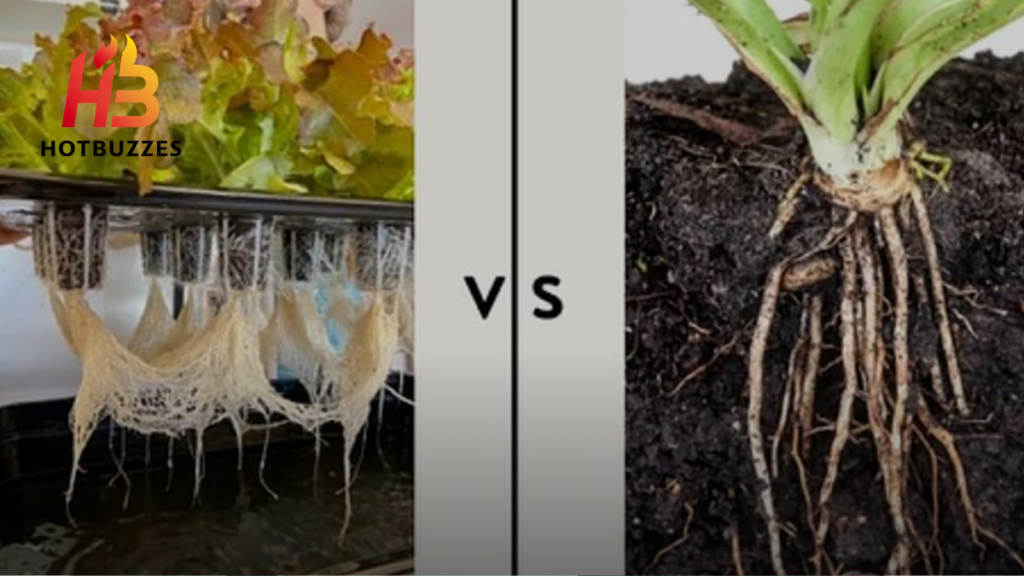
Anyone starting a houseplant propagation project quickly faces the same fundamental choice. Should you root the cutting in a jar of water or plant it directly into soil?. Both methods can turn a single healthy stem into an entirely new plant. Both also have loyal followings among plant hobbyists. However, they work in genuinely different ways beneath the surface.
They produce roots with different structures and different success rates. They also create different transition challenges once the plant is settled into its permanent home. Knowing these differences makes it easier to choose the right approach. It is better than simply picking whichever method looks more familiar or convenient.
This guide breaks down how water and soil propagation compare. It covers root structure, success rates, timing, and plant suitability. It also explains the transition risks of moving a cutting from one medium to the other. The guide includes a side-by-side comparison table. It also covers research-backed facts about the biology behind water roots and soil roots. Practical guidance helps with troubleshooting stalled cuttings, propagating in low light, and propagating in batches. A two-paragraph conclusion ties the comparison together.
How Water Propagation Works
Water propagation involves placing a stem cutting directly into a container of water. The cutting develops roots while suspended in liquid rather than in a solid growing medium. This method has become almost synonymous with houseplant propagation. Its popularity comes from social media and plant care communities.
The Basic Process
Cuttings are placed into clear containers filled with water. This allows direct observation of root growth throughout the entire process, according to Leaf Plant Garden’s comparison guide. Most houseplants root well using this method. Aroids are particularly reliable candidates. These include pothos, philodendron, monstera, epipremnum, and scindapsus, according to Love That Leaf’s water propagation guide.
Why Water Propagation Appeals to Beginners
Water propagation is widely considered the simplest way to start for anyone new to propagating plants. It requires no special equipment beyond a clear jar. It also lets beginners visually confirm that something is happening. With soil propagation, beginners must guess at underground root progress, according to Love That Leaf. This immediate visual feedback is why water propagation remains a commonly recommended starting point across many houseplant propagation guides.
How Soil Propagation Works
Soil propagation skips the water stage entirely. It involves planting a cutting directly into potting mix from the beginning. This approach more closely mirrors how a broken or fallen stem might naturally take root outdoors without human intervention.
The Basic Process
A healthy cutting is taken from an existing plant and placed directly into soil, which then acts as a supportive environment, providing both moisture and nutrients as the plant works to establish itself, according to Tree Care Zone’s. Because soil propagation mimics the way a plant would naturally root in the wild, it is often described as a more eco-friendly, lower-maintenance method than the ongoing water changes that water propagation requires.
Who Soil Propagation Suits Best
Soil propagation suits gardeners who prefer a more hands-off approach. It also works well for plants that naturally thrive when rooted directly in soil, according to Tree Care Zone. Pothos, succulents, and herbs are among the many plant types commonly propagated this way. Soil propagation has no intermediate water stage. This removes one entire step from the propagation process. It also removes one entire transition risk.

Root Structure Differences
The single biggest difference between water and soil propagation is not visible on the surface at all, but in the actual physical structure of the roots each method produces, a distinction that explains nearly every other difference covered throughout the rest of this guide.
Water Roots vs Soil Roots
They are not identical structures. Water roots are thinner and more fragile. They are built for an environment where oxygen and water are freely available, according to Houseplant101’s propagation guide. Soil roots are generally thicker. They must reach further to access nutrients and moisture. These resources are not uniformly available as they are in a jar of standing water, according to Let’s Talk Gardens.
Smoothness and Root Hair Development
Roots formed in water are often smoother. They also have fewer fine root hairs than roots formed in potting mix, according to Foliage Factory’s water propagation guide. Root hairs play an important role in nutrient and water absorption in soil. This means a water-rooted cutting is missing part of the root architecture it will eventually need. It needs this structure once it transitions into a solid growing medium.
Success Rates and Timing
Both methods can succeed, but they tend to differ in how quickly visible progress appears and how reliably that progress converts into a fully established plant, which is often the more practically important measure of success than raw rooting speed alone. Learn how to prepare Monstera cuttings and give them the right conditions for healthy root development.
Which Method Roots Faster
Growing roots in water normally has a higher success rate and happens faster than in soil, according to Love That Leaf’s water guide. Cuttings root faster in water because progress is easier to monitor and adjust along the way. Most sources describe root formation as occurring within two to four weeks in water. This is common under warm, bright conditions, according to Leaf Plant Garden’s comparison guide.
The Tradeoff Behind Faster Water Rooting
Water propagation gives growers visible roots sooner. Soil propagation gives growers a settled plant sooner, according to Houseplant101’s propagation guide. This makes the choice a trade-off between visible progress and true establishment. A cutting rooted in water reaches the visible milestone of having roots more quickly. However, it still needs to transition into soil. It must clear this additional hurdle before becoming a genuinely established plant. A soil-propagated cutting has already cleared this hurdle from day one.
Water Propagation vs Soil Propagation at a Glance
The table below summarizes the core differences covered throughout this guide.
| Factor | Water Propagation | Soil Propagation |
|---|---|---|
| Visible root progress | Fast, roots visible through glass | Slow, roots hidden underground |
| Root structure | Thinner, smoother, fewer root hairs | Thicker, more robust, more root hairs |
| Nutrient availability | None, water alone provides no nutrients | Present from the start |
| Transition risk | High, must adapt to soil later | None, already growing in final medium |
| Maintenance during rooting | Frequent water changes needed | Occasional watering, less hands-on |
| Oxygen availability | Lower, drops further if water is not changed | Higher, soil naturally creates air pockets |
| Best suited for | Monitoring progress, beginners, soft-stemmed plants | Long term stability, hands-off growers |
The Oxygen Problem in Water Propagation
Water propagation’s biggest hidden challenge has nothing to do with light or nutrients, but with a resource most people do not immediately associate with a jar of water: oxygen, and understanding this single factor explains most of the practical maintenance advice covered in this section.
Why Standing Water Runs Low on Oxygen
Soil and airy potting mixes hold moisture while creating tiny air pockets around developing roots. Water contains much less oxygen overall. Oxygen levels drop even further when water sits unchanged, according to Foliage Factory’s water propagation guide. This is why regular water changes matter more in water propagation than watering frequency does in soil propagation. A soil-grown cutting’s roots have continuous access to air pockets. A water-grown cutting’s roots simply do not.
Recommended Water Change Frequency
Change the water every three to seven days. The exact timing depends on the plant, room temperature, and jar cleanliness, according to Foliage Factory. This helps maintain adequate oxygen levels and reduces rot risk. Leaf Plant Garden’s comparison guide recommends changing the water weekly. Gently rinse any algae buildup from the roots at the same time. This keeps the water cleaner. It also prevents algae from competing with the cutting for limited oxygen in the jar.
Transitioning a Water-Rooted Cutting to Soil
Because water roots and soil roots are structurally different, moving a cutting from one medium to the other is not simply a matter of relocating it, but a genuine physiological adjustment the plant has to make, one that accounts for much of the difficulty growers sometimes report when a seemingly healthy water-rooted cutting struggles after being potted up.
Why the Transition Causes Stress
Roots developed in water are structurally different from those grown in soil. Transitioning water-rooted plants into soil can cause stress. Some water roots may die back during the adjustment, according to Rose Farm’s propagation experiment. When water roots die back after the transition, the plant must grow new roots. These roots are better suited to soil. This is why a freshly transitioned cutting may appear to stall. It may even look worse for a while before resuming steady growth, according to Houseplant101’s propagation guide.
Best Practices for a Smoother Transition
Transfer most cuttings into soil once the roots reach about one to two inches long. Wait until they begin to branch. This avoids waiting too long. The cutting can otherwise become fully dependent on a root system poorly adapted to its eventual growing medium, according to Foliage Factory. Wait two to three weeks after the transition before fertilizing. You can also wait until the cutting shows stable new growth. Freshwater roots can be especially sensitive to the concentrated salts found in even diluted fertilizer.
A Gradual Transition Alternative
An alternative approach involves gradually introducing dampened soil into the water-rooted cutting’s jar. Add it around the existing roots. Cover it with gravel. Then, slowly reduce the amount of standing water over several days. Keep the cutting under a humidity dome, according to Let’s Talk Gardens. This gradual method aims to ease the shift between mediums. It avoids an abrupt one-time move. It may also reduce the shock that a sudden transition can cause.
Plant Suitability for Each Method
Not every plant responds equally well to both methods, and knowing which category a specific plant falls into helps set realistic expectations before starting.
Plants That Excel in Water Propagation
Soft-stemmed houseplants are among the easiest plants to propagate successfully in water. These include pothos, heartleaf philodendron, syngonium, coleus, Swedish ivy, and tradescantia, according to Foliage Factory’s water propagation guide. These species share fast and reliable rooting behavior. They also generally tolerate the lower oxygen conditions created by standing water. This is why they appear so consistently in water propagation recommendations.
Plants Better Suited to Soil From the Start
Certain plants, including many outdoor and woodier species, showed inconsistent results with water propagation during controlled testing. Root growth remained slow or nonexistent in most cases despite some early callusing, according to Fraser Valley Rose Farm’s propagation experiment. The experiment noted that potting soil provided more stable and consistent results overall for the wider range of plants tested. Succulents are commonly recommended for soil propagation rather than water. Their tissue is adapted to drier conditions. Prolonged submersion increases the risk of rot rather than encouraging healthy rooting.
Nutrient Availability and Early Growth
Beyond root structure, the two methods also differ meaningfully in what a developing cutting actually has access to while it roots.
Water’s Nutritional Limitations
Water alone provides no nutrients to a rooting cutting, according to Tree Care Zone’s comparison guide. A water-propagated cutting relies entirely on the energy reserves stored in its stem and leaves when it was cut. Eventually, every water-propagated cutting needs to be transferred to soil. Soil provides the ongoing nutrients needed for long-term growth. Water alone cannot sustain a plant indefinitely.
Soil’s Built-In Nutritional Advantage
Soil provides both moisture and baseline nutrients from the moment a cutting is planted, according to Tree Care Zone. This gives a soil-propagated cutting a head start on the nutritional side of establishment. A water-propagated cutting gains this advantage only after it successfully transitions into soil. This is one reason soil-propagated cuttings often settle into steady growth more smoothly. This usually happens once they pass the initial rooting phase. Water-propagated cuttings may still be adjusting to their first exposure to a solid growing medium.
Leaf Retention and Early Visual Signs
An informal but commonly observed pattern involves how each method’s cuttings hold onto their existing foliage during the early rooting period.
Why Water-Propagated Cuttings Often Keep Their Leaves Longer
Cuttings propagated in water frequently retain their leaves longer than those propagated directly in soil, according to Fraser Valley Rose Farm’s propagation experiment, though this early advantage often fades as the cuttings continue developing further. Constant, direct access to moisture likely explains at least part of this pattern, since a leaf sitting above water that is being continuously drawn up through the cut stem has less reason to wilt or drop compared to a leaf on a cutting relying on the more intermittent moisture available in soil.
Why Early Leaf Loss in Soil Is Not Necessarily a Bad Sign
Leaf loss in soil-based cuttings does not necessarily indicate the cutting has failed, according to Fraser Valley Rose Farm’s propagation experiment, since a cutting can still be successfully developing roots below the soil surface even while shedding one or two older leaves above it. This distinction matters for anyone comparing the two methods side by side, since judging early success purely by how many leaves a cutting has retained can lead to a premature and inaccurate conclusion about which method is actually working better.
Research-Based Facts About Water Roots and Soil Roots
Beyond grower observation and general propagation advice, plant science offers a more precise biological explanation for why water roots and soil roots differ so consistently, grounding what might otherwise sound like folk wisdom in documented cellular processes.
Aerenchyma and Oxygen Transport
Water roots develop extensive aerenchyma tissue, hollow air channels inside the root that connect to the stem and leaves above, allowing root cells to continue accessing oxygen from the shoot even in a low-oxygen, waterlogged environment, according to AskGardening’s explanation of water roots versus soil roots. Because of this hollow, gas-filled structure, water roots tend to be thicker in diameter and spongier in texture than typical soil roots, even though they are also described elsewhere as more fragile once removed from the water they were adapted to.
The Cellular Process Behind Aerenchyma Formation
Aerenchyma forms through a process called programmed cell death, in which cells in the root cortex die and break down in a predictable pattern, creating the internal air channels that allow oxygen to travel from the shoot down into the otherwise oxygen-poor root zone, according to research published in Trends in Plant Science. This process is triggered by the plant hormone ethylene, which increases specifically in response to low-oxygen conditions, meaning a cutting sitting in water is not simply passively surviving its environment but actively reshaping its own root anatomy in direct response to the specific oxygen conditions it detects around it.

Why Water Roots Struggle After Transplanting
Because water roots are structurally built around this aerenchyma system rather than the denser, more oxygen-rich structure of soil roots, they are poorly suited to the different physical and chemical environment soil provides once a cutting is transplanted, according to AskGardening’s explanation, which notes that soil roots generally need to be regrown separately rather than the existing water roots simply continuing to function in their new environment. This finding lines up directly with the grower-level observation from Fraser Valley Rose Farm’s testing that water roots are prone to dieback during a soil transition, giving that commonly repeated propagation advice a clear underlying biological explanation.
Choosing the Right Method for a Specific Goal
With a clear picture of how each method works, matching the choice to a specific propagation goal makes the overall decision considerably easier.
When Water Propagation Is the Better Choice
Water propagation is the better choice for quicker visible results, easier ongoing monitoring, and situations involving smaller, more delicate cuttings, according to Tree Care Zone’s direct comparison. It also suits anyone propagating for the first time, since the ability to directly observe root development provides a valuable, confidence-building feedback loop that soil propagation, with its hidden underground progress, simply cannot offer in the same way.
When Soil Propagation Is the Better Choice
Soil propagation is the better choice for plants that naturally thrive rooting directly in soil and for growers who prefer a more hands-off approach overall, according to Tree Care Zone. It is also the more sensible default for any plant known to struggle with the transition between mediums, since skipping the water stage entirely removes that particular risk from the process altogether.
Combining Both Methods Strategically
Rather than committing entirely to one method, some growers use both approaches together, playing to each one’s individual strengths.
Starting in Water, Finishing in Soil
The most common combined approach starts with cutting in water specifically to confirm it is viable and developing roots, then transitions it into soil once roots reach the recommended length discussed earlier in this guide. This sequencing captures water propagation’s easy monitoring during the earliest well-adapted phase of rooting, while still ultimately delivering the more robust, well adapted root system that comes from an extended period of growing directly in soil.
Running Parallel Cuttings in Both Mediums
For anyone propagating multiple cuttings from the same plant, splitting them between water and soil at the same time provides a useful side-by-side comparison of how a specific plant responds to each method under otherwise identical conditions. This approach also functions as a simple hedge against failure, since a cutting that struggles in one medium still has a reasonable chance of succeeding in the other, effectively doubling the odds that at least one new plant results from a single propagation attempt.
Common Mistakes in Each Method
A handful of recurring mistakes account for the majority of failed propagation attempts, regardless of which method is chosen.
Water Propagation Mistakes
Leaving water unchanged for too long, allowing oxygen levels to drop and encouraging bacterial growth, is the most common water propagation mistake, according to Houseplant101’s propagation guide, which also lists submerged leaves, rather than just the node and stem, as a frequent cause of rot in an otherwise properly maintained jar. Taking a cutting without a node, the small bump or ring on a stem where roots actually emerge from, is an even more fundamental mistake, since a nodeless cutting will sit in water indefinitely without ever developing roots, regardless of how carefully the water itself is maintained.
Soil Propagation Mistakes
Overwatering newly planted soil cuttings, keeping the growing medium consistently soggy rather than allowing appropriate drying between waterings, is one of the most common soil propagation mistakes, since it recreates many of the same low-oxygen, rot-prone conditions water propagation is specifically prone to, only underground and out of sight, where slow-draining medium is harder to catch early. Using a growing medium that is too dense or slow draining compounds this same risk, which is part of why most soil propagation guides recommend a light, airy potting mix, sometimes amended with perlite, rather than a heavier, standard garden soil.
Ideal Environmental Conditions for Either Method
Regardless of which medium is chosen, both water and soil propagation succeed more reliably under a similar set of environmental conditions.
Temperature and Light Recommendations
The ideal ambient temperature for most houseplants during propagation falls between roughly 65°F and 75°F, paired with bright, indirect light rather than direct sun, which can encourage algae growth in a water jar and stress a still-rooting cutting in either medium, according to Leaf Plant Garden’s comparison guide. Avoiding cold drafts and overly dark corners matters just as much in soil propagation as it does in water, even though the visible cues of a struggling cutting look somewhat different between the two methods.
Why Consistency Matters More Than Perfection
Neither method requires perfectly precise conditions to succeed, but consistency, avoiding large swings in temperature, light, or, in the case of water propagation, water cleanliness, tends to matter more than hitting an exact ideal number on any single day. A cutting kept in stable, moderately good conditions throughout the entire rooting period generally outperforms one that experiences a few days of ideal conditions followed by a stretch of neglect, regardless of which propagation medium is being used.
Cost and Equipment Comparison
Beyond biology and technique, the two methods also differ in what they cost to get started and maintain. Improve your propagation success by learning how to prepare, root, and care for Philodendron cuttings.
What Water Propagation Requires
Water propagation needs almost nothing beyond a clean glass jar or vase already sitting in most kitchens, making it essentially free to start for anyone who already owns a healthy parent plant to take cuttings from. The only ongoing cost is time spent on the regular water changes covered earlier, rather than any recurring material expense.
What Soil Propagation Requires
Soil propagation requires a small pot, ideally with a drainage hole, and a bag of appropriate potting mix, which represents a modest but real upfront cost compared to water propagation’s essentially free setup. This cost is generally minor and often already on hand for anyone who keeps other houseplants, but it is worth noting as a genuine, if small, difference between the two approaches.
Humidity’s Role in Supporting Either Method
While water propagation obviously provides constant moisture at the cutting’s base, humidity in the surrounding air also plays a meaningful role in how well a cutting performs above the waterline or soil surface.
Why Leaves Benefit From Higher Humidity During Rooting
A cutting’s leaves continue losing moisture through transpiration even while its roots are still developing, and in a low-humidity room, this moisture loss can outpace what the still-limited root system is able to replace, leading to wilting or leaf drop regardless of which propagation medium is being used. Grouping cuttings together, using a humidity dome, or simply placing them in a naturally humid room like a bathroom with good light can reduce this stress during the vulnerable early rooting period.

Humidity Differences Between the Two Methods
Water propagation inherently provides a bit of ambient humidity right around the cutting simply from evaporation off the water’s surface, which soil propagation does not replicate to the same degree unless the pot is covered or placed in an already humid room. This is a modest, secondary benefit rather than a primary advantage of water propagation, but it can make a small difference for particularly humidity-sensitive plants during the early stages of rooting.
Propagation Boxes and Specialized Setups
For growers looking to improve their odds beyond a basic jar or pot, a few specialized setups have become popular within the houseplant community.
Propagation Boxes and Humidity Domes
A propagation box, essentially a small enclosed container with clear walls, combines some of the benefits of both primary methods, allowing a cutting to root in a lightly moist medium like sphagnum moss while maintaining the elevated humidity and easy visibility more commonly associated with slower rooting. These setups are particularly popular for rooting more delicate or slower rooting cuttings that might otherwise struggle in a plain, uncovered jar or pot.
LED Grow Lights for Faster Rooting
Supplementing natural light with a small LED grow light, particularly during shorter winter days, can meaningfully speed up rooting in either water or soil, since light availability directly affects how much energy a cutting has available to fund new root growth. This kind of supplemental lighting is not strictly necessary for either method to succeed, but it can shorten the overall timeline for anyone propagating during a lower light season.
How Plant Family Affects Method Choice
Besides individual species mentioned earlier in this guide, broader plant families often share consistent tendencies toward one propagation method or the other.
Aroids and Their Strong Water Propagation Track Record
The aroid family, which includes pothos, philodendron, monstera, and syngonium, has an especially strong and well-documented track record with water propagation specifically, largely because these plants naturally produce aerial roots and nodes well adapted to rooting in a moist, low-resistance environment. Aroids consistently root well in water. This is why growers often use them as the default example when discussing or demonstrating water propagation.
Succulents and Woody Plants Favoring Soil
Succulents, cacti, and many woody ornamental or fruiting plants generally root more consistently in soil. Their tissues and root structures adapt better to drier, oxygen-rich conditions than a water jar provides. Water propagation does not always fail for these plants. However, it has a lower success rate than it does for typical soft-stemmed aroids.
Signs a Cutting Is Successfully Rooting
Because the two methods offer such different levels of visibility, knowing what to actually look for in each one helps avoid both premature disturbance and unnecessary worry.
Reading Progress in Water
In water propagation, small white or pale root buds emerging directly from the node are the first sign of success, typically followed by those buds lengthening into thin, thread-like roots over the following one to two weeks. Watch for this gradual progression instead of expecting fully formed roots to appear overnight. This helps you set realistic expectations. The earliest stage of root development can be easy to miss when you only check the cutting occasionally.
Reading Progress in Soil
Soil propagation offers no direct visual confirmation. Instead, you can infer success from indirect signs. Look for new leaf growth, slight resistance when you gently tug the cutting, or a cutting that stays upright and hydrated without wilting for several weeks. Because pulling a soil cutting up to check its roots directly risks damaging fragile new growth, most guides recommend relying on these indirect signs rather than physically inspecting the root zone until a repot is genuinely due.
Rooting Hormone and Its Role in Either Method
While not strictly necessary for many easy to propagate houseplants, rooting hormone is worth understanding as an optional tool available for both methods.
What Rooting Hormone Does
Rooting hormone, typically sold as a powder or gel, contains synthetic versions of the same auxin hormones a plant naturally produces to encourage root formation at a wound site, and dipping a fresh cutting’s cut end in this hormone before placing it in water or soil can improve both rooting speed and overall success rate, according to Houseplant101’s propagation guide. This step is optional rather than essential. Many common houseplants root reliably without it. However, it can provide a meaningful boost for slower-rooting or more difficult species.
When Rooting Hormone Matters Most
Rooting hormone tends to make the biggest difference with woody or otherwise slower rooting cuttings, the same general category of plants that also tend to perform better in soil than in water propagation, according to the plant family patterns discussed earlier. For the easy, fast-rooting aroids and soft-stemmed plants that dominate most water propagation guides, rooting hormone is a nice-to-have rather than a make-or-break addition to the process.
Cleaning and Preparing Cuttings Before Propagation
Regardless of the method you choose, proper cutting preparation can significantly improve its chances of success.
Making a Clean Cut
Using a clean, sharp blade rather than a dull or dirty one produces a smooth cut that heals more quickly and is less prone to infection than a ragged, torn cut made with inadequate tools. Wiping the blade with rubbing alcohol between cuts, particularly when taking cuttings from more than one plant, helps prevent transferring bacteria, fungal spores, or pests from one plant to another during the propagation process.
Removing Excess Foliage
Trimming away any leaves that would otherwise sit below the waterline in a water propagation jar, or that would end up buried beneath the soil surface in a soil-propagated cutting, reduces the risk of that submerged or buried foliage rotting and contaminating the surrounding medium. Leaving at least one or two healthy leaves above the medium gives the cutting enough remaining leaf surface to continue photosynthesizing and generating the energy needed to fund new root growth.
Long-Term Outcomes: Does the Original Method Matter Years Later?
A reasonable question for anyone weighing these two methods is whether the original propagation choice leaves any lasting mark on how a plant performs once it has been water-propagated, growing normally for years.
Root Structure Normalizes Over Time
Once a water-propagated cutting moves into soil and develops soil-adapted roots, it shows no meaningful long-term difference from a soil-propagated cutting. By this stage, the plant has fully adapted its roots to the new growing medium. The original propagation method mainly affects the transition period. These effects do not continue once the plant reaches steady, established growth.
Why the Choice Still Matters in the Short-Term
Even though the long-term outcome converges regardless of starting method, the short term differences covered throughout this guide, monitoring ease, transition risk, and overall time to a fully settled plant, are real and worth weighing carefully for anyone deciding how to approach a specific propagation project. The choice between water and soil propagation is ultimately a choice about the process itself, not about the eventual health or appearance of the mature plant that results from either path.
Troubleshooting a Stalled Cutting
Sometimes a cutting shows no visible progress for weeks, and knowing how to troubleshoot each method separately helps determine whether the cutting has actually failed or simply needs more time.
Diagnosing a Stalled Water Cutting
A water-propagated cutting that shows no root buds after four to six weeks may have a damaged node. It may also need more frequent water changes. Some species simply root more slowly than fast-rooting aroids and require more patience. Checking that the node itself still looks firm rather than mushy or discolored is the first step, since a healthy-looking node simply needs more time, while a soft, blackened one indicates the cutting has already begun to fail and is unlikely to recover.
Diagnosing a Stalled Soil Cutting
A soil-propagated cutting may not show new growth for several weeks. Avoid disturbing the root zone to check for roots. Instead, make sure the soil is neither bone dry nor waterlogged. Check that the cutting remains firm and green rather than soft or yellow. If the cutting shows clear signs of decline, such as wilting, blackening at the soil line, or a foul smell, gently inspect the buried portion for rot. Routine checking, however, is generally discouraged.
Propagating in Low Light Conditions
Not every home offers bright, ideal light for propagation, and both methods can still succeed, with some adjustment, in more modest lighting.
Water Propagation in Lower Light
Water propagation in a dimmer spot generally just means slower rooting rather than a complete inability to root, since the cutting is drawing primarily on its own stored energy reserves during the earliest phase regardless of ambient light levels. Moving the jar to the brightest available indirect light spot in a lower-light home, even if it falls short of the ideal range mentioned earlier in this guide, still meaningfully improves outcomes compared to a genuinely dark corner.
Soil Propagation in Lower Light
Soil propagation in low light follows a similar pattern. Roots and new growth simply take longer to appear rather than failing outright. However, you must reduce watering because dim light slows the soil’s drying rate. Overwatering becomes a greater risk in low-light conditions. Reduced light limits photosynthesis, so the cutting uses less water. If you maintain the usual watering schedule, the soil stays wet for too long. Reduce watering frequency to match the slower drying rate.
Propagating Multiple Cuttings at Once
Many growers propagate several cuttings simultaneously rather than one at a time, and a few considerations specific to batch propagation are worth knowing.
Batch Water Propagation
Grouping several cuttings in the same larger container of water is possible, but it also means a single instance of bacterial growth or rot can potentially spread to nodes that were otherwise healthy, which is part of why some growers prefer separate smaller jars for each individual cutting despite the added counter space this requires. Labeling each jar with the cutting date and plant variety, particularly when propagating several different species at once, helps keep track of which cuttings are progressing on schedule and which may need closer attention.
Batch Soil Propagation
Planting several cuttings together in one larger pot works well for cuttings of the same species with similar moisture needs, but mixing different plant types in a single container risks the same kind of mismatched watering problems that affect any mixed planting, giving one cutting too much water while shortchanging another. Individual small pots, while requiring more physical space than a single shared container, generally offer more precise control over each cutting’s specific conditions during this especially sensitive early establishment period.
Environmental Impact Considerations
For growers who think about the broader footprint of their gardening habits, the two methods differ slightly in their resource use as well.
Water Usage Over the Course of Propagation
Water propagation, despite involving a visible jar of standing water, does not actually consume much water overall, since a single small jar refreshed weekly uses a relatively modest amount compared to many other household water uses. Soil propagation similarly uses only modest amounts of water for regular watering, meaning neither method represents a significant water cost difference in most households.
Material Waste and Reusability
Glass jars used for water propagation can last for years and support countless future propagation projects. You can also wash and reuse plastic nursery pots for soil propagation many times, as long as they remain undamaged. Both methods generate little ongoing waste after you acquire the initial equipment. As a result, waste has a minor impact compared with more realistic factors, such as transition risk and monitoring ease, discussed throughout this guide.
When to Skip Propagation Methods Entirely
While this guide focuses on comparing water and soil propagation directly, it is worth briefly noting that not every plant, or every situation, calls for propagating from a cutting at all.
Division as an Alternative for Multi-Stemmed Plants
Plants that naturally produce multiple stems from a shared root system, such as many ferns and some aroids, can often be divided into several already-rooted plants. This method avoids the need for individual stem cuttings. It also eliminates the water-versus-soil comparison because each divided section already has a functioning root system when you separate it from the parent plant.
When a Plant Is Simply Not a Good Propagation Candidate
Some plants, particularly those with a single central growth point and no side shoots or easily accessible nodes, are poor candidates for either water or soil stem cutting propagation, and forcing an attempt on this kind of plant is more likely to damage the parent than to produce a viable new plant. Recognizing this limitation before attempting propagation on an unsuitable plant saves both the parent plant’s health and the grower’s time compared to pushing forward with a method mismatched to the plant’s actual growth habit.
A Quick Reference for First-Time Propagators
For anyone still deciding which method to try first, a short mental checklist can simplify the decision considerably.
Questions Worth Asking Before Starting
Checking whether the specific plant belongs to a family known for strong water propagation results, considering how much patience is available for either a visible but slower-settling water cutting or a hidden but more stable soil cutting, and confirming a clean node is present on the intended cutting all help clarify which method is the better starting point for a specific situation. None of these questions has a universally correct answer, since the right choice depends entirely on the plant in question and the grower’s own priorities around monitoring, speed, and long-term stability.
FAQS
Q1. Which method has a higher success rate, water or soil propagation?
Water propagation generally has a slightly higher and faster visible success rate for most common houseplants, since root progress is easy to monitor and adjust for. However, soil propagation often results in a more stable, settled plant sooner overall, since it skips the transition risk that comes with eventually moving a water-rooted cutting into soil.
Q2. Why do plants sometimes struggle after being moved from water to soil?
Roots grown in water develop a different internal structure. They form specialized air channels called aerenchyma that help them survive in low-oxygen, submerged conditions. However, these roots do not function the same way after you move the cutting into soil. Many of these water roots die back during the transition, and the plant has to grow a new set of roots better adapted to its new growing medium.
Q3. How often should water be changed during water propagation?
Most guides recommend changing the water every three to seven days, depending on the plant type, room temperature, and how quickly the jar becomes cloudy. Changing the water sooner if it appears cloudy or develops a smell helps prevent bacterial growth and rot.
Q4. Can any plant be propagated in both water and soil?
Many common houseplants, particularly soft-stemmed species like pothos and philodendron, root reliably in either medium. Some plants, including many succulents and certain outdoor or woody species, tend to perform more consistently in soil and are more prone to rot or simply failing to root when left in standing water.
Q5. When is the right time to move a water-rooted cutting into soil?
Most sources recommend transferring a cutting once its roots reach roughly one to two inches long and have begun to branch. Waiting too much longer than this risks the cutting becoming more dependent on a root structure poorly suited to eventually growing in soil.
Q6. Is it necessary to fertilize a cutting right after moving it into soil?
No, and doing so can actually cause harm. Fresh roots, particularly those transitioning from water, can be sensitive to the concentrated salts in fertilizer, so most guides recommend waiting two to three weeks, or until the cutting shows stable new growth, before introducing any fertilizer.
Conclusion
Water and soil propagation are not simply two interchangeable paths to the same result, but genuinely different processes that shape a cutting’s root structure, timeline, and overall establishment in distinct ways. Water propagation offers the fastest, easiest-to-monitor path to visible roots, making it a natural starting point for beginners and an excellent way to confirm a cutting is viable before committing to a longer-term growing plan, but that speed comes bundled with a real transition risk once the time comes to move the cutting into its permanent soil home.
Soil propagation, while slower to show visible progress and less exciting to monitor day to day, sidesteps that transition entirely, delivering a cutting that is already growing in and structurally adapted to the medium it will spend the rest of its life in.
Ultimately, the right choice comes down to what a specific grower values most, whether that is the immediate, visible feedback water propagation provides, the long-term stability soil propagation offers from the very beginning, or some combination of both achieved by starting cuttings in water and finishing them in soil once initial roots appear.
Understanding the underlying biology, particularly the fact that water roots and soil roots are genuinely different structures built for different environments, turns what can feel like an arbitrary preference into an informed decision, one that accounts for both a specific plant’s individual tendencies and a grower’s own patience for watching a jar of water versus trusting an unseen process happening quietly beneath the soil.

Ajwa Asif is a writer with a passion for plants, gardening, and creating educational content. She researches plant-related topics using reputable horticultural resources and shares practical advice to help readers grow healthier plants and build confidence in their gardening journey. Her content focuses on delivering clear, reliable, and user-focused information.