
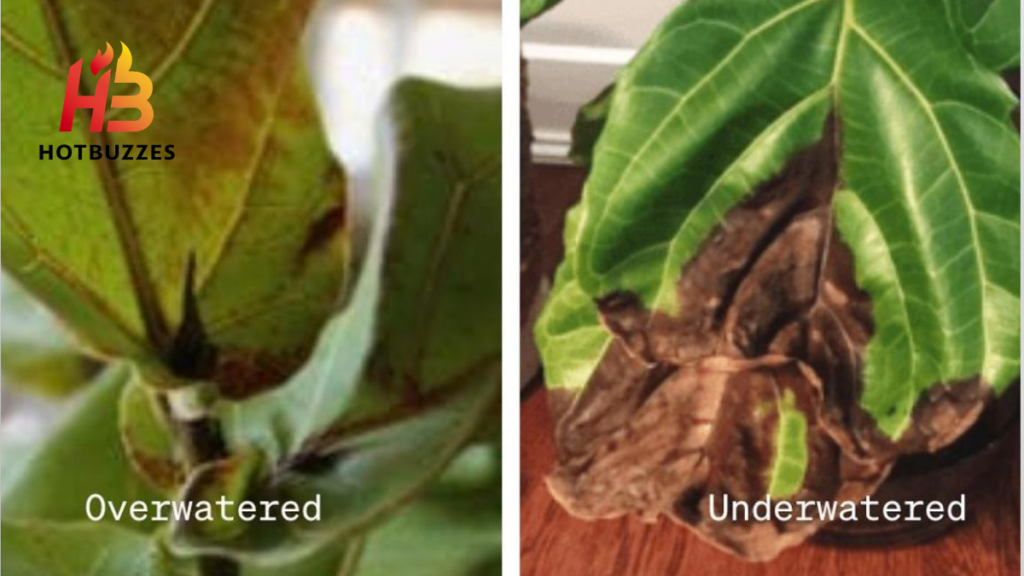
Few houseplant problems cause as much confusion as watering mistakes. This is mainly because overwatering and underwatering often produce symptoms that look almost identical at first glance. Wilting, yellowing, and drooping leaves show up in both cases. This means a well meaning plant owner can easily respond to the wrong problem by watering a plant that is already drowning. Or withholding water from one that is actually dying of thirst. Getting this distinction wrong once is rarely fatal. But repeating the same misdiagnosis over weeks or months is exactly how an otherwise healthy plant slowly declines. This happens without anyone realizing what actually went wrong.
According to Early’s Farm & Garden Centre, more than 80 percent of houseplant deaths trace back to incorrect watering in some form. Overwatering is identified as the more frequent culprit of the two. Getting this one diagnosis right matters more than almost any other piece of plant care knowledge. It separates a thriving plant collection from a constantly revolving cast of replacements. These replacements are bought to fill the gap left by the last one that didn’t make it.
This guide breaks down exactly how to tell the two apart. It covers leaf symptoms, soil checks, root inspection, and the specific situations that tend to trip people up the most. It also includes a side by side comparison table. A section on research backed facts explains how common these mistakes really are. A quick two-minute decision process helps diagnose an unclear case. Practical recovery steps and realistic timelines cover both scenarios.
Why These Two Problems Get Confused So Often
The core difficulty with diagnosing a struggling plant is that both overwatering and underwatering interfere with the same basic process. This is the plant’s ability to draw water up through its roots. The water then moves into its leaves and stems.
Wilting Looks the Same From Both Directions
A plant wilts when its cells lose turgor pressure, the internal water pressure that keeps leaves and stems firm and upright. An underwatered plant wilts because there simply is not enough water available in the soil to maintain that pressure. An overwatered plant, somewhat counterintuitively, often wilts too, but for a very different reason. According to Rockledge Gardens, overwatered plants wilt because their roots have begun to rot, which damages the plant’s ability to actually absorb the water that is sitting right there in the soil around it. The visible symptom, a droopy, limp plant, ends up looking nearly the same whether the cause is too little water or too much.
Yellowing Leaves Appear in Both Cases
Yellowing leaves follow a similar pattern. Plantify’s watering guide notes that yellowing and leaf drop are the most common signs of overwatering, especially when new growth is affected. At the same time, WallyGrow’s watering guide points out that yellow, curling lower leaves can also signal underwatering. This means yellowing alone, without checking anything else, is not a reliable way to tell the two problems apart.
The Soil Test: The Fastest Way to Tell
Because leaf symptoms overlap so heavily, the soil itself is almost always a faster and more reliable diagnostic tool than anything visible above it.
The Finger Test
The simplest method is also the most commonly recommended across nearly every source on this topic. Pushing a finger about an inch into the soil reveals immediately whether the problem is too much water or too little. According to Plants on Broadway’s watering guide, soil should feel a little moist but not bone dry and not sopping wet. If it feels excessively wet or has water collecting in a drip pan underneath the pot, overwatering is almost certainly the issue.
The Pot Weight Test
A second, equally fast method is simply lifting the pot. According to The Plant Index, a heavy, damp pot points to overwatering. A light, dry pot points to underwatering. This five second check works even for plants whose soil surface looks deceptively normal. Getting a feel for how heavy a given plant’s pot is when freshly watered, and again once it has fully dried out, makes this test even more useful over time. It becomes a quick before and after comparison rather than a guess.
Signs of Overwatering
Once the soil test points toward excess moisture, a handful of additional symptoms confirm the diagnosis and reveal how far the problem has progressed.
Leaf and Stem Symptoms
Overwatered leaves tend to turn yellow, particularly new growth, and often feel soft, mushy, or limp rather than dry and brittle, according to WallyGrow. Urban Roots’ comparison guide adds that overwatered leaves sometimes shift toward a dull olive or grey green tone rather than the crisp, healthy green of a properly watered plant. Browning can occur too. However, it tends to appear alongside soft, water soaked tissue rather than the crisp, dry browning typical of a thirsty plant.
Edema and Blistering
A less commonly recognized but very telling symptom is edema. This is a condition where excess internal water pressure causes leaf cells to burst. It leaves behind small blisters or lesions on the leaf surface, as described by Rockledge Gardens. Because edema has no equivalent symptom on the underwatering side, spotting it is one of the more definitive ways to confirm overwatering. You can do this without needing to check the soil or roots at all.
Soil and Root Symptoms
Soggy, waterlogged soil that stays wet for days at a time is one of the clearest overwatering indicators, according to Balanced Home Plants. It is sometimes accompanied by a musty or sour smell. Mold or algae growing on the soil surface is another strong signal. Both organisms thrive specifically in consistently moist conditions, as noted by Rockledge Gardens.

Pest Signs Linked to Overwatering
Fungus gnats, small dark flies that hover around the base of a plant, are strongly associated with overwatering. Their larvae develop in consistently moist soil, according to both Balanced Home Plants and WallyGrow. Spotting a cluster of these gnats is often one of the earliest visible clues that a plant’s watering routine has tipped too far toward excess.
Signs of Underwatering
The opposite set of symptoms points toward a plant that simply is not receiving enough water to meet its needs.
Leaf and Stem Symptoms
Underwatered leaves typically curl, wilt, or droop. Unlike the soft, limp texture of an overwatered leaf, they tend to feel dry, thin, and crisp to the touch, according to The Plant Index. Browning is common too. It shows up differently than overwatering related browning, appearing as dry, crispy edges rather than soft, water soaked patches. WallyGrow’s guide to browning edges explains this distinction clearly.
Soil and Root Symptoms
Bone dry soil that has visibly pulled away from the sides of the pot is one of the clearest underwatering signals, according to WallyGrow. It sometimes leaves a noticeable gap around the entire rim. In severe cases, dry soil becomes hydrophobic. Water poured onto the surface runs straight down the inside edge of the pot and out the drainage hole rather than soaking in. Urban Roots’ root and soil comparison highlights this detail. Discover how to turn a single snake plant leaf into new plants with this beginner-friendly guide.
Pest Signs Linked to Underwatering
While fungus gnats favor overwatered conditions, spider mites tend to favor the opposite. They thrive in dry, underwatered environments, according to WallyGrow’s pest comparison. Fine webbing on the underside of leaves, paired with dry, stressed foliage, is a fairly reliable sign that a plant has been going without enough water for some time.
Checking the Roots for a Definitive Answer
When leaf symptoms and soil checks still leave some doubt, gently removing the plant from its pot and inspecting the roots directly settles the question almost every time.
What Healthy Roots Look Like
Healthy roots are firm and light tan to white in color. They give off a mild, earthy smell often compared to damp forest soil, according to Urban Roots’ detailed root comparison. A plant with roots matching this description is not suffering from either overwatering or underwatering. Any visible stress symptoms are more likely coming from a different cause, such as light, temperature, or pests.
What Overwatered Roots Look Like
Overwatered roots turn dark brown or black. They develop a mushy, slimy texture and often fall apart or slide off when gently touched, according to Urban Roots. These roots also tend to give off a distinctly foul, rotten, or swampy smell. This is quite different from the mild earthy scent of a healthy root system. The surrounding soil is often compacted and unpleasantly wet.
What Underwatered Roots Look Like
Underwatered roots stay light tan to white in color, much like healthy roots. However, they feel noticeably dry and brittle rather than firm and pliable, according to Urban Roots. They may also appear sparse if the plant has gone without adequate water for an extended stretch. The root ball typically pulls away from the pot in one solid, dry piece. It is surrounded by dusty, crumbling soil rather than the compacted, wet soil of an overwatered plant.
Overwatering vs Underwatering at a Glance
The table below summarizes the core differences covered throughout this guide for a quick side by side comparison.
| Symptom | Overwatering | Underwatering |
|---|---|---|
| Soil feel | Soggy, wet, stays damp for days | Bone dry, pulled away from pot edges |
| Pot weight | Heavy | Light |
| Leaf texture | Soft, mushy, limp | Dry, crisp, brittle |
| Leaf color | Yellow, sometimes dull olive or grey green | Yellow, brown, or pale with patchy dryness |
| Browning pattern | Soft, water soaked patches | Dry, crispy edges |
| Root color | Dark brown or black | Light tan to white |
| Root texture | Mushy, slimy, falls apart easily | Dry, brittle, may be sparse |
| Smell | Foul, sour, or swampy | No unusual smell |
| Associated pests | Fungus gnats | Spider mites |
| Unique symptom | Edema, or small blisters on leaves | Soil pulling completely away from pot |
Why Overwatering Is More Dangerous Than Underwatering
Although both problems can kill a plant, they are not equally forgiving, and understanding why helps explain why so many care guides warn more strongly against overwatering.
The Root Rot Problem
Overwatering deprives roots of oxygen. Waterlogged soil pushes air out of the small pockets roots normally rely on to breathe, according to ScienceABC’s explanation of root damage. This oxygen starvation invites fungal pathogens, including phytophthora, pythium, and rhizoctonia. These pathogens cause the roots to decay from the inside out. Once root rot has set in, ScienceABC notes there is no way to reverse the damage to the affected roots themselves. Treatment focuses on removing what has already died rather than restoring it.
Why Underwatering Is Easier to Reverse
Underwatering, by contrast, is widely described as the more forgiving of the two mistakes. A dehydrated but otherwise healthy plant generally bounces back once it receives adequate water again, according to Plantify’s guide. It repeats the common gardening adage that it is easier to save an underwatered plant than an overwatered one. Because underwatering does not typically involve the same kind of tissue decay seen in root rot, the recovery process tends to be simpler and faster. This is provided the neglect has not gone on for an extreme length of time.
Common Confusing Cases
A handful of specific situations tend to trip people up even after they know the general signs to look for.
Edema: A Sign Unique to Overwatering
As mentioned earlier, edema is one of the few symptoms with no underwatering equivalent. This makes it a particularly useful tiebreaker in ambiguous cases. If small blisters, bumps, or corky patches appear on a leaf’s surface or underside, overwatering is almost always the explanation. This applies regardless of what the soil moisture level looks like at the moment of inspection.
Root Bound Plants That Look Underwatered
A plant that has outgrown its pot and become root bound can show symptoms that closely mimic underwatering. It may dry out unusually fast and wilt between waterings, even when it is being watered on a normal schedule. This happens because a dense mass of roots leaves very little actual soil left to hold moisture. Water runs through and drains out far more quickly than it would in a properly sized pot. Checking whether roots are visibly circling the inside of the pot or emerging from the drainage holes helps rule this out as the real cause. This should be checked before assuming underwatering is to blame.
Wilting Under a Heavy, Wet Pot
Because both problems can cause wilting, a wilted plant sitting in a pot that turns out to be heavy and damp is a classic case where relying on the leaves alone would lead to the wrong conclusion. Following the pot weight and soil moisture checks covered earlier resolves this particular confusion quickly. The temptation in this scenario is often to water the wilting plant even more, which only deepens an already overwatered condition.
How to Recover an Overwatered Plant
Once overwatering is confirmed, the appropriate response depends heavily on how advanced the problem already is, since a plant caught within the first few days of trouble responds very differently than one that has been sitting in soggy soil for weeks.
Mild Cases
For a plant caught early, before any root rot has set in, the fix is often as simple as letting the soil dry out fully in a warm, bright spot. Hold off on watering until it has done so, according to Léon & George’s watering guide. Moving the plant to a location with slightly more light and airflow can help speed up that drying process. This can happen without requiring any repotting or root disturbance.
Severe Cases With Root Rot
For more advanced cases, Léon & George recommends a full soil change. Trim away any mushy, blackened roots before repotting the plant into fresh, well draining soil. Rotted root tissue cannot be revived. Removing it entirely gives the remaining healthy roots the best chance to recover and support the plant going forward. This is better than leaving decayed tissue in place to continue spreading.
How to Recover an Underwatered Plant
Recovering a dehydrated plant is generally more straightforward, though it still calls for a measured approach rather than flooding the pot all at once, since rehydrating too aggressively can stress roots that have already gone through a period of drought stress.
Immediate Rehydration
Bottom watering, placing the pot in a shallow basin of water and letting it absorb moisture from below for up to 24 hours, is a recommended technique for severely dried out soil, according to Léon & George. This method works especially well for hydrophobic soil that has pulled away from the pot edges. Pouring water directly onto the dry surface in that condition often just runs off rather than soaking in properly.
Avoiding Rebound Overwatering
The most common mistake after reviving an underwatered plant is swinging too far in the other direction. This means watering excessively out of guilt or overcorrection once the plant perks back up. Returning to a normal, soil-check-based watering routine as soon as the plant has recovered helps avoid accidentally creating a new overwatering problem. This can happen right after fixing the original underwatering issue.
Preventing Both Problems Going Forward
Long term prevention comes down less to memorizing symptoms and more to changing how watering decisions get made in the first place, shifting the entire routine away from guesswork and toward a small set of repeatable checks. Learn how to care for a moss terrarium and create the right conditions for healthy, lasting growth.
Watering by Signal Instead of Schedule
According to PlantSense’s guide to common houseplant problems, most overwatering happens because people water on a fixed schedule, such as every Sunday. They do this rather than checking what the plant actually needs at that moment. Soil moisture depends on pot size, soil type, humidity, temperature, light, and season. A fixed schedule is almost guaranteed to be wrong at least part of the year. Switching to a signal based approach helps. Use the finger test or pot weight test before every watering rather than a calendar. This removes most of the guesswork that leads to both overwatering and underwatering.
Choosing Pots and Soil That Help
Pots without drainage holes are a common hidden cause of overwatering. Excess water has nowhere to go and simply pools at the bottom of the container, according to Squarely’s guide to common plant problems. A well-draining potting mix suited to the specific plant helps. A pot that allows excess water to escape freely also helps. Together, they remove one of the most common structural causes of overwatering before a single watering decision is even made.
How Watering Needs Change by Season
Even with good technique, the actual amount and frequency of watering a plant needs is not constant throughout the year.
Spring and Summer
During the active growing season, plants generally need more frequent watering. Warmer temperatures, longer daylight hours, and active new growth increase how quickly a plant uses and loses moisture, according to Rockledge Gardens’ seasonal watering advice. Higher light and temperature levels increase a plant’s water needs. Higher humidity tends to reduce them. A bright, dry summer room may therefore need noticeably more frequent watering than the same room in a cooler, more humid season.
Fall and Winter
As growth slows during the dormant season, water needs drop accordingly. Continuing a summer watering schedule into the cooler months is a common trigger for overwatering. Checking the soil before every watering becomes especially important during this transition. A plant that needed water every five days in summer might only need it every couple of weeks once winter sets in.
How Watering Needs Differ by Plant Type
Beyond the season, the plant species itself plays a major role in how forgiving or unforgiving a watering mistake will be. Matching expectations to the specific plant helps avoid applying a one size fits all rule. Such a rule was never going to work for every species in a mixed collection.

Succulents and Cacti
Succulents and cacti are adapted to arid environments. They store water directly in their leaves and stems. This allows them to go for extended stretches, often several weeks, without watering, according to Early’s Farm & Garden Centre. These plants are far more tolerant of underwatering than overwatering. A watering routine appropriate for a tropical foliage plant will almost certainly overwater a succulent kept on the same schedule.
Tropical Foliage Plants
Plants like ferns and calatheas, by contrast, generally require consistently moist soil. They are more prone to underwatering stress than many other common houseplants, again according to Early’s Farm & Garden Centre. Grouping plants with similar watering needs together makes care easier. It is better than watering an entire windowsill of mixed species on the same schedule. This makes it considerably easier to meet each plant’s actual requirements.
Tools That Make Watering Easier
For anyone who struggles to judge soil moisture by touch alone, a couple of inexpensive tools can remove much of the guesswork and make the finger and pot weight tests described earlier even more reliable over time.
Moisture Meters
A soil moisture meter, inserted directly into the pot, gives a numeric reading of how wet or dry the soil is at root level. This can be more reliable than a fingertip check alone. It is especially useful in larger pots where the surface soil dries out faster than the deeper soil. Checking the meter before every watering helps. It is better than relying on visual cues from the leaves. This can catch early signs of both overwatering and underwatering before symptoms become severe.
Self-Watering Pots
Self-watering planters draw water up from a reservoir as the soil dries out. They are designed to reduce the two most common watering mistakes, according to Squarely’s guide to common plant problems. The plant draws water as needed rather than receiving a fixed amount on a fixed day. These systems can reduce the risk of both overwatering and underwatering. They are especially useful for people who struggle to follow a consistent, signal based watering routine.
Research-Based Facts About Watering Mistakes and Houseplant Survival
Beyond the practical diagnosis and recovery steps, a few documented figures put the scale of this problem into perspective.
How Common Watering Mistakes Really Are
A UK based houseplant survey cited by Greg’s plant care community, found that more than half of houseplant owners had accidentally killed an average of five plants each. Among them, 54 percent cited overwatering as the cause, while 30 percent cited insufficient sunlight. Separately, Early’s Farm & Garden Centre reports that over 80 percent of all houseplant deaths trace back to incorrect watering in some form. This reinforces how central watering is compared to nearly every other houseplant care mistake combined.
The Science Behind Root Rot
The biological explanation for why overwatering proves so damaging comes down to oxygen availability at the root level. According to Science, root hairs rely on small air pockets in the soil to breathe. When those pockets fill with water instead of air, the roots are effectively suffocated. This happens even though they are surrounded by moisture. The resulting oxygen starvation creates conditions favored by root rot causing fungi such as phytophthora, pythium, and rhizoctonia. This is why overwatering symptoms often trace back to fungal decay rather than the water itself being directly toxic to the plant.
Underwatering’s Effect on Cellular Function
On the underwatering side, Urban Roots’ comparison guide explains that insufficient water disrupts a plant’s ability to perform photosynthesis efficiently. It also affects nutrient transport and the turgor pressure that keeps stems and leaves upright. When water becomes scarce enough, a plant shifts into a kind of survival mode. It sheds leaves and shuts down non-essential functions to conserve limited moisture. This is why chronically underwatered plants often look sparse and stunted even after watering resumes.
Watering Technique Mistakes Beyond Frequency
How water is applied matters almost as much as how often, and a few technique related habits can quietly cause symptoms that look like a frequency problem even when the schedule itself is reasonable.
Shallow, Frequent Sips vs Deep, Infrequent Watering
Giving a plant a small splash of water every day or two, rather than a thorough soaking less often, tends to keep only the top layer of soil moist while the deeper roots stay dry, a pattern that can produce underwatering symptoms even though the plant is technically being watered constantly. Watering thoroughly, until water runs from the drainage holes, then waiting until the soil has dried to an appropriate depth before watering again, encourages roots to grow deeper and more resilient rather than clustering near the surface chasing frequent light watering.
Water Quality and Temperature
Very cold tap water can shock roots, particularly in tropical plants used to warmer conditions, and heavily chlorinated or mineral-rich water can build up in the soil over time, leaving a white crust on the surface that is sometimes mistaken for a moisture related problem. Letting tap water sit out for a few hours before use, or switching to filtered water for particularly sensitive plants, removes one more variable from the diagnostic picture when leaf symptoms appear.
Watering the Leaves Instead of the Soil
Misting or splashing water directly onto foliage, rather than aiming for the soil, does little to address the plant’s actual water needs and can, for some species, increase the risk of fungal leaf spots in already humid conditions. Directing water at the base of the plant, right at the soil line, ensures it actually reaches the roots where it is needed rather than evaporating off the leaf surface or pooling in leaf joints.
How Environment Affects Watering Needs
Beyond the plant itself, the room it lives in has a major effect on how quickly soil dries out and how often watering is actually needed.
Light and Humidity
A plant sitting in bright, direct light dries out considerably faster than the same plant kept in a dim corner, simply because higher light levels increase the rate of transpiration, the process by which a plant loses water through its leaves. Humidity works in the opposite direction, with higher ambient humidity slowing water loss and lower humidity, common in centrally heated homes during winter, accelerating it, which is part of why so many watering problems cluster around seasonal transitions.
Pot Material
The material a pot is made from changes how quickly soil dries out even when everything else about the setup is identical. Terracotta and unglazed ceramic pots are porous and allow moisture to evaporate through the pot walls themselves, which means plants in these containers typically need more frequent watering than the same plant in a glazed ceramic or plastic pot, where moisture is trapped inside with nowhere to escape except through the soil surface and drainage hole.
Plant-Specific Watering Quirks Worth Knowing
A handful of extremely common houseplants have reputations, earned or not, for being especially prone to one type of watering mistake over the other, and knowing these tendencies in advance helps set the right expectations before a new plant even arrives home.
Plants Prone to Overwatering Issues
Peace lilies, calatheas, and ferns are frequently overwatered because their dramatic wilting when thirsty leads owners to assume they always need more water, when in reality their soil often only needs to dry slightly at the surface before the next watering rather than fully drying out like a succulent would. Their broad, thin leaves also make overwatering symptoms, like soft yellowing and edema, easier to notice quickly compared to plants with thicker, more forgiving foliage.
Plants Prone to Underwatering Issues
Succulents, cacti, and snake plants are commonly underwatered relative to their actual needs less often than they are overwatered, since most owners have absorbed the general advice that these plants like to dry out. The more common mistake with this group is actually the opposite, watering too frequently out of habit despite knowing better, since their slow, gradual response to both overwatering and underwatering makes mistakes harder to notice quickly compared to a fast wilting peace lily.
Building a Simple Watering Log
For anyone who repeatedly struggles to remember when a plant was last watered, or who tends to swing between overcorrecting in one direction and then the other, a basic log removes much of the guesswork.
What to Track
Noting the date of each watering, along with a quick note on how the soil felt beforehand, dry, slightly damp, or still wet, builds a useful record over just a few weeks that reveals the plant’s actual drying pattern rather than relying on memory or assumption. This is particularly useful for tracking how watering frequency needs to shift between seasons, since a written record makes the change obvious rather than something that has to be reasoned out from scratch every few months.
Using a Log to Catch Problems Early
A consistent log also makes it easier to spot when something has changed unexpectedly, such as a plant suddenly needing water much more or less often than its usual pattern, which can be an early warning sign of a root problem, a change in light exposure, or a pot that has become root bound, well before more obvious symptoms appear on the leaves themselves.
When to Consider a Plant a Loss
Not every overwatered or underwatered plant can be saved, and recognizing when recovery is unlikely helps avoid prolonging a struggling plant’s decline unnecessarily, both for the plant’s own sake and for the sake of not repeatedly second guessing a diagnosis that has already been thoroughly confirmed.
Signs Recovery Is Unlikely
If the majority of the root system has turned to black, mushy pulp during a root inspection, or if the main stem itself has become soft and collapsed rather than just the leaves, the damage has typically progressed too far to reverse. Similarly, a severely underwatered plant whose stem has become dry, hollow, and brittle throughout, rather than just its leaves, has usually lost more tissue than it can regrow.
Salvaging What Remains
Even when a plant as a whole cannot be saved, healthy sections are sometimes still usable. A few undamaged leaves or stem sections from an otherwise failing plant can occasionally be propagated into a fresh start, turning what looks like a total loss into the beginning of a new, healthier plant grown from the salvageable parts of the old one.

Comparing Watering Mistakes to Other Common Plant Stressors
Because watering symptoms overlap so heavily with each other, it also helps to rule out a few other common stressors that sometimes get mistaken for a watering problem entirely.
Light Stress vs Watering Stress
Too little light can cause slow, leggy growth and pale leaves that superficially resemble the stunted look of a chronically underwatered plant, even when the soil moisture is completely appropriate. Too much direct light, meanwhile, can scorch leaf edges in a way that looks similar to the dry, crispy browning associated with underwatering, which is why checking the light exposure a plant receives is a useful second check whenever soil moisture alone does not fully explain the symptoms present.
Nutrient Deficiency vs Watering Stress
Yellowing that follows a distinct pattern, such as only the oldest, lowest leaves turning yellow while new growth stays green, more often points to a nutrient deficiency, commonly nitrogen, than to a watering problem, which tends to affect leaves more broadly across the whole plant rather than in a strict old-to-new gradient. Because overwatering also strips nutrients from soil more quickly by encouraging them to leach out with excess drainage water, these two issues can sometimes occur together, which is part of why correcting the watering routine often resolves mild yellowing without any additional fertilizer being necessary.
Pest Damage vs Watering Stress
Since fungus gnats and spider mites are already linked to overwatering and underwatering respectively, it is worth remembering that an active, established pest infestation can independently cause its own wilting, yellowing, and leaf drop regardless of watering habits. Inspecting the undersides of leaves and the soil surface for visible pests, webbing, or tiny flying insects helps separate a straightforward watering issue from one that also requires pest treatment before the plant can fully recover.
A Simple Decision Process for Diagnosing Watering Problems
Pulling everything in this guide together, a short, repeatable sequence of checks makes it much easier to reach a confident diagnosis under two minutes, without needing to memorize every symptom listed above.
Step One: Check the Soil and Pot Weight
Start with the fastest checks first. Push a finger about an inch into the soil and lift the pot to gauge its weight. Wet, heavy soil points toward overwatering, while dry, light soil points toward underwatering, and in the majority of cases this single step is enough to reach a confident answer without going any further.
Step Two: Examine Leaf Texture
If the soil check is ambiguous, or if the symptoms still seem inconsistent with the soil moisture reading, examine the texture of the affected leaves next. Soft, mushy, or limp leaves support an overwatering diagnosis, while dry, crisp, or brittle leaves support underwatering, and this step also helps catch cases like edema that immediately confirm overwatering regardless of anything else.
Step Three: Inspect the Roots if Still Uncertain
For any case that remains unclear after the first two steps, gently removing the plant from its pot to inspect the roots directly provides the most definitive answer available. Dark, mushy, foul smelling roots confirm overwatering, while dry, brittle, light colored roots confirm underwatering, and this final check also reveals how far the problem has progressed, which shapes whether a mild fix or a more involved recovery process, such as trimming rotted roots or a full soil change, is actually needed.
Recovery Timelines to Expect
Once the correct diagnosis has been made and treatment has started, it helps to know roughly how long recovery actually takes, since expecting overnight results is one of the easiest ways to panic and make a second mistake on top of the first.
How Quickly Underwatered Plants Bounce Back
A mildly underwatered plant often shows visible improvement, firmer leaves and reduced wilting, within 24 to 48 hours of proper rewatering, particularly if bottom watering was used to rehydrate the root ball thoroughly. More severe cases, where a significant portion of foliage had already dropped or browned, can take one to two weeks to show a clear recovery trend, and any leaves that were already fully browned or crisped before treatment generally do not green back up and can be trimmed away once new, healthy growth appears elsewhere on the plant.
How Quickly Overwatered Plants Bounce Back
Recovery from overwatering moves more slowly, since it depends on the soil actually drying out and, in more advanced cases, on new roots regrowing to replace whatever was lost to rot. A mild case caught early, before any rot has set in, can resolve within a week or two once the soil is allowed to dry properly. A case involving root trimming and a full repot, however, often takes several weeks to a couple of months before the plant visibly stabilizes, since it essentially has to regrow part of its root system from scratch while operating on a reduced capacity to take up water and nutrients in the meantime.
Setting Realistic Expectations During Recovery
During either recovery process, it is normal for a plant to look somewhat worse before it looks better, particularly if damaged leaves are trimmed away as part of treatment, temporarily leaving a sparser looking plant than before the problem was addressed. Resisting the urge to intervene further during this stretch, whether that means adding more water, more fertilizer, or repotting a second time, gives the plant the stable, undisturbed conditions it needs to actually direct its energy toward regrowth rather than continuing to adjust to repeated changes.
Long Term Habits That Prevent Repeat Mistakes
Beyond fixing a single struggling plant, a few ongoing habits make it far less likely that either overwatering or underwatering becomes a recurring issue across an entire plant collection, rather than something that keeps resurfacing every few months with a different plant each time.
Grouping Plants by Watering Needs
Arranging plants so that those with similar watering requirements, rather than similar appearances or sizes, sit together on the same shelf or windowsill makes it much easier to water an entire group correctly in one pass rather than having to remember which individual plants need special treatment. A cluster of succulents mixed in among moisture loving ferns, for example, all but guarantees that at least one plant in the group is being watered incorrectly on any given day, since a schedule that suits one extreme will almost always shortchange the other.
Labeling New or Unfamiliar Plants
For anyone building out a larger collection, keeping a simple tag or label with each plant’s general watering preference, dry between waterings, keep evenly moist, and so on, removes the need to look up or remember every individual plant’s needs from memory. This is especially useful for households where more than one person might be responsible for watering, since it keeps everyone working from the same information rather than each person watering according to their own assumptions.
Revisiting the Routine After Any Big Change
Any significant change, moving a plant to a new room, switching to a different pot, or the change of seasons discussed earlier, is worth treating as a cue to reset expectations rather than assuming the old watering schedule still applies. Rechecking the soil more frequently for the first few weeks after any such change catches a shift in the plant’s actual needs before it turns into a full blown case of overwatering or underwatering.
Outdoor Plants and Container Gardens
While this guide focuses primarily on houseplants, the same core principles apply just as directly to potted plants kept outdoors, on a patio, balcony, or porch, with a few added variables worth accounting for.
Rain and Weather as an Extra Variable
Outdoor container plants are subject to rainfall in addition to any manual watering, which means a rainy week can easily tip an outdoor pot toward overwatering even if no one has watered it by hand at all. Checking the soil before watering remains just as important outdoors as indoors, and skipping a scheduled watering after a heavy rain is often the correct call rather than an oversight.
Faster Drying in Wind and Heat
Outdoor pots, especially smaller ones, tend to dry out considerably faster than indoor plants due to wind, direct sun, and higher ambient temperatures, which can push a container toward underwatering much more quickly than an equivalent plant kept indoors. During hot, dry, or windy stretches, checking outdoor containers daily rather than on the usual indoor schedule helps catch a fast drying pot before it fully dries out and stresses the plant.
When Multiple Plants Show the Same Symptoms
Occasionally an entire shelf or windowsill of plants seems to decline at once, which usually points to a shared environmental cause rather than several unrelated cases of the same watering mistake happening independently.
Checking for a Shared Cause First
A sudden shift in room temperature, a change in the amount of light reaching a windowsill as the seasons turn, or a change to a new water source or fertilizer routine can all affect several plants at once in ways that mimic a watering problem. Before assuming every affected plant has been individually overwatered or underwatered, it is worth checking whether anything about the shared environment changed recently, since fixing that single shared cause is far more efficient than treating each plant separately for a misdiagnosed watering issue.
Isolating and Comparing Affected Plants
If a shared cause cannot be identified, comparing the soil moisture and root condition across the affected plants individually, rather than assuming they all share the same diagnosis, is the more reliable path forward. Two plants sitting side by side can easily end up in opposite conditions, one overwatered and one underwatered, simply because they have different pot sizes, soil types, or water needs, even though they appeared to decline around the same time.
FAQS
Q1. Can a plant be wilting from both overwatering and underwatering symptoms at the same time?
Not exactly at the same time, but the wilting itself looks similar either way, which is why checking the soil moisture and pot weight is more reliable than judging by the leaves alone. A single plant is either overwatered or underwatered at any given moment, even though the visible wilting can look nearly identical in both cases.
Q2. Is it true that overwatering is worse than underwatering?
Generally yes. Overwatering leads to root rot, which cannot be reversed once it sets in, while underwatering is usually recoverable as long as it has not gone on for an extreme length of time. This is why most care guides lean toward waiting an extra day before watering rather than watering on a rigid schedule.
Q3. How can I tell if my plant’s yellow leaves mean it needs more or less water?
Yellowing alone is not enough information, since both overwatering and underwatering can cause it. Checking the soil moisture and the texture of the yellowing leaves, soft and limp usually points to overwatering, while dry and crisp points to underwatering, gives a much clearer answer.
Q4. What is edema and why does it only happen with overwatering?
Edema is a condition where excess internal water pressure causes leaf cells to burst, leaving small blisters or lesions on the leaf surface. It has no underwatering equivalent, which makes it one of the more reliable single symptoms for confirming overwatering specifically.
Q5. How long can a plant survive being underwatered before it dies?
This varies enormously by plant type. Succulents and cacti can often go several weeks without water, while moisture loving tropical plants like ferns may show serious stress within just a few days of dry soil. Checking the specific plant’s normal watering needs is more useful than relying on a single universal timeline.
Q6. Should I water my plant immediately if I’m not sure whether it’s overwatered or underwatered?
No. Watering an already overwatered plant makes the problem significantly worse, so it is worth taking the extra minute to check the soil moisture, pot weight, or roots before adding any more water. When in doubt, waiting a bit longer to confirm the diagnosis is safer than guessing and watering anyway.
Conclusion
Overwatering and underwatering can look strikingly similar on the surface. However, the soil, roots, and a handful of specific symptoms almost always reveal which one is actually happening. Learning to check moisture and pot weight before reacting to wilting or yellow leaves is the single biggest shift that prevents both problems from recurring. Avoid watering on instinct or a fixed schedule. Once that habit is in place, most houseplants settle into a steadier rhythm. They need far less troubleshooting and more of the simple, consistent care that lets them actually thrive.

Ajwa Asif is a writer with a passion for plants, gardening, and creating educational content. She researches plant-related topics using reputable horticultural resources and shares practical advice to help readers grow healthier plants and build confidence in their gardening journey. Her content focuses on delivering clear, reliable, and user-focused information.