
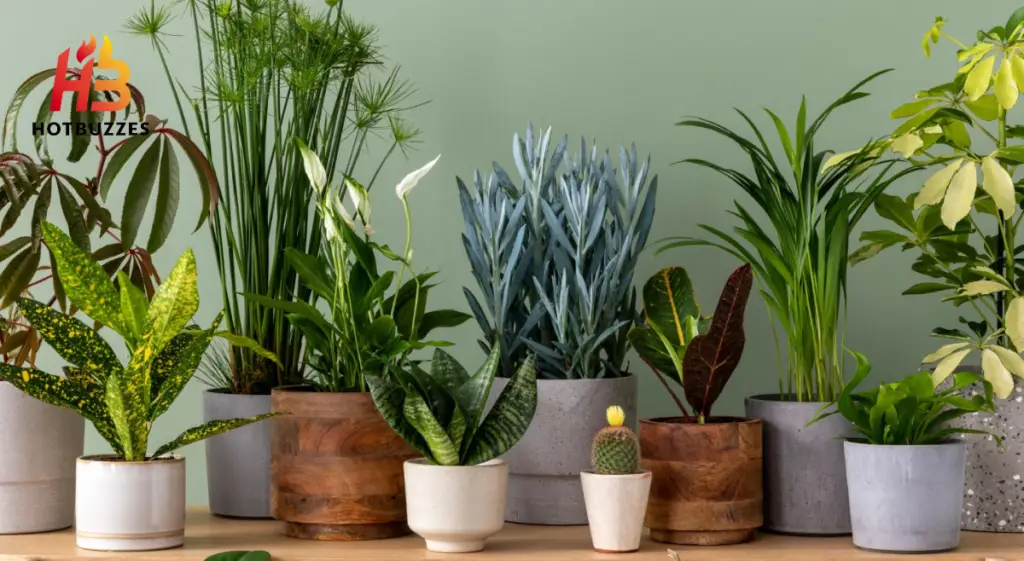
Every year, the indoor plant world shifts. Some plants that dominated social media feeds a couple of years ago have settled into the background, while others are suddenly everywhere, in interior design magazines, on plant shop shelves, and in the feeds of every plant account worth following.
2026 is shaping up to be a particularly interesting year for houseplants. According to Grow Tropicals’ 2026 trend report, plant enthusiasts are moving away from frenzied collecting of whatever is hyped online and toward more curated, intentional choices, plants that offer genuine visual impact, suit modern interiors, and do not require impossible levels of care to stay looking good.
Thursday’s houseplant trend guide puts it well: the 2026 trends are defined by adaptability, sustainability, and visual character rather than novelty alone. Whether you are starting your first plant collection or refreshing a space that has grown too familiar.
This list covers the ten plants generating the most attention and excitement this year, with care basics for each, so you know exactly what you are taking on.
1. Ficus (The Genus of 2026)
The ficus genus has been named the international houseplant of 2026 by multiple major plant industry voices, as reported by Love That Leaf’s 2026 trend roundup. That covers a wide range of plants, so here is what is specifically generating excitement this year.
The Fiddle Leaf Fig (Ficus lyrata) remains a statement piece that defines a room. Soltech’s 2026 interior plant guide describes it as the top plant pick for warm neutral interiors in 2026. Its bold, upright structure anchors a room without adding visual clutter, making it the perfect architectural centerpiece for homes moving away from the stark minimalism of recent years.
But more exciting for 2026 is the Ficus triangularis, sometimes called the triangle ficus or triangle leaf fig. According to Pasquesi Home and Gardens, this plant, described as the cousin of the much-loved Monstera, is set to become a star this year. Its unique triangular leaves grow on compact, upright stems, and the variegated version features each leaf edged in creamy white, making every single leaf different from the last.

Costa Farms calls it one of the coolest plants on the market, an easy-care plant that is tougher than many other ficus varieties and reaches around 4 feet indoors. Plantsome notes it is a moderate air purifier and thrives in bright indirect light, with watering only when the top two to three inches of soil feel dry.
Care at a glance: Bright indirect light. Water when the top two to three inches of soil are dry. High humidity preferred. Do not move frequently as ficus dislike being relocated. Learn how to revive a dying plant with simple step-by-step tips to restore its health and encourage new growth.
2. Top 10 Houseplants in 2026: Alocasia Silver Dragon
If there is one plant generating the kind of breathless attention that previously belonged to variegated monstera, it is the Alocasia Silver Dragon. And with good reason.
Urbane Eight’s 2026 plant trend guide lists the Alocasia Silver Dragon as one of the standout plants for 2026, describing it as an exotic plant with metallic-looking leaves that add visual magic indoors. The appeal is immediately obvious: the leaves have a heavily textured surface that genuinely resembles dragon scales, colored in silvery-green with dark contrasting veins running through them.
According to LiveTrends Design Group, the Alocasia baginda Silver Dragon originates in the jungles of Indonesia, where it thrives in indirect sunlight and high humidity well below the jungle canopy. Taylor R Moon’s care guide explains that it is a hybrid between Alocasia baginda ‘Silver’ and Alocasia baginda ‘Dragon Scale’, bred specifically to combine the best visual features of both parent plants.
Grow Tropicals’ 2026 trend report places Alocasia firmly in the “Hardy and Handsome” category, defining 2026 collections, plants that maintain a refined, designer aesthetic even when care routines are inconsistent. For collectors, the silver dragon hits a sweet spot between genuinely special and genuinely manageable.
Care at a glance: Bright to medium indirect light. Allow soil to partially dry between waterings. Humidity above 50% preferred. Temperatures between 15 and 30 degrees Celsius. Fertilize every four to six weeks in spring and summer.
3. ZZ Plant (Zamioculcas zamiifolia)
The ZZ plant is not new. It has been around in indoor plant collections for years. But in 2026, it is specifically trending because it perfectly represents the shift happening in plant culture right now, away from high-maintenance novelties and toward plants that are genuinely beautiful and genuinely easy.
Urbane Eight describes the ZZ plant simply and accurately: nearly indestructible, with glossy foliage. Pasquesi Home and Gardens adds that it is characterized by thick, waxy green leaves and stores water in underground rhizomes, potato-like roots, making it a perfect option for travelers or anyone who forgets to water regularly.
Thursd identifies ZZ as one of the plants that will stay on trend through 2026, specifically because it delivers real benefits with minimal maintenance, adapts to varying indoor conditions, including low light, and looks consistently good in almost any interior style.
What makes the ZZ plant particularly relevant for 2026 is that new varieties have expanded what was once a single-look plant into a more interesting category. The Raven ZZ with its almost black foliage fits perfectly into the dark, dramatic interior palettes that Soltech identifies as a key 2026 trend, deep tones like mahogany and midnight teal requiring plants that handle lower light while maintaining visual drama.
Care at a glance: Low to medium indirect light. Water only when the soil is completely dry, every two to four weeks in summer, once a month or less in winter. No humidity requirements. Avoid overwatering at all costs.
4. Philodendron Birkin
The Philodendron Birkin is having a major moment in 2026, and it deserves every bit of the attention it is getting. Urbane Eight highlights the Philodendron Birkin as one of 2026’s standout statement foliage plants, a compact plant with striking white pinstripes running through its dark green leaves.
The striping pattern is different on every single leaf and changes as the plant matures, which makes it endlessly interesting to watch grow over time. Gardening Know How’s expert guide for 2026 notes that the Birkin philodendron is among the plants receiving strong expert endorsement for 2026, praising its variegated foliage as a standout feature in any interior.
It is also available now in self-watering pot options from major retailers, making it even more accessible for plant owners who want the visual reward without constant monitoring. Grow Tropicals places Philodendron firmly in 2026’s variegated plant trend, a category defined by genetic mutations that cause sections of leaves to lack chlorophyll, creating distinctive cream, white, and yellow patterns.
Variegated plants are described as reflecting a growing sophistication among plant enthusiasts who understand that variegation is a complex biological phenomenon, not just a decorative feature.
Care at a glance: Bright indirect light. Water when the top inch of soil is dry. Average household humidity is fine, though it appreciates some extra moisture. Feed monthly during the growing season. Compact growth habit makes it ideal for desks and shelves.

5. Pothos (The Classic Making a Comeback)
Pothos had its huge moment during the pandemic indoor gardening boom of 2020. Then it got so common it almost became invisible. But in 2026, it is coming back, and in more interesting varieties than the standard golden pothos most people know.
Gardening Know How’s 2026 expert panel has multiple editors predicting a pothos comeback this year. Content editor Kayleigh Dray specifically names pothos as one of her top picks for 2026, and other experts on the panel point to new varieties as the reason this familiar plant feels fresh again.
Thursday lists pothos relatives as among the trending plants right now, noting that newer cultivars with different leaf patterns and colors are bringing new energy to a plant family that was in danger of becoming furniture rather than a focal point.
The varieties generating the most interest include Pothos Njoy with its bold green and white contrast, Pothos Cebu Blue with silvery-blue foliage that looks almost metallic in good light, and the increasingly popular Pothos Global Green with its interior pattern of two shades of green on each leaf. Its comeback, ease of care, and growing variety selection are exactly why Pothos earns its place on the Top 10 Houseplant list for 2026.
Care at a glance: Low to bright indirect light. Water when the top two inches of soil are dry. Tolerates a wide range of conditions. One of the easiest trailing or climbing plants available. Grows quickly in the right conditions and propagates extremely easily in water.
6. Top 10 Houseplant in 2026: Snake Plant (Dracaena trifasciata)
Like the ZZ plant, the snake plant is not new. It has been one of the most popular houseplants in the world for years. But in 2026, it is specifically the newer varieties creating excitement rather than the classic tall green-and-yellow variety most people already own.
Thursday lists the snake plant among the plants staying on trend through 2026 due to resilience and low-maintenance beauty. Urbane Eight echoes this, noting that snake plants remain trending in 2026 specifically because they are tough and tolerant while delivering genuine visual value.
The varieties drawing the most attention include the Moonshine snake plant with its pale, silvery leaves that look almost illuminated in good light, perfect for the warm neutral interior trend Soltech identifies as dominant for 2026.
The cylindrical snake plant with its round, spear-like leaves is also generating interest as an architectural statement piece rather than a standard houseplant. And the Bantel’s Sensation with its narrow leaves and white vertical stripes sits comfortably in the variegated plant trend.
Care at a glance: Low to bright indirect light. Water every two to four weeks in summer, once a month or less in winter. Not fussy about humidity. Extremely forgiving of neglect. Keep away from pets and children, as it is mildly toxic if ingested.
7. Top 10 Houseplants in 2026: Anthurium
Anthuriums are having a genuine moment in 2026, and it is easy to see why. In a year when plant trends are defined by drama, texture, and living art, anthuriums deliver all three.
Dennis’ 7 Dees’ 2026 houseplant list includes anthurium as one of the definitive houseplants for 2026, noting that houseplants with strong, reliable flowers are hard to come by, and anthurium is exactly that. The spade-like flowers, called spathes, bloom in a range of colors from gothic maroon and electric red through peachy coral and pure white, and each bloom lasts for months rather than days.
Grow Tropicals highlights anthurium as one of the most popular plants in their collection, a consistent seller that combines foliage interest with flowering ability. The Anthurium Michelle variety has even been shortlisted for Plant of the Year 2026 at the RHS Chelsea Flower Show, which gives a sense of just how seriously the horticultural industry is taking this plant right now.
Beyond the flowers, anthurium leaves deserve attention, too. The waxy, deep green heart-shaped leaves catch light in a way that looks almost artificial, and larger varieties produce genuinely dramatic foliage that would work as a statement plant even if they never flowered at all.
Care at a glance: Bright indirect light encourages flowering. Water when the top two inches of soil are dry. High humidity preferred, 60% or above. Feed with a phosphorus-rich fertilizer every month during spring and summer to encourage blooms. Toxic to pets and humans if ingested.
8. Calathea and Prayer Plants
Calatheas and prayer plants have had a complicated reputation in the houseplant world: beautiful but notoriously fussy, capable of browning and crisping at the first hint of low humidity or tap water. In 2026, they are trending again, partly because plant owners have gotten better at understanding what these plants need and partly because newer, hardier cultivars have made them more accessible.
Urbane Eight identifies calatheas and prayer plants as a key texture trend for 2026, plants that feel tactile and visually complex, adding depth and personality to a space without overwhelming it. The movement of prayer plants, which fold their leaves upward in the evening and lower them again in the morning, adds a living quality to indoor spaces that no other common houseplant provides.
Soltech places calathea in the cocooning interior design movement of 2026, deep, rich interior palettes that require plants capable of thriving in lower light while delivering high visual drama. Calathea orbifolia, with its broad silver-striped leaves, Calathea medallion, with its burgundy undersides, and the peacock plant, with its intricate leaf patterns, are all generating particular interest.
Their visual drama, renewed accessibility, and rising design relevance are what secure calathea and prayer plants a spot among the Top 10 Houseplants in 2026.
Care at a glance: Medium to low indirect light. Keep soil consistently moist but not waterlogged. High humidity is essential, above 60%. Use filtered or rainwater rather than tap water, as calathea are sensitive to fluoride and chlorine. Feed monthly at half strength during the growing season.
9. Bird of Paradise (Strelitzia reginae and Strelitzia nicolai)
The bird of paradise has been building momentum for a few years, and 2026 is the year it fully arrives as a mainstream statement plant. Urbane Eight places the bird of paradise firmly in the living art category for 2026, plants that act like furniture or art pieces, creating focal points in open-concept rooms and bringing biophilic design into everyday living spaces.
Its large, tropical silhouette is bold enough to anchor a room on its own. Pasquesi Home and Gardens specifically highlights the White Bird of Paradise (Strelitzia nicolai), describing it as resembling royalty with glossy, broad leaves that grow tall and are shaped like birds in flight.
Native to subtropical South Africa, it grows best in bright indirect light and can adapt to more diffused light conditions as it matures. Soltech calls the bird of paradise the top plant pick for biophilic design in 2026, a movement focused on the human need to connect with nature indoors. Its wild, generous form feels genuinely natural in a way that smaller, more contained plants cannot replicate.
The smaller Strelitzia reginae, the variety that produces the famous orange and blue bird-shaped flowers, is also trending, particularly for bright south-facing rooms where it can receive enough light to actually bloom indoors.
Care at a glance: Bright indirect to some direct morning sun. Water thoroughly when the top two inches of soil dry out. Average household humidity is fine for established plants. Feed monthly during spring and summer with a balanced fertilizer. Needs a large pot and space to spread as it grows.

10. Asparagus Fern (Asparagus setaceus / Asparagus densiflorus)
This one is a surprise entry for 2026, but it appears consistently across multiple trend lists and for good reasons that make complete sense once you understand the direction interior design is heading this year.
Dennis’ 7 Dees lists asparagus ferns as one of the definitive houseplants for 2026, calling them whimsical and enchanting, by far one of the easiest indoor ferns to grow, thriving with regular water and moderate light levels while tolerating small dry spells far better than true ferns.
Soltech places asparagus ferns in the biophilic design trend for 2026, noting that their fine, delicate, feathery foliage adds a peaceful, elegant touch that feels restorative. The description fits perfectly with how plant owners are thinking about their indoor spaces in 2026, less about collecting trophies and more about creating environments that feel genuinely calming and alive.
Despite the name, asparagus ferns are not true ferns. They belong to the Asparagaceae family, the same family as garden asparagus, and as a result, they are significantly more tolerant of dry conditions than true ferns, which makes them far more beginner-friendly while still providing that lush, airy, cascading texture that ferns are loved for.
Care at a glance: Bright indirect light. Keep soil consistently moist but not waterlogged. Moderate humidity is appreciated but not essential. Feed every two to four weeks with a balanced liquid fertilizer during the growing season. Looks spectacular in hanging baskets where the arching fronds can cascade freely.
What the 2026 Houseplant Trends Tell Us
Looking at all ten plants on this list, a few clear themes emerge that reflect what plant owners want from their indoor gardens in 2026. Drama and texture are at the forefront of most purchasing decisions. Get your Monstera growing again with simple care tips that promote healthy new leaves and stronger growth.
Plants with unusual leaf shapes, interesting surface textures like the Alocasia Silver Dragon, bold stripe patterns like the Philodendron Birkin, or sculptural silhouettes like the bird of paradise are all generating the most interest.
Urbane Eight sums it up neatly: texture is one of the biggest design trends for 2026, and plants are a primary vehicle for it. Biophilic design is influencing everything. The idea of plants as integral parts of interior architecture rather than accessories is shaping which plants people buy, how they display them, and what size they choose.
Soltech notes that in 2026, the trend is shifting toward fewer, larger statement plants that act as focal points rather than cluttered collections of small pots.
FAQs
Q1: Which of these plants is best for a complete beginner in 2026?
The ZZ plant, snake plant, and pothos are the most forgiving of the ten. All three tolerate low light, survive irregular watering, and are widely available in garden centers and online shops. Any of them is a reliable starting point.
Q2: Which plant on this list is best for a dark room with little natural light?
The ZZ plant and snake plant both handle low light better than any of the others. The Raven ZZ, in particular, looks stunning in dark interiors and handles genuinely low light conditions without significant decline.
Q3: Which plant is most likely to impress other plant collectors in 2026?
The Alocasia Silver Dragon is the plant generating the most collector excitement this year. Its unusual foliage is genuinely striking; it is still not as widely available as mainstream plants, and it photographs exceptionally well.
Q4: Are any of these plants pet-safe?
Pothos, calathea, prayer plants, and asparagus ferns are considered lower risk around pets, though no common houseplant is completely safe if ingested in large quantities. Anthurium, ZZ plants, snake plants, philodendron, and alocasia are toxic to pets and should be kept out of reach of cats and dogs.
Conclusion
The houseplant trends of 2026 are less about chasing the newest thing and more about choosing well. The plants on this list reflect a maturing plant culture, one that values genuine beauty, real practicality, and plants that earn their place in a room by looking good month after month rather than being forgotten after the initial novelty wears off.
Whether you are drawn to the metallic drama of the Alocasia Silver Dragon, the elegant simplicity of an asparagus fern in a hanging basket, or the proven reliability of a ZZ plant on a dark shelf, 2026 has something worth adding to your collection.
The best plant is always the one that thrives in your specific space, so start with the conditions you have, match a plant from this list to them, and go from there.

Ali Hassan is a plant enthusiast and content writer who creates practical, easy-to-follow articles about plant care, gardening, and indoor plants. He combines thorough research with reliable horticultural resources to provide accurate, beginner-friendly advice. His goal is to help readers grow healthier plants and make plant care simple, enjoyable, and accessible for everyone.