
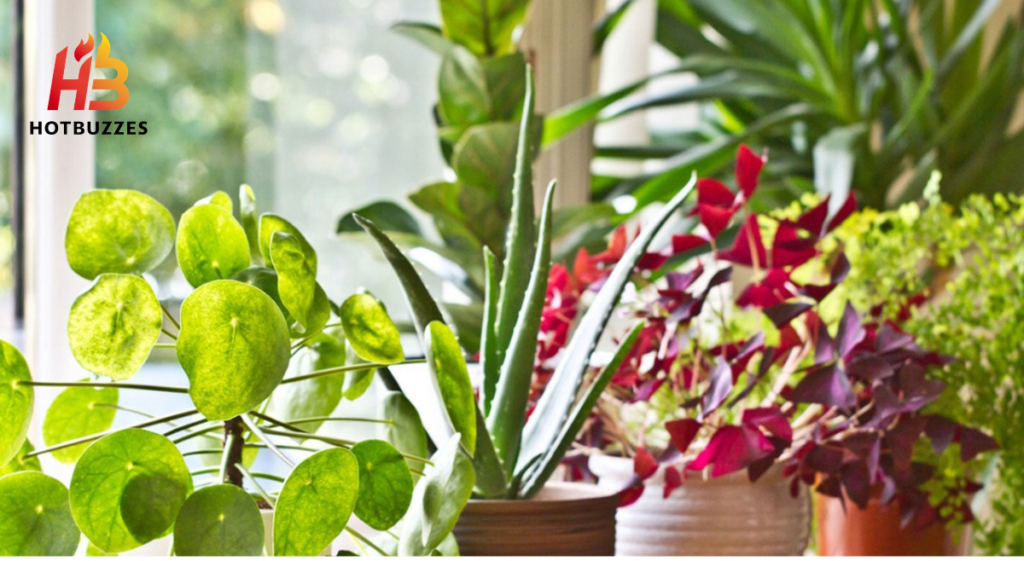
There is a specific kind of plant owner guilt that most travellers know well. You leave for ten days, you come home, and the peace lily has collapsed into a heap of limp brown leaves that looks nothing like the plant you left behind. Or worse, you find something musty and root-rotted that clearly started dying within the first week of your absence. You throw it away, tell yourself plants are not compatible with your lifestyle, and the windowsill stays empty for the next six months until something catches your eye at the garden centre and the cycle begins again.
The problem was never your lifestyle. The problem was the plant. Some plants are genuinely designed through millions of years of evolution in harsh environments to survive extended periods without water or attention. They can even cope when no one remembers to open the curtains. Matching your plant collection to your actual travel schedule rather than the one you aspire to have is all it takes. It helps you keep living plants in your home regardless of how often you leave.
This guide covers the specific plants that genuinely survive being left alone for one week, two weeks, three weeks, or more. First, it provides honest survival timelines. Next, it explains the biology behind each plant’s survival capability. Finally, it shares practical strategies for extending survival before a long trip. It also recommends the best plant combinations for different travel patterns.
The Three Biological Traits That Separate Traveller-Proof Plants From Everything Else
Not all low-maintenance claims are equal. Many plants described as low maintenance need watering every seven to ten days. That works for someone who is home most evenings. However, it is not practical for anyone who travels for work, takes regular holidays, or splits time between two locations. Genuinely traveller-proof plants share one or more of three specific biological adaptations that most houseplants simply do not have.
Structural water storage.
Succulents, cacti, ZZ plants, ponytail palms, and aloe vera all store significant amounts of water in dedicated tissues. These include leaves, stems, caudices, and underground rhizomes. When environmental water is unavailable, they draw from these reserves rather than immediately showing stress. The ZZ plant’s underground rhizomes are described by AOL’s set-and-forget plant guide as looking like small potatoes; the plant stores water in these structures, allowing it to survive for weeks or even months without a drink.
CAM photosynthesis.
Crassulacean acid metabolism allows certain plants to keep their stomata closed during the day. Stomata are the tiny pores through which gas and water exchange occurs. They open only at night. Standard C3 plants lose water through open stomata during daylight hours continuously. CAM plants dramatically reduce this water loss by timing their gas exchange for the cooler, more humid night-time hours. The result is a plant that uses water at a fraction of the rate of most houseplants. Explore the top houseplants for cyclists that combine style, resilience, and easy care.
Reduced metabolic rate in low light.
Some plants actively reduce their metabolism, and therefore their water consumption, when light levels drop. Rather than showing signs of stress in dim conditions, they simply slow everything down and wait. This trait makes them perfectly suited to a closed-up home where curtains are drawn, and light is minimal.
Design Plant’s travel care guide captures the three critical traits succinctly: drought tolerance, humidity flexibility, and light adaptability. Plants with all three characteristics are genuinely traveller-proof. Plants with only one or two remain risky for any absence longer than a week.

The Honest Absence Timeline: How Long Each Type Can Actually Survive
The most useful information for a traveller is not a list of low-maintenance plants but a realistic timeline of how long each can genuinely be left without any care. My Tasteful Space’s personal experience guide provides the most honest long-term perspective available; the author has owned a ponytail palm for nineteen years, a ZZ plant for fifteen years, and a desert candle for eighteen years, all surviving multiple extended trips and life changes. The track record of these three plants across nearly two decades of occasional neglect is more informative than any care guide.
One to two weeks: Almost any reasonably drought-tolerant plant survives this absence without preparation. Pothos, philodendron, snake plant, spider plant, and heartleaf philodendron all handle one to two weeks without watering in average home conditions without visible decline.
Two to three weeks: This is where the list narrows to plants with genuine water storage. ZZ plants, aloe vera, snake plants, Haworthia, and jade plants handle this window comfortably. Design Plant confirms ZZ plants need water only every two to three weeks depending on conditions. My Tasteful Space confirms the ZZ can go up to three weeks without water and is quite forgiving when you miss a watering.
Three to four weeks: Cacti, echeveria, ponytail palm, Gasteria, and desert cacti. Design Plant specifies cacti and succulents need water only every two to four weeks — meaning a four-week absence is within their normal care window rather than an exceptional stress.
Over a month: Well-established cacti, ponytail palm in its large caudex form, and mother-in-law’s tongue (snake plant) in low light can extend to six to eight weeks without water. Design Plant notes: snake plant can go as long as two weeks to two months without water depending on conditions.
Plant 1: ZZ Plant (Zamioculcas zamiifolia) — The Traveller’s Anchor Plant
The ZZ plant is the single most recommended plant for travellers in virtually every credible source covering this topic, and for reasons that go beyond simple drought tolerance. AOL’s set-and-forget houseplant guide describes it as the definition of a set-and-forget plant. It is highly tolerant of low light, making it ideal for offices, hallways, or rooms with few windows. Its waxy leaves are not only attractive but also efficient at retaining moisture, making it incredibly drought-resistant. The recommended watering frequency is every three to four weeks — meaning even a month-long absence falls within the plant’s normal care window.
My Tasteful Space confirms fifteen years of personal ownership across multiple trips: the ZZ plant is another fantastic plant that needs little water and little light to survive. While it only needs to be watered every two to three weeks and can survive with virtually no natural light, it does thrive in bright indirect light. After fifteen years, what started as a six-inch pot had to be divided into five plants to contain it.
Closed-Home Advantage of the ZZ plant:
The closed-home advantage of the ZZ plant is specific and worth understanding. When a traveller closes curtains, draws blinds, and leaves the home in semi-darkness for an extended period, most plants experience stress from the reduced light. The ZZ plant responds differently. It slows its metabolism and reduces its water consumption. This extends its survival without watering rather than shortening it. A ZZ plant left in a dim home with drawn curtains for three weeks may be in better condition on return than one left in a bright sunny spot for the same period. The reduced light suppresses its metabolic rate and water use at the same time.
BHG’s drought-tolerant plant guide confirms: the leathery leaves of ZZ plant almost look plastic because they are so waxy and moisture-retaining — a visual indicator of the leaf structure that prevents water loss.
Absence tolerance: Three to six weeks without preparation. Over a month in low-light closed-home conditions. What it asks for on return: A thorough watering once home. No special recovery care. Unique traveller advantage: Reduced light from drawn curtains reduces its water consumption. The closed home conditions that stress most plants actually extend its survival window.
Plant 2: Snake Plant (Dracaena trifasciata) — Reliability Across Every Trip Length
The snake plant is the most versatile traveller’s plant because it covers the complete range from one-week business trips to two-month sabbaticals with the same reliability across all durations. Better Homes and Gardens’ drought-tolerant guide specifies that the snake plant can survive weeks without moisture. It does well in both low and bright light conditions and can grow as tall as four feet. Brightly’s drought-tolerant plant guide describes it as a real survivor and a top choice for travellers — it can go weeks without water, and its ability to handle dry conditions makes it a great choice for forgetful plant parents.
Ultimate survivor for travellers:
Design Plant identifies the snake plant as the ultimate survivor for travellers. It can go two weeks to two months without water, depending on the conditions. This makes it incredibly tolerant of neglect. It also adapts to both low and high light environments. You can place it almost anywhere in your home without worry.
The specific care instruction that prevents the most common snake plant mistake during long absences: the Better Homes and Gardens guide states that if you’ve struggled to keep plants alive, this hearty houseplant tolerates low light, low humidity, and infrequent watering. The key instruction is to allow the soil to dry out completely between waterings and avoid overwatering. The traveller who waters generously before leaving — out of protective instinct — is more likely to return to a rotted plant than one who waters normally and trusts the plant’s drought tolerance.
My Tasteful Space endorses the snake plant as the go-to plant for people looking for low maintenance and variety at the same time, noting personal ownership of multiple specimens across years of travel.
Absence tolerance: Two weeks minimum, up to two months in established plants with good soil drainage. What it asks for on return: Normal watering once the top two to three inches of soil are completely dry. Unique traveller advantage: Adapts to both low and bright light without any repositioning before leaving — place once, leave it there regardless of how long you are gone.
Plant 3: Cacti and Succulents — For the Traveller Who Is Rarely Home
For travellers who spend more time away than at home — who travel for work for extended periods, live between two properties, or take several long trips per year — cacti and succulents are the only realistic category of houseplant. Design Plant gives the clearest characterisation: cacti and succulents like Echeveria are champions of survival, needing water only every two to four weeks. They thrive in bright sunlight and rely on stored water, making them perfect for anyone who travels often.
Good option for travellers:
Brightly identifies the jade plant as a particularly good option for travellers who often forget to water. It stores water in its thick leaves and can survive several weeks without additional watering. Brightly also recommends the zebra Haworthia. It can withstand long periods without water because of its succulent leaves. Its striking striped pattern also makes it visually distinctive alongside the more common cacti.
The BHG drought-tolerant guide identifies Gasteria bicolor, also called ox tongue, as a drought-tolerant plant with rough-textured, gray-green leaves. It handles long periods without water in bright light. It can also go for weeks without water in winter. This is a genuinely underknown succulent. It deserves more attention from travellers who want visual interest beyond the standard echeveria and cactus options.
The one non-negotiable requirement for all cacti and succulents is bright light. They need it to maintain healthy water storage tissue. Design Plant specifies they thrive in bright sunlight. A succulent left in a dim room with curtains drawn for four weeks will not develop root rot. However, it will etiolate. It will stretch toward whatever light is available and lose the compact, dense form that makes it attractive. Travellers who draw all the curtains before leaving should place succulents and cacti on the brightest windowsill. This allows some light to reach them even through the drawn curtains.

Absence tolerance: Four to eight weeks for established cacti. Three to six weeks for most succulents. What they ask for on return: Allow the soil to be completely dry before watering. One thorough watering is sufficient for most. Unique traveller advantage: The longer the absence, the closer you get to the plant’s normal watering interval — meaning a six-week trip is within the natural care window of most established cacti.
Plant 4: Aloe Vera — Practical Survival and Practical Use
Aloe vera belongs on every traveller’s plant shortlist for two distinct reasons. First, it is genuinely drought-tolerant with water stored in its fleshy leaves. Second, it is the most practically useful plant a traveller can own — providing instant topical treatment for sunburn, minor cuts, and skin irritation from new environments that travel reliably introduces.
The BHG / Veranda low-maintenance guide lists aloe vera among the plants that can go for weeks without watering, with many able to go a month or more without a drink in established specimens. The BHG drought-tolerant guide confirms aloe stores water in its thick leaves and can survive several weeks without care — a description that suits every travel pattern from weekend trips to month-long sabbaticals.
The topical utility of aloe during travel is specific and worth noting. Travellers often experience sunburn from unfamiliar climates. They may also develop minor skin reactions or small abrasions during their trips. A healthy aloe vera plant produces gel that is more potent than bottled versions. The active compounds in the gel, primarily acemannan, begin degrading immediately after extraction. Breaking a leaf from a healthy plant after returning from a sunny trip provides one of the most effective topical applications available from any houseplant.
Positioning Requirement:
The positioning requirement for aloe is the most specific of any plant on this list. It needs a genuinely bright position. Ideally, place it on a south or west-facing windowsill that receives several hours of direct light each day. In this position, the plant maintains firm, upright leaves and healthy gel reserves. This makes it both attractive and useful. In lower light, aloe elongates. The leaves become thin and contain less gel. It survives but does not thrive. Its topical usefulness also declines as the gel content decreases.
Absence tolerance: Three to four weeks in warm, bright conditions. Longer in cooler or lower light positions where metabolism slows. What it asks for on return: Check the soil is completely dry before watering. In summer particularly, do not water on return without checking — the plant may not need it yet. Unique traveller advantage: Practical topical use for sunburn and minor skin reactions makes it the only houseplant with a functional return-from-travel application.
Plant 5: Ponytail Palm (Beaucarnea recurvata) — For the Long-Haul Traveller
The ponytail palm is not a true palm — it is a member of the Asparagaceae family and stores water in its swollen, bulb-like base called a caudex. This water reservoir makes it one of the most drought-tolerant large houseplants available and the most appropriate plant for travellers who take genuinely extended absences.
Costa Farms’ low-water plant guide describes the ponytail palm as a plant whose fattened stem actually stores water, giving it its own reservoir to draw from during times of drought. It likes bright light and grows slowly, so it will not take over a living room, a practical space management note for travellers who want a statement plant without ongoing size management.
My Tasteful Space references personal ownership of a ponytail palm for nineteen years, a track record that includes multiple extended trips and periods of neglect without plant loss. At nineteen years of age with regular travel, the plant is still growing steadily. The caudex stores enough water that established ponytail palms can go six to eight weeks or longer without watering. For travellers who take summer sabbaticals, work abroad for extended periods, or regularly spend month-long stretches away, the ponytail palm is the floor plant that genuinely accommodates the absence rather than merely tolerating it.
Traveller Advantage:
The slow growth rate is a specific traveller advantage. Many large floor plants (rubber plants, fiddle leaf figs, monstera) grow aggressively in good conditions, requiring repotting and management every one to two years. The ponytail palm grows at a fraction of this rate, meaning an established specimen stays appropriately sized for its space for years without any intervention.
Absence tolerance: Six to eight weeks for established plants in normal home conditions. What it asks for on return: Water deeply once home. Allow to dry completely before watering again. Unique traveller advantage: Caudex water storage accommodates the longest travel absences of any common decorative houseplant. Slow growth means no urgent size management to handle on return.
Plant 6: Philodendron — Forgiving Recovery After Longer Absences
The heartleaf philodendron and its relatives earn a place on this list not for their ability to survive the longest absences — they cannot compete with cacti or ZZ plants on that measure — but for their ability to recover rapidly and visibly after coming back from extended stress. BHG’s resilient houseplants for frequent travellers guide identifies philodendrons as incredibly adaptable plants capable of surviving less-than-ideal conditions. Critically: if their leaves do wilt a little, they will perk back up quickly after watering. This rapid recovery response is specifically useful for travellers because it means the plant communicates clearly that it needs water, drooping visibly and reverses that communication equally clearly within hours of being watered.
The rapid visual recovery after neglect is psychologically significant for travellers who feel guilty about plant welfare. Coming home to a ZZ plant that looks unchanged does not provide feedback about whether the absence was within or outside the plant’s tolerance. Coming home to a philodendron that droops noticeably but recovers fully within an hour of watering provides clear communication: the absence was borderline, but the plant handled it.
BHG’s resilient houseplants guide specifies care: water every two weeks, less in winter, in bright indirect light. Overwatering is more likely to cause issues than underwatering — the standard instruction for most travellers who tend to pre-water generously before leaving. Discover the hottest houseplant trends of 2026 and find the perfect plant for your home.
Absence tolerance: Two weeks consistently. Three weeks in cooler or lower light conditions. What it asks for on return: Water immediately on finding it drooping. Recovery is visible within one to two hours. Unique traveller advantage: Clear and reversible stress signalling removes the guesswork about whether an absence was within tolerance. The plant tells you directly.
Plant 7: Spider Plant (Chlorophytum comosum) — The Safe Option for Pet Owners Who Travel
The spider plant occupies a specific niche in the traveller’s plant list: it is the only widely available, drought-tolerant, visually interesting plant that is completely verified as non-toxic to both cats and dogs — which matters disproportionately for travellers who leave pets at home in someone else’s care. Costa Farms confirms: spider plant can go a week or more without a drink, making it suitable for short to medium travel absences. As it matures, it sends out arching stems that produce baby plants that look like miniature versions of the parent.
The pet safety angle is specific to the traveller context. When a traveller is away, a pet sitter or family member who checks in on a home may not know which plants are toxic. A spider plant requires no special instruction — it can be left at any height in any room regardless of whether the household contains cats or dogs.
The propagation potential of spider plants provides a traveller specific benefit. The pups that trail from a mature plant can be placed in water to root independently. This gives you a growing supply of plants without any additional purchase. More plants create a more consistent living environment during absences. They do not increase care complexity because all the spider plant pups have the same simple care requirements as the parent plant.
Absence tolerance: One to two weeks without preparation. Two to three weeks with the preparation strategies below. What it asks for on return: Water when the top two inches of soil are dry. No recovery care needed. Unique traveller advantage: Non-toxic to cats and dogs — the only drought-tolerant plant on this list that requires zero special instruction to anyone caring for pets in a traveller’s absence.
Practical Strategies That Extend Every Plant’s Absence Tolerance
These techniques apply across the list and extend the absence tolerance of every plant by one to two weeks beyond their baseline capability.
Water thoroughly, then wait. The most counterproductive pre-travel watering strategy is the one most travellers use: watering everything heavily the day before leaving. This saturates the soil to a level that most drought-tolerant plants find stressful rather than beneficial. The optimal approach is simple. Water the plant normally on the day before leaving. Use the same amount you would on any regular watering day. This gives the roots access to moist soil without creating waterlogged conditions. It also reduces the risk of root rot during your absence.

Move plants away from direct sun.
Direct sunlight significantly accelerates water evaporation from both the soil surface and the plant’s leaves. Moving drought-tolerant plants slightly back from south- and west-facing windows before leaving extends their survival without watering by three to seven days. Move them from direct sun to bright indirect light. No other changes are needed.
Group plants together.
Clustered plants create a microclimate of elevated humidity around each other through collective transpiration. Grouping all the houseplants in one location before leaving reduces individual evaporation rate for each plant and extends the effective absence window. ClassyPlants’ air-purifying plant guide confirms that grouping plants creates a stronger combined humidity effect, the same mechanism that extends survival during absences.
Use self-watering devices for medium-duration absences.
For absences of two to four weeks, terracotta watering spikes can help plants that are otherwise borderline survivors. These small ceramic cones release water slowly from an inverted bottle. They can extend the without-care period of most houseplants by seven to ten days. They are inexpensive, reusable, and only need refilling before you leave.
BHG’s resilient houseplants for travellers guide recommends four key steps for keeping potted plants watered during vacations. Among them, slow drip devices are the most consistently effective for medium-length absences.
Reduce temperature where possible.
Lower indoor temperatures slow plant metabolism and water use. Leaving the heating on a lower setting reduces the water consumption of every plant in the home. You can also switch it to frost protection only. Neither approach poses a risk to the plants on this list. A temperature drop of five to ten degrees Celsius in a closed home reduces the watering needs of most houseplants by twenty to thirty percent.
Building a Travel-Proof Collection: The Combination That Works
A travel-proof home plant collection is not built around the most interesting plants available. It is built around a core of genuinely drought-tolerant plants supplemented by occasional self-watering systems for plants that add specific value but have shorter absence tolerance.
The core collection for any travel pattern involves three anchor plants. Place a ZZ plant in any lower light position. Keep a snake plant in any medium light position. Position a cactus or succulent grouping on the brightest available windowsill. Together, these three categories suit every room orientation. They also cover absences from one week to two months and every care routine, from meticulous to completely irregular.
For travellers who want trailing plants or more visual variety, pothos and philodendron are good additions. They extend the collection without greatly increasing care needs. They can handle absences of up to two weeks. Adding a self-watering spike to each pothos or philodendron pot before leaving can extend their tolerance by another week. This covers most standard travel durations.
The one category that does not belong in a regular traveller’s home collection includes ferns, calathea, peace lily, and other moisture-dependent plants. These plants are not forgiving of missed watering. They decline quickly in closed, dry homes. They are beautiful and offer real benefits. However, they are better suited for homes where someone is present regularly rather than homes where people are frequently absent.
FAQs
Q1: What is the absolute longest any houseplant can be left without water?
Design Plant confirms snake plants can go as long as two months without water in the right conditions. Established ponytail palms and desert cacti extend this further. These are genuine outer limits for healthy established plants in cool, dim conditions — not an invitation to test them casually.
Q2: Should I ask someone to water my plants when I am away?
For absences up to three weeks with the plants on this list, no. The risk of an uninstructed person overwatering a drought-tolerant plant is higher than the risk of underwatering. A short note is safer. Write: water only if the soil is bone dry all the way down. Avoid giving a standing instruction to water weekly.
Q3: Does leaving the curtains open or closed affect plant survival?
Yes significantly. Open curtains in summer allow direct sun to accelerate soil evaporation dramatically, potentially reducing a ZZ plant’s two- to three-week window to ten days. Slightly closed curtains reduce light to indirect levels, slowing evaporation and extending survival. For succulents and cacti, leave curtains open enough for light but not full direct sun exposure.
Q4: Can I travel with plants or bring cuttings home from trips?
Most international travel with live plant material requires phytosanitary certificates and compliance with country-specific biosecurity regulations. For casual travellers bringing home a small cutting or seedling, the risk of inadvertently introducing pests or diseases that damage ecosystems significantly outweighs the benefit of expanding a home collection. Purchase from reputable local sources instead.
Q5: My home is very warm in summer when I travel. Does this affect plant survival?
Yes. Warm temperatures increase evaporation significantly. A snake plant that survives six weeks in a cool winter home may only survive three weeks in a hot summer home. Identify your warmest rooms. Move plants to cooler positions before long summer absences. Alternatively, keep only cacti and succulents in warm south-facing rooms because they handle heat and increased evaporation better.
Q6: Are there specific pot materials that help plants survive longer without watering?
Yes. Plastic and glazed ceramic pots retain moisture longer than unglazed terracotta pots. They have no porosity, so water leaves only through evaporation from the soil surface and absorption by roots. For travellers, plastic pots extend the time between watering by twenty to thirty percent compared to terracotta pots for the same plant in the same conditions.
Conclusion
A plant collection built around water storage and metabolic flexibility is more practical than one based only on appearance. These plants are designed to handle your lifestyle. They survive your routine instead of competing with it.
The ZZ plant, snake plant, aloe vera, ponytail palm, and cacti and succulents are not compromise plants. They are visually attractive. They improve over time and fill spaces confidently. Several also provide documented environmental benefits beyond aesthetics. Their greatest advantage is the freedom to leave without guilt. You can lock the door, board the plane, and return weeks later to living plants that look as composed as they did when you left.
Build the anchor collection first. Add the moderate-tolerance plants with self-watering support for the absences where you genuinely need them. Leave the moisture-dependent plants for another stage of life when your travel schedule changes. Your plants should work for the life you have, not the one you plan to eventually live.

Ali Hassan is a plant enthusiast and content writer who creates practical, easy-to-follow articles about plant care, gardening, and indoor plants. He combines thorough research with reliable horticultural resources to provide accurate, beginner-friendly advice. His goal is to help readers grow healthier plants and make plant care simple, enjoyable, and accessible for everyone.