
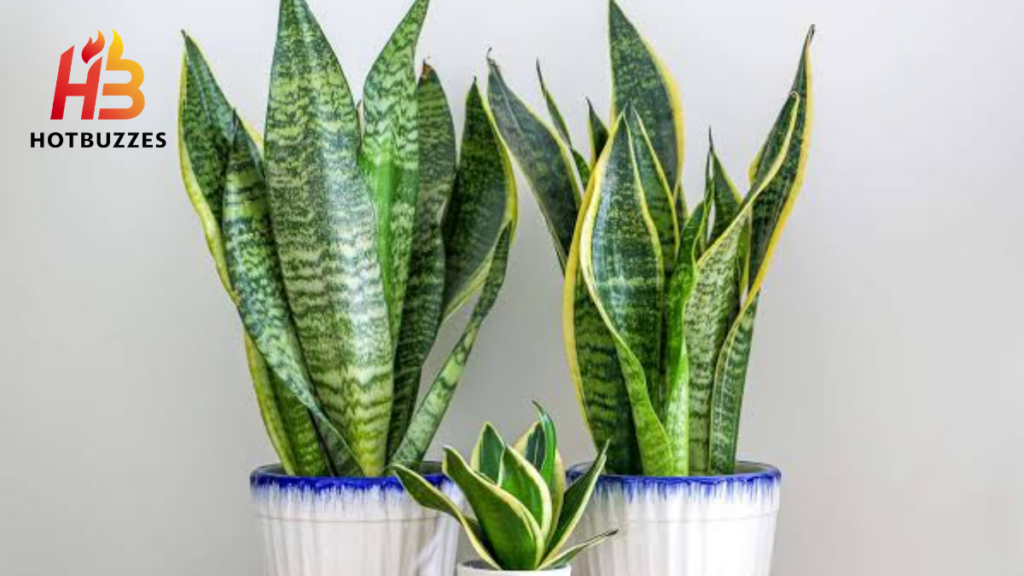
Snake plants are one of the easiest houseplants to multiply. Leaf cuttings are the method most people reach for first. A single healthy leaf can be cut into several sections. Each section has the potential to grow into a brand new plant over the following weeks. The process asks for very little in the way of tools or experience. This is exactly why it has become such a popular way to expand a plant collection or share cuttings with friends.
This guide covers both major propagation methods, water and soil. It also covers the timing, care, and common mistakes that decide whether a cutting takes root or simply rots away. It includes a side by side comparison table. A section on research backed facts explains why snake plants are such forgiving propagation subjects in the first place. It also provides practical guidance on variety selection, seasonal timing, troubleshooting, and what to do with cuttings once they have successfully rooted.
Why Leaf Cuttings Work for Snake Plants
Snake plants belong to the genus Sansevieria, now often reclassified under Dracaena. They store an unusual amount of moisture and stemmed energy inside their thick, upright leaves.
Stored Energy and Survival Without Roots
That stored reserve is what allows a cut section of leaf to survive without any roots for weeks. It can slowly form new ones. This is something most thin leaved houseplants cannot manage. This same resilience is part of why snake plants are marketed as nearly indestructible. It carries over directly into how forgiving the propagation process tends to be. This remains true even when a cutting sits without visible progress for over a month.
The Variegation Limitation
One important limit applies to variegated varieties such as Sansevieria Laurentii, which has the familiar yellow edged leaves. According to Rosy Soil, leaf cuttings taken from variegated snake plants usually lose their yellow striping and grow back as plain green. This is because the tissue responsible for that pattern does not reliably transfer through a leaf section. AOL’s propagation guide explains this in more detail. Variegated leaves actually contain two genetically different types of tissue growing side by side. These are the green and silver sections and the yellow striped sections. A leaf cutting will only reproduce whichever tissue happens to be present at the cut point rather than the full pattern.Anyone hoping to preserve variegation is better off propagating through division instead, which is covered briefly later in this guide.
What You Will Need
The supply list for this project is short. Most of it can be sourced from items already on hand. This keeps the total cost of a first attempt low. This is true even for someone with no other propagation experience.
Core Tools and Materials
A healthy, mature leaf from an established snake plant is the starting point. A clean, sharp knife or pair of scissors is also needed. For water propagation, a jar or glass container is enough. Soil propagation calls for a small pot and a fast draining potting mix. Ideally, use one built for cacti or succulents, as recommended by Joy Us Garden.
Optional Extras
A tall, sturdy pot with a drainage hole helps prevent a top heavy cutting from tipping over later. A saucer underneath catches excess runoff. This prevents it from sitting against the pot’s base. No rooting hormone or powder is required for snake plants. The leaf’s own stored reserves are generally enough to support root formation on their own.
Selecting and Cutting the Leaf
The best leaf to use is one that is mature, firm, and free of damage or discoloration.
Choosing a Healthy Leaf
Older, established leaves toward the outer edge of the plant tend to root more reliably than very young growth. They have more stored energy to draw on during the rooting process. A leaf that is at least several inches tall and shows no soft spots, yellowing, or pest damage gives a cutting the best possible starting point. Choosing a leaf from a plant that has not been recently fertilized or stressed by a move also tends to improve the odds of success.

Making the Cut
Using clean scissors or a sharp knife, cut the leaf close to where it meets the soil. From there, the leaf can be divided into several sections. Typically, these are around three to four inches long, according to Cori Sears’ propagation guide. It matters which end of each section faces down. Roots will only ever form from the end that was originally closest to the soil. Marking the bottom edge with a small notch or a diagonal cut helps avoid confusion later. A section planted upside down will not root.
Why the Angle of the Cut Matters
Cutting each section with a diagonal edge rather than a flat, straight cut is also worth doing.Cori Sears notes that angling the cut both ways into a shallow triangular point at the bottom seems to give roots more surface area to emerge from. Growers who switch to this cutting style often see noticeably better success rates. The exact biological reason is not fully settled.
Letting the Cuttings Callus
Before placing any leaf section into water or soil, it helps to let the cut end dry out slightly.
What Callusing Does
This forms a thin, dry layer over the wound called a callus, which acts as a barrier against bacteria and rot. Most guides recommend leaving the cuttings out on a paper towel or countertop for one to two days before proceeding, as suggested by RAS Network’s propagation guide. Skipping this step is one of the most common reasons cuttings turn soft and brown shortly after planting.
How Long to Wait
A shorter callusing period of about a day is often enough in a warm, dry room. A cooler or more humid environment may call for closer to two full days. Wait until the cut surface feels dry and slightly firm to the touch rather than moist.
Propagating Snake Plant Leaves in Water
Water propagation is popular because it makes the rooting process easy to watch. Learn how to keep a moss terrarium healthy with simple tips for light, humidity, watering, and maintenance.
Setting Up the Water Method
The cut end of each leaf section is placed into a jar of clean water, with roughly one quarter of the leaf submerged, while the rest stays above the waterline, according to Spider Farmer’s propagation guide. The leaf surface itself should not sit in the water, since prolonged contact encourages rot rather than rooting. The jar should then be placed somewhere with bright, indirect light, away from direct sun that could overheat the water.
Maintaining the Water
Changing the water weekly keeps it fresh and oxygenated, which reduces the risk of bacterial buildup around the cut end. Cloudy water, a sour smell, or a slimy film on the glass are all signs the water needs changing sooner than the usual weekly schedule.
Timeline for Water Propagation
Roots typically begin appearing within several weeks. Small offshoots, sometimes called pups, may follow once the root system is established. Water propagation is widely described as the slower of the two main methods. It generally takes two to four months from cutting to a rooted, plantable cutting, based on timelines shared by both Spider Farmer and Lively Root. Once roots reach a couple of inches long, the cutting can be transferred into soil. Keep it lightly and evenly moist for the first week or two while it adjusts to its new growing medium.
Propagating Snake Plant Leaves in Soil
Soil propagation skips the water stage entirely. It tends to produce a sturdier, more soil-adapted root system from the start. The roots never have to transition from water to soil later. Choose the right greenery for your terrarium with this guide to the best plants for a closed setup.
Planting the Cuttings
After the leaf sections have calloused, each one is inserted upright into a pot filled with a light, fast draining mix. Bury them about half an inch to an inch deep, following guidance from Joy Us Garden. A mix built for cacti and succulents works well. A blend of potting soil, perlite, and coarse sand also works well. Snake plants are highly sensitive to sitting in damp, poorly drained soil.
Watering During Rooting
The pot should be watered lightly right after planting and then left to dry out slightly at the surface before the next watering, since overwatering is the single most common reason soil propagated cuttings fail. Rasnetwork’s guide recommends waiting until the top inch of soil feels dry before watering again during this stage.
Timeline for Soil Propagation
Warmth plays a role in how quickly roots form. A consistent temperature in the range of roughly 70°F to 85°F encourages faster rooting, according to RAS Network. It also notes that visible roots often begin forming after six to ten weeks. New pups or top growth may sometimes take two to three months to appear. That timeline is broadly similar to water propagation. Soil grown cuttings avoid the extra step of eventually being moved from water into soil.
Water Propagation vs Soil Propagation
Both methods work, and the right choice usually comes down to personal preference rather than one method being strictly better.
Advantages of Each Method
Water propagation makes it easy to monitor root development at a glance. Nothing is hidden underground. This is part of why many beginners are drawn to it. The tradeoff is a higher chance of the cut end rotting before it roots. There is also a need to eventually transition the cutting into soil. This can be a small shock to the young roots. Soil propagation, by contrast, produces roots that are already adapted to their growing medium. They generally rot less often. However, the process is harder to observe and check on without disturbing the cutting.
Mixing Varieties
Mixing different snake plant varieties in the same pot, such as combining Sansevieria cylindrica with Sansevieria moonshine, is also easier to plan out with soil propagation. Cuttings can be arranged and spaced deliberately from the very beginning rather than transplanted in later.
Snake Plant Propagation Methods Compared
The table below summarizes the key differences between the two leaf cutting methods covered in this guide.
| Factor | Water Propagation | Soil Propagation |
|---|---|---|
| Typical rooting time | 2 to 4 months | 6 to 10 weeks for roots, 2 to 3 months for visible growth |
| Ease of monitoring | Easy, roots visible through glass | Harder, roots are hidden underground |
| Risk of rot | Higher, especially if water is not changed weekly | Lower, if soil is allowed to dry between waterings |
| Root adaptation | Requires transition from water to soil later | Roots adapt directly to soil from the start |
| Best for mixing varieties | More difficult to plan spacing in advance | Easier to arrange multiple varieties in one pot |
| Maintenance during rooting | Weekly water changes | Occasional light watering once topsoil dries |
How Long Propagation Takes
Patience is the biggest requirement in this entire process. Setting realistic expectations from the start prevents the disappointment that comes from checking on a cutting daily. You may see no obvious change for weeks at a time.
Typical Root and Growth Timelines
Root development in both water and soil generally falls somewhere between six weeks and four months. This depends on the method, the season, and the warmth and light available. Visible new growth above the soil, such as a small pup emerging beside the original cutting, tends to lag behind root development itself. It can take an additional month or two to appear once roots are established.
Avoiding the Urge to Check Too Often
It helps to resist the urge to check on progress too often. Tugging gently on a cutting to see if roots have formed is one of the easiest ways to damage fragile new roots. They may not have had a chance to anchor properly.
Common Mistakes to Avoid
A handful of repeated mistakes account for most failed snake plant cuttings. Most of them come down to timing or moisture. They do not require any advanced technique.
Planting the Wrong End Down
Planting a leaf section upside down is one of the most common mistakes. The wrong end faces into the soil or water. This prevents roots from forming at all. This happens no matter how long the cutting is left in place.
Skipping Callusing and Overwatering
Skipping the callusing step is another frequent issue. A fresh, uncured cut is far more vulnerable to rot once it meets moisture. Overwatering is just as damaging in soil propagation as it is in a mature snake plant. Letting the topsoil dry out between waterings is essential rather than optional. In water propagation, letting the water sit too long without changing it invites bacteria and a sour smell. Both increase the odds of the cutting rotting before it roots.
Expecting Variegation to Transfer
Expecting variegated patterns to carry over through leaf cuttings is a common source of disappointment. As covered earlier, variegated snake plants typically grow back as solid green from a leaf cutting, and division is the more reliable method for anyone who wants to preserve the original pattern.
Caring for New Cuttings After Rooting
Once a cutting has developed a healthy root system and is planted in its own pot, care mirrors that of a mature snake plant, and no major adjustments are needed once the transition from propagation to normal growth is complete.
Light and Watering Once Established
Bright, indirect light suits it best, and the soil should be allowed to dry out substantially between waterings, since snake plants are far more tolerant of underwatering than overwatering.
Settling in Without Disturbance
New cuttings benefit from being left undisturbed for the first few weeks in their new pot. This gives the roots time to settle in before any repotting or rearranging. Fertilizer is not needed during this early stage. The young plant is still relying largely on the reserves stored in the original leaf section.
Research-Based Facts About Snake Plants and Propagation
Beyond the step by step process, a few documented facts explain why snake plants behave the way they do during propagation and beyond, grounding the plant’s reputation for toughness in real botanical research rather than just anecdote.
CAM Photosynthesis and Nighttime Oxygen Release
Snake plants use a photosynthetic pathway called Crassulacean Acid Metabolism, or CAM, which allows them to open their stomata and absorb carbon dioxide at night rather than during the day, according to Petal Republic’s research overview. This is the same water conserving adaptation that lets a leaf cutting survive for weeks without roots, since CAM plants are built to store moisture and function efficiently under drought-like conditions, which is exactly the situation a freshly cut leaf section finds itself in.
The NASA Clean Air Study
The frequently cited claim that snake plants purify indoor air traces back to a 1989 NASA study led by Dr. B.C. Wolverton. The study tested a group of common houseplants inside sealed chambers. It examined their ability to remove pollutants such as formaldehyde, benzene, and xylene, as detailed by Petal Republic.
More recent analysis notes that the original study used sealed lab conditions rather than a typical ventilated room. Meaningful real-world air purification would require several plants clustered in a single space rather than one lone pot. This distinction is explained by PlantCareClub. It estimates that six to eight snake plants per 100 square feet would be needed to produce a noticeable difference in an ordinary room.

Why Snake Plants Tolerate Neglect So Well
The same CAM pathway and thick, water-storing leaves that make snake plants forgiving houseplants also make them forgiving propagation subjects. A cutting separated from its parent plant is essentially surviving on stored reserves. A mature snake plant survives weeks of missed watering in the same way. This is part of why this species remains one of the most commonly recommended plants for beginners according to multiple care guides referenced throughout this article.
Best Snake Plant Varieties for Leaf Propagation
Not every snake plant variety roots from a leaf cutting with the same ease, and knowing which types respond best can save weeks of wasted effort spent waiting on a cutting that was unlikely to succeed from a leaf section in the first place.
Varieties That Root Reliably From Leaves
Classic Sansevieria trifasciata, sometimes called the mother-in-law’s tongue, is among the most forgiving varieties for leaf propagation. It produces roots and pups fairly consistently in both water and soil. Sansevieria cylindrica, with its rounded, spear-like leaves, also propagates well from sectioned cuttings. The rounded shape means each section should be cut slightly longer than a flat-leaved variety. This leaves enough surface area for roots to form.
Compact and Dwarf Varieties
Growers more commonly propagate smaller cultivars such as Sansevieria trifasciata ‘Hahnii’, often called the bird’s nest snake plant, through division rather than leaf cuttings because their compact rosette shape does not produce individual leaves long enough to section easily. For anyone specifically working with a dwarf variety, checking whether division is the recommended method before attempting leaf cuttings can save a fair amount of trial and error.
Growth Timeline After Propagation
Understanding how a propagated cutting grows over time helps set realistic expectations for anyone impatient to see a full, mature plant fill out its pot the way the parent plant already has.
The First Year
Once a cutting has rooted and is growing on its own, growth during the first year is typically modest. According to Indoor Plant Nook’s growth guide, a healthy snake plant produces only about two to four new leaves per growing season under typical indoor conditions. The species naturally grows slowly in the nutrient-poor soils of its native habitat.A separate growth timeline from Greg’s plant care guide estimates that a young plant reaches roughly six to ten inches tall with two to four leaves by the end of its first year.
Reaching Mature Size
Full maturity generally takes several years rather than months. By around the third year, a healthy plant may reach eight to twelve leaves and stand eighteen to twenty four inches tall, according to the same Alibaba growth guide, with standard varieties eventually topping out between two and four feet depending on the specific cultivar and growing conditions. Growth slows further once a plant passes the five year mark, at which point most of its energy shifts toward maintaining existing leaves rather than producing many new ones.
Choosing the Right Spot While Cuttings Root
Where a cutting sits while it develops roots has a noticeable effect on how quickly and reliably it succeeds.
Light Placement
Bright, indirect light works best during rooting. Place the cutting near an east-facing window for gentle morning light. This spot avoids the harsh, intense heat of south- or west-facing windows. Direct sun on a jar of water can also heat the water enough to stress a rooting cutting, so a spot just out of the direct light path, rather than right against the glass, tends to work better.
Temperature and Humidity
A consistently warm room, generally in the range of about 70°F to 85°F as noted earlier, supports faster root development than a cooler space. Average indoor humidity usually provides enough moisture for snake plant cuttings. You typically do not need a humidity tent or dome. Other delicate houseplant cuttings may require one. Discover the common symptoms of overwatered and underwatered plants and how to respond correctly.
Troubleshooting by Symptom
Even with good technique, cuttings occasionally run into trouble, and knowing what each symptom usually points to makes it easier to respond correctly.
No Roots After Several Months
If a cutting shows no root growth after three or four months, check the growing conditions. Low temperatures, insufficient light, or planting the cutting upside down can prevent rooting. Gently checking the orientation of a soil planted cutting, without pulling it out completely, can confirm whether the correct end is facing down.
Leaning or Falling Over
A cutting that leans or tips over in its pot is often simply too tall and top heavy for the size of container it is in, rather than a sign of a health problem. Switching to a taller, narrower pot, or adding a small stake for support, usually resolves this without affecting the rooting process underneath.
Shriveled or Wrinkled Leaf Sections
A leaf section that looks wrinkled or slightly shriveled, without turning soft or brown, is often just losing some of its stored moisture as it waits to root, which is normal to a point.Severe wrinkling or a hollow feel usually indicates that the cutting dried out before it could develop roots. Excessive heat or dry conditions can cause this problem.
Repotting and Long Term Care
Once a cutting has fully rooted and is growing steadily, a bit of long term care keeps it healthy well beyond the propagation stage.
When to Repot a Rooted Cutting
A newly rooted cutting usually does not need repotting during its first year. Snake plants prefer slightly root-bound conditions and grow better without excess space in the pot. Once roots begin visibly circling the drainage holes or pushing the plant up out of the soil, moving to a pot only one to two inches wider is usually enough, since an oversized pot can hold excess moisture around the roots and increase the risk of rot.
Fertilizing Established Plants
Apply a balanced fertilizer at half strength during spring and summer. This supports steady growth once the plant becomes established. Avoid feeding during the slower fall and winter months. Overfeeding a snake plant tends to cause weak, floppy leaf growth rather than healthier growth, so it is generally better to underfeed than overfeed.
Budget and Supply Costs
Propagating from leaf cuttings is one of the most cost effective ways to grow a snake plant collection.
Cost of Getting Started
Beyond a leaf from an existing plant, the only real costs are a small pot, a bag of fast draining potting mix or succulent soil, and a jar if water propagation is the chosen method. All of these items tend to be inexpensive and are often already on hand for anyone who already keeps other houseplants.
Why Propagation Is More Economical Than Buying
You can divide a single mature leaf into several cuttings. Each cutting can eventually grow into a new plant. Propagating from one plant costs much less than buying several snake plants from a nursery. You also know the source plant’s care history and health.
Propagating by Division as an Alternative
Leaf cuttings are not the only way to multiply a snake plant, and division is worth knowing about even in a guide focused on leaf propagation.
How Division Differs From Leaf Cuttings
Division involves removing the parent plant from its pot and separating the root clump, along with any attached rhizomes, into multiple sections that can each be repotted on their own, as described by Rosy Soil. Unlike leaf cuttings, division preserves variegation, since each new section carries the same tissue as the parent plant rather than growing from a single cut leaf.
When Division Makes More Sense
Division is generally faster than leaf propagation and works especially well once a snake plant has grown large enough to have multiple separate growth points or pups at its base. According to a propagation summary from the University of Washington’s plant monitoring resource, growers need to keep divided sections moist, and they typically root within four to six weeks. This process is noticeably faster than the two to four months that water-propagated leaf cuttings commonly need. The main drawback is that growers must uproot the entire parent plant. This creates a small risk of damage, especially when tightly bound roots make division difficult or when growers do not split the plant carefully.
Step by Step Division Process
To divide a snake plant, first remove the entire root ball from its pot. Gently loosen the soil around the roots to expose the individual rhizomes and growth points. Use a clean, sharp knife to separate the clump into sections. Make sure each section has healthy roots and at least one or two full leaves. Pot each section individually in fresh, fast-draining soil. Water the sections lightly and provide the same aftercare as rooted leaf cuttings, including bright, indirect light and infrequent watering.
Advantages and Disadvantages Compared to Leaf Cuttings
Division offers a few clear advantages over leaf propagation. It works for every variety, including variegated types that would otherwise lose their pattern through a leaf cutting, and it tends to root faster since the divided sections already have an established root system rather than starting from nothing. The tradeoffs are that division requires a large enough parent plant to divide in the first place, and the process is more disruptive, since it involves fully uprooting a plant that may have been growing undisturbed for years. Leaf cuttings, by comparison, leave the parent plant essentially untouched aside from the removal of a single leaf, which makes them the gentler option when preserving the original plant matters more than speed.
Uses for Propagated Snake Plants
A single leaf can eventually produce more new plants than most people expect, which raises the practical question of what to do with all of them.
Gifting and Sharing Cuttings
Rooted cuttings make simple, low cost gifts for friends, family, or coworkers, especially for anyone who has expressed interest in starting their own plant collection but is hesitant about caring for something more demanding. Because snake plants tolerate a wide range of indoor conditions, a gifted cutting is unlikely to struggle even in a new home with different light or watering habits than the one it came from.

Building Out a Personal Collection
Propagating multiple cuttings from the same parent plant is also a cost effective way to fill out a room with matching greenery, since all the resulting plants will share the same variety, growth habit, and general appearance. Grouping several pots of the same propagated variety together, at slightly different heights or pot sizes, is a common way to create a fuller, more layered look without purchasing additional plants from a nursery.
Small Scale Selling
Some hobbyists sell extra rooted cuttings locally or through plant swap groups once they have more than they need for their own space. Because the parent plant is untouched by the process and a single leaf can yield several cuttings, ongoing leaf propagation can offset the cost of other houseplant purchases over time without requiring a large upfront investment.
Seasonal Timing for Propagation
The time of year a cutting is taken can make a noticeable difference in how quickly and reliably it roots.
Why Spring and Summer Work Best
Snake plants naturally enter a more active growth phase during the warmer months, and cuttings taken during spring and summer tend to root faster, since the parent plant is producing new growth and the ambient temperature is closer to the ideal 70°F to 85°F range without needing supplemental heat. Longer daylight hours during this period also mean a cutting placed near a window receives more consistent bright, indirect light throughout the day.
Propagating During Fall and Winter
Cuttings can still be taken during the cooler months, but rooting tends to slow down considerably, since the parent plant itself is naturally more dormant during this period, as noted by growth guides such as gardening.alibaba.com’s growth rate breakdown, which points out that forcing active growth during winter dormancy with extra light or fertilizer tends to produce weak, spindly growth rather than genuinely speeding up the process. Anyone propagating in fall or winter should expect timelines toward the longer end of the usual six week to four month range, and supplemental warmth, such as keeping the cutting away from cold drafts or drafty windowsills, helps offset the slower pace.
How This Compares to Propagating Other Common Houseplants
Snake plant propagation is often used as a beginner’s first project, and understanding how it compares to other popular houseplants helps explain why.
Faster Rooting Houseplants
Plants such as pothos, philodendron, and tradescantia typically root from stem cuttings in water within one to three weeks, considerably faster than the six weeks to four months typical of snake plant leaf cuttings. These faster rooting plants have thinner stems and leaves that lose moisture more quickly, which pushes them to root faster as a survival strategy, the opposite of the slow, water storing approach snake plants rely on.
Why Snake Plants Are Still Considered Easier Overall
Despite the slower timeline, snake plants are frequently recommended as an easier plant to propagate successfully, since the wait is largely just a matter of patience rather than active risk. A pothos cutting left in stagnant water for too long can rot within days, while a snake plant leaf cutting’s thick, water storing tissue gives it a much wider margin for error if watering or light conditions are not perfectly ideal. This makes snake plant propagation particularly well suited to beginners who might forget to change water on a strict schedule or who want a lower stakes way to practice cutting and rooting techniques before trying a more sensitive plant.
Signs That a Cutting Has Successfully Rooted
Because roots often develop out of sight, especially in soil, it helps to know what specific signs actually confirm a cutting has taken.
Visible Roots in Water Propagation
In a water propagated cutting, success is the most straightforward to confirm, since small white or pale roots become visible through the glass, typically starting as short, thread-like growths before thickening and lengthening over the following weeks. Once these roots reach roughly one to two inches long, the cutting is generally considered ready to move into soil.
Confirming Root Growth in Soil
For soil propagated cuttings, a gentle, very slight tug on the leaf section that meets some resistance is usually a good sign that roots have anchored the cutting in place, though this check should be done sparingly to avoid disturbing fragile new growth. A more reliable, if less immediate, sign is the appearance of a small new pup or shoot emerging from the soil near the base of the original cutting, which only happens once a functioning root system is already in place to support that new growth.
Toxicity and Handling Precautions
Snake plants are generally very safe to handle during propagation, though a couple of precautions are worth keeping in mind before starting any cutting project around pets, children, or sensitive skin.
Pet and Child Safety
Snake plants are mildly toxic if ingested by cats, dogs, or small children, and the sap can occasionally cause mild skin irritation in sensitive individuals during cutting and handling. Keeping cuttings, whether rooting in water or freshly planted in soil, out of reach of curious pets during the propagation stage avoids any risk of an accidental nibble on a tempting new jar of leaves.
Handling the Leaves Safely
The edges of snake plant leaves are firm but not typically sharp enough to cause injury during normal handling, though wearing light gloves while cutting and sectioning a leaf is a reasonable precaution for anyone with sensitive skin, since the sap released at the cut point can occasionally cause mild irritation on contact.
Tools Worth Keeping on Hand for Future Propagation
Since a single snake plant leaf can yield several cuttings and most owners end up propagating more than once, a few reusable tools are worth setting aside permanently rather than gathering fresh supplies for every new project.
A Dedicated Propagation Kit
Keeping a small, sharp pair of scissors, a couple of clear jars, and a bag of fast draining succulent mix set aside specifically for propagation projects removes the friction of hunting down supplies each time a leaf becomes available for cutting. Labeling jars with the cutting date is also a simple habit that helps track how long each batch has been rooting without relying on memory alone, which matters given how long the process can stretch on.
Reusing Materials Between Batches
Pots and jars used for a completed propagation project can generally be cleaned and reused. Use them for the next batch of cuttings. Rinse them thoroughly to remove any leftover soil, algae, or mineral buildup from the previous round. This keeps the ongoing cost of repeated propagation projects very low. The soil and container needs of snake plant cuttings stay consistent from one project to the next.
FAQS
Q1. How long does it take for a snake plant leaf cutting to root?
Rooting typically takes anywhere from six weeks to about four months. It depends on whether the cutting is grown in water or soil, along with the warmth and light it receives. Water propagation tends to be on the slower end of that range.
Q2. Can any part of the leaf be used for propagation?
Yes, a single leaf can be cut into several sections. Each section can root on its own. The correct end must face downward. This is the end that was originally closest to the soil.
Q3. Why is my snake plant cutting turning mushy or brown?
This is almost always a sign of rot. It is usually caused by skipping the callusing step, overwatering, or leaving stagnant water unchanged for too long.Removing the affected section, trimming back to healthy tissue, and starting again with a fresh callus usually solves the problem.
Q4. Will a leaf cutting from a variegated snake plant keep its yellow stripes?
Usually not. Leaf cuttings from varieties like Sansevieria Laurentii tend to grow back as solid green. The tissue responsible for variegation does not transfer reliably through a leaf section. Division is the better method for preserving variegated patterns.
Q5. Is water propagation or soil propagation better for snake plants?
Neither is strictly better. Water propagation is easier to monitor but carries a higher risk of rot. Soil propagation produces sturdier, soil-adapted roots but is harder to check on visually.Many growers choose based on convenience rather than success rate alone.
Q6. Do snake plant cuttings need fertilizer while rooting?
No fertilizer is needed during the rooting stage. The cutting relies on stored energy within the leaf itself. Fertilizer is better introduced later, once the new plant is established with its own root system.
Conclusion
Propagating a snake plant from leaf cuttings is a slow but forgiving process. It rewards patience more than any special skill. Choosing a healthy leaf, cutting it correctly, letting it callus, and keeping conditions steady afterward are the four decisions that matter most. The cuttings can root in water or soil. Once roots and new growth appear, the resulting plants carry on the same easygoing, drought tolerant nature that made the parent snake plant worth propagating in the first place.
For anyone trying this for the first time, starting with two or three leaf sections rather than a single cutting is a simple way to improve the odds of at least one taking root. Not every section will succeed even under good conditions. From there, the process becomes mostly a matter of checking in occasionally. Resist the urge to overwater or overhandle the cuttings. Let the plant’s own stored reserves do the slow, steady work of building a new root system on its own timeline.

Asim Usman is a plant enthusiast and content writer who specializes in creating informative, reader-friendly articles on plant care and gardening. He combines thorough research with practical insights to provide accurate, easy-to-follow guidance that helps readers grow healthy plants with confidence. His goal is to make plant care simple, enjoyable, and accessible for everyone.