
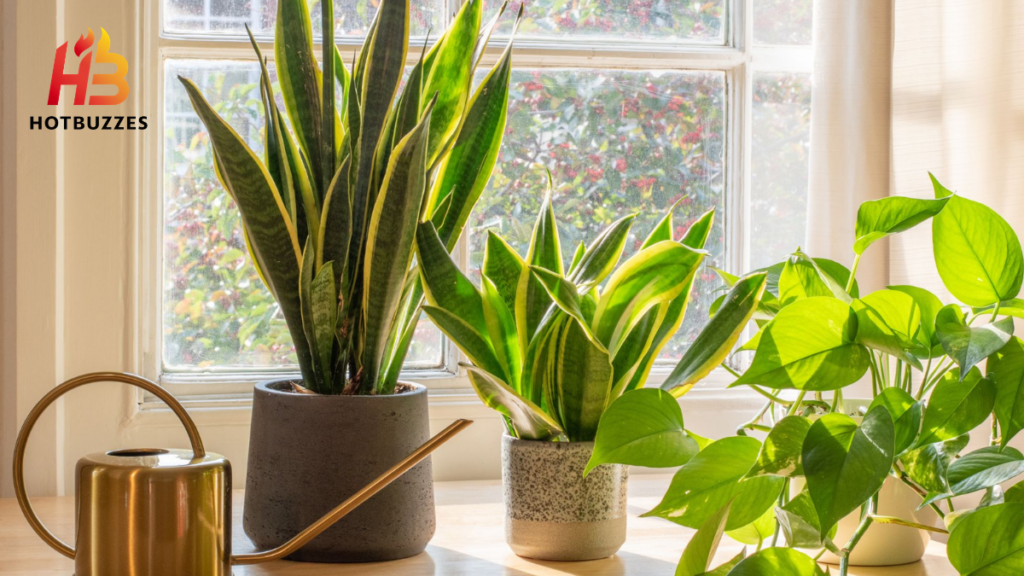
Winter changes almost everything about how a houseplant behaves indoors. Shorter days, drier heated air, and cooler temperatures near windows can shift a plant’s needs away from its spring and summer routine. Indoor humidity can fall below 30% during winter heating, according to Penn State Extension. Supplemental lighting may also help, with University of Minnesota Extension recommending around 12 to 14 hours of light per day when natural light is limited.
Because of these changes, continuing to water, feed, and handle plants exactly the same way can cause problems. This guide covers what actually changes for houseplants in winter, from watering and light to humidity, temperature, pests, and the tasks worth pausing until spring.
Understanding Winter Dormancy
Most houseplant stress in winter traces back to one basic shift in the plant’s biology. True dormancy occurs in bulbs and tubers, not most foliage houseplants, according to The Home Sprouts’ winter care guide. Tropical houseplants instead enter quiescence. This is a state of reduced metabolic activity rather than a full shutdown. Plants in this state still respire, transpire, and defend against pathogens. That is why winter care still requires active attention rather than simply leaving plants alone until spring.
Why Growth Slows Regardless
Growth slows down in winter, so many plants need much less water. Cooler temperatures and lower light keep the soil from drying out as quickly as it does during the active growing season, according to Almanac’s winter houseplant guide. Recognizing this slowdown as normal, rather than a sign that something is wrong, is the starting point for adjusting every other part of a plant’s winter routine.
Adjusting Watering for Winter
Watering is the single area where winter care differs most dramatically from the rest of the year. The most common winter problem for houseplants is overwatering. About 95 percent of houseplants need their soil to dry out almost completely before watering again, according to Bioadvanced’s winter care guide. Transpiration also slows in cooler temperatures. One estimate suggests that a peace lily’s transpiration rate drops by about 65 percent at 60°F and nearly half again at 55°F, according to The Home Sprouts’ winter care guide. This means a plant cannot use water at the same rate it does in summer.
How to Judge When to Water
Instead of checking only the soil surface, poke a finger up to two inches into the soil. Lifting the pot to judge its weight can also give a more accurate idea of whether the root zone is actually dry, according to Bioadvanced’s guide. Watering on autopilot, such as every Sunday, ignores soil moisture, temperature, and plant signals. These factors should guide when to water, according to The Home Sprouts’ guide. From statement plants to easy-care varieties, explore the top indoor plants gaining popularity in 2026.

Exceptions Worth Knowing
Not every houseplant follows the same reduced watering pattern. Potted citrus and ferns need consistently moist soil even in winter, according to Bioadvanced’s guide. Some plants, such as Easter cactus, benefit from withholding water before flower buds form, according to The Gardening Cook’s winter care guide. Researching each plant’s winter needs is better than applying one rule to an entire collection. This helps avoid both overwatering and underwatering plants that fall outside the general pattern.
Managing Light During Shorter Days
Winter’s biggest environmental shift after temperature is the dramatic drop in available daylight. In winter, sunlight is at its lowest. Place plants that need the most light near south- or west-facing windows, but keep them from touching the glass, according to Almanac’s winter care guide. Rotate plants a quarter turn after each watering. This helps prevent them from leaning permanently toward the light source, according to the same guide.
Supplementing With Grow Lights
When natural light is limited, indoor grow lights such as LED bulbs or pendant fixtures can run for 12 to 13 hours a day. This helps support healthy growth through the darkest months, according to Dennis 7 Dees’ winter care guide. Grow lights mimic the sun’s spectrum and support healthy photosynthesis when natural sunlight is scarce, according to Bloomscape’s winter survival guide.
Keeping Windows Clean
A thin film of dust or grime on a window can cut light transmission by up to 30 percent, according to The Home Sprouts’ guide, which recommends wiping panes weekly with a vinegar-water solution during winter specifically, when every available bit of light matters more than usual. Follow a simple fertilization and repotting schedule to give your houseplants the nutrients and space they need.
Raising Humidity Indoors
Heated winter air is considerably drier than most houseplants prefer, creating a mismatch that shows up as crispy leaf edges and slowed growth. Home humidity can fall as low as 10 to 20 percent in winter. Most houseplants prefer humidity closer to 50 percent, according to Almanac’s winter care guide. This gap is often larger than people realize. A room can feel comfortable to a person while still being too dry for many common houseplants.
Practical Ways to Raise Humidity
Running a humidifier near plants is the most effective single fix, according to Get Busy Gardening’s winter guide. Grouping plants together also helps. Their leaves release moisture through transpiration, creating a slightly more humid microclimate around the group, according to Almanac’s guide. A pebble tray can also raise humidity around a plant. Place about an inch of pebbles in a tray wider than the pot and add half an inch of water. Keep the pot above the water so the roots do not sit directly in standing water, according to the same guide.
Misting’s Limited Effectiveness
Misting can help, but its effects are short-lived. Consistency matters more than any single misting session, according to Bloomscape’s guide. Cacti and succulents are a notable exception. They generally prefer lower air humidity and do not need these extra measures, according to Proven Winners’ winter care guide.
Protecting Plants From Cold and Drafts
Temperature swings near windows and doors can stress houseplants just as much as low light or dry air. Avoid cold drafts and keep plants from touching cold windows. This helps prevent foliage damage and stress caused by sudden temperature changes, according to Proven Winners’ winter care guide and The Gardening Cook’s guide. A plant touching a frosty window can suffer localized cold damage. This can happen even when the rest of the room stays comfortably warm.
Watching for Heat Sources Too
Plants kept near heat vents or a wood stove dry out considerably faster than those in a more moderate spot, according to Almanac’s guide, which means winter placement is not just about avoiding cold, but also about steering clear of concentrated, artificial heat that can dry soil out faster than expected.
Winter Care and Watering Zones by Plant Type
The table below groups common houseplants by their general winter watering needs, based on a zone system described by The Home Sprouts’ winter care guide.
| Zone | Example Plants | Watering Rule |
|---|---|---|
| Dry zone | Cacti, snake plant, ZZ plant | Water only when soil is bone-dry several inches down |
| Moist zone | Pothos, philodendron | Water once the top two inches of soil are dry |
| Humidity zone | Ferns, calathea, begonias | Water once the top inch is dry and humidity is at least 50 percent |
Grouping plants by these zones, rather than by appearance or where they happen to look nice, is described as a system that meaningfully reduces winter plant losses for beginners, according to The Home Sprouts’ guide.
Fertilizing and Repotting
Two common care tasks are best paused entirely during the winter months.
Why Fertilizer Should Wait
Skipping regular fertilizer during winter and resuming only once spring growth resumes avoids feeding a plant nutrients it has little active use for while its metabolism has slowed, according to Dennis 7 Dees’ winter care guide. Fertilizing at the wrong time can put unnecessary stress on a plant or result in weak, spindly growth, according to Get Busy Gardening’s winter guide.
Why Repotting Can Wait Until Spring
Hold off on repotting until spring. This avoids disturbing roots during slowed growth and gives the plant a better chance to recover quickly from transplant shock, according to both Dennis’ 7 Dees’ and The Gardening Cook’s winter guides. A plant repotted in winter has less active growth to support root recovery in fresh soil. This can extend recovery time compared with repotting in spring.
Pests and Regular Checkups
Indoor heating and less frequent handling during winter can let pest problems develop unnoticed. Indoor heating systems create warm, dry conditions that some common houseplant pests, including spider mites and mealybugs, actually favor, according to The Gardening Cook’s winter guide, which recommends checking regularly for both. Proven Winners’ guide adds that plants brought inside from outdoors for winter should be inspected closely before entering the home, since pest eggs can hatch once exposed to warmer indoor temperatures.
Building a Regular Checkup Habit
Providing regular checkups, rather than assuming a slower-growing plant needs less attention overall, catches pest issues, dust buildup, and watering problems early, according to Dennis’ 7 Dees’ winter care guide. Dusting leaves with a damp cloth every few weeks also matters more in winter, since indoor heating systems generate dust that can impair a leaf’s ability to absorb the already limited light available, according to Proven Winners’ guide.

FAQS
Q.1 How much less water do houseplants need in winter?
This varies by plant, but many houseplants need considerably less water in winter due to slower growth and lower transpiration rates. Rather than following a fixed reduced schedule, checking soil moisture a couple of inches down before every watering is the most reliable approach.
Q.2 Should I fertilize my houseplants in winter?
Generally no. Most houseplants benefit from a pause in fertilizing during the winter months, since their slowed growth means they have little use for the extra nutrients, and resuming feeding in spring aligns better with their natural growth cycle.
Q.3 Why are my houseplant’s leaves turning brown at the edges in winter?
This is most often caused by low indoor humidity, which can drop as low as 10 to 20 percent in winter compared to the roughly 50 percent most houseplants prefer. Using a humidifier, pebble tray, or grouping plants together can help raise humidity enough to prevent this kind of leaf browning.
Q.4 Is it safe to repot a houseplant during winter?
It is generally better to wait until spring. Repotting disturbs the roots, and a plant has less active growth to draw on for recovery during winter’s slower growth period, which can prolong stress compared to repotting during the active growing season.
Q.5 Do all houseplants need extra humidity in winter?
No. Cacti and succulents generally prefer lower humidity and do not need the extra measures, like humidifiers or pebble trays, that benefit most tropical foliage houseplants. Protect your succulents from rot by learning how to manage watering, soil moisture, and drainage.
Conclusion
Winter houseplant care comes down to recognizing that a plant’s needs shift even though the plant itself is not going fully dormant. Watering less but more attentively, boosting light and humidity to compensate for the season, protecting plants from cold drafts and dry heat vents, and pausing fertilizer and repotting until spring together address most of what causes houseplants to struggle indoors during the colder months. With these adjustments in place, most houseplants come through winter in good shape and are ready to resume active growth as soon as the days start lengthening again.
The key is to respond to what the plant is showing rather than follow a fixed winter routine. Check the soil before watering, watch for changes in light and temperature, and inspect leaves regularly for pests or stress. Small adjustments made throughout winter can prevent bigger problems and help plants transition smoothly into spring.

Ajwa Asif is a writer with a passion for plants, gardening, and creating educational content. She researches plant-related topics using reputable horticultural resources and shares practical advice to help readers grow healthier plants and build confidence in their gardening journey. Her content focuses on delivering clear, reliable, and user-focused information.