
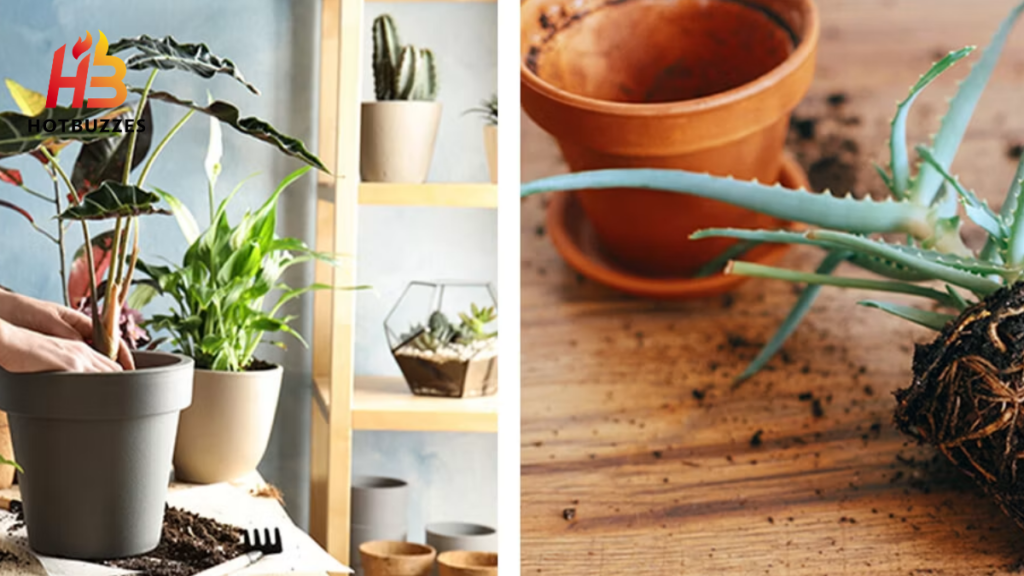
Two of the most common houseplant mistakes sit at opposite ends of the same problem: feeding a dormant plant nutrients it cannot use and leaving a thriving plant in a pot it outgrew months ago. Both fertilizing and repotting follow the same principle. A plant’s needs change with its growth stage and the season. Yet both are often handled on a rigid, one-size-fits-all schedule. This ignores what the plant is actually signaling and can lead to wasted effort or even damage to roots and foliage.
This guide provides a complete, season-by-season fertilizing schedule and a practical repotting timeline organized by plant type. It explains how the two tasks intersect and why correct timing matters more than following a fixed calendar. It also covers nutrient timing and root growth, guidance for creating a simple care calendar for a full collection, and troubleshooting tips for the most common fertilizing and repotting mistakes.
Why Fertilizing and Repotting Follow the Same Seasonal Logic
Before breaking either task down individually, it helps to understand the shared principle driving both schedules. How often you fertilize should depend on the plant’s current growth stage, not just the calendar season, according to Shuncy’s guide to fertilizer timing. Seedlings and rapidly growing plants need more frequent feeding. Mature or dormant plants need much less. The same logic applies to repotting. A plant’s actual root development should determine whether it needs a larger container, not a fixed number of months.
Light and Day Length Drive Both Schedules
Indoor plants live on human schedules, but their roots still follow the seasons. Light levels and day length also affect how much food a plant can use, according to KnowTheYard’s fertilizer guide. The guide identifies late winter through early fall as the main feeding window for most houseplants. Repotting follows a similar rhythm. Longer days and warmer temperatures encourage new root growth. They also help plants settle into a new container more quickly, according to PlantVine’s guide to repotting signs.
The Complete Seasonal Fertilizing Schedule
Breaking fertilizing down by season gives a clear, repeatable framework that adjusts naturally as a plant’s growth rate changes throughout the year.
Spring: Awakening and Establishment
Fertilizing typically begins as days lengthen in March. This is also a good time to repot and feed houseplants as they transition into active growth, according to Planting Guys’ fertilizer guide. During this period, feed every two to four weeks at half strength. Use a balanced NPK formula, such as 10-10-10 or 20-20-20. This gently supports root and leaf growth without shocking the plant, according to Tree Care Zone’s seasonal fertilizer plan.
Summer: Peak Growth
As the growing season reaches its peak, most sources recommend a similar rhythm. Fertilize every two to four weeks during spring and summer growth, according to PerfectHousePlants’ guide to fertilizing schedules. New leaves, fresh shoots, and increased water uptake all signal that a plant is ready for regular feeding, according to Planting Guys’ guide. This makes summer a forgiving time to establish a consistent feeding routine.
Fall: Tapering Off
As fall and winter approach, shorter days and cooler conditions naturally slow growth. Reducing or stopping fertilization during this transition helps prevent nutrient buildup and potential root damage, according to Planting Guys’ guide. Rather than stopping on a fixed date, watch for slower new growth. Gradually extend the time between feedings. This better matches the plant’s natural slowdown than an arbitrary calendar cutoff.
Winter: Dormancy, With Exceptions
Applying fertilizer in winter when plants are not actively growing can overwhelm them. They are less able to absorb nutrients from the soil, which may cause weak growth or fertilizer burn that damages roots and foliage, according to Proven Winners’ fertilizing guide. Winter is not always a full pause. Plants near south-facing windows or under grow lights may continue growing. Watch for new leaves and adjust feeding accordingly rather than blindly stopping in November, according to KnowTheYard’s guide.
Fertilizing Frequency by Plant Category
Beyond the seasonal framework, different plant categories have meaningfully different baseline feeding needs. Want to update your indoor space? Check out the houseplants that are trending among plant enthusiasts in 2026.

Tropical Foliage Plants
Tropical plants, including Monstera, Philodendron, Pothos, and Fiddle Leaf Fig, should be fed every two to four weeks in spring and summer. Fertilizing should taper off considerably in winter, according to Gorilla Grow Tent’s fertilization guide. Large Monstera leaves and vining philodendron types often benefit from regular fertilizer from February through October. Use less fertilizer during the darker months, according to KnowTheYard’s guide.
Flowering Houseplants
Flowering plants such as orchids, African violets, and peace lilies benefit from feeding every two weeks while actively blooming, according to Gorilla Grow Tent’s guide. Flower production places greater nutritional demands on a plant than foliage growth alone. Stay consistent throughout the bloom cycle. Then reduce feeding once flowering slows. This keeps these plants properly fed without overfeeding during quieter periods, according to Indoor Gardening Essentials’ fertilizing guide.
Succulents and Cacti
Succulents and cacti are very light feeders. They need fertilizer only about once every two to three months during the growing season, according to Gorilla Grow Tent’s guide. A couple of gentle feeds during spring and summer are typically enough for this category, according to Indoor Gardening Essentials’ guide. This reflects how little additional nutrition these slow-growing, drought-adapted plants need compared with fast-growing tropical foliage.
Low Light, Slow Growing Plants
ZZ plant and snake plant are also light feeders. They need fertilizer only a few times during the growing season, according to Indoor Gardening Essentials’ guide. These plants grow slowly even when nutrients are available. Overfeeding provides little benefit and can increase the risk of salt buildup in the soil.
Heavy Feeders
Vigorous growers like Ficus, Cissus, and Strelitzia require a more robust fertilization schedule during active growth, according to PerfectHousePlants’ guide, which recommends starting a three-month rotation using a balanced fertilizer with an NPK ratio of 10-10-10 or higher beginning about eight weeks before spring growth typically kicks in.
Choosing the Right Fertilizer Format
Beyond timing, the format of fertilizer used affects both convenience and how precisely nutrients can be controlled.
Liquid Fertilizers
Liquid fertilizers are common for indoor plants because they mix directly into a regular watering can. They suit anyone who already waters on a consistent schedule and wants to adjust fertilizer strength by season, according to KnowTheYard’s guide. Liquids work particularly well for fast-growing vines such as spider plant offsets and heartleaf philodendron. These plants respond well to light feeding every two to four weeks during active growth, followed by a pause during darker winter months.
Slow Release Granules and Spikes
Slow-release granules or spikes release nutrients gradually over several weeks. They suit forgetful waterers or larger containers, such as indoor fiddle leaf fig trees or rubber plant tubs, according to KnowTheYard’s guide. Apply these slow-release formulas every three to six months, based on the product’s instructions. They provide consistent nutrition without the frequent attention that liquid fertilizers require.
Typical NPK Ranges for Indoor Plants
A typical NPK range for most indoor plants is between 2-2-2 and 5-3-3, according to KnowTheYard’s guide. Heavier formulas in the 10-10-10 to 20-20-20 range are also commonly used for vigorous, fast-growing species covered earlier in this guide. The three NPK numbers represent nitrogen, phosphorus, and potassium. Nitrogen supports foliage growth, phosphorus supports roots and flowering, and potassium supports overall plant function, according to Joy Us Garden’s fertilizing guide. Knowing these roles makes it easier to match a fertilizer to a plant’s specific growth priorities.
Fertilizing and Repotting Schedule at a Glance
The table below consolidates the seasonal fertilizing rhythm and typical repotting frequency for common houseplant categories.
| Plant Category | Fertilizing Frequency (Growing Season) | Winter Fertilizing | Typical Repotting Frequency |
|---|---|---|---|
| Tropical foliage (Monstera, Pothos, Philodendron) | Every 2 to 4 weeks | Rare or none | Every 1 to 2 years |
| Flowering plants (Orchids, African Violets, Peace Lilies) | Every 2 weeks while blooming | Minimal; avoid during rest | Every 1 to 2 years; some prefer snug roots |
| Succulents and cacti | Every 2 to 3 months | None | Every 2 years |
| Low light slow growers (ZZ plant, Snake plant) | A few times per season | None | Every 3 to 10 years |
| Heavy feeders (Ficus, Cissus, Strelitzia) | Every 2 to 4 weeks, higher NPK | None | Every 1 to 2 years |
| Trailing vines (Ivy, Pothos offsets) | Every 2 to 4 weeks | Rare | Every 1 to 3 years |
Recognizing the Signs a Plant Needs Repotting
Rather than repotting on a fixed schedule, most experts recommend watching for specific physical signals. Keep your favorite houseplants growing well during the colder months with this practical winter care guide.
Roots and Water Behavior
Roots growing out of the bottom drainage holes are one of the clearest signs that a plant needs repotting. Plants contain a growth hormone called auxin, which helps roots and top growth develop together. A root-bound plant can have stunted growth when roots lack space, according to the Brooklyn Botanic Garden’s repotting guide. A root-bound plant may also dry out much faster than before. Its roots occupy most of the available soil. If you water thoroughly but find the pot dry again within a day or two, this is a strong practical signal, according to PlantVine’s repotting guide.
Growth and Foliage Signals
Slowed growth during the active growing season, pale new leaves despite regular feeding, or a plant that becomes top-heavy and tips over can all indicate that it has outgrown its container, according to PlantVine’s guide. A salty, crusty buildup on the soil surface is another useful sign. It indicates that it may be time to repot and replace as much of the old soil as possible, according to the University of Arkansas Cooperative Extension’s repotting guide.
Confirming Before Repotting Unnecessarily
None of these symptoms alone proves that repotting is the solution. Check for pests, poor light, underwatering, or overwatering first. This helps rule out other causes before disturbing an otherwise healthy root system, according to PlantVine’s guide. Repot only when genuinely needed. Every repotting carries some risk of root damage, according to expert commentary in Dengarden’s repotting guide. The guide quotes a horticulture professional who recommends repotting only when needed rather than following an arbitrary schedule.
Repotting Frequency by Plant Type
While there is no single universal repotting schedule, general ranges by plant category offer a useful starting point.
Fast Growing Species
Fast-growing plants like pothos and peace lilies typically need repotting more frequently than slower-growing varieties, according to a repotting overview referenced by AOL’s gardening coverage, often on a roughly annual basis when grown under bright light with regular fertilizing. Ivy in particular may need repotting each spring under vigorous growing conditions, according to coverage in The City Insight.
Moderate Growers
Most general houseplants need repotting every one to two years, though growth rate, variety, light exposure, and current pot size all shape the actual timeline for any individual specimen, according to PlantVine’s guide. A Monstera in a bright, south-facing window with monthly fertilizing might need repotting yearly, while the same species kept in a dimmer corner without fertilizer might comfortably go three years between repotting, according to Potting Corner’s repotting frequency guide.
Slow Growers and Plants That Prefer Snug Roots
Snake plants grow slowly and tolerate crowded roots well, meaning a healthy, non-distressed specimen is often better left alone or given only a top layer of fresh soil rather than a full repotting, according to Potting Corner’s guide. Household snake plants specifically may go anywhere from three to ten years between repotting, while succulents typically need repotting only about every two years, according to coverage in The City Insight.
Plants That Bloom Better When Root Bound
Some species actively prefer being slightly root bound, including African violets, peace lilies, Christmas cactus, spider plants, and hoyas, all of which tend to bloom better when their roots are snug rather than given excess room, according to Potting Corner’s guide. For these plants, waiting until roots are genuinely crowded, rather than repotting preemptively on a fixed schedule, actually supports better flowering rather than working against it.
How to Repot Correctly Once the Timing Is Right
Beyond simply recognizing when to repot, a few technical details affect how well a plant adjusts to its new container.
Choosing the Right Pot Size
When selecting a new pot, choosing one that is only one to two inches larger in diameter than the current pot avoids the common mistake of sizing up too aggressively, according to AOL’s repotting coverage, since an oversized pot can lead to overwatering issues as the roots struggle to absorb moisture spread across a much larger volume of soil. This same sizing principle applies across nearly every plant category covered in this guide, from fast-growing pothos to slow-growing snake plants.
Timing Relative to the Growing Season
The best time to repot is usually when a plant is actively growing, according to expert commentary in Dengarden’s guide, and for most indoor tropicals specifically, spring through early summer is the ideal window, since longer days and warmer temperatures encourage new roots to form and help a plant settle in quickly, according to PlantVine’s guide. That said, a seriously root-bound plant does not need to wait for spring; if it is drying out constantly, cracking its nursery pot, or struggling to stay upright, repotting immediately, handled gently and followed by stable aftercare, takes priority over waiting for the ideal season.
How Fertilizing and Repotting Intersect
Because both tasks affect the same root system, timing them correctly relative to each other matters as much as timing either one individually.
Waiting to Fertilize After Repotting
When a plant is freshly repotted, waiting four to six weeks before resuming regular feeding gives the root system time to settle, according to Shuncy’s fertilizing guide. Fresh potting mix typically contains a starter charge of nutrients already, according to Indoor Gardening Essentials’ guide, which means fertilizing too soon after repotting risks burning tender new roots before they have had a chance to establish in their new soil.
Repotting as Part of an Annual Reset
Repotting plants in fresh soil and resuming a regular fertilizing schedule during the growing season is a natural pairing, according to Proven Winners’ fertilizing guide, since both tasks align with the same spring awakening period. Treating repotting and the resumption of fertilizing as a single seasonal reset, rather than two entirely separate tasks scheduled independently, simplifies the overall care calendar for an entire plant collection.
Common Mistakes in Both Fertilizing and Repotting
A handful of recurring mistakes undermine even a generally well-maintained plant care routine.
Overfertilizing Out of Habit
Over-fertilizing is the most common cause of indoor plant damage, and it can be avoided by recognizing the right frequency, strength, and timing rather than treating every watering as an opportunity to feed, according to Shuncy’s guide. Even a well-diluted fertilizer becomes harmful when applied too often or when a plant is not actively growing, which is why most sources converge on spacing applications every two to six weeks during active growth rather than feeding at every watering.
Repotting on a Rigid, Unnecessary Schedule
Some guides recommend annual repotting for every plant, which stresses many species unnecessarily, since plants that actively prefer being slightly root bound gain nothing from a forced yearly upgrade, according to Potting Corner’s guide. Reading the specific signals covered earlier in this guide, rather than repotting purely because a certain amount of time has passed, protects root systems that were never actually asking for a larger container in the first place.
Responding to Fertilizer Burn Incorrectly
If a plant shows leaf tip burn or sudden yellowing after feeding, cutting the fertilizing frequency in half and reassessing after two applications, rather than stopping fertilizer entirely or continuing at the same rate, according to Shuncy’s guide, addresses the problem without overcorrecting. For plants that have already suffered fertilizer burn, trimming off damaged growth and flushing the soil thoroughly to remove built-up salts and minerals helps the plant recover, according to Proven Winners’ guide.
Research-Based Facts About Nutrient Timing and Root Growth
Beyond general scheduling advice, a bit of underlying plant physiology explains why timing matters as much as it does for both fertilizing and repotting.
Why Dormant Plants Cannot Use Extra Nutrients
Plants absorb nutrients through active root uptake, a process directly tied to their current metabolic rate, and a plant growing slowly or not at all during winter simply has reduced capacity to take up whatever nutrients are added to the soil, according to Proven Winners’ fertilizing guide. This is why fertilizing a dormant plant does not simply go to waste but can actively cause fertilizer burn and salt buildup, since unused nutrients accumulate in the soil rather than being absorbed and processed by the plant.
The Auxin Connection Between Roots and Repotting
The plant hormone auxin, located in the underside of leaves, the stem, and the roots, ideally coordinates root growth and top growth to occur simultaneously, according to the Brooklyn Botanic Garden’s repotting guide. When a plant becomes root-bound, this coordination breaks down, and top growth becomes stunted by the lack of room for roots to continue developing, which is the biological mechanism behind why a root-bound plant’s growth visibly slows even when light and fertilizing remain otherwise adequate.
Building a Simple Care Calendar for a Whole Collection
For anyone managing several houseplants with different fertilizing and repotting needs, a simple written calendar removes much of the guesswork covered throughout this guide.
Grouping Plants by Category Rather Than Tracking Individually
Rather than tracking every single plant’s schedule separately, grouping a collection into the broad categories covered earlier, heavy feeders, light feeders, and plants that prefer snug roots, makes it far easier to apply a consistent seasonal rhythm across many plants at once. A monthly walk-through, checking each group for the physical signs discussed throughout this guide rather than consulting a rigid date-based schedule, catches both fertilizing and repotting needs before they become urgent.
Noting Repotting Dates for Future Reference
Keeping a simple written or digital note of when each plant was last repotted, even just the year, gives a useful reference point for judging whether a plant’s current slow growth or drying pattern is more likely tied to being root-bound or to some other factor entirely. This kind of lightweight record-keeping pairs naturally with the seasonal fertilizing calendar already covered, since both tasks tend to cluster around the same spring window for most of a typical indoor collection.

FAQS
Q1. How often should I fertilize my houseplants overall?
Most tropical foliage houseplants benefit from fertilizing every two to four weeks during spring and summer, tapering off or stopping entirely during fall and winter. Succulents, cacti, and slow-growing plants like snake plants need considerably less frequent feeding, often just a few times across the entire growing season.
Q2. How do I know if my plant actually needs repotting rather than just more water?
Look for multiple signs together rather than relying on a single symptom: roots visibly emerging from drainage holes, soil drying out unusually fast, slowed growth despite good light and feeding, or a plant that has become top-heavy. Ruling out pests, light issues, and basic watering problems first helps confirm repotting is genuinely the right fix.
Q3. Should I fertilize a plant right after repotting it?
No. Waiting four to six weeks after repotting before resuming fertilizer gives fresh roots time to settle, and fresh potting mix typically already contains a starter charge of nutrients that covers the plant’s needs during this initial adjustment period.
Q4. Do all houseplants need repotting on the same schedule?
No. Fast-growing plants like pothos and ivy often need repotting annually under vigorous growing conditions, while slow growers like snake plants can go anywhere from three to ten years, and some species, including African violets and peace lilies, actually bloom better when kept slightly root-bound.
Q5. What happens if I fertilize a plant that is not actively growing?
Fertilizing a dormant or slow-growing plant can overwhelm it, since it has reduced capacity to absorb the added nutrients, which often results in weak growth or fertilizer burn that damages roots and foliage rather than providing any benefit.
Q6. What size pot should I choose when repotting?
Choose a pot only one to two inches larger in diameter than the current one. A dramatically larger pot holds more soil and moisture than the plant’s roots can actually use, increasing the risk of overwatering and root rot rather than simply giving the plant more room to grow.
Conclusion
A reliable fertilizing and repotting routine comes down to matching both tasks to what a plant is actually doing, rather than following a fixed calendar regardless of season, growth stage, or species. Fertilizing during active growth and tapering off as light and temperature drop, paired with repotting only when genuine signs like root crowding or stalled growth appear, protects a plant from both the nutrient overload of winter feeding and the unnecessary stress of a repotting it never actually needed. Different plant categories, from heavy-feeding Ficus to nearly maintenance-free snake plants, sit at very different points along this same general framework, which is why a single universal schedule applied across an entire collection so often falls short.
Treating fertilizing and repotting as connected rather than separate tasks, resuming feeding a few weeks after a spring repot rather than scheduling each independently, simplifies care considerably without sacrificing plant health. With a seasonal rhythm in place and a habit of watching for the physical signals covered throughout this guide, most houseplants settle into a routine that needs only occasional adjustment rather than constant guesswork, freeing up far more time for actually enjoying a growing collection than managing it.

I started growing houseplants a little over 3 years ago with a single pothos cutting and a windowsill. Since then, my collection has grown to more than 40 plants (snake plants, ZZ plants, peace lilies, a couple of orchids). I’m still intimidated by, and one aloe that has survived three moves despite my best efforts to kill it.
I’m not a botanist or a certified horticulturist, I’m a hobbyist who’s made most of the beginner mistakes so you don’t have to: overwatering, underwatering, ignoring root rot until it was too late, and putting a sun-loving plant in the darkest corner of my apartment. HotBuzzes is where I share what I’ve actually learned from keeping plants alive (and occasionally failing), along with research from reliable sources to back it up.