
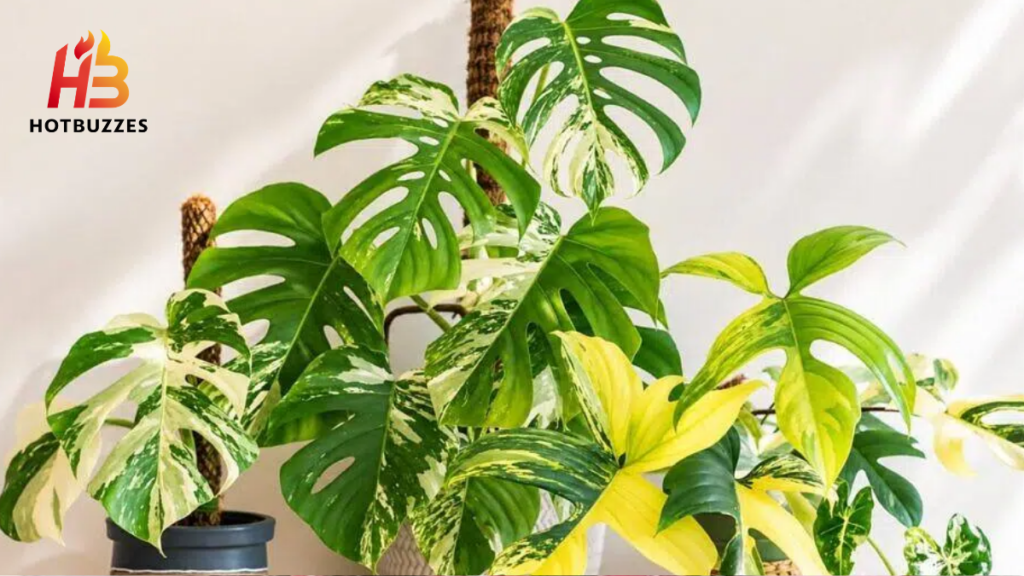
In summer 2019, the houseplant community discovered that Philodendron ‘Pink Congo’, which had been selling online for its striking solid pink leaves, was not a genetically variegated cultivar. Growers had chemically induced the pink color, and within months, every treated leaf reverted to plain green. Buyers who paid a premium for what they believed was a rare, stable variety were left with an ordinary philodendron. The incident became a lasting warning within the rare plant community.
This guide covers exactly how to tell a genuine variegated plant from a faked, chemically treated, or digitally altered one, including the specific red flags in photos, pricing, and seller behavior that give away a scam before money ever changes hands.
Why Fake Variegated Plants Have Become So Common
Rare and variegated plants have become genuinely desirable, and that desirability has created a real financial incentive for scammers. Collectors across Instagram, TikTok, and Facebook flaunt their prized rare plants. This exposure drives up demand.
However, it has also opened the door for sellers looking to make a quick profit off buyers eager to own something rare, according to Variegated Plant Shop’s guide to spotting fake rare plants. Knowing how to protect yourself has become a genuine part of what it means to be a modern plant collector. The same visibility that makes rare plants desirable also makes them a target for misrepresentation.
Three Distinct Categories of Fake
Fake plants generally fall into three categories: fully artificial plastic or silk imitations, cosmetically altered living plants that have been painted, dyed, or otherwise treated, and photoshopped or AI-generated images of species that do not actually exist, according to SucculenCare’s guide to spotting fake succulents. Each category has a different set of red flags to watch for. This is why a single universal test is not enough to reliably identify every kind of fake.
The Pink Congo Case Study
No single example illustrates the risk of chemically induced fake variegation better than the Pink Congo scandal, and understanding what happened remains directly useful today.
What Actually Happened
Artificial variegation means a plant does not produce its coloring naturally through genetic mutation, but instead has something added by humans to make it appear variegated, according to Gardening Simplified On Air’s episode on variegation. In Pink Congo’s case, growers chemically induced the vivid pink leaves instead of producing stable genetic variegation. After a few months, new growth returned to plain green. This caused widespread outrage in the houseplant community once the truth became known.
Why This Pattern Keeps Repeating
Chemically induced variegation often turns entire leaves a single solid, unnaturally uniform color. This same pattern has since reappeared in other listings beyond the original Pink Congo scandal, including certain Philodendron and pink Monstera sales, according to plant community reporting on real versus fake variegation. Watching for this specific tell, an entire leaf that is uniformly pink or another solid unusual color with no genetic mottling or gradient, remains one of the most reliable ways to catch this particular type of fake before buying.
The Biological Red Flag Almost Nobody Talks About
Beyond specific case studies, there is a simple biological rule that instantly exposes many fake variegation claims.
Why Pure White or Pure Pink Foliage Is a Scam
If a listing shows pure white or pink leaves, or leaves with very little green, treat it as a potential scam, according to Apartment Therapy’s guide to variegated plant care. This is because pure white or pink leaf tissue contains no functioning chlorophyll and cannot perform photosynthesis, which means a leaf like that cannot survive on its own for more than a few days even if it did briefly grow that way naturally.

Genuine Unstable Variegation Still Follows This Rule
Every variegated plant carries its own genetic code, and while unstable genetics can occasionally produce an all-white leaf naturally, that leaf will reliably die off within days, since pure white foliage simply cannot sustain itself, according to Apartment Therapy’s guide. A seller advertising a mature plant or large cutting with mostly pure white or pink leaves may be showing a plant that is dying or one that was never genetically variegated.
Spotting Digitally Altered Photos
Not every fake variegated plant is a real plant at all, and a growing share of scams now rely entirely on manipulated or AI-generated imagery. Explore how the rise of rare plant culture has helped transform houseplants into collectible items in 2026.
Checking for Repeated Patterns
Nature rhymes, but it rarely duplicates perfect patterns. If the same speckle, spot, or variegation pattern appears identically on multiple leaves in a listing’s photos, it may be a copy-paste editing trick rather than natural variation, according to Plant Hoarder’s guide to avoiding gardening scams. Repeating freckles, identical bug bites, or mirrored ripples across different leaves can signal that an image was manipulated rather than photographed.
Reading Veins and Shadows
Vein patterns tell the truth in a genuine photo. Many crude photo edits paste a variegation overlay onto a leaf blade without accounting for how veins should appear lighter or darker beneath it, according to Plant Hoarder’s guide. Shadows should also remain consistent across the image. If one side of a plant looks lit by morning sun while another has flat studio lighting, this inconsistency can signal digital manipulation.
AI-Generated Listings Specifically
AI-generated plant images often look almost too perfect. They may show unnatural symmetry, strange color gradients, or features that defy basic plant biology, according to the National Garden Bureau’s guide to AI plant scams. If a listing’s photo looks more like a polished digital painting than an actual photograph and uses a vague, generic description with terms like “rare hybrid” without a proper scientific name or specific care details, both signals reinforce each other as red flags worth taking seriously.
Real vs Fake Variegation at a Glance
The table below summarizes the core differences between genuine and fake variegated plants covered throughout this guide.
| Signal | Genuine Variegation | Likely Fake |
|---|---|---|
| Leaf color pattern | Mottled, gradient, includes visible green | Solid, uniform pink or pure white |
| Pattern repetition across leaves | Naturally varies leaf to leaf | Identical pattern copy-pasted across leaves |
| Photo lighting and shadows | Consistent, natural inconsistencies | Mismatched shadows, studio-flat on one side |
| Price relative to market | In line with typical listings for the species | Dramatically below typical market price |
| Seller information | Named cultivar, propagation method disclosed | Vague terms like “rare hybrid,” no scientific name |
| New growth behavior | Fades gradually if unstable, never fully vanishes overnight | Reverts entirely to green within weeks (chemical treatment) |
Seller Red Flags Beyond the Plant Itself
Some of the most reliable warning signs have nothing to do with the plant’s appearance at all, and everything to do with how the listing and seller behave.
Pricing That Is Too Good to Be True
If a Thai Constellation is sold for $20, it is almost certainly not legitimate. A price far below the typical market rate for a specific cultivar is one of the clearest signs that a listing may not match reality, according to Variegated Plant Shop’s guide. Scammers often use low prices to attract impulsive buyers excited to find what looks like a rare bargain, according to National Garden Bureau’s AI scam guide.
Missing Origin and Propagation Details
A trustworthy listing typically states whether a plant is tissue cultured, grown from cuttings, or otherwise lab propagated. A lack of this basic origin information is a common warning sign, according to Variegated Plant Shop’s guide. Reputable sellers can usually explain a plant’s genetic stability and verified lineage from a known mother plant. They should also clarify whether any tissue culture certification applies, especially for lab-developed cultivars like Thai Constellation.
Seller History and Anonymity
Checking a seller’s profile for account age, review history, and a track record of legitimate sales can help gauge trustworthiness before buying, according to the National Garden Bureau’s guide. A new account with no reviews or visible history of verifiable sales carries more risk than an established seller with a long, transparent track record.
Genuinely Rare but Legitimately Difficult Plants
Not every suspicious-sounding claim is a scam, and it helps to distinguish between fake plants and real plants being marketed dishonestly about their actual difficulty or origin.
Real Plants Sold With Misleading Claims
Some scams involve genuinely real, rare plants sold as easy, beginner-friendly options when they are actually extremely difficult to grow or propagate, according to SucculenCare’s guide. Spiral aloe, for example, is a real and legitimately rare succulent. However, it is notoriously difficult to grow outside its native mountain habitat and often dies after transplanting. A listing that markets it as simple and beginner-friendly is therefore misrepresenting the plant, even though the plant itself is genuine.
Plants That Cannot Be Grown From Seed as Advertised
Certain rare cultivars, including lab-developed varieties propagated through tissue culture, simply do not grow true from seed. This means any listing selling “seeds” for these specific plants is almost certainly selling something other than what is advertised, according to SucculenCare’s guide. Understanding which popular rare cultivars are restricted to certain propagation methods, generally the more famous tissue-cultured or genetically unstable varieties, helps buyers quickly recognize when a seed listing cannot be legitimate.
Stats: Why Certain Variegation Claims Are Biologically Impossible
Beyond practical buying advice, the underlying plant biology explains exactly why some variegation claims simply cannot be true. Explore how social media, plant communities, and limited availability have helped shape today’s rare plant culture.
Chlorophyll and Photosynthetic Capacity
Variegated tissue lacks the chlorophyll needed for photosynthesis. A leaf that is entirely white or pink has no functioning photosynthetic capacity of its own. It survives by drawing on energy produced elsewhere in the plant. This biological fact makes claims of stable, thriving, all-white or all-pink mature plants effectively impossible. A plant cannot indefinitely sustain large sections of tissue that contribute nothing to its own energy production.
Genetic Stability Determines What Is Actually Possible
Every variegated plant’s genetic code determines whether its variegation is stable or unstable. This genetic reality, not a seller’s marketing description, controls what pattern a plant can produce on new growth, according to Apartment Therapy’s guide. A seller’s claims about consistently reproducible variegation only hold up if the underlying genetics support that consistency. This is why verified lineage from a known, tested mother plant matters so much for buyers seeking predictable results.
Physical Red Flags When the Plant Arrives
Some fakes only become apparent once a plant is actually in hand, which is why the checks a buyer runs immediately after delivery matter just as much as the ones run before purchase.
Checking for Paint or Dye Residue
Gently running a damp cotton swab or soft cloth across an unusually pink or white leaf can show whether color transfers onto the swab. This is a clear sign that the coloring was applied topically rather than developed naturally within the leaf tissue. Genuine variegation is part of the leaf’s cellular structure. It will not wipe away or fade with light rubbing using a damp cloth.
Inspecting the Cut or Planting Site
A freshly propagated cutting with an unusually clean, uniform cut and no sign of the callusing process discussed in general propagation guidance can indicate a plant rushed to market before its authenticity could be properly verified. Check that the base looks consistent with normal, healthy propagation. It should not look artificially perfect or suspiciously fresh. This adds another layer of confirmation beyond the leaf coloring itself.
Watching New Growth Closely
Because chemically induced variegation is not part of a plant’s actual genetic code, the clearest confirmation of a fake often only appears weeks after purchase. New growth emerges in plain, ordinary green rather than continuing the advertised pattern. Documenting a purchase with photos immediately upon arrival, and again as new leaves unfurl over the following one to two months, creates a useful record for any dispute or refund request if the plant does turn out to be misrepresented.
Where Fake Variegated Plants Are Most Commonly Sold
Understanding which platforms and sales channels carry the highest risk helps buyers direct their scrutiny where it matters most. General online marketplaces that allow anonymous or loosely verified sellers to list plants without detailed origin information tend to have more fake or misrepresented listings than specialist plant retailers with established reputations. Reading recent buyer reviews and feedback can help vet a marketplace seller. Look for complaints about mismatched plants or reverted variegation before committing to a purchase.
Social Media Direct Sales
Plants sold directly through social media comments or direct messages, particularly from accounts with a short posting history or a sudden pivot toward selling rare plants, warrant extra caution, since these transactions often bypass the buyer protections available through established marketplaces or dedicated plant retailers. Insisting on payment methods that offer some form of buyer protection, rather than direct bank transfers or untraceable payment apps, reduces financial risk even if a listing turns out to be fraudulent.
Auction Platforms and Bidding Wars
Because auction formats can create urgency and competitive excitement, as covered in broader discussions of rare plant pricing, buyers sometimes skip the careful verification steps outlined throughout this guide in the rush to place a winning bid. Setting a firm price limit in advance, and resisting the temptation to bid past it in the moment, gives a buyer space to apply the same scrutiny to an auction listing that they would to any other purchase.

What to Do If You’ve Already Bought a Fake
Even careful buyers occasionally end up with a misrepresented plant, and knowing how to respond afterward can help recover at least some of the loss. Collect clear photos of the plant as received. Also photograph any new growth that reverts to a different color or pattern than advertised. Save the original listing screenshots and all seller communication. This builds the documentation needed to support a refund request or dispute. Act promptly once reversion or other signs of misrepresentation become clear. Many marketplaces and payment processors have specific windows for filing a dispute, so acting quickly can improve the odds of a successful resolution.
Requesting a Refund Through the Original Platform
Most established marketplaces and payment processors offer some form of buyer protection for items that are not as described. Filing a claim through that official channel generally carries more weight than trying to resolve the issue directly with an uncooperative seller. Clearly explaining why the plant does not match its description can strengthen a dispute claim. Referencing the chlorophyll and genetic stability concepts covered earlier in this guide is more effective than making a vague complaint about general dissatisfaction.
Warning the Wider Community
Sharing an honest, factual account of a fake or misrepresented purchase in relevant plant collecting communities can help other buyers avoid the same seller or listing. Avoid exaggeration when sharing the details. This can also help identify others who experienced the same issue. This type of community reporting has played a real role in exposing broader scam patterns. It did so during the original Pink Congo case that opened this guide.
FAQS
Q1. What is the single most reliable sign of a fake variegated plant?
A leaf that is entirely, uniformly pure white or pure pink, with little to no visible green, is one of the most reliable signs of a fake, since that kind of tissue cannot photosynthesize and cannot sustain itself for more than a few days if it occurred naturally.
Q2. Can chemically treated fake variegation be reversed?
No. Chemically induced coloring, as seen in the Pink Congo case, is not permanent, and treated leaves reliably revert back to their plain, original green color, typically within a few months, once the chemical treatment’s effect wears off.
Q3. How can I tell if a plant photo has been digitally altered?
Look for identical, repeated patterns across supposedly different leaves, inconsistent lighting or shadows across the same image, and color overlays that ignore natural vein patterns. Genuine plant photos show natural variation leaf to leaf, while edited ones often reveal telltale repetition or lighting mismatches.
Q4. Is a very low price always a sign of a scam?
Not always, but it is one of the strongest warning signs, particularly for well-known cultivars. A price dramatically below the typical market rate for a specific variegated species should prompt closer scrutiny of the listing’s photos, seller history, and stated origin.
Q5. Are all real plants that seem too rare to be true actually fake?
No. Some scams instead involve genuinely real, rare plants being marketed dishonestly, such as claiming an extremely difficult species is beginner-friendly, or selling seeds for a cultivar that can only be propagated through tissue culture or cuttings.
Q6. What should a trustworthy seller be able to tell me about a variegated plant?
A reputable seller should be able to explain whether the plant is tissue cultured, grown from cuttings, or otherwise propagated, provide real, current photos of the actual plant being sold rather than stock images, and speak clearly about the plant’s genetic stability and lineage when asked.
Conclusion
Spotting a fake variegated plant comes down to understanding basic plant biology and using a few practical checks before buying. Pure white or pink foliage covering an entire leaf, identical patterns repeated across multiple leaves, prices far below market rates, and vague or missing origin details all point to the same conclusion: something does not add up. The Pink Congo scandal remains a clear cautionary example. It shows what can happen when chemically treated fakes slip past buyers who trust a striking photo over the underlying biology.
None of these checks require special expertise. They only require a willingness to slow down and look closely before paying a premium price for something marketed as rare. A little skepticism toward too-perfect photos, too-good-to-be-true pricing, and sellers unwilling or unable to answer basic questions about a plant’s origin can protect both a buyer’s money and trust in the hobby. For most collectors, it remains a genuinely rewarding hobby built on much more honest ground than the scammers working its edges would suggest.

Ali Hassan is a plant enthusiast and content writer who creates practical, easy-to-follow articles about plant care, gardening, and indoor plants. He combines thorough research with reliable horticultural resources to provide accurate, beginner-friendly advice. His goal is to help readers grow healthier plants and make plant care simple, enjoyable, and accessible for everyone.