
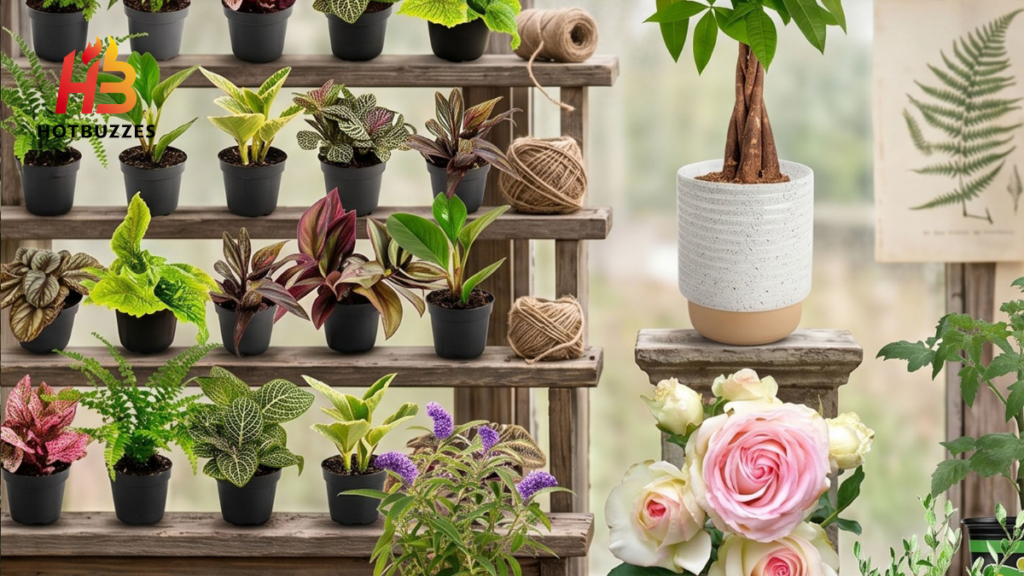
Like vintage cameras or Labubu plushies, houseplants have earned a place among intentional clutter, according to the Garden Media Group’s 2026 Garden Trends Report. This comparison places plants alongside toy figures and vintage electronics as genuine collectibles. It shows that plants are more than simply popular. It also marks a shift in how a growing number of owners view the plants they bring home. They are moving from casual decoration toward deliberate, identity-driven curation.
This guide explains why this shift is happening in 2026. It covers the generational data behind it, the market numbers supporting it, and the factors turning ordinary houseplants into something closer to a collectible asset class. It also includes a side-by-side comparison table, research-backed market data, and a look at what this trend means for both new and experienced plant owners.
The Trend Report Behind the Shift
The collectible houseplant trend did not emerge from a single viral moment, but from a documented shift identified by industry trend forecasters heading into 2026.
Houseplants as the Fastest Growing Collectible Category
The Garden Media Group describes houseplants as the fastest-growing category of collectible items, according to Homes & Gardens’ coverage of the 2026 trends report. This places indoor plants in the same broader cultural moment as collecting vintage cameras or designer toy figures. This is a notably different framing from previous houseplant trend cycles. Those cycles tended to focus on individual popular species rather than describing the entire category as a collectible market in its own right.
Building a “Personal Museum”
The driving force behind this trend is a desire to create what the Garden Media Group calls a personal museum. Individuals fill their homes with variegated foliage and unusual varieties. This mirrors how a dedicated collector might curate any other collection, according to Homes & Gardens’ reporting. The same report notes that collecting is making a genuine comeback, especially among Gen Z and Millennials. This ties the houseplant trend directly to a broader generational return to physical, tangible collecting hobbies.
The Generational Data
Perhaps the clearest evidence that this is a genuine shift, rather than marketing language applied after the fact, comes from how younger plant owners now describe themselves.
41 Percent of Gen Z Identify as Collectors
According to the Garden Media Group’s 2026 Garden Trends Report, 41 percent of Gen Z now identify as plant collectors rather than casual owners, according to Plant-Like’s breakdown of the 2026 trends. This is a significant distinction. Identifying as a collector implies a different relationship to plant ownership than simply keeping a few pots on a windowsill. It is also reshaping what nurseries choose to stock and how retailers style their displays.
From “I Keep Plants” to “I Curate Plants”
The difference between keeping plants and curating them might sound like a small semantic distinction. However, it clearly appears within plant communities. It shows in the careful consideration of what goes where, the active search for specific varieties, and thoughtful pairings of foliage with vessels, according to Plant-Like’s analysis. This coverage also notes that many younger collectors no longer aim to have the most plants or the most expensive ones. Instead, they want to curate a collection that reflects their personal taste.
The Market Numbers Behind the Trend
Beyond trend language, real sales data shows the underlying houseplant market has been growing substantially, providing the commercial foundation the collectible trend sits on top of. Learn why rare houseplants have become more than just décor for collectors and passionate plant enthusiasts.
Foliage Plant Sales Are Up Nearly 35 Percent
Foliage plants for indoor or patio use reached $931.6 million in sales in 2024. This was up 34.7 percent from $691.5 million in 2019, according to USDA NASS data referenced in Garden Insider’s 2026 rare houseplant trends report. This figure covers the broader foliage plant category, not rare and collectible plants specifically. However, it shows the scale of growth in the overall market where the collectible plant trend has emerged.

Global Market Growth Projections
The global houseplant market was valued at $23.5 billion in 2024. It is projected to reach $37.2 billion by 2033, reflecting a compound annual growth rate of 5.6 percent from 2026 onward, according to Accio’s analysis of trending 2026 houseplants. The analysis recognizes collectible and unique varieties as key growth drivers that retailers are advised to stock. It also notes that social media’s continued influence on interior design trends is expected to keep fueling demand throughout this growth period.
Cacti, Succulents, and Unusual Varieties Specifically
Cacti and succulents alone represented $67.6 million within the broader foliage plant sales figure. Interest in unusual cacti and euphorbias has also reached more than double previous levels at retailer The Sill, according to Garden Insider’s 2026 report. This suggests that the collectible trend is not limited to the headline-grabbing variegated aroids often linked to rare plant culture. It also extends to other plant families that offer their own visual rarity and distinctiveness.
Casual Ownership vs Collector Identity
The table below illustrates the practical differences between how a casual houseplant owner and a self-identified collector typically approach the hobby in 2026.
| Factor | Casual Owner | Collector |
|---|---|---|
| Primary goal | Attractive greenery for the home | A curated, personally meaningful collection |
| Plant selection | Common, widely available species | Unusual, variegated, or rare varieties |
| Display approach | Scattered around the home as decor | Deliberately staged, “personal museum” style |
| Community involvement | Minimal | Active in swaps, forums, and social media groups |
| Long-term view | Plants as decorative, replaceable | Plants as lasting, identity-reflecting assets |
Why 2026 Specifically
Several converging factors explain why this shift has crystallized into a recognized trend this particular year, rather than simply continuing as an extension of the earlier pandemic-era plant boom.
A Broader Cultural Return to Physical Collecting
Collecting more generally, spanning categories from trading cards to designer toys, is experiencing a documented resurgence, particularly among Gen Z and Millennials, according to the Garden Media Group’s 2026 trends report as covered by Homes & Gardens. Houseplants have effectively been swept into this broader cultural moment, benefiting from a generational appetite for physical, tangible objects to collect and display, one that plants satisfy in a way that also happens to be alive and evolving rather than static.
Care and Styling Now Matter as Much as Acquisition
It’s no longer about having the largest collection of houseplants. Thoughtful styling and care are just as important for making them long-term assets, according to Homes & Gardens’ broader 2026 houseplant trends coverage. This shift values presentation and long-term care over simply accumulating plants. It mirrors how mature collectible markets, such as vintage watches or fine wine, often evolve once initial speculative interest settles into a more considered, connoisseur-driven phase.
Sustained Growth in the Broader Houseplant Market
Houseplant sales increased by 15 percent in the most recent reporting year. They surpassed sales growth for bedding plants and herbs, according to the Royal Horticultural Society, as referenced in ProMix Gardening’s 2026 trends overview. The report notes that houseplants are becoming something close to a global obsession. The Araceae family, including philodendron, pothos, and monstera, is at the center of this interest. This sustained, broad-based growth gives the collectible plant trend a large and expanding pool of newly engaged plant owners. Some of these owners may become future collectors. Protect yourself from misleading plant listings by learning how to identify fake variegation before buying.
What This Means for New and Experienced Plant Owners
The shift toward collectible framing has practical implications beyond simply how plants are marketed.
For Newer Owners
Anyone newer to houseplants entering the hobby in 2026 is likely to encounter plant communities, retailers, and content that assumes at least some interest in curation and variety hunting, rather than simply basic care instructions for a single common species. Understanding that this collector framing exists, without feeling pressured to immediately chase rare or expensive plants, allows a newer owner to engage with the hobby at whatever pace and budget actually suits them.
For Experienced Collectors
For those already deep into plant collecting, the formal recognition of houseplants as a defined collectible category by mainstream trend forecasters validates a pursuit that, until recently, existed mostly within niche online communities rather than broader cultural conversation. This recognition also brings the practical benefits any maturing collectible market eventually offers, more specialist retailers, more reliable propagation and supply as demand justifies investment, and a broader community of fellow collectors to trade and learn from.

Frequently Asked Questions
Q1. What specifically makes 2026 different from previous houseplant trend years?
The key difference is formal recognition: industry trend forecasters like the Garden Media Group have explicitly categorized houseplants as a collectible item class for 2026, comparable to established collectibles like vintage cameras or designer toys, rather than simply noting individual popular species as in previous years.
Q2. Is the collectible houseplant trend backed by real sales data, or is it just marketing language?
Both. Trend reports use marketing-style language like “personal museum,” but this sits on top of genuine, measurable market growth, including a 34.7 percent increase in U.S. foliage plant sales from 2019 to 2024 and a global houseplant market projected to grow at a 5.6 percent compound annual rate through 2033.
Q3. Why are Gen Z and Millennials specifically driving this trend?
Reporting attributes this to a broader generational return to physical collecting hobbies across multiple categories, not just plants. Forty-one percent of Gen Z now identify specifically as plant collectors rather than casual owners, according to the Garden Media Group’s 2026 report.
Q4. Does becoming a “collector” require buying expensive rare plants?
Not necessarily. The 2026 trend coverage specifically emphasizes that thoughtful styling and long-term care matter as much as acquisition itself, meaning a collector identity is more about intentional curation than simply spending large amounts of money on rare specimens.
Q5. Are certain plant types more central to this trend than others?
Variegated aroids like Monstera and Philodendron remain the most visible examples, but the trend extends to unusual cacti, succulents, euphorbias, and air plants as well, according to multiple 2026 trend reports.
Q6. Will the collectible houseplant trend last, or is it likely to fade quickly?
Current signals point toward a maturing rather than fading trend, with sustained market growth, projected multi-year sales increases, and industry framing shifting from short-term novelty toward long-term personal expression and collection building.
Conclusion
Houseplants are becoming collector’s items in 2026 for reasons that go beyond a single viral plant or momentary trend. A documented generational shift toward physical collecting, real and sustained growth in houseplant sales, and a cultural move from simply owning plants toward deliberately curating them have converged into something industry trend forecasters now formally recognize as a distinct collectible category. The comparison to vintage cameras and designer toys is not just a clever marketing line; it reflects a genuine change in how a meaningful share of plant owners, Gen Z and Millennials in particular, now relate to the plants filling their homes.
For anyone watching this trend from the outside, the most useful takeaway is that collecting, in this context, is defined less by price tags and more by intentionality. A carefully chosen, well-styled small collection reflects the same collector mindset driving this 2026 trend as a larger, more expensive one, which means the shift described throughout this guide is ultimately more accessible and more durable than the headline-grabbing auction prices sometimes associated with rare plant culture might suggest.

Asim Usman is a plant enthusiast and content writer who specializes in creating informative, reader-friendly articles on plant care and gardening. He combines thorough research with practical insights to provide accurate, easy-to-follow guidance that helps readers grow healthy plants with confidence. His goal is to make plant care simple, enjoyable, and accessible for everyone.