
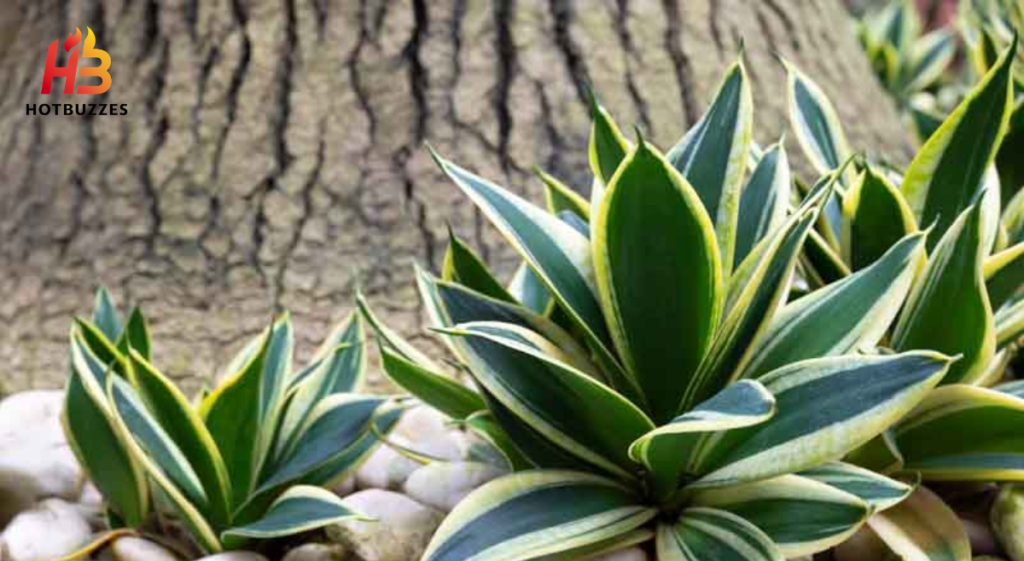
If you are new to growing plants and you want something that will not die on you in the first week, the snake plant is a great choice. It is one of the easiest indoor plants to keep alive, and that is exactly why it is so popular with people who travel a lot, work long hours, or simply forget to water their plants.
In this article, we will go through everything a beginner needs to know about snake plant care, using real information from Wikipedia and from a popular plant owners community where people share their own experiences.
What is a Snake Plant?
The snake plant belongs to a plant group that was once called Sansevieria. According to Wikipedia, this group is now placed under the genus Dracaena, after scientists studied the plant’s genetics and found it closely related to other Dracaena species. The plant is originally from Africa, especially Madagascar, and also grows in parts of southern Asia.
People call it by many names, such as mother-in-law’s tongue, devil’s tongue, bow-string hemp, and of course, snake plant, because its long, pointed leaves look a bit like a snake’s body. Keep your ZZ plant looking lush and vibrant with these beginner-friendly care guidelines.
Wikipedia also explains that there are two main types. One type has stiff, upright leaves that spread out from the base. The other type, known as the bird’s nest type, grows in a rounder rosette shape, almost like a little nest sitting on a table. Both types are tough and can handle a lot of neglect, which is why they are loved by beginners.
One more interesting fact from Wikipedia is that snake plants are believed in feng shui to bring good energy into a home because their leaves grow upward. Some people even keep them near children for this reason, but it is worth knowing that the leaves are mildly poisonous if eaten, so pets and small kids should not chew on them.

Why Beginners Love This Plant
If you search gardening forums or a plant lovers community such as plantcommunity.com, you will see the same message again and again. People who killed every other houseplant they owned say their snake plant is still alive after years of barely touching it.
On one such thread in that community, a person who has a chemistry background explained that the main reason snake plants die is root rot from sitting in wet soil, not from a lack of water. He suggested using a pot with good drainage and a potting mix with enough sand so that extra water can drain away easily.
This matches what most plant guides say too. Snake plants store water inside their thick leaves, just like a cactus does. This means they can survive weeks without water, but they cannot survive sitting in soggy soil for very long. So the biggest lesson for any beginner is this: water less than you think you should, and always let the soil dry out fully between waterings.
Snake Plant Varieties
Numerous snake plant varieties are out there. These are the most typical ones that beginners enjoy:
- Dracaena trifasciata ‘Laurentii’ is the most popular variety. It has bright yellow edging and green foliage. This is a tall plant that is well-suited for corners.
- Dracaena trifasciata ‘Hahnii’ is also known as the bird’s nest snake plant. It remains compact and small and is ideal for shelves or desktops.
- Dracaena trifasciata ‘Moonshine’ is a plant with silvery pale green leaves. It has a soft look and is suitable for contemporary home designs.
- Dracaena cylindrica has round, tubular leaves. Contrary to typical snake plants, it is very distinct and certainly makes for a unique addition to any room.
- Dracaena trifasciata ‘Bantel’s Sensation’ has narrow leaves with white stripes. Less common but quite lovely!
| Common Name | Snake Plant, Mother-in-Law’s Tongue |
| Scientific Name | Dracaena trifasciata |
| Light Needs | Indirect lighting, low to bright light |
| Watering | Every 2 to 4 weeks |
| Soil Type | Suitable potting mix that drains well |
| Humidity | Low to average |
| Temperature | 60°F to 80°F (15°C to 27°C) |
| Toxicity | May be toxic to cats and dogs |
| Growth Rate | Slow to moderate |
| Lifespan | 5 to 10 years or longer |
Light Requirements
Snake plants are famous for surviving in low-light corners, but that does not mean low light is the best option. They will live in a dark hallway or a windowless office, but they grow much more slowly there, and the leaf color often looks duller. If you place your plant near a bright window with indirect sunlight, it will grow faster, and the leaf pattern will look richer and more defined.
A good rule for beginners is to keep the plant near an east-facing or west-facing window. Avoid placing it directly in strong afternoon sun for many hours, because the leaves can get sunburned and develop brown patches. If your home does not get much natural light, a basic grow light can help, though it is not required for the plant to survive.
Watering Tips That Actually Work
This is the part where most beginners go wrong, and it is also the part most discussed on plant forums. On a thread at plantcommunity.com about snake plant leaves turning yellow, one detailed answer pointed out that the number one cause of yellow leaves is overwatering, not underwatering. The same answer mentioned that snake plants survive on neglect, and giving them frequent water is actually more harmful than helpful.
Here is a simple watering method that beginners can follow without overthinking it:
- Push your finger about two inches into the soil before you water.
- If the soil feels dry at that depth, you can water.
- If it still feels even slightly damp, wait a few more days and check again.
- When you water, pour enough so that water flows out of the drainage hole at the bottom of the pot.
- Empty out any water sitting in the saucer underneath the pot so the roots are not sitting in a puddle.
In warmer months, this usually means watering once every two to three weeks. In winter, when the plant grows much more slowly, you can stretch this out to once every four to six weeks. Some experienced growers on plant care forums even say their snake plant in a low-light room only gets watered once every two months during winter, and it still looks perfectly healthy.
What Yellow or Mushy Leaves Are Telling You
If your snake plant’s leaves are turning yellow, soft, or mushy, this is almost always a sign of too much water sitting around the roots. A person answering on plantcommunity.com explained that once root rot starts, the roots become slimy and dark, and if it is caught early, the plant can usually be saved.
Here is what to do if you notice these signs:
- Take the plant out of its pot gently and look at the roots.
- Healthy roots are firm and usually white or light tan in color.
- Cut away any roots that look brown, black, soft, or slimy using a clean knife or scissors.
- Let the plant sit out of the pot for a few hours so the roots can dry a little.
- Repot it into fresh, dry potting mix, ideally one made for cactus or succulents.
- Do not water again for at least a week, sometimes longer, so the roots have time to recover.
Many people on plant forums share that their snake plant fully bounced back within a few weeks after this kind of repotting, as long as the rot had not spread too far up into the leaves.

Soil and Pot Choices
Snake plants do best in soil that drains quickly. A regular cactus or succulent mix works very well, or you can mix regular potting soil with some sand or small gravel to loosen it up. Wikipedia notes that these plants are often grown from a spreading rhizome, which is basically an underground stem that sends up new shoots, and this rhizome can be strong enough to crack a weak plastic pot over time.
Because of this, many growers prefer using a heavier pot made of clay or terracotta, since it will not tip over easily once the plant gets tall and the leaves get heavy. Whatever pot you choose, just make sure it has a hole at the bottom for drainage. Without that hole, water has nowhere to escape, and root rot becomes almost guaranteed.
Temperature and Humidity
Snake plants like warmth and do not enjoy the cold. Most care guides agree that a temperature range between sixty-five and eighty degrees Fahrenheit is ideal. If your home gets colder than fifty degrees Fahrenheit for long periods, especially near a drafty window or door, the plant may start to struggle. Start your plant-growing journey with this simple guide to propagating pothos cuttings in water.
As for humidity, snake plants are not fussy at all. Normal household humidity is more than enough, and you do not need a humidifier or any special misting routine. This is part of what makes them such a low-effort plant for beginners
Feeding Your Plant
You do not need to fertilize a snake plant often. Feeding it once at the start of spring and again in the middle of summer with a balanced fertilizer is usually enough. Using it at half strength is even safer, since these plants are sensitive to over-feeding more than under-feeding.
Avoid fertilizing during the winter months, since the plant is barely growing then, and extra nutrients can build up in the soil instead of being used.
Repotting and Propagation
Snake plants grow slowly, so they do not need repotting very often. Some growers go three to five years without repotting at all. You will know it is time when you see roots poking out of the drainage hole or when the plant feels overly tight and crowded in its pot.
Propagating a snake plant is simple, and many beginners enjoy trying it. The easiest method is division, where you take the plant out of its pot and gently separate sections that already have their own roots attached, then plant each section in its own pot.
You can also try leaf cuttings, where you cut a healthy leaf into sections and place the cut end in soil or water until roots form, though this method takes longer and sometimes does not preserve the leaf’s color pattern.

Common Problems and Fixes
Drooping leaves usually mean overwatering. Let the soil dry out completely and hold off on watering for a while longer than usual.
- Brown tips or edges often point to low humidity, too much direct sun, or a buildup of minerals from tap water. Trying filtered or rested tap water can sometimes help.
- Slow growth with no new leaves is often just normal, since snake plants grow slowly anyway, especially in lower light. If it has been many months with zero new growth, try moving it somewhere brighter.
- White spots or a powdery look on the leaves can be a sign of fungal growth caused by excess moisture. Wiping the leaves with a damp cloth and improving air flow around the plant usually helps.
A Quick Beginner Checklist
- Place the plant near bright, indirect light if possible, though it will tolerate low-light corners too.
- Water only when the soil is fully dry, and always let extra water drain out completely.
- Use a pot with a drainage hole and a soil mix that does not hold water for too long.
- Keep the plant somewhere warm, away from cold drafts or air conditioning vents.
- Feed lightly twice a year, during spring and summer, and skip fertilizing in winter.
- Do not panic over slow growth, since this is simply how these plants behave.
Care Instructions
Correct watering of the snake plant is the most critical aspect of successful snake plant care. The most common error made by new growers is over-watering. Snake plant leaves are thick and store water, making them less water-demanding than other plants.
In summer, water once weekly or every 2 to 4 weeks, and in winter, once a month. Before watering, always check the soil moisture. Insert a finger about 2 inches deep in the soil. When a soil is dry to the touch, it’s time to water. Wait a couple more days if it’s still moist in the soil. Use well-draining soil and pots that drain. That will keep water from being stagnant and decomposing the roots.
Warning for Pet Owners
Pets (including cats and dogs) are poisoned by snake plants. They are toxic to pets and can make them sick, vomit, and have diarrhea. Do not place in areas where pets or small children can reach it. In the event an animal should accidentally ingest any part of the plant, see a vet immediately.
FAQs
1. How fast does a snake plant grow?
Snake plants are generally slow to moderate growers. Under bright indirect light and proper care, they may produce several new leaves each growing season. Growth tends to slow down during winter when the plant becomes dormant.
2. Can a snake plant survive in low light?
Yes, snake plants are one of the best low-light houseplants. They can survive in dim corners and offices with artificial lighting. However, they grow faster and maintain better color when placed in bright indirect light.
3. How do I propagate a snake plant?
Snake plants can be propagated through leaf cuttings or division. For leaf propagation, cut a healthy leaf into sections and place them in water or well-draining soil until roots develop. Division is the quickest method and involves separating rooted sections of the plant during repotting.
Final Thoughts
The snake plant is a great first plant for the first-time houseplant grower! Easy to maintain, resistant to low light, and adds a touch of contemporary class to any room. If the growers are beginners, as long as they don’t overwater it, it will bloom for years in any spot with light or just a little water. A snake plant will get you more comfortable as a plant parent before you jump to more challenging plants!
It all begins with one good choice, and in this case, it’s a snake plant. It helps the novice learn to watch, provide care, and be patient with a delicate plant without fear of having it die. When the snake plant starts to grow, its owner gains confidence to try new plants and create an attractive indoor garden over time.

I started growing houseplants a little over 3 years ago with a single pothos cutting and a windowsill. Since then, my collection has grown to more than 40 plants (snake plants, ZZ plants, peace lilies, a couple of orchids). I’m still intimidated by, and one aloe that has survived three moves despite my best efforts to kill it.
I’m not a botanist or a certified horticulturist, I’m a hobbyist who’s made most of the beginner mistakes so you don’t have to: overwatering, underwatering, ignoring root rot until it was too late, and putting a sun-loving plant in the darkest corner of my apartment. HotBuzzes is where I share what I’ve actually learned from keeping plants alive (and occasionally failing), along with research from reliable sources to back it up.