
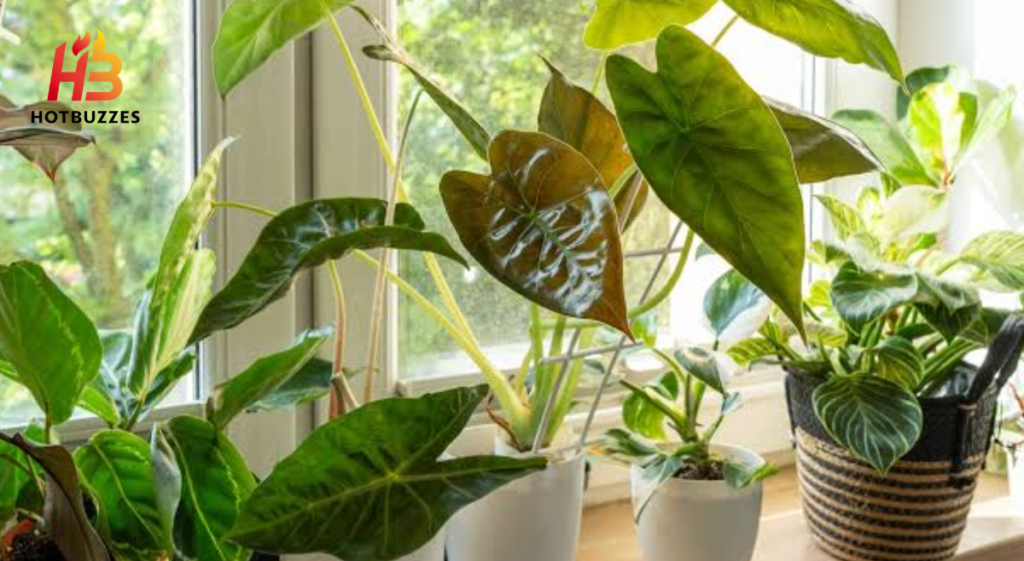
Something shifted in the plant world over the last few years. The mass buying frenzy of the pandemic era has settled, and what has replaced it is something more considered, a collector’s mindset that prioritizes plants with genuine character over whatever happens to be trending on social media that week.
According to the Garden Media Group’s 2026 Garden Trends Report, houseplants are now the fastest-growing category of collectible items. Like vintage cameras or limited-edition figures, rare plants have become part of “intentional clutter.” Gen Z and millennials collect unique plants as a response to disposable culture, creating personal collections filled with unusual specimens.
This guide covers ten rare houseplants that are genuinely worth collecting in 2026, not based on hype alone, but on the combination of visual character, market trajectory, biological interest, and long-term satisfaction they offer serious collectors. It also covers what separates a smart collection from an impulsive one, how to source rare plants reliably, and what care infrastructure you actually need before spending significant money on a specimen.
What Makes a Plant Genuinely Rare in 2026
The word rare is one of the most misused terms in the houseplant market. Understanding what genuine rarity actually means, and what it does not mean, protects you from overpaying for plants that are merely temporarily unavailable rather than structurally scarce. Is Houseplant Worth It in 2026? That depends largely on whether you’re buying true rarity or just chasing a trend.
PlantVine’s 2026 rare houseplant collector guide identifies the different ways rarity can work in plants. Some plants are truly scarce because they are slow-growing, harder to propagate, or newly introduced into wider cultivation. Others carry pricing premiums because of hype cycles that have not yet corrected. A collector plant is worth buying for its form, stable variegation, texture, or long-term appeal, not just its price. Trends cool off. Plants with beautiful structure tend to hold attention much longer than hype-driven purchases.
The Bloom Up explains that plant rarity is driven by genetic mutations, limited supply, slow growth, and endangered native populations. These factors make rare plants difficult to reproduce and keep demand high.
Homes and Gardens’ 2026 collectible plant trend coverage quotes the Garden Media Group directly: Collecting is making a comeback, especially with Gen Z and millennials. They are reclaiming individuality through collecting, a quiet rebellion against disposable culture. Houseplants fit the bill because they can last for years, with endless varieties to discover.

1. Philodendron Spiritus Sancti
If there is one plant that represents the pinnacle of aroid collecting in 2026, it is the Philodendron Spiritus Sancti. This is no exaggeration. It consistently tops collector lists and commands some of the highest prices of any cultivated philodendron. Discover easy-care plants that combine stunning foliage with simple maintenance routines.
Soltech’s 2026 rare plant investment guide describes it as the crown jewel of aroid collections. Its elongated, sword-like leaves and storied history in the wild make it a grail plant for enthusiasts. Mature, non-tissue-cultured specimens typically sell for $900–$5,600. Tissue-cultured plants cost less, but serious collectors pay more for specimens with documented history.
Indoor Plantify’s 2026 rare plant guide describes the Spiritus Sancti as still at the top of collectors’ wishlists in 2026. The long, slender leaves look almost unreal; they hang gracefully and immediately attract attention. The slow growth rate surprises many new buyers, but it is part of what keeps supply genuinely limited.
The reason for its price beyond the aesthetics is its conservation status. Soltech confirms the plant is endangered in the wild, keeping demand high for verified non-tissue-culture specimens. Owning one is genuinely meaningful from a conservation standpoint as well as a collecting standpoint. Learn the secrets to growing healthy orchids with easy tips for long-lasting blooms.
Current value range: $900 to $5,600 for mature specimens. Tissue culture plantlets are available from $150 to $400. Why it holds value: Endangered in the wild, genuinely slow to propagate, recognized as the collector’s philodendron globally. Care note: Bright indirect light. High humidity above 60 percent. Stable temperatures. Slow grower that rewards patience.
2. Monstera Thai Constellation: Is Houseplant Worth It in 2026?
The Monstera Thai Constellation made rare variegated Monstera more accessible while remaining one of the most striking collector plants in 2026 at a justifiable price.
Max Snier’s rare houseplant collector list at Thursd explains the origin: the Thai Constellation originated in Thailand, where it has been produced for years in tissue culture. Due to high global demand, Thailand cannot grow the numbers that European and US growers require, resulting in persistently elevated prices despite tissue culture availability. European growers have successfully produced their own Thai Constellations, which is gradually increasing supply.
The Bloom Up gives current pricing context: depending on the specimen and size, prices for the Thai Constellation range from several hundred to over $1,000. The variegation, creamy white marbling that differs on every leaf, is stable because it is tissue-culture produced, unlike the unpredictable chimeric variegation of the Monstera Albo Borsigiana.
Soltech advises collectors buying any variegated monstera to check for variegation stability on the stem before purchasing. Even if the leaves are white, if there is no variegation on the axillary bud or stem, the plant may revert to plain green, causing it to lose both financial and aesthetic value. This check is critical when buying from secondary markets.
Current value range: $300 to $1,000+, depending on specimen size and variegation quality. Why it holds value: Stable variegation through tissue culture, consistently high demand, and visually spectacular. Care note: Bright indirect light is essential to maintain variegation intensity. Allow soil to dry slightly between waterings. Moss pole support encourages larger, more fenestrated leaves.
3. Monstera Aurea Variegata
If the Thai Constellation is the cream-and-green collector’s monstera, the Monstera Aurea is the gold standard, literally. “Aurea” means gold in Latin, and the plant’s foliage features a warm golden-yellow variegation rather than the cooler white tones of other variegated monsteras.
Max Snier at Thursd describes Monstera Aurea as probably one of the most sought-after variegated Monstera plants that generates genuine excitement even among collectors who already own Albo and Thai Constellation specimens. The golden colour distinguishes it visually from every other monstera variant and makes it immediately identifiable in any collection.
PLNTS.com’s most wanted rare plants list includes Monstera Aurea among the most desired variegated monsteras, noting the rarity comes from the combination of slow growth rate and the difficulty of reliably reproducing the specific golden tone through tissue culture.
Its variegation ranges from pale yellow to deep gold, with heavily variegated plants being the most valuable. Each new leaf is unique, varying from mostly green to almost entirely gold.
Current value range: $400 to $2,000+ for specimens with good gold coverage. Why it holds value: Visually distinct from all other variegated monsteras, chimeric variegation maintains scarcity and extremely high collector demand. Care note: Bright indirect light to maintain gold colour intensity. Avoid direct sun that scorches the lighter areas. High humidity reduces stress.
Is Houseplant Worth It in 2026? For the Monstera Aurea specifically, the price tag is steep, but its rarity, distinct look, and steady collector demand make it one of the safer high-end investments in the variegated monstera category.

4. Philodendron Pink Princess
The Philodendron Pink Princess remains one of the most recognizable collector plants in the world and shows no signs of losing its position at the top of wishlist after wishlist in 2026. Learn how tissue culture propagation helps grow identical plants quickly and efficiently.
The Bloom Up describes it as a Philodendron erubescens hybrid with striking pastel pink variegation. Well-variegated cuttings sell for around $100, while mature plants can cost several hundred dollars.
Homes and Gardens quotes resident plant expert Lucy Searle, who describes personally seeking out variegated indoor plants to add pops of colour, with the Philodendron Pink Princess specifically named as a standout collector’s choice for 2026.
The challenge with the Pink Princess that makes collecting it genuinely engaging is the chimeric nature of its variegation. Pink coverage varies unpredictably between leaves; some leaves come out predominantly pink, some predominantly dark burgundy-green, and the ideal leaf carries a roughly equal balance of both. When a heavily pink leaf emerges, it is one of the most striking sights in the houseplant world. The unpredictability is part of the appeal for collectors who want a plant that is different from itself leaf to leaf.
Current value range: $100 for cuttings with pink nodes to $400 for well-variegated whole plants. Why it holds value: Chimeric variegation maintains scarcity; no other plant produces this specific pink-and-burgundy combination, with a wide collector base. Care note: Bright indirect light to maintain pink intensity. Prune stems that revert to solid colour to encourage variegated growth. Avoid direct sunlight that bleaches the pink areas.
5. Anthurium Velvet-Leaf Hybrids (King of Spades and Papillilaminum Crosses)
The most significant shift in the rare plant collector market for 2026 is the move from climbing vining plants toward velvet-leafed anthuriums. This is a genuine trend change noted by multiple serious collector sources, and understanding it positions you ahead of where the market is heading.
Soltech identifies the shift explicitly: in 2026, many collectors are moving away from climbing vines and toward velvet-leafed anthuriums. The Anthurium King of Spades and rare Papillilaminum hybrids are leading the charge. Current values for dark, mature velvet anthuriums range from $600 to $1,050. These plants function as sculptural trees in modern interior design, offering a dark, moody aesthetic that is highly sought after by designers working with the warm neutral and dark tonal palettes dominating 2026 interiors.
Indoor Plantify describes velvet-leaf anthuriums as dominating collector shelves in 2026 with long, deep green leaves and bright, contrasting veins that look dramatic yet elegant. Humidity matters with these plants; dry air causes tip crisping. Stability matters too; some rare anthuriums do not respond well to being moved frequently once established.
The appeal of velvet-leaf anthuriums for serious collectors is multidimensional: they combine tactile texture with visual drama, they photograph in ways that flat-leaved plants cannot replicate, and new hybrid crosses are being developed that produce genuinely novel colour and pattern combinations that will not be replicated by tissue culture for years.
Value Range
Current value range: $600 to $1,050 for dark mature specimens. New hybrid crosses can exceed these figures significantly. Why they hold value: Active hybrid development creating genuinely new plants, shift in collector preference toward this category, strong design aesthetic alignment with 2026 interior trends.
Care Note
Care note: High humidity above 60 percent is essential. Bright indirect light. Stable position; avoid moving frequently. Moderate watering with good drainage. Enjoy fresh, homegrown herbs all year by choosing the best plants for your kitchen windowsill.
6. Monstera Albo Borsigiana
The Monstera Albo Borsigiana is the plant that defined the peak of plant collecting in the early 2020s, and while prices have corrected from their extraordinary 2021 highs, it remains one of the most visually striking and genuinely rare plants a collector can own.
Max Snier at Thursd explains the production reality: Monstera Albo Variegata plants are grown by multiple growers in Holland and Belgium who push out the majority of white-variegated monsteras for the European market. Due to the slow growth of this plant and high demand, prices remain elevated. Crucially, tissue culture is impossible for this variety because the chimeric variegation is a natural defect that tissue culture processes eliminate; this structural supply limitation keeps the Albo genuinely rare in ways that tissue-culture plants cannot be.
Is Houseplant Worth It in 2026? A Look at Pattern Variation
The pattern variation between specimens and between leaves on the same plant is the defining characteristic that makes the Albo so compelling. Half-moon leaves, where an entire half of the leaf is white, are the most sought-after pattern. The sector leaves with large blocks of white are next. Speckled patterns with small dots of white command lower premiums but are still visually beautiful.
Soltech advises verifying variegation on the stem before purchasing any Albo. If the axillary bud shows no variegation, the next leaves may emerge fully green regardless of current leaf appearance. This is the most important buying criterion for chimeric plants that collectors need to know before any purchase.
Current value range: $200 to $800 for single-node cuttings with good variegation. Mature specimens with documented variegation history command higher premiums. Why it holds value: Cannot be produced via tissue culture, chimeric variegation maintains genuine scarcity, and each plant is visually unique. Care note: Bright indirect light is mandatory to maintain variegation. Avoid low light that triggers green reversion. A moss pole encourages larger fenestrated leaves.
7. Aglaonema Pictum Tricolour
The Aglaonema Pictum Tricolour is one of the most unusual-looking plants in the entire houseplant world and one of the most genuinely rare at a structural level that goes beyond hype or trend. Create a greener bathroom with these beautiful houseplants that love warmth and humidity.
The Bloom Up describes it precisely: this plant boasts a mix of three different shades of green on its leaves, giving it a camouflage-like appearance. It is a slow grower and challenging to produce, making it a rare find in the market. Prices range from $100 to $200, reflecting its high value among collectors.
The camouflage pattern is not random. The three tones, light green, medium green, and dark forest green, are distributed across each leaf in irregular patches that create an appearance remarkably similar to military camouflage fabric. No two leaves carry the same pattern. No two plants look identical. This level of natural variation within a reliable overall aesthetic is what makes it genuinely compelling to collect and grow over time.
The slow growth rate that limits commercial production is also what makes individual plants rewarding to own. Each new leaf takes longer to develop than in faster-growing species, but the reveal of a new leaf’s specific camouflage pattern is consistently surprising. For collectors who value the process of growing rather than just the finished display, the Tricolour delivers an experience that faster plants cannot replicate.
Current value range: $100 to $200 for established plants. Rare specimens with particularly vivid patterning can exceed this range. Why it holds value: Genuinely difficult to produce at scale, unique pattern that no other commonly available plant replicates, steady collector demand. Care note: Medium indirect light. Keep soil consistently moist but well-draining. Higher humidity prevents tip browning. Avoid direct sunlight that fades the pattern contrast.
8. Alocasia Silver Dragon
The Alocasia Silver Dragon has been building momentum for several years and, in 2026, sits at what many experienced collectors consider the ideal intersection of genuine rarity, visual distinctiveness, and manageable care requirements.
Soltech’s 2026 trending plant guide names the Alocasia Silver Dragon as one of the plants defining collector interest in 2026, with metallic-looking leaves that add visual magic indoors. The leaves have a heavily textured surface genuinely resembling dragon scales, coloured in silvery-green with dark contrasting veins, a combination that photographs dramatically and impresses in person even more.
The Silver Dragon is a hybrid between Alocasia baginda Silver and Alocasia baginda Dragon Scale, and unlike many rare alocasias, it is manageable enough for collectors who are not growing in greenhouse conditions. It stays relatively compact, handles the brighter end of indirect light without stress, and tolerates the kind of slight care variability that more demanding collector plants cannot.
PLNTS.com includes the Alocasia Silver Dragon among the most desired rare plants, noting its combination of visual impact and relative accessibility compared to the most extreme collector plants makes it a strong first or second rare plant for collectors building their first serious collection.
Current value range: $40 to $150 for established plants. Larger, more mature specimens command higher premiums. Why it holds value: Distinctive texture that photographs exceptionally well, collector desire consistently exceeds production speed, and appeals to both new and experienced collectors. Care note: Bright indirect light. Allow soil to partially dry between waterings. Humidity above 50 percent. Temperatures between 15 and 30 degrees Celsius.

9. Begonia Ferox
The Begonia Ferox is one of the most talked-about plants entering wider collector awareness in 2026. Its textured surface, covered in sharp, spine-like protrusions called bullae, looks unlike anything else in the houseplant world and represents the direction serious collectors are moving as aroids become more mainstream.
Indoor Plantify describes the Begonia Ferox as trending in 2026, with texture as its defining quality; it resembles reptile skin with creamy flecks. The texture is not superficial. The bullae, the spiky protrusions that cover the upper leaf surface, are actual plant tissue structures that give the leaf a three-dimensional quality visible from across a room.
PlantVine notes that the Begonia Ferox can be grown by beginners if watering is consistent and the soil drains well. Stable care is more important than high humidity for this particular species, which distinguishes it from many other collector plants that demand more specific environmental conditions.
Broader Significance:
The broader significance of the Begonia Ferox’s rise is what it signals about 2026 collector taste: a move toward textural, sculptural plants that deliver visual interest through surface quality rather than colour variation alone. This is a natural evolution as variegation becomes more widely available through tissue culture and collectors seek the next distinguishing quality that cannot be mass-produced.
Current value range: $50 to $200 for established specimens. Rarity keeps prices relatively stable despite growing interest. Why it holds value: Unique surface texture that tissue culture cannot replicate in appearance, growing collector interest, and visual distinctiveness that increases as the plant matures. Care note: Bright indirect light. Consistent watering with excellent drainage. Stable environment; avoid frequent relocation. Can tolerate average household humidity.
Is Houseplant Worth It in 2026? For the Begonia Ferox, the answer leans yes, its beginner-friendly care needs paired with a lower price point make it one of the more accessible entries into collector-grade plants.
10. Monstera Obliqua Peruvian Form
The Monstera Obliqua in its Peruvian form is the rarest plant on this list by any meaningful measure. It is the plant that most collectors acknowledge they will probably never own, but understanding it provides a useful anchor for contextualizing rarity and value at the end of the collector market.
Soltech provides the critical identification warning that any serious collector must know: true Peruvian Obliquas are extremely rare and delicate, with leaves that consist of more holes than plant matter. Many sellers mislabel the common and much cheaper Monstera adansonii as Obliqua. Always verify the source and look for the signature lace-like fragility of true Obliqua leaves, a leaf that is structurally more perforated than the surface is the defining characteristic.
PLNTS.com describes the Monstera Adansonii Variegata, a related and more accessible option in the same family, as a rarely-seen cultivar combining the typical charm of the Monstera with beautiful tonal explosions of light whites and fresh greens. This is the more realistic collector’s entry into this plant family for most buyers.
For collectors at any level, the Obliqua represents a useful lesson in the difference between genuine structural rarity and market manipulation. Knowing which is which protects the investment and the experience of building a collection.
Current value range: Verified specimens are priced individually by provenance. Mislabeled adansonii are sold for $20 to $100. Why it holds value: True structural rarity that cannot be addressed through tissue culture or improved production, consistent demand from the most serious collector tier. Care note: Delicate and demanding. High humidity above 65 percent. Bright indirect light. Very limited soil watering due to the fragile root system. Not recommended for first-time collectors.
Is Houseplant Worth It in 2026? Where to Source Rare Plants Reliably
The most important skill in rare plant collecting is knowing where to buy, because the seller determines the quality of the information you receive alongside the plant.
PlantVine identifies the most reliable sources as specialist rare plant retailers with documented provenance records, established plant auction platforms where community reputation matters, and direct purchases from known growers who can verify genetic history. The least reliable source is any anonymous marketplace listing with no verifiable seller history and prices that seem too low for what is being advertised.
Soltech notes that in 2026, original mother-plant cuttings often hold much higher value than mass-produced lab clones. Collectors pay a premium for plants with documented history or those that cannot be easily produced via tissue culture. Asking for provenance documentation before any significant purchase is reasonable, and any reputable seller will provide it willingly.
Plant community groups, collector forums, and verified Instagram sellers with established track records remain the most fertile sourcing ground for genuinely rare specimens that have not yet reached mainstream retail channels. Keep your kitchen stocked with fresh herbs by learning how to grow them successfully indoors.
The community knowledge in these spaces, about which sellers are reliable, which plants are mislabelled, and which new varieties are worth watching, is genuinely valuable and not available from any retail source.
FAQs
Q1: Is tissue culture changing the value of rare plants in 2026?
Yes significantly. Soltech confirms that in 2026, original mother-plant cuttings often hold much higher value than mass-produced lab clones. Tissue culture makes some previously rare plants more accessible, which lowers their price, but cannot replicate chimeric variegation or the provenance value of documented non-TC specimens.
Q2: Should I buy one expensive, rare plant or several cheaper ones?
PlantVine recommends building slowly. Five carefully chosen plants you can support well give more satisfaction than twenty impulse buys competing for the same patch of light. The smartest collections are personal, not performative.
Q3: What infrastructure do I need before buying a rare plant?
Bright indirect light near a window or under grow lights, consistent humidity appropriate to the species, stable temperature away from cold drafts and heat vents, and a chunky, well-draining soil mix. PlantVine confirms rare plants are less forgiving than common ones when conditions are wrong.
Conclusion
The rare houseplant market in 2026 is more mature, more considered, and more interesting than it was at the peak of the plant mania years. Prices have corrected from their most extreme highs. Tissue culture is making some previously inaccessible plants available to a wider range of collectors. And the collector community itself has developed sophisticated knowledge about what genuine rarity means versus what is simply temporarily unavailable.
The ten plants in this guide, from the Philodendron Spiritus Sancti at the pinnacle of collector value through to the accessible Alocasia Silver Dragon and characterful Begonia Ferox, represent a range of entry points into serious plant collecting. Some require significant investment and specialist growing conditions. Others can be started with modest budgets and average home conditions.
All of them offer something that common houseplants cannot: a sense of ownership that is genuinely rare, genuinely alive, and genuinely worth the attention. The Garden Media Group named houseplants the fastest-growing collectible of 2026. The reason is simple. Unlike most collectibles, these grow.

Asim Usman is a plant enthusiast and content writer who specializes in creating informative, reader-friendly articles on plant care and gardening. He combines thorough research with practical insights to provide accurate, easy-to-follow guidance that helps readers grow healthy plants with confidence. His goal is to make plant care simple, enjoyable, and accessible for everyone.