
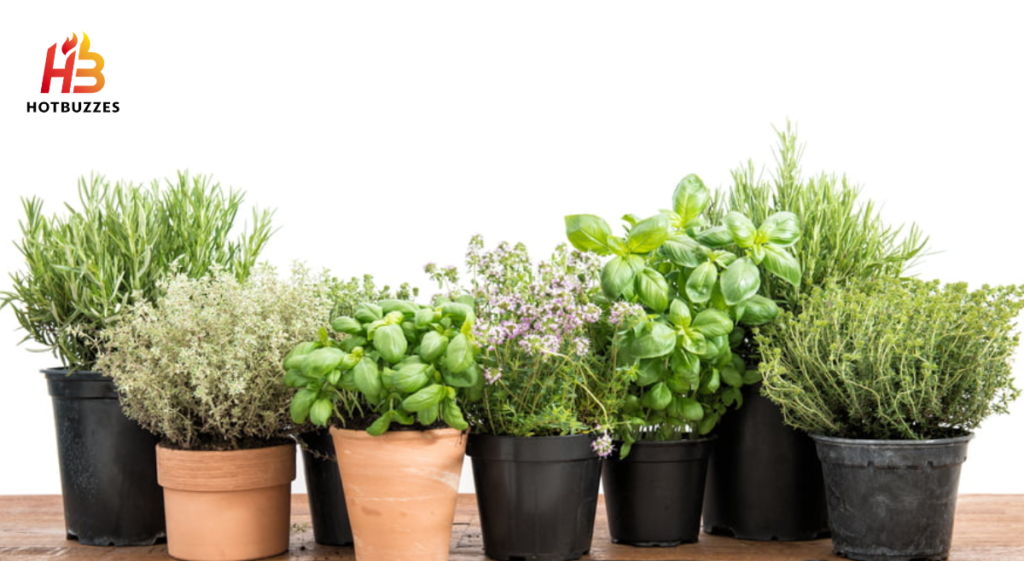
There is a specific kind of satisfaction that comes from walking past your kitchen window. Pinch a few basil leaves and drop them directly into whatever is on the stove. There’s no trip to the shop. You avoid a wilted bunch from the refrigerator drawer. You also avoid paying a premium for a small packet that was cut days ago. Fresh herbs available every day of the year, regardless of the season outside, is something most people assume requires a greenhouse or a specific kind of growing expertise.
It does not. It requires three things: the right light, the right drainage, and a watering rhythm that matches how herbs actually behave in a container indoors rather than how we imagine they should behave.
According to AquaGertech’s February 2026 guide to growing herbs indoors year-round, indoor herbs succeed when you control three variables: light, drainage, and watering rhythm. Indoors, light, airflow, and watering margins are tighter than outdoors, so issues show up in days rather than weeks. Get those three variables right, and a kitchen herb garden runs itself with basic maintenance.
This guide covers everything from selecting which herbs actually thrive indoors to their specific light and soil requirements. It also explains the watering mistakes that kill more herbs than anything else. You’ll learn how to harvest without damaging your plants. It also shows how to keep herbs producing through winter when most outdoor growing has stopped entirely.
Why Indoor Herb Growing Is Different From Outdoor Gardening
Before choosing containers and seeds, understanding what changes between outdoor and indoor herb growing prevents the most common failures. Smart Garden Experts’ December 2025 complete herb growing guide identifies the core difference with a useful analogy: think of sunlight for indoor herbs as the food that your plants turn into the oils and flavours you want in your cooking. Without enough light, herbs stretch toward windows with thin stems and tiny leaves.
The essential oils that give herbs their culinary value are produced in response to light exposure. Herbs grown in inadequate light taste bland, even when they look healthy enough, because the oil production that generates flavour has been curtailed. Start a productive windowsill herb garden with these beginner-friendly herbs and care tips.
The outdoor herb bed benefits from multiple advantages that an indoor pot cannot replicate automatically. Rain leaches accumulated salts from the soil. Wind provides constant airflow that dries the soil surface and strengthens stems. Insects and birds patrol for pests. Beneficial soil microorganisms renew naturally. None of those processes function in a sealed pot on a windowsill, which is why indoor herb growing requires deliberate management of things that happen passively outdoors.
AquaGertech puts the consequence of this tighter margin precisely: indoors, issues show up in days rather than weeks. An outdoor basil plant might survive three days without water. Residual soil moisture and dew help bridge the gap. An indoor basil in a small terracotta pot on a hot south-facing windowsill can decline visibly within twenty-four hours of the same neglect. This heightened responsiveness works in both directions. Herbs grown in ideal indoor conditions also improve more visibly and more quickly than outdoor plants in suboptimal weather.

Light: The Factor That Determines Everything Else
Every experienced indoor herb grower eventually says the same thing: light is the starting point. Everything else, watering frequency, soil choice, and fertiliser schedule, adjusts to fit the light reality of a specific space.
Smart Garden Experts states it directly: light is the most limiting factor for indoor herb success. AquaGertech is equally clear: without adequate light, watering adjustments will not fix leggy growth. Light must come first.
Most culinary herbs are sun-loving Mediterranean plants that evolved in conditions with strong, direct sunlight for much of the day. LawnGardenPro’s June 2026 herb growing guide specifies: set up a south-facing window or use grow lights for at least four hours of direct sunlight per day to support optimal herb growth. Secrets of the Green Garden’s 2026 herb guide confirms that most culinary herbs require at least six hours of bright light each day.
The south-facing window recommendation applies in the Northern Hemisphere, where south-facing windows receive the most total sunlight through the year. East-facing windows receive direct morning sun and are suitable for herbs that prefer less intense light. Parsley, mint, and chives handle east-facing windows well. West-facing windows receive afternoon sun and work for most herbs, but deliver more intense, later-day light that can stress tender herbs like basil in summer.
Fundamental Limitation of Window Growing
AquaGertech identifies the fundamental limitation of window growing: many beginners rely solely on window light, but while this can work in peak summer near a strong south-facing window, most apartments do not provide enough consistent light across all seasons. Supplemental lighting increases consistency significantly. Most kitchen herbs perform best with twelve to sixteen hours of bright light daily, a target that window light alone rarely reaches in autumn or winter.
A grow light placed close to herbs for 12–16 hours a day solves the light problem. It also makes year-round growing possible, regardless of the season. Modern LED grow lights are energy-efficient and produce very little heat. They are also available in desk-lamp styles that fit well in a kitchen. For apartments with limited window light or for maintaining a steady winter harvest, a grow light is the single most valuable investment for indoor herb growing.
The diagnostic sign that light is insufficient is easy to spot. Herbs stretch toward the window. They develop long, thin stems with small, widely spaced leaves. The scientific term for this is etiolation. The plant allocates available energy to growing toward the light source rather than producing the dense, flavourful foliage that adequate light promotes. Moving the plant to a brighter position or adding supplemental light corrects this faster than most people expect.
Selecting the Right Herbs for Indoor Growing
Not all herbs perform equally well indoors. Some herbs are genuinely suited to indoor conditions. Others struggle with the reduced light and airflow indoors. This happens regardless of how carefully they are tended.
Master Gardeners of Northern Virginia’s November 2025 indoor herb guide identifies basil, mint, rosemary, thyme, and other herbs that thrive indoors. Secrets of the Green Garden identifies six as the easiest and most productive for indoor conditions: basil, mint, chives, parsley, thyme, and rosemary.
Popular Indoor Herb
Basil is the most commonly grown indoor herb and one of the fastest. Secrets of the Green Garden describes it as one of the most popular indoor herbs because of its fast growth and versatility in the kitchen. It needs consistent moisture; keep soil evenly moist but never waterlogged. The critical care rule: pinch off any flower buds as soon as they appear. Once basil flowers, it redirects its energy to seed production; the leaves become bitter, and the plant declines. Regular pinching of flower tips is what keeps basil productive for months rather than weeks. Grow a lush basil plant indoors by following these beginner-friendly care tips and solutions.
Mint is among the most forgiving indoor herbs and produces reliably in lower light than most. Secrets of the Green Garden gives the most important practical instruction for mint: grow it in its own container since it spreads aggressively and can quickly outcompete other herbs. This is non-negotiable advice: Mint’s spreading root system will take over any shared container within weeks. Keep soil consistently moist.
Chives are easy to grow and continuously produce fresh, mild onion-flavoured leaves. Secrets of the Green Garden specifies full sun or very bright indirect light and watering when the top inch of soil feels dry. Harvest by cutting leaves about two inches above the soil rather than pulling the plant. Cutting two inches above the base allows continuous regrowth from the same plant for months.
Versatile Herb
Parsley is a versatile herb that grows well indoors with steady moisture and adequate light, at least four to six hours of bright light each day. Secrets of the Green Garden recommends harvesting the outer stems first, allowing the centre of the plant to continue producing new growth. Parsley is a biennial; it grows leaves in its first year, flowers, and sets seed in its second, and then dies. For continuous harvest, start new plants annually.
Light-demanding Herb
Thyme is one of the most light-demanding herbs on this list and rewards the brightest spots with the most flavourful leaves. Secrets of the Green Garden specifies at least six hours of direct light. Thyme is a hardy Mediterranean herb that tolerates drier conditions better than most other herbs. Its drought tolerance makes it more forgiving of missed waterings than basil or parsley.

Rosemary is the herb that most consistently disappoints beginners growing indoors, not because it is difficult, but because its care requirements are the inverse of what most people assume. Smart Garden Experts confirms rosemary’s core need: maximum available light. It needs direct sun to produce the aromatic oils that make it useful in cooking. The watering distinction that catches most people: rosemary is Mediterranean and prefers to dry out between waterings. It’s most common indoor killer is overwatering in the belief that herbs always need moisture.
Cilantro and Dill
LawnGardenPro adds cilantro and dill to the list of herbs that can grow indoors. However, they require a more humid environment, such as a kitchen or a bathroom with high humidity. Both herbs bolt quickly. They produce flowers and set seed in response to heat or long days. This makes them more challenging to maintain for extended periods than the perennial herbs listed above.
Containers and Drainage: The Foundation of a Healthy Root System
More indoor herbs die from drainage failure than from any other single cause, and the solution is straightforward: every container must have drainage holes, and those holes must function. AquaGertech identifies the consequence of decorative pots without drainage: slow root suffocation. Always prioritise function over aesthetics when growing herbs indoors. A beautiful ceramic pot without a drainage hole creates a slow-motion drowning situation for herb roots, water pools at the bottom, oxygen is displaced, and roots begin to rot from the base upward over days to weeks.
The Old Farmer’s Almanac’s February 2026 indoor herb guide recommends choosing containers that match the size of the herb; herbs in too-large pots have excess soil that holds moisture the roots cannot draw from, leading to the same waterlogging problem. A four to six-inch pot suits most kitchen herbs adequately and allows enough soil volume to buffer between waterings without creating a drowning risk.
Terracotta pots have a specific advantage for herbs: their porous walls allow air and moisture exchange through the clay, which dries the soil faster between waterings and reduces root rot risk. Mediterranean herbs like rosemary, thyme, and sage, all of which prefer drier conditions, perform particularly well in terracotta because it matches their natural drought-adapted biology.
For a collection of multiple herbs, window box-style containers work well if they have drainage holes running the full length. The important practice when growing multiple herbs in the same container: LawnGardenPro notes that herbs like chives and parsley prefer well-draining soil and moderate humidity. Cilantro and dill require more humid environments. This means grouping herbs by their moisture preferences rather than planting all herbs together regardless of their needs.
Soil: Why Standard Garden Soil Ruins Indoor Herbs
The soil choice for indoor herbs is one of the most commonly mishandled decisions and one that cannot be compensated for by adjusting watering or light. The Old Farmer’s Almanac specifies clearly: the best soil for indoor herbs should be light and well-draining, ideally with perlite or coco coir, and some compost for added nutrients. Garden soil is too dense for indoor herbs and causes drainage issues in pots.
The density problem with garden soil in containers is fundamental. Outdoor soil contains minerals, clay particles, and organic matter that compact progressively under the weight of repeated watering in a confined container. Within weeks, water channels through cracks at the edges of the pot rather than distributing through the root zone, and the compacted centre never dries adequately. Root systems suffer both from insufficient oxygen and from uneven moisture distribution.
Smart Garden Experts confirms proper drainage prevents root rot that kills more indoor herbs than any other problem. The practical soil composition that works for most culinary herbs: standard commercial potting mix combined with perlite at roughly a two-to-one ratio. The perlite improves drainage dramatically without affecting the moisture retention capacity of the potting mix, giving herb roots the open, aerated environment they need.
Master Gardeners of Northern Virginia recommends refreshing the top layer of soil every few months by adding compost or worm castings to replenish nutrients in the soil without chemical fertilisers. This top-dressing approach maintains soil quality between annual repotting without the disruption of a full soil replacement.
Watering Indoor Herbs Without Killing Them
Overwatering is named as the leading cause of indoor herb death by every credible source covering this topic, and it is worth understanding exactly why, so that the correct approach makes intuitive sense rather than just being a rule to follow.
JetFire Tools’ April 2026 herb growing guide states it directly: overwatering is the leading cause of death for indoor herbs. The key to successful watering is to water deeply but infrequently. AquaGertech explains the mechanism that makes indoor overwatering so damaging: because indoor airflow is limited, moisture remains trapped in containers longer than expected. Roots sitting in saturated soil lose oxygen quickly.
The correct watering approach from JetFire Tools is the same finger test used for any houseplant: stick a finger about one inch deep into the soil. If it feels dry, it is time to water. If it feels moist, wait another day or two. When you water, always water until you see drainage from the pot’s bottom holes. This ensures the full soil volume is moistened and prevents salt buildup that affects both root health and herb flavour.
The watering behaviour that most commonly destroys indoor herbs is the daily splash. Many people water their herbs a small amount every day because herbs are used in cooking and seem to need frequent attention. Small daily waterings only moisten the top centimetre of soil; the root zone lower in the pot stays dry, forcing roots to grow only at the very surface, and the surface layer stays perpetually slightly damp. That combination produces shallow, weak roots and the surface-moisture conditions that encourage fungal issues and fungus gnats.
Warning Signs
AquaGertech identifies the warning signs that a herb has already been overwatered: yellowing lower leaves, soft or mushy stems at the soil level, a sour smell from the soil, and slow or stopped growth despite being watered regularly. Any of these signs should trigger an immediate soil check and a suspension of watering until the soil is genuinely dry at depth.
Fertilising Indoor Herbs: Frequency Matters More Than Quantity
Indoor herb fertilising follows a counterintuitive rule that mirrors the coleus and orchid guidelines from earlier in this guide: less fertiliser produces better flavour. Smart Garden Experts gives the most specific guidance: fertilise indoor herbs weekly to replace nutrients they would get from outdoor garden soil. However, the caveat is equally important, over-fertilising herbs actually reduces their aroma and flavour. Apply a low-dose water-soluble fertiliser every two weeks at most, and less during winter months.
The mechanism behind this is essential oil production. The aromatic compounds that give herbs their culinary value are produced as responses to mild environmental stress, including mild nutrient stress. Heavily fertilised herbs produce lush, fast growth at the expense of the oil concentration that makes them flavourful. The same herb grown with moderate fertiliser in bright light has smaller, more textured leaves with noticeably more intense aroma and taste than the same species grown with heavy fertiliser in lower light.
A balanced liquid fertiliser at half the recommended strength applied every two weeks through spring and summer, reducing to once a month in autumn and stopping entirely in winter, is the practical schedule that maintains both growth rate and flavour quality. Master Gardeners of Northern Virginia recommends refreshing soil with compost or worm castings as a complementary organic feeding approach that improves soil biology alongside the modest NPK contribution.
Harvesting Without Damaging the Plant
The harvesting technique used on indoor herbs determines how long the plant remains productive. Done correctly, harvesting encourages more growth. Done incorrectly, it stresses the plant and shortens its useful life significantly.
LawnGardenPro gives the core rule: harvest herbs regularly to encourage bushy growth and prevent flowering. Use scissors to cut stems just above a node for optimal regrowth. The node, the point on the stem where leaves emerge, contains the meristematic tissue that produces new growth. Cutting just above a node leaves that tissue intact and stimulates the two buds below the cut to develop into new stems.
Secrets of the Green Garden gives chive-specific harvesting guidance: cut leaves about two inches above the soil rather than pulling the plant. The two-inch height preserves the growing base while removing the mature leaf material available for cooking. The remaining two inches of growth regenerate quickly, producing a continuous harvest cycle.
For basil specifically, the harvesting technique that extends productive life involves always cutting back to a leaf pair rather than pulling individual leaves. Removing individual leaves slows the plant’s regrowth response. Cutting back to a leaf pair, where two leaves grow from the same node, stimulates the lateral buds at that node and every node below it to produce new stems simultaneously, producing a more compact and bushy plant over time.
Master Gardeners of Northern Virginia recommends trimming plants regularly to prevent flowering and encourage leaf production. This is particularly important in the long days of summer when many herbs respond to increasing light duration by initiating the flowering cycle. A herb that is allowed to flower once diverts energy toward seed production and may decline significantly before the grower notices what has caused the change.

Keeping Herbs Producing Through Winter
The most common reason indoor herb collections collapse in late autumn is not temperature. Most kitchens stay warm enough. The real problem is light. As the sun’s angle drops and the days become shorter, the quality and quantity of natural light through windows decrease significantly. Herbs that were thriving in August begin to stretch and pale by November.
AquaGertech describes the seasonal shift that needs to happen inside the home: growing herbs indoors year-round means adjusting for seasonal shifts in your home. The simple adjustment is supplementing failing natural light with artificial light. A basic LED grow light running for twelve to fourteen hours daily picks up where the window leaves off and allows the same herbs to continue producing through the darkest months of the year.
Master Gardeners of Northern Virginia gives a comprehensive winter maintenance approach: trim plants regularly to prevent flowering and encourage leaf production. Rotate pots to ensure even growth. Refresh the top layer of soil every few months by adding compost or worm castings to replenish nutrients. Repot perennial herbs yearly or when they become root-bound.
Some herbs genuinely benefit from a winter rest. Rosemary, thyme, and oregano, all Mediterranean perennials, naturally slow their growth in winter. Harvesting less aggressively through the winter months and allowing the plants to consolidate before the spring growth surge produces healthier, more vigorous plants in spring than pushing for maximum harvest year-round without any seasonal adjustment.
Starting From Seeds Versus Starting From Transplants
The choice between starting from seed and buying established plants affects two things. It influences the timeline to the first harvest. It also affects the cost of building a collection. The Old Farmer’s Almanac offers a practical comparison. Seeds are cheaper, but nursery-started plants are ready to harvest sooner. The timeline difference is significant for fast-growing herbs like basil. A nursery transplant can provide harvestable leaves within a week of purchase. Seeds take three to four weeks to germinate and another four to six weeks to reach harvestable size.
For slow-growing herbs like parsley and rosemary, the seed-to-harvest gap is even wider. Parsley seeds take two to four weeks to germinate under ideal conditions. Rosemary from seed is notoriously slow and takes many months to reach a size worth harvesting. For these herbs, nursery transplants make practical sense even for cost-conscious growers.
The Old Farmer’s Almanac gives the seed starting technique for beginners: fill a tray or small pots with pre-moistened seed-starting mix and follow the instructions on the packet. Most herb seeds are tiny and only need a light covering of soil. Keep the seed-starting mix moist but not saturated until germination occurs.
JetFire Tools describes propagation from cuttings as a reliable alternative for woody herbs like rosemary: dip the cut end in rooting hormone powder and plant directly into a small pot of moist potting mix. Keep the soil consistently moist until new top growth signals successful rooting. This approach produces true genetic copies of the parent plant and is particularly useful for propagating named varieties with specific flavour profiles.
Pest Management for Indoor Herb Gardens
Indoor herb gardens attract a narrower range of pests than outdoor ones, but the most common indoor pests can cause a rapid decline in herbs that are already under light or moisture stress. LawnGardenPro identifies the most common herb pests: spider mites and mealybugs. Avoiding them requires maintaining good air circulation, reducing humidity, and inspecting plants regularly.
Spider mites are particularly attracted to herbs growing in dry, warm conditions, often the same conditions that suit Mediterranean herbs like rosemary and thyme best. Their presence is indicated by fine webbing between stems and leaves and by a stippled, pale appearance to the leaf surface. Treatment with insecticidal soap applied weekly until clear is effective, as is increasing air circulation around affected plants.
Fungus gnats are the most common pest problem specifically linked to overwatered herb pots. Their larvae live in the moist top layer of soil and feed on organic matter and fine roots. Allowing the soil to dry out more completely between waterings removes the conditions their eggs require to hatch. Yellow sticky traps placed near the soil surface catch adult gnats and break the breeding cycle over two to three weeks.
Aphids cluster on new growth and are most easily removed with a strong jet of water or by wiping affected stems with a damp cloth. For herbs used in cooking, avoid any chemical pesticide treatment on plants within two weeks of harvest.
FAQs
Q1: How much light do indoor herbs actually need?
Smart Garden Experts confirms most kitchen herbs perform best with twelve to sixteen hours of bright light daily. A south-facing window provides the best natural light. For herbs in rooms with less natural light, a grow light running twelve to fourteen hours daily is the most effective solution and makes genuine year-round production possible.
Q2: Can I grow herbs in a room with no windows?
Yes, with a grow light. AquaGertech confirms that supplemental lighting increases consistency significantly. A full-spectrum LED grow light positioned close to the plants for twelve to sixteen hours daily provides sufficient light for most culinary herbs regardless of natural light availability.
Q3: Why does my basil keep dying?
The most common causes in order of frequency are: overwatering with waterlogged soil, insufficient light, and allowing the plant to flower without pinching back the buds. Check soil moisture before every watering, move to the brightest available position, and pinch off any flower buds as soon as they appear. Secrets of the Green Garden confirms basil needs consistently moist but never waterlogged soil.
Q4: Can I grow mint with other herbs in the same container?
No. Secrets of the Green Garden is direct: grow mint in its own container since it spreads aggressively and can quickly outcompete other herbs. Mint’s rhizomatous root system extends rapidly and will displace other herb roots from any shared container within weeks.
Q5: How do I harvest herbs without killing the plant?
Always cut stems just above a leaf node using clean scissors rather than pulling or tearing. LawnGardenPro confirms cutting just above a node for optimal regrowth. Never remove more than one-third of the plant’s total growth in a single harvest; the remaining two-thirds continues photosynthesising and supports rapid regrowth of the harvested sections.
Q6: Do I need to fertilise herbs growing in fresh potting mix?
Not immediately. Fresh potting mix contains starter nutrients that last four to eight weeks. After that window, Smart Garden Experts recommends a low-dose water-soluble fertiliser every two weeks at most. Over-fertilising herbs reduces their aroma and flavour. The goal is steady, modest nutrition rather than aggressive growth promotion.
Conclusion
A year-round indoor herb garden is not an aspirational project for dedicated enthusiasts. It is a practical and achievable system. It delivers daily value in the kitchen with surprisingly modest investment. Success comes once the three controlling variables, light, drainage, and watering rhythm, are correctly established.
The starting point that makes everything else easier is choosing herbs suited to indoor conditions. Basil, mint, chives, parsley, thyme, and rosemary are the most productive and forgiving. Give them the brightest position available, supplement with a grow light through the darker months, use well-draining potting mix in containers that have drainage holes, and water deeply only when the top inch of soil feels dry.
Harvest regularly and pinch off flower buds before they open. Top-dress the soil every few months with compost. Adjust the watering frequency downward in winter when growth slows. These are small, consistent acts rather than demanding interventions. They keep an indoor herb collection producing across every season. The daily return of a pinch of fresh basil, a sprig of thyme, and a handful of chives makes the modest effort completely worthwhile.

Ajwa Asif is a writer with a passion for plants, gardening, and creating educational content. She researches plant-related topics using reputable horticultural resources and shares practical advice to help readers grow healthier plants and build confidence in their gardening journey. Her content focuses on delivering clear, reliable, and user-focused information.