
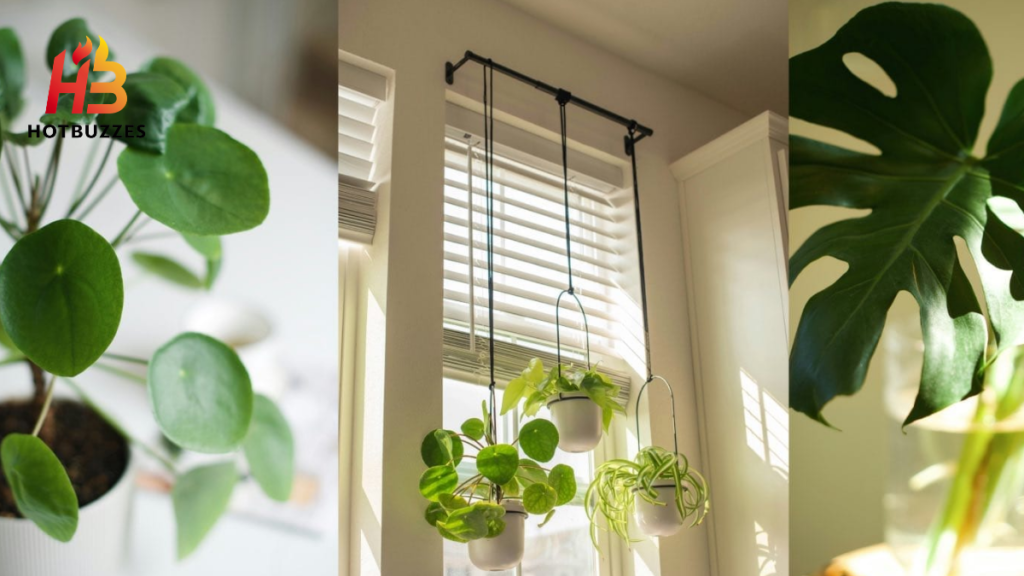
Interior design in 2026 has moved decisively away from the crowded, maximalist “jungle shelf” look that dominated houseplant styling for years. Instead, designers and trend forecasters are pointing toward fewer, larger specimens. These plants function less like background greenery and more like organic art pieces anchoring an entire room.
This shift changes not just which plants are trending, but why they are chosen in the first place. It favors architectural presence and intentional styling over sheer quantity. It also reshapes how a room’s greenery is expected to interact with its furniture, lighting, and overall color palette.
This guide walks through the plants actually driving 2026’s indoor design trends. It organizes them by the role each one plays in a space, from statement floor plants to compact apartment-friendly greenery. The guide also matches trending species to specific interior styles rather than simply following a random trend list.
The Shift From Plant Clutter to Statement Specimens
Before looking at individual species, it helps to understand the broader design shift driving this year’s trending plant choices.
Fewer, Larger Plants as Organic Art
The biggest trend for 2026 is moving away from plant clutter and toward fewer, larger specimens that define a space, according to Soltech’s guide to modern interior plant design. These larger plants act like organic art pieces that anchor open-concept rooms with height and drama. This marks a genuine departure from the densely layered plant shelves that defined the previous several years of houseplant styling.
Curation Over Clutter
Curation over clutter defines 2026 design more broadly. Thoughtful accessories and considered plant placement are replacing sheer volume as the marker of a well-styled space, according to Urbane Eight’s 2026 home decor trends coverage. The same coverage notes that smart placement turns passive decor into living design elements. This becomes especially important as natural daylight shifts throughout the day and across seasons.
Plant Maximalism Alongside Minimalism
Not every corner of the design world is moving toward restraint. In 2026, there is likely to be a move toward what creative director Ginny Henry of Patch Plants calls plant maximalism. It means not simply more plants, but more personality, according to LivingEtc’s roundup of 2026 houseplant trends. These two directions, restrained statement specimens and theatrical maximalism, are not actually contradictory. Both reflect the same shift toward intentional, story-driven styling rather than plants chosen purely as filler.
Statement Floor Plants for Architectural Impact
The plants generating the most attention this year are large, structural specimens designed to serve as a room’s visual anchor.
Bird of Paradise
Bird of Paradise, known for its massive, tropical silhouette, provides a commanding presence in sun-drenched corners, according to Soltech’s guide.It ranks among the most frequently specified plants in 2026 interior design projects. Monstera deliciosa and indoor olive trees are also among the top choices, according to PlantSolve’s report. The report draws on styling work across more than 250 residential and editorial projects. It focuses on real design work rather than purely aspirational trend spotting.
The “Year of the Ficus”
2026 has been officially named the Year of the Ficus, driven by a resurgence in popularity for the Rubber Plant and the Weeping Fig alongside the already classic Fiddle Leaf Fig, according to Soltech’s guide. Rubber plants in burgundy and dark green varieties are gaining particular traction as a more resilient alternative to fiddle leaf fig. They offer similar visual impact and have a reputation for being easier to keep healthy, according to PlantSolve’s designer-sourced report.
Fiddle Leaf Fig’s Continued Dominance
Fiddle leaf figs remain popular despite years of widespread use. Their bold leaf architecture is difficult to replicate with any other species, according to PlantSolve’s report. Its bold, upright structure anchors a room without adding visual clutter. This makes it the top plant pick for minimalist interiors, according to Soltech’s interior trends guide. The guide recommends pairing it with a matte green or neutral Nordic style ceramic pot. This lets the plant’s natural form take center stage.
Indoor Olive Trees
Indoor olive trees round out this year’s most frequently specified architectural plants, according to PlantSolve’s designer report. They offer a softer, silvery-green alternative to the deep, glossy foliage of Ficus varieties. They still deliver the height and structural presence this year’s trend toward statement specimens calls for.

Exotic and Textural Alocasia Varieties
For anyone drawn to a more dramatic, sophisticated look, several Alocasia cultivars have become central to 2026’s design conversation. Help your houseplants handle winter conditions by making a few simple changes to their daily care routine.
Alocasia ‘Regal Shields’
For those seeking an exotic touch, Alocasia ‘Regal Shields’ offers broad, dark leaves that add sophistication to high-humidity modern interiors, according to Soltech’s guide. It is a strong choice for bathrooms with good natural light or any room where humidity levels run naturally higher.
Alocasia ‘Silver Dragon’
With metallic-looking, highly textured leaves, Alocasia ‘Silver Dragon’ fits perfectly into spaces built around a more elevated, jewel-toned aesthetic, according to Soltech’s guide. Its shimmering, almost hammered metal appearance creates a natural textural counterpoint to the glossier, flatter foliage of Ficus varieties covered earlier.
Alocasia ‘Black Velvet’
For dark, moody interiors, Alocasia ‘Black Velvet’ has emerged as a leading choice, according to Soltech’s interior trends guide, pairing deep, near-black leaves with a soft, velvety texture that suits the increasingly popular cocooning color palettes defining a meaningful share of this year’s residential design work.
Plants for Dark, Moody, and Low Light Rooms
Not every home offers bright, sun-drenched corners for a Bird of Paradise, and this year’s trends specifically address styling for darker spaces.
Burgundy Rubber Plant
Darker rooms pair best with plants that have deep-hued foliage, such as the Burgundy Rubber Plant, according to Soltech’s guide. These varieties tolerate lower light conditions and complement the sophisticated, cocooning color palettes currently popular in interior design.
Snake Plant
Snake plant remains a defining low-light option for moody rooms. It survives in lower light while still complementing a sophisticated color palette, according to the same guide. Its structured, sword-like leaves pair beautifully with neutral interiors and geometric decor, according to PlantVers’ guide to minimalist interior plants. The guide specifically calls it the epitome of minimalist elegance.
Biophilic and Natural Material Pairings
Beyond individual plant species, 2026’s biggest design theme is the broader push toward biophilic design, connecting indoor spaces more directly to the natural world.
What Biophilic Design Actually Means
Biophilic design is the practice of connecting indoor spaces to the natural world to improve wellbeing, and it can be achieved by grouping plants in dedicated wellness nooks and using natural materials throughout a space, according to Soltech’s interior trends guide. This design philosophy is described as the heartbeat of 2026 more broadly, extending well beyond plant choice into pot material and overall room styling.
The Terracotta and Clay Revival
Biophilic design pairs particularly well with a broader clay and terracotta revival currently underway, according to Soltech’s guide, which recommends the Cinnamon Tree as a strong pick for this aesthetic, offering classic deep green leaves that feel both fresh and timelessly traditional. Hand-thrown terracotta and natural material pots are consistently paired with tropical, architectural specimens across the residential and editorial projects referenced in PlantSolve’s designer report, reinforcing just how central natural materials have become to this year’s overall plant styling approach.
Warm, Earthy Color Palettes
Warm, earthy tones like clay, moss, and muted neutrals are the trending color schemes providing the backdrop for this year’s greenery, according to Urbane Eight’s 2026 home decor coverage, replacing the starker “millennial gray” aesthetic that previously dominated. This shift toward warmth gives most trending plants, particularly deep green and burgundy foliage, a considerably more flattering backdrop than the cooler, more clinical palettes of previous years.
Compact Plants for Small Spaces and Apartments
Not every home has room for an oversized statement specimen, and this year’s trends account directly for the realities of smaller, urban living spaces.
Why Compact Plants Remain Essential
Urban living plays a significant role in shaping houseplant trends, with smaller homes and apartments driving demand for compact plants that bring greenery into tight spaces without overwhelming them, according to Thursd’s coverage of trending houseplants heading into 2026.
Fittonia and Pilea
Fittonia and Pilea are specifically named among the compact plants meeting this demand, according to Thursd’s report, offering distinctive foliage patterns and manageable size for anyone working with limited windowsill or shelf space rather than an entire room to style around a single oversized specimen.
Succulents for Minimal Footprint
Succulents round out the compact plant category, according to the same report, remaining a consistent choice for tight urban spaces thanks to their minimal footprint, low water needs, and tolerance for the kind of inconsistent light many apartments and smaller homes offer compared to a sun-drenched house with dedicated plant corners.
Trailing and Hanging Plants for Vertical Interest
As statement floor plants take over ground-level focal points, trailing varieties have become the tool of choice for adding visual layering higher up in a room. Find out when to fertilize, when to repot, and how to adjust your plant care routine throughout the seasons.
Incorporating Trailing Varieties on Shelving
Incorporating trailing varieties on high shelving creates vertical visual layering. This is a defined element of 2026’s leading plant decor trends, according to PlantSolve’s designer report. The report pairs these trailing plants with the same oversized architectural specimens covered earlier. This creates a fuller sense of depth throughout a room rather than concentrating all the visual interest at a single height.
Pothos as a Trend Staple
Pothos remains beloved for being beautiful, reliable, and easy to care for. It is described as a fast-growing trailing plant that adds lush greenery to any space, according to Urbane Eight’s trending plants report. Its consistent search popularity and forgiving care requirements make it one of the most dependable choices for trailing foliage. It suits anyone who wants lush greenery without the more demanding care routines of some trending statement plants.
Updated Hanger Styles
Trailing plant hangers remain a stable, enduring design element rather than a rising or falling trend. They have matured beyond trend status into standard plant display vocabulary, according to PlantSolve’s report. The 2026 update on the traditional macrame hanger favors minimalist metal or leather styles. These offer the same functional vertical display with a more contemporary finish than the woven cotton hangers of previous years.
Trending Indoor Plants at a Glance
The table below organizes this guide’s featured plants by the specific role each one plays in elevating a space.
| Plant | Design Role | Light Needs |
|---|---|---|
| Bird of Paradise | Architectural floor statement | Bright, direct sun |
| Rubber Plant (Ficus elastica) | Glossy statement foliage, moody palettes in burgundy | Bright, indirect light |
| Fiddle Leaf Fig | Minimalist architectural anchor | Bright, indirect light |
| Alocasia ‘Regal Shields’ | Exotic, high humidity sophistication | Bright, indirect light |
| Alocasia ‘Silver Dragon’ | Metallic textural accent | Bright, indirect light |
| Alocasia ‘Black Velvet’ | Dark, moody interiors | Medium, indirect light |
| Snake Plant | Minimalist low light structure | Low to bright, indirect light |
| Cinnamon Tree | Biophilic, traditional greenery | Bright, indirect light |
| Pothos | Trailing, vertical layering | Low to bright, indirect light |
| Fittonia / Pilea | Compact apartment greenery | Medium, indirect light |
Statement Plants With Collector Appeal
Some of this year’s most photographed trending plants sit at the intersection of pure interior design and the broader rare plant collecting culture covered elsewhere in current houseplant trend coverage.
Philodendron ‘Pink Princess’
A tall Philodendron ‘Pink Princess’ near a window elevates a room’s personality, according to Urbane Eight’s 2026 decor trends coverage. Its bold pink variegation also draws significant attention on social media, according to Urbane Eight’s separate trending plants report. These plants not only elevate decor but are also highly sought after by collectors and enthusiasts. This blurs the line between a purely design-driven purchase and a genuine collectible acquisition.
Variegated Monstera Varieties
Variegated Monstera varieties have unique marbled leaf patterns. They are described as collector favorites that also double as striking design statements, according to the same report. For anyone drawn to this look but wary of the higher price and more demanding care of genuinely rare variegated cultivars, a standard green Monstera deliciosa offers a similar dramatic leaf silhouette. It also comes at a considerably more accessible price point.
Research-Based Facts About Plants and Interior Perception
Beyond styling trends, there is measurable research behind why greenery actually changes how a room is perceived and experienced.
Plants Measurably Increase Perceived Room Attractiveness
Indoor greenery like Monstera has been shown to increase perceived room attractiveness by up to 20 percent in controlled design studies, according to PlantVers’ guide to minimalist interior plants. This figure gives measurable weight to what interior designers have long argued anecdotally. Greenery is not simply a decorative afterthought. It can meaningfully influence how a space is judged.
The NASA Clean Air Study’s Real Scope
The well-known NASA Clean Air Study found that certain houseplants can absorb some indoor volatile organic compounds under controlled laboratory conditions, according to PlantVers’ guide, which is careful to add that these laboratory findings do not directly translate to typical home environments at the scale most people assume. Even accounting for this more limited real-world effect, the same guide notes that indoor plants still meaningfully enhance a space by increasing comfort and supporting overall wellbeing when paired with thoughtful design.
Why Biophilic Design Improves Wellbeing
Biophilic design’s core premise, connecting indoor spaces to the natural world to improve wellbeing, according to Soltech’s guide, reflects a broader body of research on how exposure to natural elements affects stress and mood, even in an indoor, human-made environment. This research context helps explain why 2026’s trend forecasts consistently frame plants not just as decor, but as functional contributors to how a home actually feels to live in day-to-day.
Matching Trending Plants to Your Interior Style
Rather than simply picking whatever plant is most discussed online, matching a trending species to an existing interior style produces a considerably more cohesive result. From identifying early symptoms to improving drainage, learn how to prevent and treat mushy rot in succulents
Minimalist and Nordic Interiors
For a minimalist home built around clean lines and warm neutrals like sandstone beige, a fiddle leaf fig paired with a matte, neutral ceramic pot with clean, straight lines lets the plant’s organic form contrast beautifully against the room’s more geometric furniture, according to Soltech’s interior trends guide.
Biophilic and Mediterranean Interiors
For a biophilic vibe with Mediterranean overtones, a Cinnamon Tree in hand-carved terracotta delivers the fresh yet timeless look this aesthetic calls for, according to the same guide, which identifies terracotta specifically as the gold standard pot material for this particular style direction in 2026.
Boho and Romantic Interiors
For a boho or romantic interior, looking for whimsical plant shapes and wavy leaf edges, paired with pastel-toned pots, suits the softer, more playful aesthetic this style favors, according to Soltech’s guide, offering a clear alternative direction for anyone whose existing decor leans away from the more architectural, statement-driven looks covered earlier in this guide.
Dark and Moody Interiors
For a darker, moody room, Burgundy Rubber Plant or Snake Plant both tolerate lower light while still complementing the sophisticated, cocooning color palettes defining this particular aesthetic direction, according to Soltech’s guide, making either a reliable choice when a room’s existing lighting genuinely limits which plants can realistically thrive there.
Pairing Plants With Pots for Maximum Impact
Since 2026’s design trends treat the plant and its container as a single visual unit, choosing the right pot matters just as much as choosing the right species.
Statement Specimens Deserve Statement Pots
Oversized architectural plants like Bird of Paradise or Fiddle Leaf Fig are consistently paired with curated hand-thrown terracotta and natural material pots in the residential and editorial projects referenced throughout this guide, according to PlantSolve’s designer report. A substantial, well-crafted pot reinforces the sense that the plant is a deliberate focal point rather than an afterthought, echoing the broader curation-over-clutter theme running through this year’s design coverage.

Letting Trailing Plants Soften Hard Edges
Trailing varieties like pothos work best in simpler, less ornate containers, since the plant’s own cascading foliage already provides the visual softness a room needs, and an overly decorative pot can compete with that effect rather than support it. Pairing a trailing plant with one of the minimalist metal or leather hangers covered earlier keeps the focus on the plant’s natural movement rather than the hardware suspending it.
Coordinating Color Across a Room
Coordinating pot color with the warm, earthy palette of clay, moss, and muted neutrals defining 2026 interiors, according to Urbane Eight’s decor trends coverage, helps tie together a room that includes several different trending plants at once. This kind of deliberate color coordination across multiple pots and plants is part of what separates a genuinely curated space from one that simply accumulated greenery over time without an underlying plan.
Seasonal Styling Considerations
While the plants covered in this guide work year-round, a few seasonal adjustments help maintain their visual impact as light and humidity shift throughout the year.
Repositioning for Winter Light
Statement plants that depend on bright, direct light, such as Bird of Paradise, may need to be moved closer to their primary window during the shorter days of winter to maintain the same lush, full appearance that makes them such an effective focal point during brighter months. Rotating a plant occasionally during this period also helps it grow evenly rather than leaning noticeably toward whatever light is available.
Adjusting for Seasonal Humidity Changes
Humidity-loving Alocasia varieties, including ‘Regal Shields’ and ‘Silver Dragon,’ can lose some of their dramatic textural quality during dry winter months when indoor heating lowers ambient humidity, which is worth planning for if a room’s overall design depends heavily on that particular plant’s visual impact. A humidifier or grouping several humidity-loving plants together during these months helps preserve the look a room was originally styled around.
Budget-Friendly Ways to Achieve the Trending Look
Not every element of 2026’s trending plant styling requires a significant financial investment, and a few practical strategies make the look more accessible.
Starting With One Statement Plant
Rather than attempting to recreate an entire showroom-style room at once, investing in a single, well-chosen statement specimen, paired with a quality pot, delivers much of this year’s design impact on its own, since the trend explicitly favors fewer, larger plants over a large collection of smaller ones. This approach also concentrates a limited budget on the single plant most likely to be noticed and appreciated, rather than spreading that budget thinly across many smaller purchases.
Choosing Resilient Alternatives
For anyone drawn to the dramatic look of a Fiddle Leaf Fig but wary of its reputation for being finicky, a Rubber Plant delivers a similarly bold silhouette with a considerably more forgiving care routine, according to PlantSolve’s designer report. Choosing these more resilient alternatives reduces the risk of losing an expensive statement plant to a care mistake, which protects the investment a larger specimen typically represents.
Building Gradually Around a Cohesive Plan
Because 2026’s design direction favors intentional curation over rapid accumulation, building a plant collection gradually around a clear color palette and a consistent pot material, rather than purchasing everything at once, naturally produces a more cohesive result while also spreading out the total cost over a longer period. This measured approach also gives each new plant time to establish itself and reveal whether it genuinely suits its intended spot before further purchases are made around it.
FAQS
Q1. What is the single biggest indoor plant trend for 2026?
The clearest shift is away from densely packed plant shelves and toward fewer, larger statement specimens, such as Bird of Paradise, Fiddle Leaf Fig, and indoor olive trees, that function as architectural focal points within a room rather than background greenery.
Q2. Why is 2026 being called the “Year of the Ficus”?
Industry trend forecasters have identified a resurgence in popularity across the Ficus genus specifically, including renewed interest in Rubber Plants and Weeping Figs alongside the already established Fiddle Leaf Fig, driven by their glossy, dramatic foliage and pairing well with sleek, modern furniture.
Q3. What are the best trending plants for a small apartment?
Compact species like Fittonia, Pilea, and succulents are specifically trending for smaller urban homes, since they bring distinctive foliage and greenery into tight spaces without overwhelming a limited footprint the way an oversized statement specimen would.
Q4. Do trending plants actually improve a room, or is it purely aesthetic?
Both. Controlled design studies have found that indoor greenery can increase perceived room attractiveness by as much as 20 percent, and biophilic design research more broadly links exposure to natural elements with improved comfort and wellbeing, beyond the purely visual appeal.
Q5. What plant works best for a low-light room in 2026’s trending styles?
Snake plant and Burgundy Rubber Plant are both specifically recommended for darker rooms, since they tolerate lower light conditions while still complementing the deep, moody color palettes currently popular in interior design.
Q6. Are collectible plants like variegated Monstera part of the interior design trend too?
Yes. Plants like Philodendron ‘Pink Princess’ and variegated Monstera varieties sit at the intersection of pure design and rare plant collecting, valued both for their striking visual impact in a styled room and their desirability among dedicated plant collectors.
Conclusion
The plants elevating spaces in 2026 share a common thread despite their range in size, color, and light requirements: each one is chosen deliberately, for a specific role within a room, rather than added simply to fill empty space. Whether that role is an architectural Bird of Paradise anchoring a sun-drenched corner, a trailing pothos softening a high shelf, or a compact Fittonia bringing texture to a small apartment windowsill, this year’s trend list rewards intentional pairing between plant, pot, and existing interior style over simply chasing whatever species is most photographed at the moment.
Because research increasingly backs up what designers have argued for years, greenery measurably changes how a room is perceived and experienced; choosing the right trending plant is not purely a cosmetic decision. Matching a statement specimen, a moody low-light pick, or a compact apartment-friendly plant to both a room’s actual light conditions and its broader design direction gives a space the kind of considered, elevated feel that 2026’s shift away from plant clutter and toward intentional curation is ultimately all about.

Ajwa Asif is a writer with a passion for plants, gardening, and creating educational content. She researches plant-related topics using reputable horticultural resources and shares practical advice to help readers grow healthier plants and build confidence in their gardening journey. Her content focuses on delivering clear, reliable, and user-focused information.