
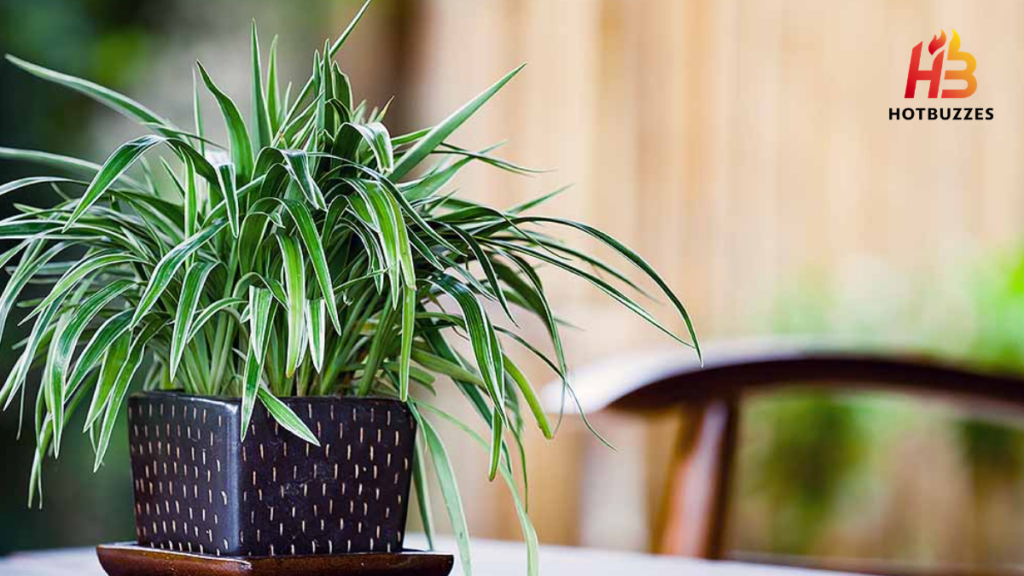
Every plant has its own preferences. However, nearly all plants need the same five things in some balance: light, water, soil, humidity, and regular attention, according to Plant House and Garden’s beginner care guide. Most houseplant problems come from getting one or two of these basics wrong. Learning to recognize and fix these specific gaps matters more than memorizing separate care guides for every plant in a collection.
This guide covers the core essentials every plant parent needs, from reading light and watering correctly to choosing the right soil, pot, and fertilizer, along with the most common mistakes that undo otherwise good intentions.
Getting Light Right First
Light is food for plants, so it matters more than almost anything else. If a plant becomes leggy, pale, or stops growing, light is usually the first thing to check, according to Plant House and Garden’s guide. Common signs of low light include small growth, pale leaves, and legginess. Plants may also stretch toward the nearest light source, according to Epic Gardening’s beginner houseplant tips. A plant leaning toward a window or stretching upward with thin, weak stems is also showing a low-light response. Dropping yellowing leaves in a low-light area can signal the same problem, according to the Pennsylvania Horticultural Society’s guide to common houseplant mistakes.
Matching Plants to Actual Light, Not Wished-For Light
Snake plants thrive in low light, while Monsteras prefer bright, indirect light. Researching a plant’s actual light needs before buying it can prevent frustration later, according to the same PHS guide. A beautiful plant will not always adapt to the available space. A Fiddle Leaf Fig, for example, will not thrive in a dim apartment, according to Better Indoor Houseplants’ beginner guide. The guide recommends matching plants to a space’s actual conditions rather than the conditions someone wishes they had.
Simple Fixes for Insufficient Light
Moving plants closer to windows, investing in a grow light when natural light is genuinely limited, and rotating plants periodically to ensure even exposure on every side all address the most common light related problems, according to PHS’s guide. This last habit, rotation, is easy to overlook but prevents the kind of one-sided, lopsided growth that develops when a plant is left facing the same direction indefinitely.
Watering: The Single Biggest Source of Houseplant Failure
Overwatering is the most common mistake beginners make, and it is also the leading cause of houseplant death overall. The most common beginner mistake is not too little attention, but too much water, according to Plant House and Garden’s guide, echoed directly by Better Indoor Houseplants’ guide, which calls overwatering the number one killer of houseplants outright. When in doubt, the standard advice across nearly every source is the same: wait another day or two before watering rather than watering preemptively out of habit.
How to Check Soil Moisture Correctly
Sticking a finger into the soil one to two inches deep gives a far more reliable read on actual moisture than judging by the calendar or the appearance of the soil surface alone, according to Proven Winners’ indoor plant care guide. Watering according to each plant’s individual needs matters considerably, since drought-tolerant succulents and cacti need far less water than moisture-loving plants like philodendrons and ferns, according to the same guide.
Why Watering Needs Change With the Seasons
Plants require less watering during winter months when growth naturally slows down, according to Proven Winners’ guide, which means continuing a summer watering routine into the colder months is one of the most common ways overwatering accidentally happens even to an otherwise attentive plant owner. Checking soil moisture before every watering, rather than relying on a fixed weekly schedule year-round, accounts for this seasonal shift automatically.
Establishing a Routine Without Rigid Rules
Setting up a general watering routine is genuinely useful for new plant owners, since some plants need watering multiple times a week while others can go far longer between waterings, especially in winter, according to Epic Gardening’s beginner tips. The key distinction is treating that routine as a starting framework to check against, rather than a fixed schedule followed regardless of what the soil actually shows.
Soil, Pots, and Drainage
Not all soils or pots are created equal, and using the wrong type of either can be detrimental to a plant’s health even when watering technique is otherwise sound, according to PHS’s guide.
Why Drainage Holes Matter So Much
Overwatering becomes a far bigger risk without proper drainage holes, since a pot lacking them traps excess water with nowhere to go, according to Epic Gardening’s beginner tips. Choosing containers specifically with drainage holes, rather than a purely decorative pot without one, addresses one of the most structural, easily overlooked causes of root rot before it ever becomes a watering technique problem at all.
Matching Pot Size to the Plant
Too small a pot results in root overcrowding, while too large a pot causes moisture pooling that can rot the roots, according to Bloombox Club’s guide to common houseplant mistakes. New plant parents often assume bigger pots are automatically better, but in reality, most plants prefer being slightly root-bound, and an oversized pot holding excess moisture is a far more common cause of trouble than a slightly snug one, according to Better Indoor Houseplants’ guide.
Choosing Soil Suited to the Plant
A well-draining potting mix appropriate to the specific plant category — cactus and succulent mix for drought-tolerant plants, a chunkier aroid mix for tropical foliage — matters just as much as pot size and drainage holes, since even a perfectly drained pot cannot compensate for a soil that holds too much or too little moisture on its own. From basil to mint, learn how to grow fresh herbs indoors using a small windowsill garden.
Feeding Without Overfeeding
Fertilizer is meant to supplement a plant’s nutrients, but more is not automatically better, and over-fertilizing can genuinely harm an otherwise healthy plant. Over-fertilizing could end up burning a plant’s roots, caused by the additional salts building up in the soil, rather than encouraging the faster growth people often expect from a heavier feeding hand, according to Tom’s Guide’s roundup of houseplant killing mistakes. Applying fertilizer at half strength for healthy, strong plants, and reserving a full dose only for plants that genuinely need a boost, according to the same guide, offers a safer default than assuming more fertilizer always helps.

When and How Often to Feed
Most houseplants benefit from regular feeding during their active spring and summer growing season, tapering off or stopping entirely during the slower fall and winter months when a plant has far less capacity to actually use added nutrients. Watching for new growth as the practical signal that a plant is ready to resume feeding after a winter pause works more reliably than fertilizing by a fixed calendar date alone.
Recognizing and Treating Common Pests
Houseplants can become vulnerable to pests even with otherwise excellent care, and recognizing common invaders early makes treatment far more manageable.
Spider Mites
Spider mites are tiny, difficult to see with the naked eye, feed on plant sap, and cause yellowing, curling, or wilting leaves, according to Soltech’s guide to houseplant care mistakes. Because they are so small, a magnifying glass or close inspection of the underside of leaves, particularly along the fine webbing spider mites often leave behind, catches an infestation earlier than waiting for visible leaf damage alone.
Preventing Pests Before They Take Hold
Regularly dusting plant leaves, beyond the purely aesthetic benefit, actually supports a plant’s ability to photosynthesize effectively, since dust blocks light from reaching leaf surfaces the same way it would block a window, according to Bloombox Club’s guide, which frames this as an easily overlooked but genuinely functional part of basic plant care rather than pure housekeeping. A plant kept clean, appropriately watered, and in suitable light is also simply less stressed overall, and stressed plants are considerably more vulnerable to pest infestations than healthy, well cared for ones.
Choosing Plants That Match Your Actual Lifestyle
One of the most overlooked essentials happens before a plant is even purchased. The biggest mistake new plant parents make often happens before they even bring a plant home, choosing based purely on appearance rather than whether that specific plant’s needs actually match the home it is headed toward, according to Better Indoor Houseplants’ guide. A plant beginner rushing to buy a beautiful plant seen on social media, without knowing anything about its actual care requirements, is one of the most common mistakes cited by plant experts, according to Redfin’s roundup of common indoor plant care mistakes.
Starting With Genuinely Forgiving Plants
For anyone just starting out, beginning with forgiving plants that tolerate inconsistent watering, adapt to various light conditions, and bounce back from small mistakes, pothos, snake plant, ZZ plant, philodendron, and spider plant among them, builds confidence before graduating to pickier, more demanding species, according to Plant House and Garden’s guide and echoed directly by Better Indoor Houseplants’ guide. Once a beginner has successfully kept one of these resilient plants alive and thriving for several months, moving on to a more finicky species like a fiddle leaf fig becomes a considerably less risky undertaking.
Assessing Your Space Honestly
Taking a quick, honest inventory of a space’s actual light, which direction the windows face and how far a plant would realistically sit from them, before shopping for a new plant prevents the mismatch between a plant’s needs and its intended home before it ever becomes a problem, according to Better Indoor Houseplants’ guide.
Houseplant Troubleshooting at a Glance
The table below summarizes the most common symptoms covered throughout this guide alongside their most likely cause and fix.
| Symptom | Likely Cause | Fix |
|---|---|---|
| Leggy, stretching growth | Insufficient light | Move closer to a window or add a grow light |
| Yellowing lower leaves | Overwatering | Check soil moisture before watering again |
| Wilting despite moist soil | Root rot from overwatering | Check roots, repot if mushy or dark |
| Crusty white buildup on soil | Fertilizer salt buildup | Flush soil, reduce fertilizing frequency |
| Curling or stippled leaves | Spider mites or other pests | Inspect leaf undersides, treat promptly |
| Slowed growth despite good care | Root-bound or needs repotting | Check for roots at drainage holes |
| Pale, faded leaf color | Dust buildup blocking light | Wipe leaves clean regularly |
Building a Sustainable Care Routine
Beyond individual fixes, a consistent overall routine prevents most problems before they start. Regularly assessing a plant’s needs, rather than assuming a routine that worked when it was first purchased will remain correct indefinitely, catches the gradual changes that come with growth, seasons, and a plant simply settling into its space over time, according to PHS’s guide. A plant that needed weekly watering as a small nursery specimen may need considerably less once it has grown into a larger, more established pot with different root dynamics.
Knowing the Plant You Bought
Understanding exactly what plant has been purchased, and asking a seller about its background, common diseases, and specific care tips, gives a new plant the best possible chance at survival from day one, according to Bloombox Club’s guide, which warns specifically against buying an unlabeled plant with no name or care instructions attached. This single habit, simply knowing what a plant actually is before bringing it home, underlies nearly every other piece of advice in this guide, since none of the light, water, or soil guidance above can be applied correctly to a plant whose identity and needs remain unknown.
Research-Based Facts About Why These Mistakes Happen So Often
Beyond individual tips, it helps to understand why certain mistakes, overwatering above all, recur so consistently across both beginners and experienced growers.
Overwatering’s Outsized Role Across Multiple Independent Sources
Multiple independent houseplant care guides, written by different experts and organizations, consistently identify overwatering as the single most common and most damaging houseplant mistake, rather than any other single factor like light or fertilizer. This consistency across sources with no shared authorship suggests the pattern reflects a genuine, widespread tendency, likely rooted in the instinct that a struggling plant needs more attention, when in most cases it actually needs less water and a closer look at its actual soil moisture. Upgrade your indoor garden with practical grow lights and smart devices for monitoring and plant care.
Why Plants Cannot Simply Use Excess Water
Plants are autotrophs that produce their own food through photosynthesis, converting water, carbon dioxide, and sunlight into the sugars they use to fuel growth, according to Bloombox Club’s guide. Because this process depends on a balance of resources rather than water alone, simply adding more water beyond what a plant’s roots can actually process does not translate into faster growth, and instead creates the low-oxygen, rot-prone conditions responsible for so much of the damage covered throughout this guide.
Keeping a Simple Record for a Growing Collection
As a plant collection grows beyond a handful of pots, a bit of lightweight tracking helps apply all the essentials covered in this guide consistently across every plant.
Why Memory Alone Becomes Unreliable
Once a household has more than four or five plants, relying purely on memory to track which ones were recently watered, fertilized, or checked for pests becomes genuinely difficult, and this is often where otherwise careful plant care starts to slip. A simple written or digital note, even just a rough date next to each plant’s name, removes the guesswork that memory alone cannot reliably handle at scale. Grow fresh herbs for cooking at home with simple tips for light, watering, containers, and ongoing care.
Grouping Plants by Shared Needs
Organizing a collection by shared care needs, grouping drought-tolerant plants together and moisture-loving plants separately, for instance, makes it considerably easier to apply the watering and light principles covered throughout this guide consistently, rather than treating every single plant as an entirely separate case requiring its own memorized routine.

Frequently Asked Questions
Q1. What is the single most important thing a new plant parent should focus on first?
Light and watering discipline together form the foundation nearly every other aspect of houseplant care builds on. Getting a plant’s light needs matched to its actual location, and learning to check soil moisture before watering rather than following a fixed schedule, prevents the majority of common houseplant problems.
Q2. How do I know if I’m overwatering or underwatering my plant?
Checking the soil with a finger one to two inches deep gives the clearest answer. Overwatered plants often show yellowing leaves and soggy soil, while underwatered plants show dry, crisp leaves and soil that has pulled away from the pot’s edges.
Q3. Is it okay to buy a plant just because it looks nice?
It can work out, but it is genuinely risky without first checking whether that plant’s light, humidity, and watering needs actually match the space it is headed to. Researching a plant’s basic needs before purchasing, rather than after bringing it home, considerably improves its odds of survival.
Q4. What are the easiest houseplants for a true beginner?
Pothos, snake plant, ZZ plant, philodendron, and spider plant are all widely recommended as forgiving starter plants, since they tolerate inconsistent watering and a range of light conditions better than more demanding species like fiddle leaf fig or calathea.
Q5. How often should I fertilize my houseplants?
Most houseplants benefit from regular feeding during their active spring and summer growing season, tapering off during fall and winter. Applying fertilizer at half strength for already healthy plants reduces the risk of salt buildup and root burn from overfeeding.
Q6. Why does my plant keep getting pests even though I care for it well?
Pests like spider mites can still affect well cared for plants, though a stressed or poorly maintained plant is generally more vulnerable. Regularly inspecting leaves, especially their undersides, and keeping foliage clean and dust-free supports a plant’s natural resilience against infestation.
Conclusion
Essential houseplant care comes down to a manageable handful of fundamentals: matching light to what a plant actually needs, watering by checking the soil rather than the calendar, choosing appropriate pots and soil with real drainage, feeding in moderation rather than heavily, and staying alert to early pest and stress signals before they become serious problems. Overwatering remains the single most common thread running through nearly every houseplant care guide referenced throughout this article, which makes it the one habit most worth double checking before any other troubleshooting step.
None of these essentials require special expertise, only a willingness to observe a plant closely and respond to what it is actually showing rather than following a generic, one-size-fits-all routine. Starting with a forgiving, beginner friendly plant, learning to read its specific signals, and gradually building confidence before taking on a more demanding species gives any new plant parent a realistic, sustainable path toward a genuinely thriving indoor plant collection.

Asim Usman is a plant enthusiast and content writer who specializes in creating informative, reader-friendly articles on plant care and gardening. He combines thorough research with practical insights to provide accurate, easy-to-follow guidance that helps readers grow healthy plants with confidence. His goal is to make plant care simple, enjoyable, and accessible for everyone.