
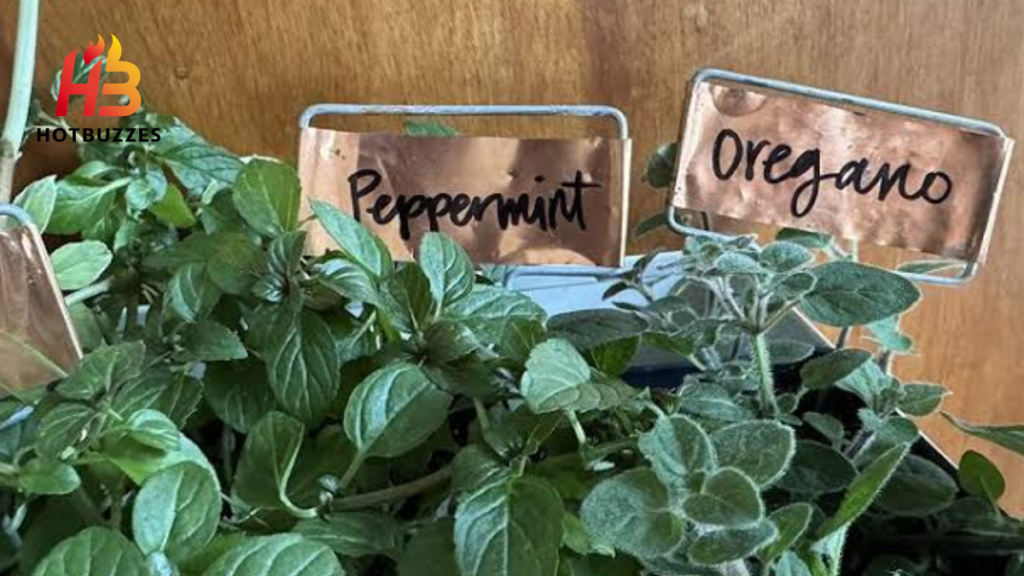
Pick one or two herbs you actually cook with, give them the brightest spot you have, and water by checking the soil rather than the calendar. That is the whole foundation of indoor herb growing, according to Modern Sprout’s year-round herb guide. Everything else (the specific light schedules, the pot materials, the seasonal adjustments) builds on top of that simple starting point rather than replacing it.
This guide walks through everything needed to keep a productive indoor herb garden going in every season, covering light requirements, watering by herb type, soil and container choices, harvesting technique, and the specific troubleshooting steps that keep herbs productive through the darker winter months.
The Three Variables That Determine Success
Before choosing specific herbs, it helps to understand the small number of factors that actually determine whether an indoor herb garden thrives or slowly declines.
Light Is the Big One
Indoor herb success comes down to a short list of variables: light, temperature, humidity, container and drainage, and herb selection, and light carries the most weight of all of them, according to Modern Sprout’s guide. It’s easy to grow indoor herbs year-round when you choose the right herbs, give them six to eight hours of bright light, use well-draining potting mix, water properly, and harvest regularly, according to Bath Garden Center’s beginner guide.
Temperature Matters Less Than People Expect
Most herbs are comfortable in roughly the same 65 to 70°F range most people already keep their homes at, according to both Modern Sprout’s guide and the Old Farmer’s Almanac’s indoor herb garden guide, which describes this shared comfort range as a genuinely convenient overlap between human and herb preferences. This means temperature rarely needs deliberate adjustment the way light so often does.
Drainage Prevents the Most Common Killer
Proper drainage prevents root rot, which kills more indoor herbs than any other single problem, according to Smart Garden Experts’ complete indoor herb guide. Watering thoroughly until excess drains out, then emptying the saucer to prevent standing water, addresses this risk directly, according to MGNV’s complete guide to growing herbs indoors.
Getting Light Right Through Every Season
Because light is the single most limiting factor for most indoor herb gardens, it deserves more detailed treatment than any other variable covered in this guide.
Natural Window Light
South-facing windows offer the brightest, most reliable natural light and are considered the best spot for most culinary herbs, though not absolutely necessary for every variety, according to Platt Hill Nursery’s light and soil guide. East- or west-facing windows provide partial shade rather than full sun, which suits some herbs better than others, according to Tom’s Guide’s top tips for growing herbs indoors.
Why Window Light Alone Often Falls Short in Winter
Most culinary herbs need at least six hours of direct sunlight per day, and if natural light is limited, a grow light providing twelve to fourteen hours of supplemental light daily fills that gap, according to Kuhl’s guide to growing basil, mint, and more indoors. Many beginners rely solely on window light, and while this can work during peak summer near a strong south-facing window, most homes simply do not provide enough consistent light across every season of the year, according to Aquager Technologies’ guide to growing herbs without reliable sunlight.
Grow Light Specifications
Most kitchen herbs perform best with twelve to sixteen hours of bright light daily, and insufficient light intensity, rather than insufficient light duration, is the more common underlying cause when herbs fail to thrive despite being placed under a light for long stretches, according to Aquager Technologies’ guide. A grow light removes the seasonal guesswork entirely, according to Modern Sprout’s guide, which frames investing in supplemental lighting as the single highest leverage decision for anyone serious about year-round production rather than seasonal, sunlight-dependent growing.
Watering Discipline by Herb Type
Because different herbs have genuinely different water preferences, a single universal watering schedule inevitably overwaters some plants while underwatering others.
Herbs That Prefer Drier Soil
Rosemary and thyme prefer drier soil and can tolerate some neglect, though it is worth keeping a close eye on them since slightly dry soil can become very dry quickly once household heating systems are running, according to MGNV’s complete guide. Sage also falls into this drought-tolerant category alongside rosemary and thyme, all three sharing a Mediterranean origin that explains their shared preference for drier conditions, according to Platt Hill Nursery’s guide.

Herbs That Prefer Even, Consistent Moisture
Basil can handle being consistently moist, but never wet, according to MGNV’s guide, while mint and lemon balm enjoy even moisture but will survive occasional dryness without serious harm. Cilantro, parsley, and mint generally enjoy cooler, moister conditions than their Mediterranean counterparts, according to Platt Hill Nursery’s guide, which recommends grouping herbs by these shared moisture preferences into separate pots specifically so their differing watering needs can be managed independently.
Reading the Signs of Watering Problems
Yellowing leaves can be a sign of overwatering, while wilting can indicate either overwatering or underwatering, which means feeling the actual soil moisture, rather than guessing from the visible symptom alone, is necessary to correctly diagnose what is actually going wrong, according to MGNV’s guide. Water herbs sparingly overall, generally once or twice a week depending on variety and temperature, according to Tom’s Guide’s tips, watering thoroughly in one session, letting the water fully drain, rather than giving small daily sips that never reach the deeper roots.
Soil and Container Choices
Beyond watering technique itself, the container and soil a herb grows in significantly affect how forgiving that watering routine can afford to be.
Choosing the Right Pot Material
Herbs typically do better in terracotta pots, since the porous, breathable material suits their drainage needs well, while plastic or glazed ceramic pots tend to hold more moisture, which can contribute to root rot or fungal problems, according to Tom’s Guide’s tips. This general preference for terracotta lines up closely with the broader pot material principles that apply across many drought-tolerant plants, not just culinary herbs specifically. Learn the basics of houseplant care and avoid common mistakes that can affect plant growth.
Well-Draining Potting Mix
A well-draining potting mix, rather than a standard, moisture-retentive garden soil, supports the drainage principle covered throughout this guide and directly reduces the single biggest cause of indoor herb failure: root rot from excess moisture, according to Bath Garden Center’s guide. Mixing in perlite or coarse sand for herbs that specifically prefer drier conditions, like rosemary and thyme, further improves drainage beyond what a standard potting mix alone provides.
Sizing and Spacing Pots Correctly
Keeping pots spaced apart from one another, rather than crowding them tightly together, supports adequate airflow around each plant, according to PlattHillNursery.com’s guide, which also recommends watching for leaves becoming too dense as a signal that it is time to harvest rather than simply letting growth continue unchecked.
The Best Herbs for Year-Round Indoor Growing
Not every herb performs equally well indoors, and understanding each one’s specific tendencies helps set realistic expectations before planting.
Basil
Basil is one of the easiest and most rewarding herbs for beginners, growing quickly and offering countless culinary uses, according to Kuhl’s guide, though it needs consistently moist, never wet, soil to thrive, according to MGNV’s guide.
Rosemary
Rosemary is a popular herb many people want to grow indoors, or more often want to overwinter after growing it outdoors during summer, and it can be genuinely finicky inside, with many people struggling to keep it alive, according to MGNV’s guide. With bright enough light and careful, restrained watering, however, it can be done successfully, and its drought tolerance makes it a naturally good fit for drier indoor air once established.
Thyme
Thyme tolerates drought better than most herbs, making it a particularly safe option for the drier air typical of heated homes, and its trailing growth habit also makes it well suited to a hanging planter in a kitchen window, according to MGNV’s guide.
Oregano
Oregano, another Mediterranean herb, thrives indoors with strong light and moderate watering, according to MGNV’s guide, sharing much of the same general care profile as thyme and rosemary given their common origin.
Chives
Chives are low maintenance and adapt easily to indoor conditions, tolerating partial sunlight and forgiving occasional missed waterings, and once established, they regrow reliably after cutting, providing a steady, renewable supply for soups, salads, and garnishes, according to Kuhl’s guide.
Parsley
Flat-leaf parsley is the preferred choice for cooking, while curly parsley works well as a decorative addition to a kitchen windowsill, and it requires about six hours of sunlight per day along with regular harvesting to stay productive, according to Kuhl’s guide.
Cilantro
Cilantro has a notably short harvest window of just three to four weeks before it bolts, which means planting multiple containers in succession is the practical way to maintain a consistent year-round supply rather than expecting a single plant to keep producing indefinitely, according to Smart Garden Experts’ guide.
Mint and Peppermint
Mint and peppermint enjoy even moisture and are among the herbs that tolerate cooler, moister conditions well, according to Platt Hill Nursery’s guide, making them a comfortable pairing alongside cilantro and parsley in a shared, evenly watered container grouping.
Bay Laurel
Bay laurel adapts to lower light conditions better than many culinary herbs, growing acceptably with just four to six hours of indirect sunlight, and tolerates cool temperatures between 45 and 70°F, actually benefiting from cooler conditions during its winter dormancy period, according to Smart Garden Experts’ guide, which recommends starting with an eight-inch pot and repotting only every two to three years given the plant’s slow growth rate.
Herb Care Quick Reference
The table below summarizes the light, water, and general care profile for the herbs covered throughout this guide.
| Herb | Light Needs | Watering Preference | Growth Notes |
|---|---|---|---|
| Basil | 6+ hours bright light | Consistently moist, never wet | Fast-growing, beginner-friendly |
| Rosemary | Bright light essential | Dry between waterings | Can be finicky indoors |
| Thyme | Bright light | Drought tolerant | Trailing habit, good for hanging planters |
| Oregano | Strong light | Moderate, dry-leaning | Mediterranean origin |
| Chives | Tolerates partial sun | Forgiving of missed waterings | Regrows reliably after cutting |
| Parsley | ~6 hours of sunlight | Regular, even moisture | Needs frequent harvesting |
| Cilantro | Bright light | Even moisture | Bolts in 3 to 4 weeks; plant in succession |
| Mint | Bright to moderate light | Even, consistent moisture | Vigorous, spreading growth |
| Bay Laurel | 4 to 6 hours indirect | Dry between waterings | Slow-growing, tolerates cool winters |
Harvesting for Maximum Production
Harvesting technique has a direct effect on how long and how productively an indoor herb keeps growing.
Why Regular Harvesting Matters
Harvesting properly not only supplies fresh ingredients for cooking but also encourages the plant to grow bushier and more productive over time, according to MGNV’s guide. Snipping often is specifically what keeps a single plant productive for months rather than a few weeks, according to Modern Sprout’s guide.
The One-Third Rule
Harvesting regularly while never removing more than one third of a plant at any single time protects the herb’s ability to recover and continue producing steadily, according to Aquager Technologies’ guide. This same restraint applies across nearly every herb covered in this guide, regardless of how vigorously a specific plant happens to be growing at the time.
Using the Right Tool
A pair of needle-nose pruning shears makes clean cuts that do not crush stems, and this precision matters more for herb harvesting than it might seem, since bruised or crushed stem tissue heals more slowly and can invite disease compared to a clean, precise cut, according to Modern Sprout’s guide.
Timing the Harvest for Flavor
Strong light builds the aromatic oils responsible for a herb’s flavor, and harvesting mid-morning, when those oils peak, captures the most flavorful cutting possible compared to harvesting at a different time of day, according to Smart Garden Experts’ guide.
Fertilizing Indoor Herbs
Herbs generally need less fertilizer than many other houseplants, and over-applying it can actually work against the entire point of growing them.
A Light Feeding Schedule
Feeding herbs with a low-dose, water-soluble fertilizer every two weeks during active growth supports steady production without overwhelming the plant, according to Kuhl’s guide. Using fertilizer sparingly matters specifically because too much nitrogen reduces the concentration of the essential oils responsible for a herb’s flavor, according to the same guide, which means overfeeding herbs, unlike overfeeding many ornamental foliage plants, directly undermines the culinary value of growing them in the first place.
Common Problems and Troubleshooting
A handful of recurring issues account for most indoor herb garden struggles, and most trace back to one of the core variables already covered in this guide.
Beginner Mistakes to Avoid
Common beginner mistakes include relying on window light alone through every season, watering on a fixed schedule rather than checking actual soil moisture, and crowding too many herbs into containers that are too small or too close together, according to Aquager Technologies’ guide. Indoors, the margins for light, airflow, and watering are tighter than they are outdoors, which means problems tend to show up within days rather than the weeks it might take to notice a similar issue in an outdoor garden.
Reading Growth Patterns
Compact, sturdy growth signals a healthy balance of light and water, while tall, weak, leggy growth signals an imbalance, most often insufficient light, according to Aquager Technologies’ guide. Sometimes restarting a struggling plant from a fresh cutting or new seedling produces better results than continuing to try to nurse a badly declined specimen back to health, since indoor gardening tends to reward a consistent rhythm more than repeated rescue attempts on a plant that has already fallen too far behind.
When Water Propagation Can and Cannot Help
Some herbs can root temporarily in water, which is useful for propagating a new plant from a healthy cutting, but long-term growth still requires proper nutrients and adequate oxygen around the roots, which only a real growing medium like soil can reliably provide over time, according to Aquager Technologies’ guide. Discover how to turn a sunny windowsill into a productive herb garden with a few simple steps.
Research-Based Facts About Indoor Herb Growing
Beyond practical care advice, a bit of underlying science explains why certain practices, particularly around light, matter as much as they do.
How Light Intensity Directly Affects Flavor
Strong light builds the aromatic oils that give herbs their characteristic taste, according to Smart Garden Experts’ guide, which means a herb grown under genuinely adequate light will taste noticeably more flavorful than the same species grown in a dim, low-light spot, even if both plants otherwise look equally healthy. This directly explains why simply keeping a herb alive is not the same goal as growing one that is actually worth harvesting for cooking.
Indoor Plants and Measurable Wellbeing Effects
Research shows indoor plants can lower blood pressure and boost brain function, according to Smart Garden Experts’ guide, adding a wellbeing dimension to indoor herb gardening that goes beyond its purely culinary value. This aligns with broader research on biophilic design and indoor greenery discussed in other houseplant coverage, reinforcing that a kitchen herb garden offers benefits beyond simply having fresh basil on hand for dinner.
What Indoor Herb Growing Can and Cannot Replace
Setting realistic expectations helps avoid the common disappointment of comparing an indoor herb garden too directly to an outdoor one.
A Genuine, if More Modest, Alternative
An indoor herb garden brings brightness and scent to a kitchen year-round and provides a steady, if generally smaller-scale, supply of fresh herbs compared to what an outdoor garden bed can produce during peak summer growing conditions, according to Bath Garden Center’s guide. For households that cook with herbs regularly but only need small quantities at a time, this smaller, steadier supply is often a better practical match than a large outdoor harvest that arrives all at once and can go to waste before it is used.
Why Consistency Beats Scale for Most Kitchens
Because most home cooks use a modest amount of any single herb per dish, the year-round consistency an indoor herb garden provides — always having a few fresh sprigs available regardless of season — tends to matter more in daily practice than the larger, but more seasonal and less predictable, yield an outdoor garden delivers during its limited growing window.
Setting Up a Staggered Planting Rotation
For herbs with a naturally short productive window, planning around succession planting keeps the kitchen consistently stocked rather than facing a feast-or-famine cycle.
Why Staggering Matters Most for Fast-Bolting Herbs
Cilantro’s short three- to four-week window before bolting, covered earlier in this guide, makes it the clearest example of why a single container is rarely enough for year-round supply. Starting a new small container every two to three weeks, rather than planting one large pot all at once, keeps a fresh, non-bolted plant always available rather than facing a gap once the first planting inevitably runs its course.

Applying the Same Principle to Other Herbs
Even herbs that do not bolt as quickly as cilantro benefit from a similar staggered approach, particularly basil, which tends to become woody and less productive after several months of continuous harvesting. Starting a fresh basil plant from a cutting or seed every couple of months, while the older plant continues producing in the meantime, smooths out the natural decline every herb eventually experiences as it ages.
Pairing Herbs by Shared Care Needs
Grouping herbs with similar light and water requirements into the same tray or windowsill simplifies daily care considerably compared to managing each plant according to its own entirely separate routine.
The Mediterranean Grouping
Rosemary, thyme, oregano, and sage share a similar preference for bright light and soil that dries out between waterings, making them a natural group to keep together on the sunniest windowsill available, watered on the same infrequent schedule without needing to track each one separately.
The Moisture-Loving Grouping
Basil, mint, parsley, and cilantro all prefer more consistent moisture than their Mediterranean counterparts, and keeping this group in its own separate tray, watered more frequently and checked more closely for dryness, prevents the common mistake of either overwatering the drought-tolerant herbs or underwatering the moisture-loving ones by treating an entire mixed collection identically.
Using Kitchen Herbs Beyond Fresh Cooking
Once a productive indoor herb garden is established, a few additional uses extend the value of a harvest beyond immediate cooking needs.
Drying and Preserving Excess Harvest
For herbs like bay laurel, drying leaves for about two weeks before use concentrates their flavor and allows for storage well beyond what a fresh harvest alone would provide, according to Smart Garden Experts’ guide. Air-drying smaller bunches of rosemary or thyme, tied loosely and hung in a dry spot away from direct light, offers a similar way to preserve a larger-than-needed harvest rather than letting excess growth go to waste. Struggling with low natural light? Discover how grow lights and smart tools can help support your indoor plants.
Propagating New Plants From Cuttings
Many of the herbs covered in this guide, particularly basil and mint, root readily from a simple stem cutting placed in water, offering a low-cost way to start additional plants for the staggered planting rotation described above without purchasing new seeds or seedlings each time. Once roots develop, transitioning the cutting into proper soil, following the same general principle covered earlier regarding water propagation’s limits for long-term growth, gives the new plant the nutrients and root oxygen it needs to become a fully established, productive herb in its own right.
Frequently Asked Questions
Q1. What is the single most important factor for growing herbs indoors year-round?
Light. Most culinary herbs need at least six hours of bright light daily, and window light alone often falls short during the darker months, which is why supplemental grow lights running twelve to sixteen hours a day are considered the highest leverage investment for consistent, year-round production.
Q2. Which herbs are easiest for beginners to grow indoors?
Basil, chives, and mint are among the most forgiving choices for beginners, growing quickly and tolerating minor care mistakes better than more finicky herbs like rosemary, which requires more careful, restrained watering and consistently bright light to thrive indoors.
Q3. How often should indoor herbs be watered?
This varies by herb type rather than following one universal schedule. Rosemary, thyme, and sage prefer soil that dries out between waterings, while basil, mint, and parsley prefer more consistent moisture, generally watered once or twice a week depending on the specific plant and household conditions.
Q4. Can herbs really be grown indoors without any natural sunlight?
Yes, provided a grow light supplies enough light intensity and duration, typically twelve to sixteen hours daily. Results depend heavily on the specific light used and the herb chosen, and supplemental lighting significantly increases consistency compared to relying on natural window light alone through every season.
Q5. Why does my indoor herb plant look leggy and weak instead of full and bushy?
Leggy, weak growth typically signals insufficient light, since the plant is stretching in search of more light rather than growing compact and sturdy the way it would under adequate lighting. Adding supplemental light or moving the plant to a brighter spot usually resolves this over time.
Q6. How much of a herb plant can be harvested at once without harming it?
A general rule is never removing more than one third of a plant’s foliage in a single harvest. Staying within this limit allows the plant to recover its energy reserves and continue producing steadily rather than being stressed by overly aggressive cutting.
Conclusion
Growing fresh kitchen herbs indoors year-round comes down to a short, manageable list of variables: enough light, matched to what each specific herb actually needs, watering discipline based on soil moisture rather than a fixed calendar, well-draining soil and containers, and regular, restrained harvesting that keeps a plant productive rather than stripped bare. None of these factors are individually complicated, and most indoor herb garden struggles trace back to just one of them being off, most often insufficient light during the darker months of the year.
With a bright spot, or a grow light to compensate for one that is lacking, and a watering routine tailored to whichever herbs are actually being grown, a small kitchen herb garden can realistically supply fresh basil, rosemary, thyme, and more within arm’s reach of the stove in every season, rather than only during the brief window a traditional outdoor garden allows. The reward for getting these fundamentals right is not just convenience, but genuinely better flavor, since the same bright light that keeps a herb alive is also what builds the aromatic oils responsible for its taste in the first place.

Ajwa Asif is a writer with a passion for plants, gardening, and creating educational content. She researches plant-related topics using reputable horticultural resources and shares practical advice to help readers grow healthier plants and build confidence in their gardening journey. Her content focuses on delivering clear, reliable, and user-focused information.