
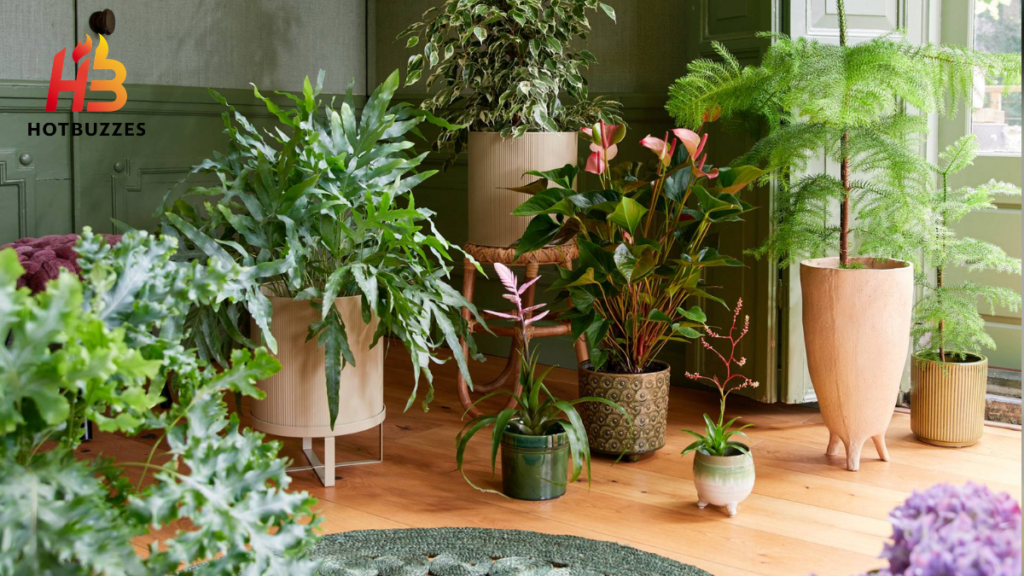
The pot has stopped being an afterthought. According to the Garden Media Group’s 2026 Garden Trends Report, unusual and collectible houseplants are becoming genuine collector’s items. The container is also increasingly treated as part of the plant’s identity rather than a plain functional box hidden under the foliage. Whether you grow a rare variegated Monstera or a common pothos in a striking ceramic planter, choosing the right pot affects both display and plant health. Drainage, material, and size still determine root health, regardless of how visually appealing the container is.
The right pot can do more than make a houseplant look good. It can support healthier roots, improve drainage, and help a trending plant thrive. This guide explores the best pot options for the houseplants gaining the most attention in 2026, covering material, drainage, size, and the best pairing for each species. You’ll also find a side-by-side comparison table, research-backed facts about pot material and root health, and practical tips on shape, saucers, sourcing, sustainability, and moving a new plant into its display pot. Troubleshooting advice covers common pot-related mistakes and how to avoid them.
Why Pot Choice Matters More in 2026
Houseplant trends in 2026 favor hardy, eye-catching plants that deserve a prominent spot. That makes choosing the right container more important than ever. A mismatched pot can stand out just as much as the plant, rather than fading into the background like it once did.
Particularly unusual houseplants are becoming more like collectible items, according to Homes & Gardens’ 2026 houseplant trends coverage. Plants such as Monstera ‘Thai Constellation’ and air plants are leading examples of this shift. Because these plants are chosen for their visual impact, the pot can either enhance or distract from their appearance. This matters less for a plain green foliage plant tucked into a corner, where the pot barely stands out.
In 2026, the pot is no longer an afterthought, according to Happy Houseplants’ trend report. Ceramics are becoming more tactile, sculptural, and timeless as home décor shifts toward comfort and intentional design. The report also identifies a “Hardy & Handsome” category dominating plant collections. These species are chosen for their designer-quality appearance and ability to tolerate inconsistent care. Together, these trends make pot selection more important than ever. The right pot should complement the plant’s visual appeal while also supporting its practical care needs, especially when watering routines are less than perfect.
How Pot Material Affects Root Health
Before matching specific pots to specific plants, it helps to understand what pot material is actually doing beneath the surface, since the same underlying principles of moisture retention and airflow apply to every plant covered later in this guide.
Terracotta and Unglazed Clay
Terracotta pots are porous, allowing more moisture and air to pass through their walls. They can also reduce overwatering and root rot by absorbing excess moisture from the soil, according to Plant Care for Beginners’ material comparison. This moisture control is one of terracotta’s biggest advantages. Water escapes through both the drainage hole and the porous walls, causing the soil to dry faster, according to PlantGrail’s pot material guide. This dual moisture loss makes terracotta more forgiving for people who tend to overwater.

Glazed Ceramic
Ceramic pots are often glazed with a lacquer that slows moisture loss compared with unglazed clay or terracotta, according to Platt Hill Nursery’s terracotta versus ceramic comparison. While ceramic pots are often chosen for their appearance, function still matters. Indoor Gardening Essentials’ material guide notes that many decorative ceramic pots lack drainage holes. Always check for a drainage hole before choosing one, especially for houseplants that are sensitive to excess moisture.
Plastic and Nursery Pots
Plastic pots are nonporous, so they retain more moisture. This makes them useful for moisture-loving plants, chronic underwaterers, and people who travel frequently, according to Sprouts and Stems’ pot material guide. This moisture retention can also reduce watering frequency. PlantGrail’s guide notes that plastic pots hold moisture longer than clay pots, but they can increase the risk of overwatering for moisture-sensitive plants. In this sense, plastic’s main advantage is consistency rather than aesthetics.
Best Pots for Monstera ‘Thai Constellation’
This rare variegated cultivar has become one of the defining collectible plants of the current trend cycle. Its pot choice affects both display and root health considerably. This is due to its slower and more sensitive growth pattern compared to a standard green monstera.
Why Drainage Matters More for This Variety
Because variegated tissue contains less chlorophyll than solid green leaves, Thai Constellation generally grows more slowly. It is also more sensitive to soggy, poorly aerated soil than a standard green monstera. A terracotta or unglazed ceramic pot with a substantial drainage hole suits this variety well. The added breathability helps offset the slower water uptake typical of variegated growth. Find out what makes some variegated plants more expensive than others and how their prices are determined.
Display Considerations
Thai Constellation is often grown for its striking white and green pattern. A plain, neutral-toned ceramic or terracotta pot lets the foliage remain the visual focus. A heavily patterned or brightly colored pot might compete with it instead.
Best Pots for Alocasia ‘Silver Dragon’
Alocasia ‘Silver Dragon’ is one of 2026’s trendiest houseplants. It is prized for its metallic, dark-veined leaves and exotic appearance. These features make it a natural centerpiece for collections focused on unusual, statement-making species.
Matching Pot Material to Alocasia’s Moisture Needs
Alocasias generally prefer consistently moist, but never waterlogged, soil, which makes a glazed ceramic pot with a drainage hole a strong match, since it slows moisture loss compared to terracotta without trapping water the way an undrained decorative pot would. Pairing this kind of pot with a chunky, well-aerated aroid soil mix helps balance the ceramic’s slower drying rate.
Sizing for a Slow, Steady Grower
Alocasia ‘Silver Dragon’ grows at a moderate pace. It generally prefers a pot only slightly larger than its current root ball. An oversized container holds more excess moisture than the plant’s roots can use in a reasonable timeframe.
Best Pots for Pothos
Pothos remains the most consistently searched houseplant heading into 2026, according to Google Trends data referenced in industry coverage of the indoor plants market. It significantly outpaced searches for Monstera deliciosa and succulents throughout 2025. This gap shows how dominant this forgiving species remains, even amid growing attention on rarer cultivars.
Why Pothos Tolerates Nearly Any Pot Material
Pothos is famously forgiving of inconsistent watering. It performs well in terracotta, ceramic, or plastic, provided the pot has a drainage hole. For anyone prone to underwatering, glazed ceramic or plastic helps retain moisture longer. Terracotta suits anyone more likely to overwater.
Best Pots for Trailing Display
Because pothos is often grown as a trailing or hanging plant, a pot with a built-in hanging mechanism or one that fits into a macrame or wall-mounted holder supports its cascading display style. This style has become popular alongside the plant’s renewed search interest.
Best Pots for Snake Plant
Snake plant remains a defining example of the “Hardy & Handsome” category dominating 2026 plant collections. It is valued for its architectural, upright form and tolerance for neglect. This makes it one of the easiest trending species to pair with almost any pot material covered in this guide.
Why Terracotta Is the Natural Match
Terracotta is usually the safest choice for succulent and drought-tolerant plants because it allows moisture to escape quickly, according to Indoor Gardening Essentials’ guide. Snake plant’s thick, water-storing leaves make it particularly well suited to this fast-draining pairing. A heavier terracotta or ceramic pot also provides useful ballast for a snake plant’s tall, upright growth. This reduces the risk of a top-heavy plant tipping over in a lightweight plastic container.
A Note on Statement Ceramic Options
For anyone chasing the sculptural, designer look of this year’s tactile ceramic trend, a glazed ceramic pot with a confirmed drainage hole still works for a snake plant. Reduce watering slightly to account for its slower drying rate compared to terracotta.
Best Pots for Fiddle Leaf Fig & Dwarf Fiddle Leaf
The Bambino, or dwarf, fiddle leaf fig is a trending alternative for anyone who loves the classic fiddle leaf fig look but wants a more compact, apartment-friendly size. Pot choice for this variety balances the same weight and drainage needs as its larger relative with the tighter space limits of a smaller home.
Weight and Stability Considerations
Fiddle leaf figs grow tall and can become top-heavy. A substantial ceramic or terracotta pot is more practical than a lightweight plastic one. Its added weight helps anchor the plant and prevent tipping as it matures. A wide, heavy base also reduces the risk of root disturbance from minor bumps. This matters for a plant known to be sensitive to being moved or jostled.
Drainage Is Non-Negotiable
Fiddle leaf fig is particularly prone to root rot in poorly draining conditions. Confirming a drainage hole, regardless of material, matters more for this plant than for almost any other trending species in this guide.
Pot Pairing Guide at a Glance
The table below summarizes the best pot matches for the trending houseplants covered throughout this guide.
| Plant | Best Pot Material | Why |
|---|---|---|
| Monstera ‘Thai Constellation’ | Terracotta or unglazed ceramic | Slower growth needs extra breathability and drainage |
| Alocasia ‘Silver Dragon’ | Glazed ceramic with drainage hole | Prefers consistently moist, never waterlogged soil |
| Pothos | Terracotta, ceramic, or plastic | Highly adaptable, tolerant of most materials |
| Snake plant | Terracotta or heavy ceramic | Fast drainage suits drought-tolerant roots; weight adds stability |
| Fiddle leaf fig | Heavy ceramic or terracotta | Weight prevents tipping; drainage prevents root rot |
Research-Based Facts About Pot Material and Plant Health
Beyond individual plant recommendations, a bit of underlying data helps explain why pot material has such a measurable effect on root health, moving this guide’s advice from general intuition toward something grounded in how roots actually function underground.
Drainage Hole Spacing and Root Oxygen
Roots need water, oxygen, and stability. Pot material controls the first two by affecting evaporation, according to PlantGrail’s pot material guide. It recommends at least one drainage hole per six inches of container width, regardless of material. This baseline drainage requirement applies to every plant and material covered in this guide. Even the ideal pot material cannot compensate for inadequate drainage.
Why Switching Materials Changes Watering Needs
When switching from terracotta to plastic, soil stays moist longer and needs less frequent watering, according to Indoor Gardening Essentials’ guide. A watering routine that works with one material can cause overwatering or underwatering if you do not adjust it after switching pots. This is especially relevant when moving a trending plant like Monstera ‘Thai Constellation’ from a plastic nursery pot into a decorative ceramic or terracotta container. This change reflects the broader 2026 shift toward statement pots.
Environmental Considerations Across Materials
Terracotta has the lowest environmental footprint of common pot materials. It is biodegradable, and broken pieces can be reused as drainage material. Ceramic requires more energy for glazing but tends to last considerably longer, offsetting some of its initial production impact, according to PlantCareClub’s terracotta versus ceramic guide. Plastic is petroleum-based and slow to degrade. However, it can still offer a reasonable environmental trade-off if a durable pot lasts a decade or more instead of being replaced repeatedly.
Common Pot Pairing Mistakes to Avoid
A handful of recurring mistakes undermine even a well-chosen pot material, and avoiding them is often just as important as getting the material and species pairing right in the first place.
Choosing Beauty Over Drainage
Many decorative ceramic pots are sold without drainage holes, which limits them to plants that can tolerate consistently wet, stagnant conditions, according to Platt Hill Nursery’s guide. Drill a drainage hole into an otherwise beautiful pot, or use it as a decorative cover pot around a properly drained plastic nursery pot. This avoids the common mistake without sacrificing the statement look highlighted in many 2026 trend pieces.
Sizing a Pot Too Large
An oversized pot holds more soil. More soil holds more excess moisture than the plant’s roots can use in a reasonable timeframe. This increases rot risk regardless of the material. Size up only one to two inches in diameter at a time. Avoid jumping to a dramatically larger decorative pot for visual impact. This protects root health while still allowing for a more substantial, display-worthy container over time.
Ignoring Weight for Larger Plants
Choosing a lightweight plastic pot for a tall, top-heavy plant like a fiddle-leaf fig or a maturing snake plant can increase the risk of tipping. This is especially true in homes with pets or children who might bump into it. Choose a heavier ceramic or terracotta base instead. Even with a lighter decorative cover pot, it provides the stability that larger trending plants need.
Best Pots for Air Plants
Air plants have emerged as one of the standout picks in the 2026 collectible houseplant trend, prized precisely because they defy the usual rules of potting altogether.
Why Traditional Pots Do Not Apply
Air plants absorb water and nutrients through specialized leaf structures called trichomes rather than roots planted in soil. This means the usual terracotta, ceramic, and plastic comparisons do not apply in the same way. Open, airy display vessels, glass terrariums without sealed lids, driftwood mounts, or simple wire holders work better than traditional soil-filled pots. Air plants need consistent airflow to dry out fully between waterings.
Display Vessels That Support Proper Airflow
A shallow, open glass bowl or macrame-style hanging holder lets an air plant be removed easily for regular soaking or misting. It also provides a visually striking display that fits the 2026 trend of treating plants as design objects. Avoid fully enclosed glass containers. They trap moisture and prevent the plant from drying properly. This protects air plants from rot, which they are particularly vulnerable to when airflow is restricted.

Best Pots for Dracaena Janet Craig
Dracaena Janet Craig has been highlighted as a top trending houseplant for 2026, valued for its air-purifying reputation and its dark, glossy, statement-making foliage.
Matching Pot Material to a Slow, Steady Grower
Dracaena tolerates a wide range of pot materials. However, its preference for drying out slightly between waterings makes terracotta or unglazed ceramic a natural match. This follows the same drainage logic that suits snake plants. Dracaena Janet Craig can grow into a substantial floor plant over time. Choose a pot with enough weight and a wide enough base to support its eventual height. This helps prevent the same tipping risk covered earlier for fiddle-leaf figs.
Style Considerations for a Statement Plant
Dracaena suits many aesthetic styles, from elegant and minimalist to bold and dramatic. Pair it with a plain, neutral terracotta pot for an understated look. For a more sculptural style, choose a boldly glazed ceramic piece that reflects the tactile pot trend described earlier in this guide.
Additional Pot Materials Worth Knowing
Beyond the three primary materials covered so far, a handful of less common but increasingly relevant options are worth understanding for anyone building out a 2026 plant collection.
Concrete Planters
Concrete pots are slightly porous, very heavy, and offer an industrial look that pairs well with architectural plants like snake plant or Dracaena, according to PlantCareClub’s material guide. New concrete planters should be soaked before planting. This helps leach out excess lime, which can affect soil pH and stress sensitive roots during the plant’s first few weeks in the new container.
Fiberglass Planters
Fiberglass planters are lightweight but can mimic the look of stone or ceramic. This makes them useful for larger, statement-sized pots that would be difficult to move if made from concrete or heavy ceramic. This combination of visual weight and low physical weight makes fiberglass an increasingly popular choice for oversized displays featuring this year’s larger trending floor plants.
Fabric Grow Bags
Fabric grow bags are extremely breathable and air-prune roots. This trait is more common in vegetable gardening but is increasingly used for larger, actively growing houseplants that benefit from strong root aeration. Fabric bags are not usually the first choice for display-focused collectible plants. However, they offer a useful, low-cost option for propagating or bulking up a young plant before moving it to a permanent, decorative pot. Understand how scarcity and market demand shape the prices of collectible and rare houseplants.
Self-Watering Pots
Self-watering pots use a reservoir system to provide consistent moisture. They are ideal for peace lilies and ferns, according to PlantCareClub’s guide. Both plants prefer steady, even moisture over the dry-then-water cycle favored by most other trending plants in this guide. For larger collections with different watering needs, reserve a self-watering pot for moisture-demanding species. This can simplify an otherwise complex mixed watering routine.
Sizing Strategy for Trending Plants
Beyond material, correctly sizing a pot to a specific trending plant has a direct effect on both root health and how quickly the plant grows into its display, which matters especially for the slower-growing collectible varieties covered throughout this guide.
Why Bigger Is Not Always Better for Collectible Plants
Rare and slow-growing cultivars like Monstera ‘Thai Constellation’ and Alocasia ‘Silver Dragon’ are particularly vulnerable to oversized pots. Their naturally slower growth means they take longer than fast-growing plants to use the extra soil volume. This leaves excess moisture around the roots for extended periods. Size these collectible varieties conservatively. Choose a pot only one to two inches wider than the current root ball. This protects the investment represented by an expensive or hard-to-find cultivar.
Sizing Strategy for Fast-Growing, Hardy Plants
Hardy, forgiving plants like pothos and snake plant tolerate slightly more generous sizing. Their vigorous root systems fill available soil volume more quickly and are less likely to sit in excess moisture for long. Even so, moving up gradually is safer than jumping straight to a dramatically larger pot. This remains the best general approach for nearly every plant covered in this guide.
Seasonal Considerations for Pot Choice
The time of year a trending plant is repotted, and the specific pot material chosen, can interact with seasonal watering needs in ways worth planning around well before the actual repotting day arrives.
Repotting Into a New Material During the Growing Season
Spring and summer are generally the best times to move most trending houseplants from their nursery pots into more decorative ones. During this active growth period, new root growth helps the plant adjust to a new moisture pattern. Repotting into a more porous material, such as moving from plastic to terracotta, is also better during active growth. This gives the plant more time to establish before the slower, more moisture-sensitive winter months.
Adjusting Watering When Pot Material Changes Mid-Winter
If you change pot material during cooler, slower-growing months, monitor soil moisture closely for the first few weeks. This helps catch problems before they become serious, since the plant’s winter watering routine was likely based on its previous pot material. This is especially relevant when receiving a trending plant in a decorative ceramic pot during the winter holidays. It may need a different watering routine than its label or previous care history suggests.
Budget Considerations
Cost varies considerably across the materials covered in this guide, and understanding that range helps set realistic expectations for anyone furnishing a larger collection of trending plants without overspending on containers alone.
Entry Level Options
Plastic nursery pots remain the least expensive option. Reusing the pot a trending plant arrived in, rather than buying a decorative container immediately, is a practical way to care for an expensive or rare cultivar during its first few months. Basic terracotta pots are also affordable and widely available at garden centers. They offer an accessible upgrade from a plain nursery pot without a significant cost increase.
Mid-Range and Premium Options
Glazed ceramic pots, especially the sculptural styles highlighted in the 2026 trend reports, are noticeably more expensive. Larger sizes for maturing Dracaena or fiddle leaf figs cost even more. Concrete and fiberglass planters generally cost as much as or more than ceramic. Their price depends largely on size and craftsmanship rather than the base material alone.
Balancing Display and Budget
A common and cost-effective strategy is to keep a trending plant in its original nursery pot for practical care. Place the nursery pot inside a decorative cover pot without a drainage hole for display. This creates the look of a statement ceramic or concrete pot without the added cost or risk of drilling drainage holes or repotting a sensitive collectible plant unnecessarily.
Sustainability and Environmental Considerations
For growers thinking about the broader footprint of expanding a trending plant collection, pot material choice carries some genuine environmental trade-offs beyond aesthetics and plant health, worth weighing alongside the practical drainage and moisture factors covered earlier.
Reusability Across Materials
Terracotta and ceramic pots can last for years and be reused across many plants and repottings, as long as they are not cracked or broken. This makes their higher upfront cost and environmental impact less significant over years or decades of use. Plastic nursery pots are less durable but lightweight and easy to stack for storage. They can also often be recycled or reused multiple times before replacement.
Reducing Waste When Following Trends
Because plant trends shift from year to year, as this guide’s own focus on 2026’s specific trending species demonstrates, choosing genuinely durable pot materials rather than cheaper, shorter-lived options reduces the amount of container waste generated as a collection evolves alongside changing trends. Opting to repurpose an existing pot for a newly acquired trending plant, rather than purchasing an entirely new container for every fresh addition to a collection, further reduces this cumulative footprint over time.
How Pot Choice Interacts With Plant Styling Trends
Beyond individual plant and material pairings, a few broader styling patterns from the 2026 trend reports are worth considering when building out a cohesive collection.
Grouping Plants With Coordinated Pot Materials
Rather than choosing pot material purely on a plant-by-plant basis, some growers coordinate a consistent material or color palette across their entire collection to create a more cohesive, intentional-looking display, echoing the shift toward comfort and considered design described in Happy Houseplants’ 2026 trend coverage. This approach works particularly well when grouping several of the hardy, forgiving plants covered in this guide, like pothos and snake plant, which tolerate a wide enough range of materials that aesthetic consistency can be prioritized without meaningfully compromising plant health.
Letting Rare Cultivars Stand Out
For genuinely rare or expensive collectible plants like Monstera ‘Thai Constellation’ or Alocasia ‘Silver Dragon’, many growers intentionally choose a simpler, more neutral pot specifically so the plant’s unusual foliage remains the visual focal point rather than competing with an equally elaborate container. This restraint mirrors the broader 2026 trend theme of thoughtful styling and care being just as important as the size of a collection, treating the pot as a frame for the plant rather than a competing statement piece in its own right.

Pot Shape and Its Effect on Root Growth
Beyond material, size, and drainage, the overall shape of a pot influences how a trending plant’s root system develops over time.
Shallow and Wide Pots
A shallow, wide pot suits plants with naturally spreading, shallow root systems, and it also provides better stability for top-heavy plants like Dracaena or fiddle leaf fig than an equivalently sized but narrower, taller pot would. This wider footprint distributes a mature plant’s weight over a larger base area, further reducing the tipping risk already discussed in relation to pot material and weight.
Tall and Narrow Pots
A taller, narrower pot suits plants with deeper root systems and can also help maintain visual proportion for trailing plants like pothos, where a narrower base keeps the container from visually overwhelming the cascading foliage above it. However, a tall, narrow pot paired with a lightweight material like plastic can become unstable for a mature plant, which is part of why heavier ceramic or terracotta options are often recommended specifically for taller growth habits.
Matching Shape to Display Context
A pot intended for a hanging display, such as one holding a trailing pothos, benefits from a wider mouth relative to its depth, since this shape makes it easier to water thoroughly without spilling, an important practical consideration for a container that will regularly be lifted down from an elevated mount for its regular watering.
Pairing Saucers and Trays With Trending Plant Pots
The saucer or tray beneath a pot is easy to overlook, but it plays a meaningful supporting role in both plant health and interior display, particularly for the statement pieces that this year’s trends emphasize.
Why a Matching Saucer Matters
A saucer that matches or complements the pot’s material and finish extends the cohesive, intentional design aesthetic described throughout this guide beyond the pot itself, while also serving the practical function of catching excess water that drains through the pot’s drainage hole. Terracotta saucers, in particular, can absorb and slowly release moisture themselves, which is worth factoring in for plants like Alocasia that prefer consistent moisture, since a terracotta saucer effectively adds a small buffer of ambient humidity around the base of the pot.
Preventing Water Damage to Furniture and Floors
Emptying a saucer of standing water within thirty minutes of a thorough watering, rather than letting a plant sit in accumulated runoff indefinitely, protects both root health and the furniture or flooring beneath a statement pot, an increasingly relevant concern as more growers invest in the kind of substantial, heavy ceramic and concrete pieces described earlier in this guide. Felt pads or a dedicated plant stand beneath a heavier terracotta or concrete pot further protects surfaces from both moisture and the physical weight of larger trending plant displays.
Transitioning a New Trending Plant Into Its Display Pot
However appealing it is to immediately repot a newly acquired trending plant into a striking statement container, a bit of patience during the transition period protects the plant’s health.
Why Waiting Before Repotting Helps
A plant that has just arrived from a nursery or online retailer is already adjusting to a new home environment, different light, humidity, and handling than it experienced in transit, and adding the additional stress of a full repotting into unfamiliar soil and a new pot material immediately on arrival can compound that adjustment period unnecessarily. Waiting two to four weeks after a new trending plant arrives, allowing it to acclimate to its new environment while still in its original nursery pot, generally produces a smoother transition once repotting into a permanent display pot does happen.
Signs a Plant Is Ready for Its New Pot
New growth, stable leaf color, and no signs of wilting or stress are all reasonable indicators that a recently acquired plant has settled in enough to handle the additional disruption of a full repotting into a new material and container. Repotting during this more stable window, rather than immediately upon arrival, reduces the combined stress load on plants that are often already more sensitive than average, particularly for the rare and collectible cultivars this guide has focused on throughout.
Cleaning and Maintaining Pots Over Time
Proper upkeep extends the life of a pot considerably, particularly for the more expensive ceramic and concrete pieces increasingly favored in 2026 trend-driven collections.
Removing Mineral Buildup on Terracotta
Terracotta pots commonly develop a white, chalky crust over time from mineral deposits in tap water, and this crust can be removed by soaking the empty pot in a one to ten vinegar and water solution for about an hour, then scrubbing with a stiff brush and rinsing thoroughly before replanting, according to PlantCareClub’s material guide. Addressing this buildup periodically not only keeps a terracotta pot looking its best but also helps maintain the material’s natural porosity, which mineral deposits can gradually clog over years of regular use.
Sterilizing Pots Between Plants
Washing a pot with hot, soapy water, or a diluted bleach solution for a more thorough clean, before reusing it for a new plant reduces the risk of transferring pests, fungal spores, or bacteria from a previous occupant into a new, potentially more delicate trending plant. This step matters particularly for anyone rotating pots between different plants as their collection or seasonal display changes, since an unsterilized pot can undo an otherwise careful pot and plant pairing.
Where to Find Pots for Trending Houseplants
With demand for statement pots rising alongside interest in collectible plants, sourcing options have expanded considerably beyond the standard big-box garden center selection.
Specialty and Boutique Retailers
Independent pottery studios and boutique plant shops increasingly offer the kind of tactile, sculptural ceramic pieces described throughout the 2026 trend reports referenced in this guide, often at a higher price point than mass-produced options but with genuinely unique designs suited to a standout collectible plant. Searching specifically for pots marketed toward a plant’s particular trend category, statement pots, minimalist ceramics, or sculptural planters, tends to surface these more distinctive options more efficiently than a general plant pot search.
General Garden Centers and Online Retailers
For anyone prioritizing budget or simply needing a reliable, functional pot rather than a genuine design centerpiece, general garden centers and larger online retailers continue to offer the widest selection of straightforward terracotta, plastic, and basic ceramic options at accessible price points. Checking customer reviews and product photos carefully for drainage hole confirmation remains especially important when purchasing ceramic pots online, since this detail is not always clearly stated in a product listing.
Final Thoughts on Building a Pot Collection
As houseplant trends continue shifting year to year, thinking of pot choice as an evolving system rather than a single one-time decision helps a collection stay both healthy and visually current.
Planning for Future Trending Additions
Keeping a small stock of versatile, neutral pots on hand, alongside a few more distinctive statement pieces reserved for genuinely standout plants, makes it easier to accommodate whatever new trending species arrives next without needing to shop for an entirely new container every time a collection grows. This flexible approach mirrors the same underlying principle running throughout this guide: match the pot to the plant’s actual needs first, and let the current design trend inform the finishing details rather than the core decision itself.
FAQS
Q1. What is the best pot material for most trending 2026 houseplants?
There is no single universal answer, since it depends on the specific plant’s water needs. Terracotta suits drought-tolerant plants like snake plant, glazed ceramic suits moisture-loving plants like Alocasia, and plastic offers a forgiving middle ground for adaptable plants like pothos.
Q2. Do ceramic pots always need a drainage hole?
Not strictly, but it is strongly recommended. Many decorative ceramic pots are sold without one, and using an undrained pot limits plant choice considerably and increases the risk of root rot unless it is used purely as a cover pot around a properly drained plastic nursery pot.
Q3. Is it worth repotting a trending plant into a statement ceramic pot right away?
Not necessarily immediately after purchase. Many trending plants, especially rare or variegated cultivars, benefit from staying in their original nursery pot for a few weeks to adjust before being moved into a new, more decorative container.
Q4. Why does my plant need more frequent watering after switching pot materials?
Different materials retain moisture at different rates. Moving a plant from a moisture-retentive plastic or glazed ceramic pot into a more porous terracotta pot will generally require more frequent watering to maintain the same soil moisture level.
Q5. Are heavier pots better for tall, trending plants like the fiddle-leaf fig?
Yes, generally. A heavier ceramic or terracotta pot provides ballast that helps prevent a tall, top-heavy plant from tipping over, which is a more common risk with lightweight plastic containers as these plants mature.
Q6. Can pot color or style affect plant health?
Not directly, though very dark colored pots can absorb more heat in direct sunlight, slightly increasing soil temperature and moisture loss. For most indoor settings away from intense direct sun, color and style are primarily aesthetic choices rather than factors that meaningfully affect plant health.
Conclusion
Choosing the right pot for a trending 2026 houseplant comes down to balancing the same two factors that have always mattered in container gardening, drainage and moisture retention, against the more visible design trend now pushing pots toward the front of the conversation. Matching material to a plant’s actual water needs, rather than choosing purely on style, protects the health of collectible and statement species that are often more sensitive and more expensive to replace than the plain green foliage plants of previous years. With the right pairing of material, drainage, and size, a trending houseplant can look every bit as intentional as this year’s design conversation demands while still getting the practical care its roots actually need underneath.

Ajwa Asif is a writer with a passion for plants, gardening, and creating educational content. She researches plant-related topics using reputable horticultural resources and shares practical advice to help readers grow healthier plants and build confidence in their gardening journey. Her content focuses on delivering clear, reliable, and user-focused information.