
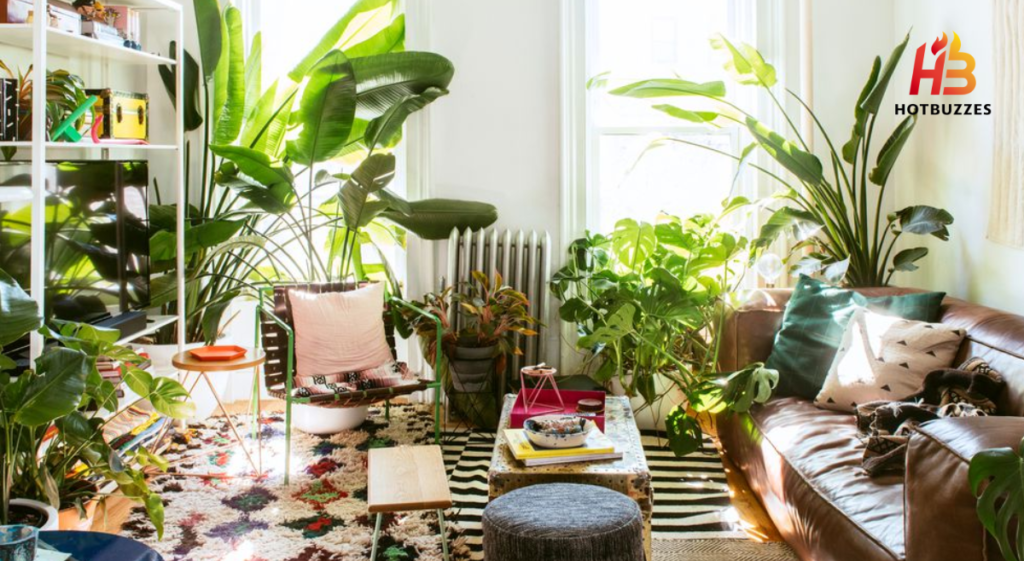
Decorating with plants does not have to be expensive. In fact, some of the most visually striking plant displays you will ever see were put together for almost nothing: a cutting rooted in a jar, a trailing pothos draping from a thrifted basket, a row of succulents lined up along a windowsill in mismatched pots that somehow work perfectly together.
The plant industry has done a good job of making beautiful plant displays look like they require rare specimens, expensive planters, and carefully coordinated accessories. None of that is true. A pot costing a few pounds or dollars from a charity shop, a propagated cutting from a friend’s plant, and a bit of thought about placement will produce results that are just as attractive as anything you would find in a curated interior shoot.
This guide covers every dimension of budget plant decorating, from acquiring plants cheaply to DIY planters that cost next to nothing, to display techniques that make small plant collections look far more substantial than they are. Every idea here is genuinely achievable on a tight budget and focused on looking good rather than spending big.
Why Plants Are Cost-Effective Decor
Before getting into the specific ideas, it is worth understanding why plants outperform most other decorating investments at equivalent price points. According to Proven Winners’ indoor plant decorating guide, homes decorated with plants have been shown to have a positive effect on physical and mental well-being.
Being in proximity to lush green plants helps lower daily stress levels and may even result in better sleep. Houseplants can filter harmful toxins from the air and add a living touch to home decor that no painting, cushion, or ornament can replicate, because they are alive and they change.

That living quality is what makes plants so valuable as a decorating tool, regardless of budget. A ten-pound succulent on a desk changes the energy of a workspace in a way that an equivalently priced picture frame simply cannot.
The return on investment for plants in terms of visual and psychological impact is genuinely high, and it compounds over time as plants grow larger, produce pups and cuttings, and fill the space they inhabit more completely.
Start with Budget-Friendly Plants
The single most powerful budget decision in plant decorating is plant selection. Some plants are widely available for very little money and have a visual presence that far exceeds their price tag.
HGTV’s plant decorating ideas guide recommends thinking carefully about where in your home a plant will fit best before buying anything, considering light requirements, size, and the overall aesthetic you are building. This saves money by eliminating purchases that do not work for the space.
The plants that give the most visual reward per pound or dollar spent are consistently the same ones: pothos, spider plants, snake plants, ZZ plants, and small succulents. Available at garden centres, supermarkets, and online for just a few pounds or dollars, all of these plants are easy to find. Over time, each one grows to fill the space available. Thanks to their easy propagation, a single plant purchased today can produce ten new plants within a year at no additional cost.
Propagate Plants for Free
Pothos, spider plants, heartleaf philodendrons, tradescantia, and begonias all propagate in water almost effortlessly. A single pothos purchased for a few pounds can produce a dozen new plants within six months through regular cuttings. Those cuttings fill empty spots on shelves, fill hanging baskets, get given away to friends, or are grown on into larger plants. Learn which indoor plants are known for improving air quality and creating a fresher living space.
Apartment Therapy’s plant display ideas guide describes fresh herb plants from the supermarket as an often-overlooked budget source for plant decorating. Basil, mint, and rosemary sold in supermarket pots for the price of a bunch of cut herbs can be repotted into individual containers and used as living kitchen decor that is simultaneously functional and visually effective.
Spider plants make propagation particularly visible and decorative at the same time. Cottage on Bunker Hill notes that their arching offshoots make propagation visible, and the mother plant itself looks more dynamic as the cascading pups develop. Display a spider plant in a high position so the pups trail down visibly; the dangling offshoots are a feature rather than a stage to rush through.
Plant swaps and community groups are another free source of plants that is underused. Neighbourhood plant swap groups, local Facebook community groups, and platforms where gardeners offer free cuttings regularly connect people who have more of a particular plant than they need with people who want to start a collection.
DIY Planters That Cost Almost Nothing
Buying planters from garden centres or home decor stores is one of the quickest ways to blow a plant decorating budget. The alternative is making your own or repurposing what you already have, and the results are often more interesting than anything sold in a shop.
HGTV specifically recommends thrift stores, flea markets, and antique shops as sources for eclectic and budget-friendly planters that fit vintage or bohemian aesthetics. Jugs, mugs, ceramic bowls, enamelware, wooden crates, and baskets all function as excellent plant containers, either with a drainage hole drilled in or used as cachepots for a standard nursery pot sitting inside.
Concrete pots
Concrete pots are one of the most popular DIY planter projects because the material is inexpensive, the process is genuinely simple, and the result looks far more expensive than it is. Basic concrete mix, a plastic bottle as a mould, and a few minutes of work produce a pot that looks completely at home in any contemporary interior. Handles, textures, and colours can be added with minimal additional cost.
Wicker and rattan baskets
Wicker and rattan baskets are among the most versatile and affordable planter options available. Cottage on Bunker Hill notes that baskets not only disguise the ugly plastic pots houseplants are sold in, but also add texture and a natural element to room decor simultaneously. Line a basket with a plastic bag or place the nursery pot inside a waterproof liner before adding the plant; this prevents moisture damage to the basket itself.
Glass jars and vessels
Glass jars and vessels are another excellent zero-cost option. Propagating plants in clear glass jars and displaying the jars while the roots develop is both genuinely beautiful and completely free. A row of jars along a windowsill, each containing a different cutting at different stages of root development, creates a living display that changes daily and costs nothing.
Terracotta pots
Terracotta pots, the plain, unglazed orange clay pots sold in every garden centre, are among the cheapest pots available and look genuinely attractive, particularly when grouped. They can be painted with chalk paint or concrete paint to create a more polished look, sealed with wax for a matte finish, or left plain for a classic terracotta aesthetic that suits any interior style from traditional to contemporary.
Grouping Plants for a Full Look
One of the most effective display techniques in plant decorating costs nothing at all because it is a question of arrangement rather than purchase. HGTV recommends pairing plants together in groups of three for a fuller, more lush look. Three small plants grouped look substantially more impressive than three individual plants spread across a room. The group creates a focal point, a sense of abundance, and a natural-looking miniature garden.
TheCoolist’s 2026 plant styling guide elaborates on the grouping principle: grouping plants in matching pots creates a polished moment. Different heights keep the arrangement interesting while the uniform pot base ties it together. This is an excellent trick for beginners, stick to one pot colour or material and let the plant shapes do the visual work.
The contrast between leaf shapes matters more than the number of plants. A tall, upright snake plant next to a trailing pothos next to a low, rosette-shaped succulent creates visual interest across three entirely different plants at three entirely different heights. HGTV specifically recommends pairing one tall upright plant with one trailing plant to make an arrangement appear fuller. This principle applies regardless of the species involved or the price paid.
The vignette approach, combining plants with non-plant objects like stacked books, candles, small sculptures, or framed prints, extends the visual effect of a small plant collection significantly. Cottage on Bunker Hill describes mixing plants with books and pictures on a mantle to create an eclectic look, using a trailing plant to soften the edges of furniture and a more dramatic leafy plant at the opposite end for balance.
Working with Height and Vertical Space
One of the most underused and cheapest decorating tools in plant styling is height, varying the levels at which plants are displayed to create a layered, dynamic look that fills a space more completely.
TheCoolist’s 2026 plant styling guide notes that a mix of floor plants and shelf styling builds a rich, layered look. The room feels full but balanced when plants occupy multiple levels rather than clustering at one height. Floor plants anchor a corner. Shelf plants add a mid-level. Hanging plants draw the eye upward. This three-level approach transforms a sparse room with just five or six plants into a space that feels genuinely filled with greenery.
HGTV recommends using plant pedestals and stands to play with height, creating a cascading or layered effect by boosting smaller plants to different levels. Inexpensive plant stands from flat-pack furniture retailers, upturned crates, stacked books, or even old stools function as plant pedestals at minimal cost. The principle is the same regardless of whether the stand costs two pounds or two hundred.

Hanging plants maximise floor space in small rooms while adding the vertical dimension that makes plant decor feel more considered. Apartment Therapy recommends displaying plants in a vertical fashion, specifically as a way to save on space. Macramé hangers for trailing plants are one of the more widely available and affordable plant accessories, and a basic macramé pot hanger is straightforward to make from cotton rope if you prefer the DIY approach.
A pothos or heartleaf philodendron in a pot above a doorframe, allowed to trail down around the frame over several months, transforms an ordinary doorway into something genuinely striking at the cost of one small plant.
Windowsill and Shelf Displays
The windowsill is the most underestimated display surface in most homes. It provides the best natural light of any spot in the room, is at eye level when seated, and has more display length than most furniture surfaces.
Apartment Therapy recommends a row of small plants along a window as one of the simplest and most effective display ideas, creating a layered, sunlit vignette that brings life to a window that might otherwise frame an unappealing view. Even a north-facing window with limited light supports a row of ZZ plant cuttings or air plants in glass vessels.
For kitchen windowsills, growing fresh herbs as part of the display creates a genuinely functional and visually effective arrangement. Apartment Therapy describes cooking with fresh herbs from your own kitchen display as one of the most satisfying combinations of function and aesthetics available at home. Supermarket herb plants transferred into terracotta pots, set in a row on a sunny kitchen windowsill, cost less than a bouquet of cut flowers and last months longer.
Bookcases are another surface that transforms visually when plants are incorporated. Cottage on Bunker Hill specifically identifies bookcases as great spots to add greenery to a home. Small potted plants tucked between books, a trailing pothos allowed to cascade down from the top shelf, or a propagation jar with visible roots sitting beside a cluster of spines all create a layered, lived-in look that is impossible to achieve with objects alone.
TheCoolist’s 2026 plant styling ideas describes the effect of a single plant moment by a window paired with stacked books and a simple pot as creating a quiet rhythm that feels intentional without trying too hard, the kind of styling that works on slow mornings without requiring a photographer or a large collection.
Terrariums and Mini Gardens
A terrarium, a small glass container planted with miniature plants and decorative elements, is one of the most cost-effective ways to create a complete, self-contained plant display at minimal expense. Find the best houseplants that are safe for curious cats and playful dogs while adding beauty to your home.
Cottage on Bunker Hill provides a practical method: a small glass terrarium, a mini succulent or air plant, and filler materials including sand, pebbles, rocks, and moss. The filler layers are both decorative and functional, creating drainage for the plant while building a visually interesting miniature landscape. The entire project costs less than most single ornamental accessories.
For an ongoing terrarium project, moss terrariums with closed lids create a self-sustaining ecosystem that requires almost no maintenance once established. Place a layer of pebbles at the bottom for drainage, add activated charcoal to prevent bacterial growth, top with potting mix, plant small ferns or mosses, seal the lid, and leave the system largely alone. The condensation cycle inside the sealed container waters the plants continuously.
The visual effect of a well-constructed terrarium on a desk or coffee table is completely disproportionate to its cost. Proven Winners notes that with increased demand for houseplants, plant varieties, decorative containers, and accessories, now come in a wider array of styles and colours than ever before, but the most creative displays are often the ones made from the simplest and most personal materials rather than purchased kits.

Using Plants to Define Zones & Create Atmosphere
One of the most sophisticated plant decorating techniques requires no expensive plants at all; it requires thinking about what you want the room to feel like and placing plants accordingly.
Studio Apartment
Apartment Therapy describes a studio apartment where a clothing rack filled with plants was used as a room divider, visually dividing the space while allowing light to pass through and keeping the room feeling open. This approach costs as much as a cheap clothing rack and a few inexpensive trailing plants and produces a result that interior designers charge substantial fees to achieve.
Plants Woven into Shelving
TheCoolist describes plants woven into shelving and around seating areas, making the whole room feel alive, not just decor but part of the atmosphere. This approach works by using plants continuously rather than as isolated objects. A row of plants on a bookcase shelf above a sofa, continued by a floor plant at one end and a trailing plant at the other, creates a frame around the seating area that defines it as a room within a room.
HGTV notes that research has shown shades of green help people feel relaxed and improve overall well-being. Bringing plants into a workspace or home office creates a sense of nature indoors that improves focus and reduces stress. For a home office in particular, a few well-placed plants deliver a return on investment in comfort and productivity that far exceeds their purchase price.
Combining plants with lighting, particularly warm-toned lamps that cast a glow through or around foliage, creates atmosphere rather than just decoration. TheCoolist identifies this as a technique for evenings specifically: combine plants with lighting to create atmosphere, not just decoration.
A floor plant next to a floor lamp, a trailing plant in a hanging planter over a reading chair’s lamp, or a group of small plants on a shelf beneath a warm desk lamp all produce the kind of atmospheric evening lighting that is typically associated with expensive interior design but costs almost nothing to achieve.
The Cheapest Plants
Knowing which plants deliver the highest decorative return for the lowest price is genuinely useful information, and the answer is consistently the same across interior design and plant care communities.
For trailing and shelf displays, golden pothos is the unanimous winner. TheCoolist’s 2026 plant styling guide identifies trailing vines and floor plants working together as the aesthetic defining most of the most attractive plant-heavy interiors of 2026. Pothos provides that trailing quality at a lower cost than almost any alternative.
For statement floor plants, the ZZ plant and snake plant both provide architectural presence, deep glossy foliage, and genuine durability at consistently low prices. Proven Winners specifically names ZZ plant, philodendron, snake plant, pothos, and spider plant as the virtually fail-proof plants that are ideal for building confidence when starting.
For small decorative accents, small succulents and cacti in a group of three or five terracotta pots create an instantly polished look at minimal cost. The uniformity of the terracotta ties the group together visually, while the variety in plant shapes creates interest.
FAQs
Q1: What is the cheapest way to build a plant collection for decorating?
Start with propagation. One pothos, one spider plant, and one heartleaf philodendron, bought for a few pounds total, can produce twenty to thirty new plants within a year through water propagation. Plant swap groups and neighbourhood sharing platforms provide free plants in return for your cuttings.
Q2: What can I use as planters if I do not want to spend money on pots?
Thrift stores and charity shops are the most reliable sources of affordable planters. Glass jars work perfectly for water propagation displays. Wicker baskets used as cachepots disguise plain nursery pots beautifully. Terracotta pots from garden centres are among the cheapest purpose-built options and look genuinely attractive.
Q3: How do I make a few plants look like a larger collection?
Use the grouping principle. Three plants placed together at different heights with different leaf shapes look three times as impressive as three individual plants distributed around a room. Add a trailing plant alongside an upright one and a low rosette to create the maximum visual variety from the minimum plant count.
Conclusion
Budget plant decorating is not about compromise. Some of the most beautiful plant displays in the world cost almost nothing; they are the result of understanding how to use height and grouping, which plants grow quickly and generously, and how to find or make containers that enhance rather than detract from the plants they hold.
Plant decor does not require a budget. It requires observation, patience, and a willingness to let a cutting root in a jar on your windowsill for a few weeks before becoming the trailing display that transforms your bookcase. The plants do the work. You just have to let them.

Ali Hassan is a plant enthusiast and content writer who creates practical, easy-to-follow articles about plant care, gardening, and indoor plants. He combines thorough research with reliable horticultural resources to provide accurate, beginner-friendly advice. His goal is to help readers grow healthier plants and make plant care simple, enjoyable, and accessible for everyone.