
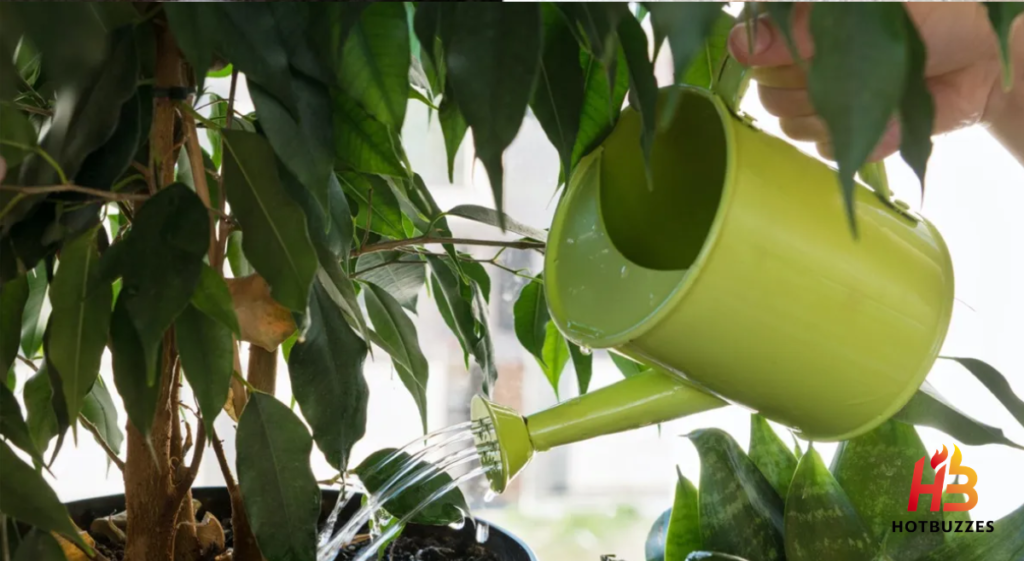
Watering a plant feels like the most natural thing in the world. You want it to thrive, so you give it water. Then you give it a little more. Then you water it again just to be safe. Before long, the plant starts looking worse than it did before you started trying so hard, and most people make the mistake of giving it even more water to fix the problem.
Overwatering is the number one reason houseplants die. It is more dangerous than underwatering, more common than pest damage, and more misunderstood than almost any other plant care mistake. The tricky part is that the symptoms often look just like the symptoms of underwatering, which is why so many people keep watering a plant that is already drowning.
This article covers every major sign of overwatering, explains what is actually happening inside the plant when it receives too much water, and walks through a clear step-by-step process for saving an overwatered plant before it is too late.
What Happens When a Plant Gets Too Much Water
Before looking at the symptoms, it helps to understand the biology behind what overwatering does to a plant. Plant roots need two things from the soil: water and oxygen. Most people know plants need water, but the oxygen part is less obvious. Soil has tiny air pockets between its particles, and roots breathe through those pockets.
When soil becomes waterlogged, all those air pockets fill with water, and the roots are cut off from oxygen entirely. According to the University of Maryland Extension, plants exposed to excess moisture show symptoms similar to root rot and drought stress combined. Without oxygen, roots begin to weaken, die, and eventually decay.
Once roots start rotting, the plant cannot absorb water or nutrients, regardless of how much is in the soil. This is why overwatered plants often wilt and turn yellow, just like plants that have not been watered in weeks; the root system has shut down.
The Old Farmer’s Almanac describes root rot not as a single disease but as a group of problems caused by different soil-dwelling organisms. Most root rot in houseplants is caused by water molds, fungal-like organisms such as Phytophthora and Pythium, as well as true fungi like Rhizoctonia and Fusarium. These organisms thrive in damp conditions and can survive in soil for years. The moment the soil stays wet for too long, these pathogens get a chance to attack.

Carpathen Plant Care describes this state as “physiological drought”, a condition where the plant is surrounded by water but cannot access any of it because its root system has been damaged. That term explains a lot about why overwatering is so confusing to diagnose.
How to Spot and Fix Overwatering in Plants
Sign 1: Yellow Leaves
Yellow leaves are the most common and well-known sign of overwatering, but they are also one of the most misread ones. When roots are sitting in waterlogged soil, they suffocate and begin to rot. As root function declines, the plant cannot absorb essential nutrients from the soil. This nutrient starvation shows up in the leaves as chlorosis, the technical term for leaf yellowing, which is caused by a breakdown in chlorophyll production.
According to Bloomscape, overwatered plants develop yellow or brown limp, droopy leaves, which are distinctly different from the dry, crispy leaves caused by underwatering. The key difference is texture: overwatered yellow leaves feel soft, mushy, or limp when you touch them. Underwatered yellow leaves feel dry and papery.
Rockledge Gardens points out an important pattern: widespread yellowing, especially when it affects younger leaves and not just the oldest ones at the base, strongly indicates excess water. Older leaves naturally turn yellow and drop as they age, which is normal. But when young, new leaves are turning yellow alongside the older ones, the root system is failing.
The yellowing from overwatering often starts at the leaf edges and spreads inward, and in some cases, the veins stay green while the tissue between them turns yellow. This interveinal yellowing happens because the plant can no longer move nutrients efficiently through its damaged vascular system. Grow new pothos plants at home with this easy water propagation technique that anyone can follow.
Sign 2: Wilting Despite Wet Soil
This is the sign that confuses plant owners the most. A plant that has been overwatered often wilts, leaves droop, stems go limp, and the whole plant looks like it needs water. So the instinct is to water it again. That is exactly the wrong thing to do.
Carpathen Plant Care explains that this wilting is a direct result of root damage. Because the roots can no longer transport moisture up through the plant effectively, the leaves lose their water pressure and go limp. It looks identical to drought wilting from the outside.
The way to tell the difference is simple: check the soil. Push a finger two to three inches into the soil near the base of the plant. If the soil feels wet or soggy and the plant is wilting, the problem is overwatering, not underwatering. If the soil is bone dry, then the plant genuinely needs water.
JOMO Studio describes it clearly: when a plant has too much water, the roots become waterlogged and oxygen-starved, leading to limp, wilting leaves. It is a bit of an irony that both underwatering and overwatering produce the same drooping symptom, which is exactly why checking the soil first is always the right starting point before reaching for the watering can.
To fix overwatering plants at this stage, stop watering immediately and let the soil dry out before checking again. If the pot feels heavy and waterlogged, gently remove the plant, trim away any mushy or blackened roots, and repot it in fresh, well-draining soil to help it recover.
Sign 3: Root Rot
Root rot is where overwatering goes from a fixable problem to a potentially fatal one. The Old Farmer’s Almanac explains the process clearly: root rot usually develops when the soil stays too wet for too long.
Plant roots need oxygen as well as water, and in saturated soil, they cannot breathe. Without oxygen, roots weaken, die, and begin to decay. Most root rot is caused by water molds, particularly Phytophthora and Pythium, which thrive in damp conditions and can survive in soil for many years.
Yates Australia identifies the main pathogens as Armillaria, Phytophthora, and Pythium, noting that overwatering depletes oxygen in the soil and causes roots to soften, become mushy, and die. These pathogens can then invade healthy plant tissue and spread quickly.
To check for root rot, remove the plant from its pot. Healthy roots are firm and light-colored, usually white or pale tan. Roots affected by rot turn brown or black and feel soft and slimy when you touch them. The soil may also emit a foul, rotten smell, which is the smell of decaying organic matter in an oxygen-depleted environment.
Bloomscape identifies a specific symptom to watch for: if the base of the plant stem begins to feel mushy or unstable, root rot has likely already started moving up from the roots into the stem. At this stage, the plant needs immediate intervention.
Sign 4: Mold or Fungus on the Soil Surface
White, gray, or greenish fuzzy growth sitting on top of the soil is a clear indicator that the soil has been staying wet for too long. According to Mars Hydro, excess moisture fosters mold growth on soil and plant surfaces, showing up as a fuzzy white, gray, or greenish layer with a musty scent.
In extreme cases, this fungal invasion can spread to stems, leaves, and flowers, eventually progressing to botrytis blight, also known as gray mold, which rapidly decays plant tissue. Surface mold on soil is not just an aesthetic problem. It signals that the growing environment is too damp and that the conditions pathogens like Pythium need to attack roots are already present.
Bloomscape notes that fungus gnats, small flies that hover around the soil, are also a very common sign of overwatering. These insects lay their eggs in moist soil, and their larvae feed on plant roots, which can compound the damage already being done by overwatering.

Sign 5: Edema (Blisters on Leaves)
Edema is one of the lesser-known signs of overwatering, but one of the most specific. If you notice small, raised, water-soaked blisters or corky bumps on the undersides of leaves, particularly on succulent-type plants or thick-leafed houseplants, edema is the likely cause.
Mars Hydro explains the mechanism: when plant roots absorb water faster than leaves can utilize or release it, individual leaf cells swell beyond their capacity, rupture, and form water-soaked blisters on the leaf surface. These blisters eventually harden into raised, corky patches that are permanent markers of cellular damage from excess water uptake.
Rockledge Gardens describes edema as a telltale sign of overwatering and notes that it is most visible on the undersides of leaves. The blisters do not indicate pest damage or disease; they are caused entirely by internal water pressure that the leaf tissue cannot contain.
Edema-damaged leaf tissue does not recover. Once those corky patches form, they stay. But stopping the overwatering prevents new blisters from forming, and the plant can grow fresh, healthy leaves going forward.
Sign 6: Brown Leaf Tips and Edges
Brown tips and edges on leaves can be caused by several things, but when they appear alongside wet soil and other overwatering symptoms, excess moisture is the likely culprit. Carpathen Plant Care explains this as necrosis at the leaf tips and margins, cell death caused by the plant’s inability to move water and nutrients properly due to damaged roots.
This type of browning is different from drought browning. With drought, leaf tips go brown, and then the leaf feels dry and crispy. With overwatering, the brown tips and edges often appear alongside soft, limp leaf tissue rather than a dry, papery texture.
Mars Hydro also notes that crispy leaf margins can appear alongside other overwatering signs like yellowing and mold growth, which might seem contradictory, but is explained by the physiological drought effect; the plant is running out of water internally even though there is too much in the soil.
Sign 7: Leaf Drop
When a plant starts dropping leaves, it has not naturally shed them, particularly when it drops both old and new leaves rather than just the oldest ones at the base. Overwatering is usually the reason. Make snake plant care easy with these essential tips for beginners and first-time plant owners.
According to Bloomscape, if your plant is dropping old and new leaves alike, you have likely overwatered. The shed leaves can be green, brown, or yellow. The plant is essentially trying to reduce its surface area to manage the reduced water transport that its damaged roots can provide.
The University of Maryland Extension confirms that if excess moisture continues without correction, plants will progress from yellowing and wilting to scorching, leaf drop, and eventually death. The timeline between early symptoms and plant death can be surprisingly short once root rot has fully set in.
To fix overwatering plants that are dropping leaves, cut back on watering right away and check the roots for rot. Remove any damaged roots, repot in fresh well-draining soil, and only water again once the top few inches of soil have fully dried out.
Sign 8: Stunted or Stopped Growth
A plant that has suddenly stopped growing during the active growing season, or that has slowed dramatically without any change in light or fertilizing, may be experiencing root damage from overwatering.
Lotusmagus Plant Care explains that overwatering can cause nutrient imbalances by washing essential nutrients out of the soil and by damaging the root structures that absorb those nutrients in the first place. When roots are compromised, the plant cannot support new growth even if everything else looks normal.
Stunted growth combined with wet soil and any of the other symptoms on this list is a strong signal that the root zone is unhealthy and the watering schedule needs to change immediately.
How to Tell Overwatering from Underwatering
Because the symptoms overlap so much, here is a simple way to separate them:
- Check the soil first. Wet and soggy soil with a wilting plant means overwatering. Bone-dry soil with a wilting plant means underwatering.
- Check the leaves. Soft, mushy, limp leaves mean overwatering. Dry, crispy, papery leaves mean underwatering.
- Check what is dropping. Both old and new leaves dropping together means overwatering. Only the oldest, lowest leaves dropping while new growth looks fine is often just normal leaf turnover.
- Check the smell. A foul, rotten smell coming from the soil is overwatering. No unusual smell from the soil despite dryness is underwatering.
How to fix Overwatering Plants
Step 1: Stop Watering Immediately
The first thing to do is put down the watering can. Do not water the plant again until you have assessed the damage and the soil has had time to dry out.
Step 2: Improve Air Flow Around the Pot
Move the plant to a spot with good airflow if possible. Remove any saucers filled with water. Airflow helps the soil dry out faster and reduces the humidity around the foliage, which encourages mold growth.
Step 3: Check the Roots
Remove the plant from its pot and inspect the root system. Healthy roots are white or pale tan and firm. Rotted roots are brown or black and feel soft and slimy. If you find rotted roots, use clean scissors or pruning shears to cut them away.
Remove all soft, dark roots until only firm, healthy tissue remains. The Old Farmer’s Almanac recommends that once you have removed the rotted portions, allow the remaining roots to air dry for a few hours before repotting.
Step 4: Repot in Fresh Dry Soil
Do not put the plant back into the same wet soil. Use fresh, well-draining potting mix. For most houseplants, adding perlite to the mix improves drainage significantly. If the original pot did not have drainage holes, switch to one that does.
Carpathen Plant Care recommends choosing a pot that is appropriately sized, not too large, because oversized pots hold more soil that stays wet longer than the plant’s roots can use.

Step 5: Adjust Your Watering Schedule
Going forward, only water when the top two inches of soil are completely dry. The finger test, pushing a finger into the soil to that depth and feeling for moisture, is the most reliable way to know when to water.
The University of Maryland Extension suggests periodically lifting the pot to feel its weight. A pot with dry soil feels noticeably lighter than one with wet soil. Learning the weight difference for your specific pot and plant is one of the most practical ways to avoid overwatering.
Step 6: Give the Plant Time
Once you have addressed the root damage and adjusted the conditions, the plant needs time to recover. Do not fertilize right away; fertilizing a stressed plant with a damaged root system can make things worse. Wait until you see new, healthy growth appearing before resuming any feeding routine.
Some plants recover within two to four weeks. Others with more severe root rot may take a couple of months. As long as some healthy roots remain and the plant still has firm green stems, recovery is possible.
How to Fix Overwatering Plants & Avoid It in Future
The most reliable rule is to water based on what the soil tells you, not based on a fixed schedule. Different plants, different pot sizes, different light levels, and different seasons all affect how quickly the soil dries out.
A few habits that prevent overwatering in most situations: always use pots with drainage holes, never leave a pot sitting in standing water for more than an hour, use well-draining soil mixed with perlite or coarse sand for most houseplants, and check the soil before every watering rather than watering on a set day of the week.
The Royal Horticultural Society recommends avoiding overwatering as one of the primary ways to prevent Phytophthora root rot, noting that prolonged waterlogging reduces oxygen available to roots and leads directly to yellowing, rot, and plant death.

Signs That a Plant Is Recovering
Once the right steps are taken, signs of recovery start to appear within one to three weeks. New growth coming in, firm leaves, and an improved overall look all mean the plant is bouncing back. If leaves continue to drop or yellowing continues after two weeks, check the roots again for any remaining rot and adjust care as needed.
Overwatered vs Underwatered: Quick Comparison
| Sign | Overwatered | Underwatered |
|---|---|---|
| Leaf texture | Soft, limp, mushy | Dry, crispy, brittle |
| Soil | Wet, soggy | Dry, pulling away from the pot |
| Leaf color | Yellow or soft brown | Brown and crispy at the tips |
| Stem | Soft, unstable | Firm but dry |
| Root color | Dark, mushy | White or tan, dry |
Frequently Asked Questions
Q1: Can an overwatered plant recover?
Yes, in most cases. As long as some healthy roots remain and the stems are still firm, the plant can recover once you remove the rotted roots, repot in fresh dry soil, and adjust your watering habits. The sooner you catch the problem, the better the chances.
Q2: How long does it take for overwatered soil to dry out?
This depends on pot size, soil type, and airflow. A small pot in a warm room with good airflow might dry out in a few days. A large pot in a low-light corner can take one to two weeks. Lifting the pot to feel its weight is the most reliable way to know.
Q3: Should I remove yellow leaves from an overwatered plant?
Yes. Removing yellow or damaged leaves redirects the plant’s energy toward healthy growth and reduces the risk of fungal spread. Use clean scissors and cut as close to the stem as possible.
Final Thoughts
Overwatering is easy to do and surprisingly hard to recognize early, because by the time most people notice the symptoms, the damage to the root system is already underway. Yellow leaves, wilting despite wet soil, mushy stems, mold on the surface, and a foul smell from the pot are all signals the plant is sending out that the watering routine needs to change.
The fix is not complicated. Let the soil dry out, check the roots, repot in fresh, well-draining soil if needed, and commit to checking before watering rather than watering on autopilot. That one habit change, checking the soil before every watering, prevents most overwatering problems before they start.
Plants are forgiving when you catch problems early. Most overwatered houseplants can bounce back with the right intervention and a few weeks of patience. Give yours the chance to recover, adjust the routine going forward, and the healthy green growth will follow.

I started growing houseplants a little over 3 years ago with a single pothos cutting and a windowsill. Since then, my collection has grown to more than 40 plants (snake plants, ZZ plants, peace lilies, a couple of orchids). I’m still intimidated by, and one aloe that has survived three moves despite my best efforts to kill it.
I’m not a botanist or a certified horticulturist, I’m a hobbyist who’s made most of the beginner mistakes so you don’t have to: overwatering, underwatering, ignoring root rot until it was too late, and putting a sun-loving plant in the darkest corner of my apartment. HotBuzzes is where I share what I’ve actually learned from keeping plants alive (and occasionally failing), along with research from reliable sources to back it up.