
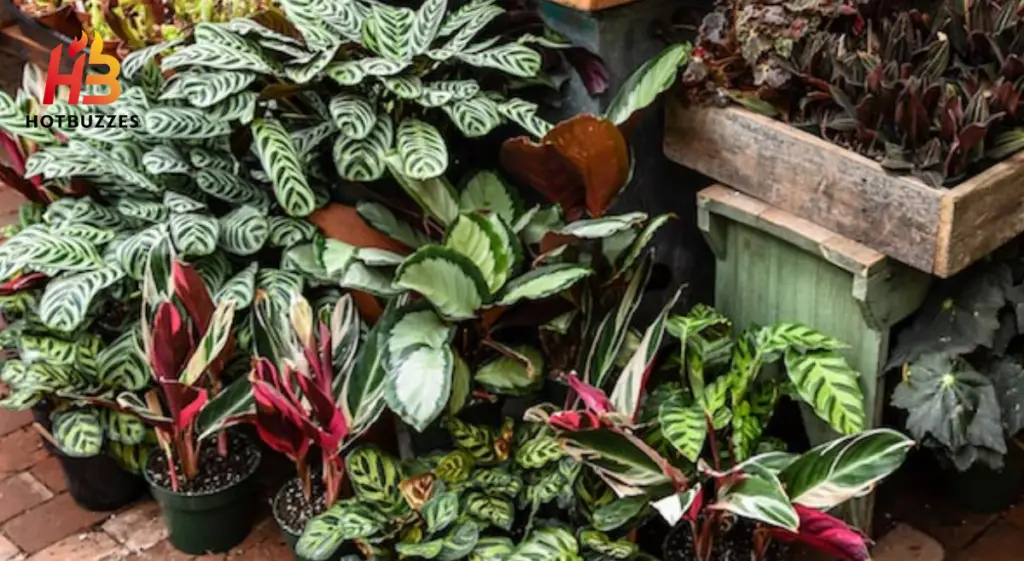
Walk into a plant shop or visit a plant collector, and one thing stands out. The most popular plants usually have two-toned leaves. Cream and green. White and deep emerald. Pink and burgundy. Silver and forest green.
These are variegated plants, and their popularity over the last several years has reached a level that shows no signs of slowing down. Some varieties have sold for hundreds of dollars per cutting. Rare specimens at auction have fetched thousands.
Plant influencers build entire platforms around their collections of variegated aroids. And yet the non-plant-owning world looks on in genuine confusion. Why would anyone pay that much for a leaf with white patches on it?
The answer is not as simple as “they look nice.” It involves biology, rarity, psychology, social media, and something fundamental about the human attraction to things that are genuinely one of a kind. This article covers all of it.
What Variegation Actually Is
According to Wikipedia’s entry on Variegation, variegation is the appearance of differently colored zones in the foliage, flowers, and sometimes the stems and fruit of plants, producing a speckled, striped, or patchy appearance.
The colors of these patches range from a slightly lighter shade of the natural color, through yellow and white, to other colors entirely, including red and pink. This is caused by varying levels and types of pigment, primarily chlorophyll, in different parts of the leaf.
Wikipedia also explains the two main causes.
Variegation can be caused by genetic mutations affecting pigment production, or by viral infections such as those resulting from mosaic viruses. Most of the variegated plants popular in houseplant collections today fall into the first category, genetic mutations rather than viral infection.
Biology Insights’ guide to plant variegation describes the most stable and widely recognized form of variegation as arising from chimerism. A chimeric plant is a single organism composed of two or more genetically distinct cell populations growing side by side. This mosaicism typically originates from a spontaneous mutation in the plant’s meristem, the growth point where new cells are constantly dividing.

The mutation interferes with the cell’s ability to produce functioning chloroplasts, the organelles responsible for chlorophyll production. Where a cell cannot produce chlorophyll, it cannot appear green. It appears white, cream, yellow, or silver instead, depending on the degree of chlorophyll loss.
A peer-reviewed study published in PubMed from Iowa State University’s Department of Genetics, Development, and Cell Biology confirms that cells in the green sectors of variegated leaves contain normal-appearing chloroplasts, while cells in the white sectors lack pigments and appear to be blocked at various stages of chloroplast development. Variegations can be caused by mutations in nuclear, chloroplast, or mitochondrial genes.
This means the white or cream areas on a variegated monstera leaf are not just a color, they are genuinely different tissue with a different genetic makeup from the green parts of the same leaf. One plant, two sets of DNA, existing simultaneously in the same organism. That is what makes chimeric variegation both fascinating and unstable.
Four Types of Variegation
Not all variegated plants are the same, and understanding the different types explains a lot about why some varieties are far rarer and more expensive than others. Dennis’ 7 Dees nursery identifies four main types of variegation, each with distinct characteristics and different implications for rarity and propagation. New to Fiddle Leaf Figs? Discover the essential care tips every beginner should know.
Pattern-Gene Variegation
This is the most common type and the most stable. It occurs naturally as part of the plant’s DNA. It is not a mutation but an inherited trait encoded in its genetic blueprint. The pattern appears consistently on every leaf because the plant is genetically programmed to produce it. Prayer plants, calathea, and Chinese evergreens all display this type.
Because pattern-gene variegation is predictable and stable, it is the easiest to propagate reliably. Almost every cutting produces a plant with the same pattern as the parent. This is why calathea and prayer plants are widely available at standard retail prices; their patterns are guaranteed.
Chimeral Variegation
This is the type most coveted by collectors and the one responsible for the highest prices in the houseplant market. Dennis’ 7 Dees names it after the Chimera of Greek mythology, a creature that possessed the head of a lion, the body of a goat, and the tail of a serpent. Like the mythological creature, a chimeral plant contains two distinct genetic makeups within one organism.
CheyDPlantLady’s variegation guide explains that within chimeral variegated plants, two or more distinct sets of DNA coexist within a single plant, one genetic sequence able to produce chlorophyll and one that is not. This creates the bold white and green sectoring seen in plants like Monstera deliciosa ‘Albo Borsigiana’ and Monstera Thai Constellation.
The instability of chimeral variegation is what makes these plants so rare. Biology Insights explains that chimeric tissue means the plant can sometimes revert to all-green growth, as the more vigorous non-mutated green cells outcompete the variegated cells.
This is why growers sometimes see stems that suddenly push out entirely green leaves, losing the variegation entirely. There is no reliable way to prevent this. It happens unpredictably. When it does, the commercial value of that stem drops dramatically.

Reflective or Blister Variegation
This type is caused when an air pocket forms between the layers of a leaf. The lower tissue contains chlorophyll while the upper tissue does not, creating a white, silver, or reflective coloring in that area of the leaf.
Dennis’ 7 Dees notes that these air pockets form in random splotches, like on Scindapsus pictus, or along the leaf veins. This creates the striking silver patterns seen in many anthurium varieties. This type of variegation is stable and does not revert. As a result, plants with this trait are more predictably producible than chimeral varieties.
Viral Variegation
The least desirable type. Wikipedia confirms that variegation can be caused by viral infections such as mosaic viruses. Biology Insights notes that viruses such as mosaic viruses interfere directly with the plant’s pigmentation pathways, disrupting chlorophyll production in localized areas and causing patterns of light green, yellow, or white.
The resulting patterns can look similar to genetic variegation. However, the plant is actually diseased. The variegation is a symptom of infection, not a desirable genetic trait. Plants with viral variegation should not be propagated, as the virus spreads to new plants.
Why Variegated Plants Are So Rare
The rarity of genuinely variegated plants, particularly chimeral varieties, is not manufactured scarcity. It is a direct consequence of how variegation occurs and how it behaves.
Casa Botanica’s guide to variegated plants explains this directly. Obtaining a plant with the right variegation pattern is difficult. This is because the genetic mutation causing color variation does not always occur. Even when a plant initially shows variegation, the leaves may turn completely green again. As a result, it is rare for the color variation to remain consistent over time.
Because chimeral variegation cannot be reliably reproduced from seed, propagation from cuttings is the only way to multiply these plants. And even then, Dennis’ 7 Dees notes that some forms of chimeral variegation cannot be propagated from stem cuttings at all, and there is not always a guarantee that variegation will persist in the new plant even when stem propagation is possible. This keeps supply fundamentally limited while demand continues to grow.
The growth rate compounds this problem. Casa Botanica points out that variegated plants tend to grow more slowly than their all-green counterparts. This is a direct biological consequence of having less chlorophyll.
Since chlorophyll is the pigment responsible for photosynthesis, converting light into the energy the plant uses to grow, having less of it means the plant produces energy more slowly. A variegated monstera grows at a fraction of the rate of a standard green monstera, which means it takes longer to produce cuttings, and the overall supply grows slowly.
Wikipedia confirms this directly: in individuals where variegation occurs in normally photosynthetic cells, the lack of functioning chloroplasts can slow the growth rate.
Role of Tissue Culture in Changing Availability
Tissue culture is reshaping the variegated plant market in ways that are genuinely significant.
Plantify’s complete guide to variegation explains that tissue culture techniques can induce and maintain certain forms of variegation by subjecting plant tissues to controlled laboratory conditions. Alocasia produced through tissue culture, for example, are significantly more likely to come out variegated than those propagated through traditional division or cutting methods.
Gardenista’s 2024 houseplant trend report quotes houseplant influencer Hilton Carter, noting that tissue culture has come a long way, pointing to new varieties of variegated alocasias and philodendrons with vivid red and pink coloring that were only recently made accessible to collectors through tissue culture production.
Accio’s houseplant trend analysis describes this as a key driver for 2025 and beyond: the rise of tissue culture is making rare plants more accessible and accelerating production of new, exciting variegated varieties and hybrids, especially for philodendron, begonia, and anthurium. This is gradually bringing some previously unaffordable plants within reach of a wider collector base, though the rarest chimeral specimens remain far beyond the reach of tissue culture at scale.
The Psychology of Wanting Variegated Plants
Understanding why variegated plants are so popular requires going beyond biology. The appeal operates on several psychological levels that are worth looking at honestly.
Each Leaf Is Unique
Thursday’s plant trend guide captures this perfectly: variegated plants are beautiful because each leaf is a surprise; you never know what type of pattern you will get. Casa Botanica describes the charm of unpredictability as a core part of the appeal. When growing variegated plants, there is no guarantee the new shoots will retain the same color patterns, which adds a genuine sense of excitement and surprise.
This is psychologically meaningful. Most consumer products can be replicated identically. A variegated plant with chimeral variegation cannot. Every leaf is genuinely different from the one before it, and no two plants from the same species will look exactly alike. That is an experience that cannot be manufactured or mass-produced in the usual sense.

Rarity Creates Desire
Plantify notes that the rarity of variegation adds to their allure, making them prized possessions among enthusiasts and collectors. This is a well-documented psychological phenomenon that operates across many categories. Rare things feel more valuable, and owning them creates a sense of having something that not everyone can have.
Casa Botanica connects this to market dynamics: with rising popularity, there is greater demand for unique specimens, causing prices to continue to rise. Collectors and plant enthusiasts are willing to pay more for a rare plant that enhances their home.
The price itself becomes part of the signal; a plant that costs several hundred dollars communicates something about the collector’s knowledge, commitment, and taste in a way that a common plant cannot.
Most Popular Variegated Plants and What Makes Each Special
Monstera Albo Borsigiana and Monstera Thai Constellation
These two variegated monstera varieties represent two very different types of variegation within the same species. The Albo Borsigiana has chimeral variegation, unstable, unpredictable, with leaves ranging from heavily white to almost entirely green, and cuttings that may or may not carry the variegation forward. The Thai Constellation has stable variegation created through tissue culture and maintained reliably across new leaves. Grow Tropicals’ 2026 trend report confirms both continue to be highly desirable collector plants.
Philodendron Pink Princess
Gardenista notes that 1-800-Flowers chose the Philodendron Pink Princess as their 2024 houseplant of the year, partly because of its striking variegation. The pink and deep green contrast is genuinely unlike any other common houseplant, and because the pink coloring is the result of chimeral variegation, the amount of pink on each leaf varies unpredictably. Leaves with balanced pink and green coverage are particularly sought after. Looking for stylish indoor plants? Check out the top 10 trending houseplants for 2026.
Philodendron Birkin
Unlike the Pink Princess, the Birkin’s white pinstripe variegation is stable and appears consistently on every leaf. Gardenista identifies it as one of the top trending philodendron varieties. Its accessibility, widely available, reliably reproducible, and moderate in price, has made it the entry point into variegated philodendrons for many collectors.
Variegated Anthurium Warocqueanum
Soltech describes the variegated version of this anthurium as exceptionally rare, slow-growing, and difficult to propagate, with some large specimens selling for up to $12,000. Its massive, elongated leaves with creamy white streaks of variegation represent the far end of the collector market, plants that function as genuine investment pieces.
Scindapsus pictus (Satin Pothos)
At the more accessible end, the Scindapsus pictus shows reflective or blister-type variegation, silver patches on a deep green leaf that create a metallic shimmer in good light. Thursd identifies it as a popular choice for both experts and beginners due to its similar care requirements to pothos and its striking leaf appearance. The variegation is stable, which means it reproduces predictably, and prices remain accessible while still delivering genuine visual impact.
Variegated Euphorbia
Grow Tropicals’ 2025 rare plant guide notes that variegated euphorbias are high on wishlists, and unlike many rare plants, their prices have not come down significantly despite growing interest. Their slow growth rate limits availability. Soltech describes them as prized for their sculptural form and color contrast, with an almost alien appearance that makes them unlike anything else in a plant collection.
FAQs
Q1: Are all variegated plants expensive?
Not at all. Pattern-gene variegated plants like calathea, prayer plants, and the Philodendron Birkin are widely available at standard prices. The most expensive plants are chimeral varieties like Monstera Albo Borsigiana and rare anthuriums, where the instability of the variegation and slow growth rates limit supply significantly.
Q2: Can variegated plants lose their variegation?
Yes, chimeral variegated plants can revert to producing all-green leaves. This happens because the non-variegated green cells, which contain functional chloroplasts and can photosynthesize more efficiently, sometimes outgrow and outcompete the variegated cells over time. Stable variegation types like pattern-gene and reflective variegation do not revert.
Q3: Do variegated plants need different care from standard green plants?
The core care requirements are the same, but variegated plants typically need more light to compensate for their reduced photosynthetic capacity. They are also more sensitive to direct sun on the white areas of their leaves and tend to grow more slowly, which means soil moisture should be monitored more carefully to avoid overwatering.
Conclusion
Variegated plants are popular for reasons that go several layers deeper than simply being fashionable, and they are popular because they are biologically fascinating, the result of genetic mutations that create organisms with two different sets of DNA in one plant, producing leaves that are genuinely unique and unpredictable.
They are popular because they are genuinely rare in ways that cannot be easily overcome by production at scale. They are popular because social media has given them a global stage that magnifies their visual appeal to audiences who had never previously considered houseplant collecting. And they are popular because the collector mindset they activate, the desire to find, keep, and care for something genuinely one of a kind, is deeply and consistently human.

Ajwa Asif is a writer with a passion for plants, gardening, and creating educational content. She researches plant-related topics using reputable horticultural resources and shares practical advice to help readers grow healthier plants and build confidence in their gardening journey. Her content focuses on delivering clear, reliable, and user-focused information.