
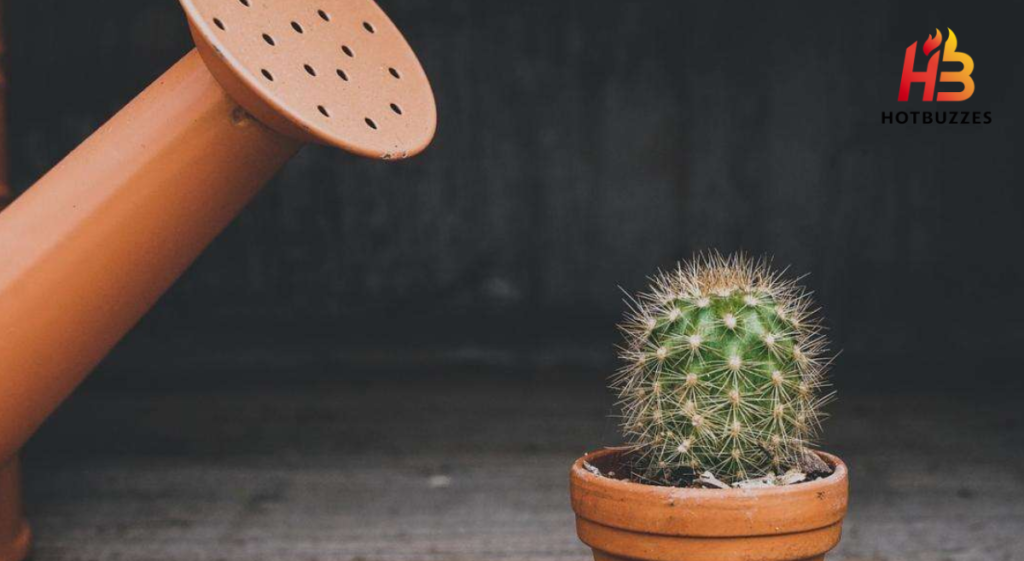
The most common question new plant owners ask, and the one that plant experts most consistently refuse to answer with a fixed number, is how often to water. Every plant guide seems to have a different answer. One says every seven days. Another says when the top inch is dry. A third says check the weight of the pot. A fourth says it depends on the plant.
They are all right. That is the genuine answer, and understanding why it is the answer makes every watering decision easier from the moment you grasp it. According to the University of Maryland Extension’s indoor plant care guide, plants should not be watered on a schedule but rather when they need it.
Factors that influence watering include differences in potting media, humidity, and temperature. A large percentage of houseplants are lost because of overwatering and underwatering. Watering on a schedule is not the best method, as this can lead to plants receiving too much or too little water.
That institutional position, from one of the most credible plant care sources in North America, cuts through every conflicting piece of advice. The frequency is not the question worth answering. The question worth answering is how to know when a specific plant in a specific pot in a specific room needs water right now. This guide answers that question in full.
Why Plant Cells Require Water: The Biology Behind the Need
Before getting into frequency, understanding why water matters at a cellular level changes how you think about watering decisions. Bloom and Wild’s houseplant watering guide explains the biology concisely: a plant’s cells are made up of around 80 to 90 percent water. This is what helps them stay upright and hold their shape and volume.
Plants need water to survive, grow, and stay healthy and upright. They also need water for photosynthesis so they can create energy. The water given to plants helps deliver essential nutrients from the soil to where they are needed in the plant’s tissue.
This cellular water dependency explains what happens visually when a plant dries out. When plant cells lose water, they lose turgor pressure, the internal water pressure that keeps them rigid. Leaves droop, stems bend, and the whole plant takes on a wilted appearance. This is not structural damage; it is hydraulic failure. A well-watered plant is literally being held upright by water pressure inside its own cells.
The same cellular biology explains why overwatering causes problems differently. When soil stays saturated, oxygen is displaced from the air pockets between soil particles. Roots need oxygen as much as they need water. Without oxygen, root cells begin to die, and dead roots cannot transport water or nutrients upward, which is why an overwatered plant can wilt in the same way as an underwatered one despite having water surrounding its roots.

PreachBio’s February 2026 watering guide captures this precisely: overwatering is enemy number one. Excess water fills soil pores, starving roots of oxygen and inviting root rot. Underwatering stresses plants, but it is easier to fix; roots recover quickly with a good soaking. Learn the best fall care routine to keep your indoor plants strong and vibrant all season long.
The Seven Factors That Control How Fast Soil Dries
The reason a fixed watering schedule fails is that the soil drying rate is controlled by multiple simultaneous variables. Change any one of them, and the correct interval changes with it. Master indoor plant feeding with practical tips on choosing the right fertilizer and schedule.
Plant Type and Leaf Structure
The most fundamental variable is the plant itself. IndoorPlantify’s January 2026 watering guide identifies the core biological distinction: succulents and cacti store water in their leaves and stems and need less frequent watering. Leafy plants with thinner leaves, like money plants or peace lilies, typically require more frequent watering.
This maps directly to where each plant evolved. Desert plants adapted to store water because rain was infrequent and unpredictable. Their thick, waxy leaves and fleshy stems hold reserves that carry them through weeks without any water input. Tropical plants evolved in environments where rain was frequent and humidity was consistently high. Their thin leaves are not designed for water storage, and they need regular replenishment.
Pot Material
The material a pot is made from directly affects how quickly the soil inside it dries. Joy Us Garden’s comprehensive watering guide, written by a professional interior landscaper with a degree in landscape and environmental horticulture, makes this point through direct comparison. She grows a Dracaena marginata in potting soil and a Dracaena Lisa in lava rock. She waters the Lisa more often than the marginata because lava rock does not hold water the way potting soil does.
Terracotta pots are porous, and moisture evaporates through the clay walls, not just from the soil surface. A plant in a terracotta pot dries faster and needs watering more often than the same plant in a plastic or glazed ceramic pot. This is a benefit for plants prone to root rot and a disadvantage for moisture-loving plants. Plastic pots retain moisture significantly longer because they are completely non-porous. The only exit for water is evaporation from the soil surface and absorption by the roots.
Pot Size
A large pot holds significantly more soil volume than a small one, and more soil volume takes longer to dry out. EcoSpriglet’s January 2026 watering guide notes that frequency often ranges from five to ten-plus days, depending on light and pot size. A plant recently moved from a four-inch pot to an eight-inch pot will immediately need watering less often because the larger volume of soil takes proportionally longer to dry out around the root zone.
This is also why oversized pots create root rot problems. The roots cannot draw moisture from all the excess soil quickly enough, so the areas away from the root zone stay saturated for too long, creating the conditions for fungal pathogens, even with correct watering frequency.
Light Level
Light drives photosynthesis, and photosynthesis drives water consumption. Plants in bright light photosynthesise more actively, transpire more water through their leaves, and draw more water up from the root zone. The soil in a bright window dries faster than the soil in a dim corner.
Joy Us Garden gives a specific real-world example: she waters her six-inch Pink Aglaonema every seven to nine days in the summer versus every fourteen days in winter. The same plant, the same pot, the same soil, but the reduced winter light means the plant processes water more slowly and the soil stays moist longer. IndoorPlantify confirms the direction of the relationship: bright, warm rooms dry soil faster. Low-light, cool spots keep it moist longer.
Temperature
Warm temperatures accelerate evaporation from the soil surface and increase the plant’s transpiration rate through its leaves. Both effects cause soil to dry faster in warmer rooms. Prepare your houseplants for a season of healthy growth with this complete spring repotting guide.
Joy Us Garden notes her specific climate context, Tucson, Arizona, where temperatures are warm, and the sun shines a lot, and observes that anyone in a cooler climate would water their indoor plants less often. This temperature sensitivity is why the same plant needs watering every seven days in July and every fourteen days in January, even in the same room. Indoor temperatures typically drop in winter, even with heating.
Outdoor temperatures affect wall and window temperatures. They also affect room conditions. Oklahoma State University Extension’s houseplant care factsheet confirms: use tepid water when watering houseplants, water that is too cold can shock tropical roots that evolved in warm-water environments.
Humidity
High ambient humidity slows evaporation from the soil surface because the surrounding air already contains significant water vapour. In a very humid room, a bathroom used for daily showers, or a home in a genuinely tropical climate, the soil stays moist noticeably longer than in a dry room with central heating.
IndoorPlantify captures this in the context of monsoon seasons specifically: during the monsoon season, reduce watering. The humidity keeps the soil moist for longer. The same principle applies to any consistently humid room year-round. Joy Us Garden confirms: the higher the humidity, the slower the mix will dry out.
Soil Mix Composition
The texture and composition of the potting mix determine how much water it retains and how quickly it drains. A peat-heavy mix retains moisture significantly longer than a bark-and-perlite mix. Cactus soil mixed with coarse sand drains within minutes, while dense potting soil can stay moist at depth for two weeks or more.
Joy Us Garden notes that heavier soil mixes mean less frequent watering and gives the specific example of moss, rock, or bark top-dressing slowing the drying rate. The practical implication is that switching a plant’s soil mix changes the correct watering frequency even if nothing else about the plant’s environment changes.
The Four Methods for Knowing When to Water
Because frequency cannot be set on a calendar, knowing how to check whether a plant actually needs water is the most practical skill in houseplant care. Explore the essential steps to repot houseplants successfully during the spring growing season.
The Finger Test
This is the most universally recommended method and the most reliable for beginners. University of Maryland Extension specifies: test the soil with your finger to a depth of about two inches. If the soil is dry, it probably needs to be watered.
PreachBio refines the instruction: stick your finger one to two inches into the soil. If dry, water. If moist, wait. The depth matters. The surface of the soil can feel dry while the root zone two or three inches down is still moist. Checking at two inches gives a more accurate read of what the roots are actually experiencing rather than what the surface is doing.
EcoSpriglet’s January 2026 guide describes keeping a wooden skewer in each pot as a refinement of this method: if the skewer comes up dry and clean, it is time to water. If it comes up with soil particles clinging to it, the soil is still moist enough to wait.
University of Maryland Extension notes the important exception: this method works for most plants, but there are exceptions like succulents and cacti, which need far less water. For desert plants, the soil should be completely dry to at least three to four inches depth, not just the top two, before watering again.
The Pot Weight Method
A dry pot feels noticeably lighter than a fully watered one because the weight of retained water in the soil is significant. Learning the weight difference between wet and dry for a specific plant and pot combination requires only a few watering cycles to develop into a reliable feel.
PreachBio confirms: lift the pot. Dry soil makes pots feel light. Wet ones are heavy. Joy Us Garden recommends a moisture meter for large floor plants specifically because sticking a finger deep enough into a large pot to reach the root zone is physically difficult. A moisture meter probe inserted into the root-zone depth gives an objective reading without requiring the plant to be moved.
Reading Visual Cues From the Plant
Plants provide visible signs of their water status, though these require some experience to interpret correctly. The University of Maryland Extension describes the two visual signals: when a plant is too dry, it wilts and turns grey-green. When it is too wet, it drops leaves or turns yellow.

PreachBio adds the important nuance: do not rely on looks alone. Wilting can signal either over- or underwatering. This is the critical warning that catches most beginners; the same wilted appearance can result from too much or too little water, which is why checking soil moisture is always necessary before deciding to water a wilting plant.
Joy Us Garden gives the most useful species-specific observation: if her Peace Lily goes dry, the leaves and stems droop completely. They perk right back up after a good soaking. For plants with this kind of dramatic but recoverable wilt response, the drooping itself becomes a reliable signal. But for plants where wilting can indicate root rot, the soil check must come first.
Watching the Soil Surface Colour
MyPlantin’s watering guide notes one of the simplest observational methods available: soil appears lighter in colour when dry and darker when moist. Slightly wet surfaces appear darker because they absorb most light rather than reflect it.
This visual method works best for standard potting mixes in good ambient light. It is less reliable in very dark rooms, with dark soil mixes that do not show colour contrast clearly, or with soils that have surface mulch or decorative top-dressing covering the actual soil.
How to Water Correctly When the Moment Comes
Getting the timing right matters. Getting the technique right matters equally. The University of Maryland Extension describes the correct top-watering technique: irrigate so that water drains freely from the bottom of the container. Small plants can be placed in the sink and returned to their locations after the water drains. Any excess water should be emptied from drainage saucers.
EcoSpriglet gives the consequence of incorrect technique as a personal cautionary note: watering every Saturday as a fixed schedule led to losing a fern to rot. Shallow watering, just enough to dampen the top layer, only wets the topsoil while leaving the roots lower down dry. IndoorPlantify confirms: avoid watering in small amounts daily. This only wets the topsoil, leaving the roots dry.
The correct approach for most houseplants is the soak method: water thoroughly and deeply until water flows freely from the drainage hole, ensuring the entire root zone receives moisture. Wait until the soil reaches the appropriate dryness for that specific plant before watering again.
Joy Us Garden adds the distribution note: water the soil mass all around, not just in one spot. The roots run all around the base of the plant. Watering only in one area creates dry pockets where roots receive no moisture, even during regular watering.
Bottom Watering as an Alternative
University of Maryland Extension describes the bottom watering method: put water into the saucer or set the container in a pot of water, allowing water to be absorbed and drawn up into the potting mix. Empty out any excess water after fifteen to twenty minutes.
Bottom watering is particularly useful for plants where wet foliage is a problem. African violets develop brown spots when their leaves contact water, making bottom watering the preferred method. It also saturates the full volume of soil from below, reaching root systems that may not be reached effectively by surface watering in a compacted soil mix.
EcoSpriglet notes the specific benefit for flowering houseplants like African violets: prefer even moisture and avoid splashing the crown. Bottom watering helps. Alternate with occasional top watering to leach accumulated salts from the soil.
The Time of Day for Watering
Bloom and Wild identifies the optimal time: ideally, water houseplants first thing in the morning. This allows the plant to absorb all the water before the day gets too hot and allows any moisture that has splashed onto the leaves to dry before evening. Wet leaves sitting in cool evening conditions are more susceptible to fungal issues.
For outdoor plants, this timing matters significantly. For most indoor plants in temperature-controlled environments, morning watering is preferred, but the timing window is more flexible.
Seasonal Watering Adjustments
The single biggest shift most plant owners need to make, and the one most consistently overlooked, is reducing watering in autumn and winter. Bloom and Wild explains the biological reason: during winter, when the days are shorter, houseplants tend to get less light and so need less water.
In spring, the longer days are a signal for the plant to start growing again, and so more water will be needed to help. Reduced watering in winter is because plants are growing at a slower rate or are dormant and no longer growing because of the lesser light.
MyPlantin gives the seasonal breakdown with frequency estimates. Spring is marked by a gradual increase in temperature that stimulates new buds to grow. Most plants will demand more watering, but always check the soil surface before thoroughly watering. Weekly irrigation works for many indoor plants in spring. With the arrival of summer heat, plants may need watering every three to five days, depending on conditions. Winter requires a significant reduction, as cold soil retains water longer and roots absorb less.
Joy Us Garden gives the most specific seasonal comparison from direct personal experience: her five-foot snake plant gets watered once a month in warmer months and once every two months in winter. The same species that some guides suggest watering every two weeks, a real plant in a real home environment gets watered twelve times per year, not twenty-six.
Plant-Specific Watering Frequency Reference
Because no single frequency works for all plants, understanding the broad categories and their intervals provides a practical starting framework. Bloom and Wild provides species-specific guidance verified through practical observation. Succulents need water once every seven to ten days. Snake plants need water every ten to fifteen days, ensuring the soil is dry between waterings.
Rubber plants need water every seven to ten days, and every fourteen days in winter. This plant holds a lot of moisture and is very susceptible to root rot if overwatered. Peace lilies need water every five to seven days and prefer to stay moist through the summer growth season.
Bloom and Song’s watering frequency guide provides a comparable reference. Foliage tropicals, including Monstera and Pothos, should be watered when the top two inches of soil are dry, approximately every five to ten days. Peace lilies should be watered regularly, every five to ten days. Succulents and cacti should be watered infrequently, approximately every ten to fifteen days, with the soil allowed to become completely dry between waterings.
EcoSpriglet gives the most honest, qualified version of any frequency table: many foliage plants end up around every five to ten days in summer and ten to twenty-one days in winter, but always confirm dryness first. The frequencies are estimates. The soil check is the confirmation.

Water Quality: What Comes Out of the Tap Matters
This is one of the most commonly overlooked factors in indoor plant health and one that becomes more significant over time as minerals accumulate in the soil.
University of Maryland Extension explains the salt buildup problem: a problem of great importance to houseplants is the buildup of soluble salts in the potting medium. Soluble salts are minerals dissolved in water that stay behind and become concentrated when water evaporates. If salts build up to an extremely high level in the soil, water is drawn out from the root tips, damaging the roots directly. The weakened plant is more susceptible to attack from insects and diseases.
The practical instruction from the University of Maryland Extension is specific: water the soil with clear water to leach it every four to six months. This means watering thoroughly enough that a significant volume of water flows through and out of the drainage hole, carrying accumulated salts with it.
University of Maryland Extension also specifies that softened water should be avoided when watering houseplants. Water softeners replace calcium and magnesium with sodium. The sodium that accumulates in soft water is more damaging to plant roots than the calcium and magnesium of hard water.
Joy Us Garden describes her personal solution, a reverse osmosis filtration system with a re-mineralisation cartridge, as the optimal approach. For most plant owners, using rainwater collected from a butt, or leaving tap water to sit overnight so chlorine evaporates is a practical and meaningful improvement.
FAQs
Q1: Is it better to underwater or overwater houseplants?
PreachBio is clear: underwatering stresses plants, but it is easier to fix; roots recover quickly with a good soaking. Root rot from overwatering is harder to reverse once established. As a general principle, erring toward underwatering and checking the soil before every watering is safer than watering frequently to be sure.
Q2: Should I water all my plants on the same day?
No. Joy Us Garden specifically notes: she does not water all her houseplants at one time, though it would be much easier if she did. Some dry out faster than others, and some need watering more often than others. Each plant’s individual needs, pot, and position determine when it needs water, not what day of the week it is.
Q3: How do I know if my plant needs water or if it is just wilting from heat?
Check the soil. If the soil is moist and the plant is wilting, the problem is more likely overwatering, root rot, or heat stress from a nearby vent. If the soil is dry and the plant is wilting, underwatering is the cause. The soil check resolves the ambiguity that visual observation alone cannot.
Conclusion
The answer to how often to water houseplants is genuinely not a number. It is a method of checking the soil before every watering rather than following a calendar, adjusting for the season as light levels and temperatures change, understanding that the same plant in a terracotta pot needs water more often than in a plastic one, and recognising that the plant itself gives visual feedback about whether the current routine is right.
The two rules that prevent the vast majority of watering problems are simple. First, never water without checking the soil first. Second, when you water, do it thoroughly until water flows from the drainage hole, then wait. Shallow, frequent watering and heavy, scheduled watering are both wrong for most plants. Deep, responsive watering done when the plant is ready is right.
University of Maryland Extension summarised it in one sentence that applies to every plant in every room: plants should not be watered on a schedule but rather when they need it.

I started growing houseplants a little over 3 years ago with a single pothos cutting and a windowsill. Since then, my collection has grown to more than 40 plants (snake plants, ZZ plants, peace lilies, a couple of orchids). I’m still intimidated by, and one aloe that has survived three moves despite my best efforts to kill it.
I’m not a botanist or a certified horticulturist, I’m a hobbyist who’s made most of the beginner mistakes so you don’t have to: overwatering, underwatering, ignoring root rot until it was too late, and putting a sun-loving plant in the darkest corner of my apartment. HotBuzzes is where I share what I’ve actually learned from keeping plants alive (and occasionally failing), along with research from reliable sources to back it up.