
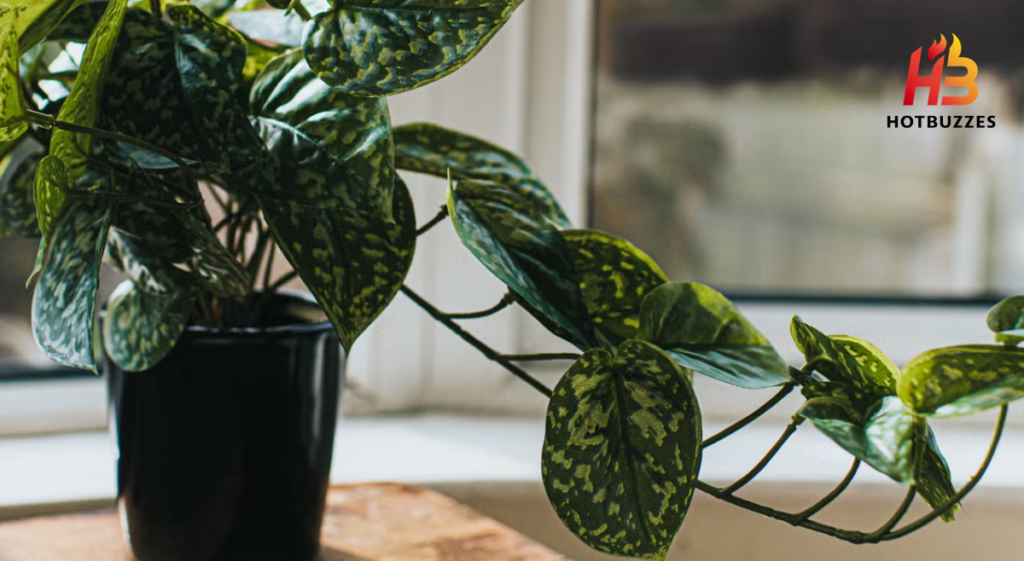
Fall is the season that catches most plant owners off guard. Summer was going well, plants were growing fast, pushing out new leaves, responding visibly to every watering and feeding. Then September arrives, the light shifts, the heating comes on, and without any obvious single event, plants start dropping leaves, slowing to a standstill, and generally looking less healthy than they did three months ago.
The issue is rarely that something went wrong. The issue is that the rules changed, and the care routine did not change with them. What worked perfectly in June becomes actively harmful by October. The watering schedule that kept plants thriving through summer starts causing root rot in autumn. The light that was adequate in August falls short by November. The fertilising routine that drove summer growth starts burning roots when dormancy begins.
Fall preparation is not complicated. But it requires understanding what is actually happening to plants during this seasonal shift. It also requires making deliberate adjustments to each aspect of care in response. This guide covers every adjustment that matters. It does so in the order it matters, with the timing that makes each change most effective.
Understanding What Autumn Actually Does to Indoor Plants
The common assumption is that houseplants are protected from seasonal change because they live indoors. This is only partially true. While they are protected from frost, they are not protected from changes in daylight. They are also not protected from the indoor heating and humidity that autumn brings. These changes affect plant biology in significant ways.
According to PlantCareAI’s March 2026 fall plant care guide, the adjustments made in September through November determine whether plants coast through winter in good shape or limp into spring stressed and struggling. Fall is the pre-winter prep season; a few weeks of smart changes now prevent months of problems later.
Plant Care for Beginners’ autumn houseplant guide identifies the three environmental shifts that directly affect plant biology in autumn: fewer daylight hours, changing indoor temperatures as heating systems activate, and the dry air that results from sealed-up homes running central heating. Each of these operates differently on plant physiology, and each requires a different response from the plant owner.
The daylight reduction is the most significant. Soltech’s first-frost preparation guide provides a concrete example. At mid-latitudes, New York City’s day length drops from approximately 15 hours in June to roughly 9 hours at the winter solstice, according to Weather Spark data. That is approximately six fewer hours of natural light for indoor plants. It is a reduction significant enough to affect photosynthetic output, growth rate, and water consumption simultaneously.

Because photosynthesis slows in reduced light, plants produce less energy and therefore need less water, no fertiliser, and minimal repotting disturbance. Every autumn care adjustment flows from this single biological change.
Step 1: Reassess Every Plant’s Light Position Before October
The sun’s angle changes significantly between summer and autumn. Windows that provided strong indirect light in July may provide direct but weak light in September, and by November, some spots may receive barely enough light to maintain plant health.
PlantCareAI identifies this as the first adjustment to make: assess each plant’s light situation in September and make repositioning decisions before the light reduction becomes severe. Move light-hungry plants like monstera, fiddle leaf fig, and bird of paradise closer to south or west-facing windows. Plants that needed protection from direct sun in summer, calatheas, ferns, and peace lilies, may now benefit from that same direct sun as the angle becomes less intense and the UV intensity drops.
Gardening Know How’s October 2025 fall houseplant guide recommends shifting plants to south-facing windows for maximum autumn sunlight. A grow light suits dark corners, boosting light for tropical plants that cannot be repositioned close enough to windows. For most common houseplants, the target is 12 to 14 hours of combined natural and supplemental light per day throughout autumn and winter.
Plantsome’s fall preparation guide recommends taking note of where the lighting is best in the home as autumn begins, since the sun enters homes differently from a lower angle. When sunlit spots are limited, prioritise plants with higher light requirements and move more shade-tolerant plants to supplemental positions.
One practical step that most people overlook: clean the windows. PlantCareAI specifically notes that autumn grime from rain and falling leaves can reduce light transmission through glass significantly. Cleaning windows in September removes a layer of reduced light transmission that costs nothing to address and makes a meaningful difference to how much light actually reaches the plants on the other side.
Soltech is honest about how much window light decreases: a bright window is helpful, but often is not enough for sun-loving plants once autumn rolls in. Grow lights are not just for dark apartments; they are for any home where the winter light reduction takes plants below their minimum photosynthetic requirements.
Step 2: Reduce Watering Gradually — Not All at Once
The most common autumn mistake, identified consistently across every expert source, is continuing the summer watering schedule into the cooler months. This single error causes more plant deaths in autumn than any other care mistake.
PlantCareAI explains the mechanism precisely: soil that dried out in three to four days during summer may stay moist for a week or more by October. Photosynthesis has slowed, growth has slowed, and the plant is using water at a fraction of its summer rate. The excess moisture sits in the soil, creating conditions for root rot. The transition is not instant; it happens gradually over six to eight weeks as the season progresses. Discover the best time and techniques for repotting houseplants during spring.
Plant Care for Beginners gives the practical adjustment: reduce the number of times you water to prevent overwatering, which leads to root rot. But do not let plants dry out completely; the goal is slightly drier conditions than summer, not drought. Adjust the frequency based on plant type. Succulents and ZZ plants need less frequent watering than moisture-preferring peace lilies and ferns.
Soltech’s fall care guide frames the transition simply: water less because plants grow more slowly in the fall and need less water. The finger test becomes more important in autumn than at any other time of year, checking the top one to two inches of soil before every watering rather than watering on a fixed schedule.
PlantCareAI gives a useful timeline: start checking soil moisture more carefully in September rather than watering on autopilot. By November, most plants should be on roughly half their summer watering frequency. This gradual reduction prevents both the shock of sudden change and the overwatering that continuation of summer habits causes.
The one exception worth noting: plants under grow lights dry out faster than plants in natural light only, because grow lights produce heat that accelerates evaporation. Adjust watering frequency to match actual soil dryness rather than the calendar.
Step 3: Stop Fertilising by Mid-October
Fertiliser during dormancy does not help plants grow. It harms them. This is one of the most important autumn care rules and one of the most frequently ignored.
Gardening Know How states clearly: Houseplants in fall are not hungry, as growth slows to a crawl. Extra fertiliser burns roots or pushes weak shoots. Hold off feeding for solid autumn plant care and wait until spring’s longer days to restart.
The timing matters as much as the decision. UrbanStems’ indoor plant fall preparation guide recommends against going cold turkey on fertiliser if plants are accustomed to regular feeding. Instead, wean plants off gradually: in late summer, cut the fertiliser amount by half. Then continue to halve the amount each month until the application is close to nothing by mid-autumn. This gentle reduction avoids the shock of abrupt withdrawal.
PlantCareAI gives the specific deadline: stop fertilising by mid-October. Resume in March when daylight stretches, and growth kicks in again. When resuming in spring, use diluted liquid fertiliser initially to avoid shocking roots that have been dormant for several months.
The science behind this rule is consistent with what happens to plant roots in lower temperatures and lower light. Roots absorb nutrients actively when the plant is growing. When growth slows in autumn, nutrient absorption slows proportionally. Fertiliser applied to dormant roots accumulates as salt in the soil rather than being taken up, and salt buildup burns root tips, causing the brown leaf edges and yellowing that plant owners then try to address with more fertiliser, compounding the problem.
Step 4: Bring Outdoor Plants Inside Before Temperatures Drop
Any plant that spent summer outdoors needs to be brought inside well before the first frost, and the timing should be based on nighttime temperatures rather than the calendar date of autumn’s official start.
Soltech’s moving-plants-indoors guide gives the specific temperature threshold: most tropical houseplants start suffering when nighttime temperatures consistently drop 55 degrees Fahrenheit below (13 degrees Celsius), well before actual frost. Cold damage shows up as dark water-soaked patches on leaves, sudden leaf drop, or wilting that does not recover.
PlantCareAI advises starting to bring plants inside when nighttime lows consistently hit 55 degrees Fahrenheit, typically mid-September to mid-October, depending on the region. The most common mistake is waiting until the night before the first frost is forecast, when the plant has already experienced multiple nights of cold stress.
The transition from outdoor to indoor conditions should be gradual rather than abrupt. The Botanical Bar’s summer-to-fall transition guide recommends starting by moving plants into a shaded outdoor area for a few days before transitioning them fully indoors. Soltech outlines a specific gradual process: bring plants in at night and return them outdoors during the day. Gradually increase their indoor hours over one to two weeks until they stay inside full-time. This approach prevents the light shock that causes leaf drop after sudden transitions.

After bringing outdoor plants inside, expect some leaf drop as plants adjust to lower indoor light. PlantCareAI confirms this is normal and not a sign of a care problem, the plant is adjusting its leaf load to match the lower light available indoors.
Step 5: Inspect and Treat for Pests Before Plants Come Indoors
Autumn is one of the most common times for pest infestations to establish in indoor plant collections, and the reason is predictable: plants that spent summer outdoors often carry insects, eggs, and larvae that were harmless in the open air but become damaging problems in the enclosed environment of a home.
UrbanStems identifies fall as the breeding season for plant bugs and states that the best way to prevent bug problems is to debug outdoor plants before they come inside. This prevents major infestations that can destroy the health of a plant and spread through an entire indoor collection.
Soltech specifies the inspection process: before bringing each plant in, inspect thoroughly for pests. Check leaf undersides, stem joints, and the soil surface. Spray with insecticidal soap or neem oil as a preventive measure, even if no pests are visible. Quarantine returning plants for two weeks away from the indoor collection to catch any stowaways that were not identified during the initial inspection.
Plantsome recommends checking both sides of the leaves, the stem, and the soil for crawlers and critters. The soil surface check is particularly important for fungus gnats, which lay eggs in outdoor soil and become problematic indoors, where the enclosed warm environment accelerates their reproduction.
The Botanical Bar advises using a damp cloth to wipe down leaves and check for pests before bringing plants inside. This cleans away both pest residue and the dust and grime that accumulates on leaves over summer, which improves light absorption in the lower-light autumn conditions. Discover everything you need to know about growing colourful coleus plants indoors or outdoors.
The two-week quarantine period is the most effective pest control measure available because it gives enough time for hidden eggs to hatch and become visible before the infestation spreads to other plants. During quarantine, inspect the plant every few days, checking the same areas where pests are most likely to hide.
Step 6: Address Humidity Before the Heating Season Starts
Central heating is the most overlooked threat to houseplants in autumn and winter. When a home seals up and the heating activates, indoor humidity can drop from the comfortable 40 to 50 percent of summer to 20 to 30 percent or below, conditions that stress tropical plants, cause leaf tip browning, and create the dry environment that spider mites actively prefer.
Soltech’s fall care guide gives the clearest advice: raise humidity where needed before the heating season starts. Group plants together on one shelf or counter; plants clustered together create a mini humid microclimate through collective transpiration. Use the pebble tray method by setting pots on pebbles over a shallow water tray so evaporation increases local humidity. Use a humidifier for homes with many tropicals; a small bedroom unit is appropriate.
PlantCareAI recommends setting up a humidifier before heating season starts rather than reacting after plants begin showing stress symptoms. The timing is important because humidity stress is cumulative; plants experience repeated stress each time the heating runs for several weeks before browning leaf tips become visible.
Soltech adds an important airflow note: do not seal plants into a still, wet environment. Good airflow matters. High humidity without adequate air movement creates conditions that invite fungal problems, botrytis, and other pathogens to thrive in warm, still, damp conditions. Running a ceiling fan or ensuring some air circulation around plant groupings prevents the fungal issues that high humidity can create.
Plants most sensitive to the heating season’s humidity drop: calatheas, ferns, tropical begonias, peace lilies, and any orchid. Plants most tolerant: snake plants, ZZ plants, cacti, succulents, and pothos. Group humidity-sensitive plants together near the humidifier and position more tolerant species further away.
Step 7: Reposition Plants Away from Radiators and Cold Windows
Autumn creates a new set of problem positions in the home that did not exist during summer, specifically, the areas immediately around radiators and heating vents, and the areas directly against windows that are now transmitting cold external air.
PlantCareAI identifies cold window glass as a specific hazard: tropical plants placed against windows for maximum summer light can experience cold damage from the glass itself once outdoor temperatures drop. A plant touching cold glass in winter will develop cold-damaged patches on whichever leaves are in contact with the glass, even if the room itself is comfortably warm.
The distance rule: keep plants at least fifteen to thirty centimetres away from glass in autumn and winter, particularly at night when the temperature differential between inside and outside is greatest and cold radiates more strongly through the glass.
Gardening Know How specifies: always keep plants away from cold window drafts to prevent leaf drop. This applies to any window that develops condensation in autumn. The presence of condensation indicates that air near the window is falling below the dew point, which is significantly colder than the main room temperature.
Radiators present the opposite problem. Hot, dry air rising from a radiator directly beneath a plant shelf desiccates leaves, accelerates soil drying, and stresses roots through temperature fluctuation. Move plants off windowsills that sit above radiators. If no alternative position is available, ensure the radiator is not blasting directly onto the plant and monitor soil moisture more frequently.
Step 8: Complete Any Repotting by the End of September
Autumn is a transitional moment for repotting; there is a brief window in early autumn when repotting is still appropriate, and a much longer period when it becomes actively counterproductive.
PlantCareAI identifies September as the last good repotting window: if you noticed root-bound plants during summer but did not repot, early fall is your last chance before winter dormancy. By October, most plants are slowing down too much to recover well from root disturbance. Repotting a plant in late fall or winter means it sits in new soil for months without growing into it, a recipe for root rot because the excess soil holds moisture the inactive roots cannot absorb.
Soltech includes repotting in its pre-transition checklist alongside pest inspection and pruning: repot if root-bound. If the plant’s roots are circling the pot, move it to a slightly larger container to reduce stress. By following these steps one to two weeks before the move indoors, plants acclimate gradually to the new conditions.
The practical rule: repot in September if the plant needs it, and do not repot in October through February unless there is an urgent problem like root rot requiring emergency intervention. Spring repotting, when growth has resumed and the plant can actively establish in new soil, is the most reliable timing for planned repotting in normal circumstances.
Step 9: Prune Dead and Damaged Growth Before Dormancy
Autumn is an appropriate time to remove dead, damaged, or diseased growth that accumulated through the active growing season, but the scope of pruning should be limited compared to what is appropriate in spring.
Soltech lists pruning dead or yellow growth as part of the pre-transition preparation: remove any dying leaves to conserve the plant’s energy for the transition. This is appropriate at any time of year; dead leaves do not contribute to the plant, and removing them allows the plant to redirect resources toward healthy tissue.

What to avoid in autumn: aggressive structural pruning that removes significant amounts of healthy growth. Heavy pruning stimulates new growth in most plants, and new growth produced in the low-light conditions of autumn and winter tends to be weak, pale, and leggy because there is insufficient light to support robust tissue development. Save structural pruning for spring when new growth produced after pruning will develop in adequate light.
The exception is flowering plants that bloom in autumn or winter; these should not be pruned during or before their blooming period. Remove only dead or clearly diseased leaves and leave healthy growth intact until after flowering has finished.
Step 10: Clean Leaves Before the Low-Light Season Begins
Dirty leaves absorb less light than clean ones, a straightforward fact with significant implications for the low-light months of autumn and winter when every photon of available light matters.
Clemson University HGIC’s 2026 end-of-winter care guide confirms that dust and dirt build-up on plant leaves can inhibit photosynthesis and lead to a decline in plant health. Wiping the upper side of plant leaves with a damp microfibre cloth removes accumulated dust and debris. Be sure not to leave leaves soggy after wiping.
The autumn leaf-cleaning session is the most productive time to clean because it maximises the light each leaf can absorb, going into the months when light is most limited. Plants brought in from outdoors particularly benefit from a thorough leaf cleaning; they accumulate grime, pollen, insect residue, and water deposits over summer that clean-room indoor plants avoid entirely.
For large-leafed plants like rubber plants, monstera, and bird of paradise, wiping each leaf individually with a damp cloth takes five to ten minutes and visibly improves the depth and shine of the foliage while removing anything that would reduce photosynthetic efficiency through winter.
The Monthly Autumn Checklist
For a practical overview of timing, here is what autumn houseplant care looks like month by month.
September: Assess and reposition plants for lower sun angles. Clean windows. Complete any repotting. Begin reducing watering frequency. Start weaning off fertiliser by halving the dose. Inspect outdoor plants for pests. Begin the gradual transition of outdoor plants back indoors.
October: Complete the transition of all outdoor plants indoors. Quarantine returning plants for two weeks. Stop fertilising entirely by mid-October. Continue reducing watering frequency. Move plants away from cold windows and radiators. Set up a humidifier or pebble trays before the heating season fully activates. Add grow lights for plants that need more than window light can provide.
November through February: Maintain the autumn adjustments. Water based on soil moisture checks rather than any schedule. Keep humidity above 40 percent. Do not fertilise. Do not repot unless essential. Monitor for pests that establish and spread quickly in sealed warm homes. Clean leaves as needed to maintain photosynthetic efficiency.
FAQs
Q1: Why are my houseplants dropping leaves in autumn even though I have not changed anything?
The environment has changed, even if the care routine has not. Plant Care for Beginners confirms that shorter daylight hours and changing indoor temperatures can cause previously happy plants to become stressed in autumn. Reduced light, drier air from heating, and temperature fluctuations all trigger leaf drop. Adjusting watering, repositioning toward better light, and raising humidity address most autumn leaf drop.
Q2: At what temperature should I bring outdoor plants inside?
Soltech gives the specific threshold: when nighttime temperatures consistently drop 55 degrees Fahrenheit (13 degrees Celsius). Most tropical houseplants begin experiencing cold stress at this temperature, well before frost becomes a risk.
Q3: Can I keep fertilising through autumn if my plant is still growing?
Gardening Know How recommends stopping by mid-autumn regardless of visible growth, because root activity slows with reduced light even when above-ground growth is not obviously affected. Extra fertiliser at this stage accumulates as soil salt rather than being absorbed, and the root tips result.
Q4: How do I know if my plant is getting enough light in autumn?
Look at the growth and the foliage. Leggy, stretched growth with pale new leaves indicates insufficient light. Soltech recommends supplementing with grow lights when natural sun hours and intensity fall short of what sun-loving plants need.
Conclusion
Fall preparation for houseplants is not about doing more. It is about doing different things at the right time. The plants that come through winter in the best condition are the ones whose care routines were adjusted in September rather than in January, when problems have already developed.
Reduce watering gradually as temperatures cool. Stop fertilising by mid-October. Bring outdoor plants in before nighttime temperatures drop below 55 degrees Fahrenheit, and quarantine them for two weeks while you watch for stowaways. Reposition plants toward better light and away from cold glass and radiators.
Set up humidity measures before the heating season, which creates the dry air that damages tropicals. Complete any repotting before the end of September. Clean the leaves. And then settle into a minimal-intervention winter care routine that matches the plant’s own reduced biological activity.
The reward for those adjustments made in autumn is plants that emerge from winter ready to grow, healthy root systems, intact foliage, and no accumulated stress from months of mismatched care.

Ajwa Asif is a writer with a passion for plants, gardening, and creating educational content. She researches plant-related topics using reputable horticultural resources and shares practical advice to help readers grow healthier plants and build confidence in their gardening journey. Her content focuses on delivering clear, reliable, and user-focused information.