
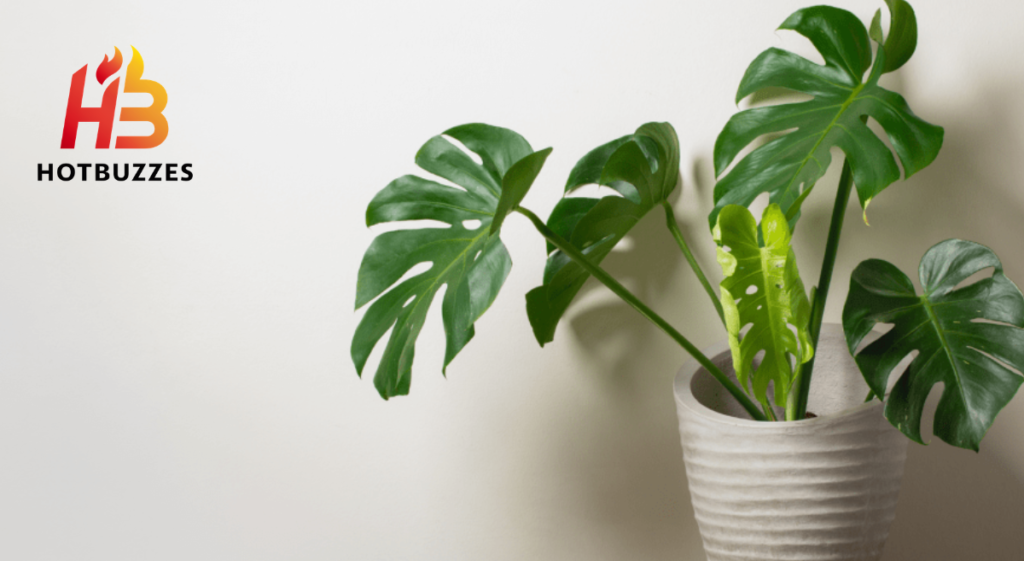
There is a reason the monstera has been one of the most photographed, most shared, and most purchased houseplants in the world for the better part of a decade. Its leaves are genuinely unlike anything else, large, glossy, deep green, with natural holes and splits that look almost architectural. It brings a tropical energy to a space that few plants can match, and it does it without requiring the kind of intensive care that most striking plants demand.
Whether you have just brought your first monstera home or you are trying to understand why your existing plant has slowed down, this guide covers everything you need. Every aspect of care is explained here, from what the plant is and where it comes from, to how to water it, feed it, clean it, and get those iconic splits to develop consistently.
What Is a Monstera?
The Monstera genus includes 59 species of flowering plants in the Araceae family. They are native to the tropical regions of Central and South America. According to Wikipedia, the name Monstera comes from the Latin word for monstrous or abnormal.
It refers to the unusual leaves with natural holes, called fenestrations. Most Monstera species develop these distinctive leaves. They are evergreen climbing vines that can grow up to 20 metres tall in trees. They climb using aerial roots that hook onto branches.
Most popular species
The most popular species kept as a houseplant is Monstera deliciosa. According to Wikipedia, Monstera deliciosa is native to the humid tropical forests of southern Mexico, Guatemala, Costa Rica, and Panama. It grows naturally in lowland forests. It is a hemiepiphyte, meaning it starts life rooted in the soil. As it matures, it climbs trees using aerial roots. Eventually, it grows high into the forest canopy.
Wisconsin Horticulture Extension at the University of Wisconsin describes the plant’s natural growth in detail. Seedlings first grow toward the darkest area until they reach a tree. They then begin climbing upward. Young leaves are small, solid, and heart-shaped. They do not have holes.
As the plant matures and climbs, the characteristic fenestrated leaves of the adult plant begin to develop. This juvenile-to-adult progression happens indoors too, which is why younger monstera plants often produce plain, unperforated leaves, a completely normal stage of development.

Monstera deliciosa Wikipedia explains that three main theories have been put forward for why the leaves develop holes: increasing water absorption to the roots below, limiting wind damage, and reducing the appeal to herbivores. The exact biological reason remains the subject of scientific debate, but the result is one of the most distinctive leaf shapes in the plant kingdom. Find out why plant enthusiasts love variegated plants and how to care for their unique foliage.
The New York Botanical Garden’s research guide on Monstera notes that the perforations develop through a genetically encoded process, unusual in the plant world, in which cells organize their own destruction through programmed cell death. It is not erosion or damage; the holes are deliberately made.
Popular Monstera Varieties
While Monstera deliciosa is the most widely grown, other varieties have developed strong followings among plant collectors and beginners alike.
- Monstera deliciosa is the classic, large, glossy, deeply split leaves that can reach up to 90 cm long in ideal conditions. It is the variety most people picture when they hear the word monstera.
- Monstera Thai Constellation is a tissue-culture produced variegated variety with creamy white marbling across the leaves. According to Seed Sheets’ monstera care guide, the Thai Constellation is one of the most coveted monstera varieties among collectors because its variegation is stable and produced consistently across new leaves.
- Monstera adansonii is the smaller, trailing version with elongated leaves full of oval holes rather than the deep splits of deliciosa. Seed Sheets describes it as offering delicate trailing vibes perfect for smaller spaces.
- Monstera deliciosa Variegata and Albovariegata are chimeric variegated forms with white and green patterning. Wisconsin Horticulture Extension notes these cultivars tend to produce somewhat smaller leaves than the standard species.
All varieties share the same fundamental care requirements, so the guidance in this article applies across the board.
Light: Getting the Balance Right
Monstera thrives in bright, indirect light similar to the dappled sunlight of their native tropical forests. Direct sunlight can scorch the leaves, while low light may slow growth and reduce leaf splitting.
Wisconsin Horticulture Extension explains this from a biological standpoint: Monstera is an understory plant, meaning it lives below the rainforest canopy. In the wild, it receives filtered, dappled light rather than direct sun. This background defines exactly what it needs indoors.
For optimal photosynthesis without foliage burn, aim for a light intensity of 200 to 400 foot-candles. While monsteras can survive in lower light, they will become leggy, producing long stems with small, solid leaves as they reach for a stronger light source.
Seed Sheets describes the ideal as bright indirect light, the kind of dappled sunshine that filters through a rainforest canopy. East-facing windows offer gentle morning light that works beautifully. South or west-facing windows are excellent if the plant is positioned slightly back from the glass or behind a sheer curtain to filter the most intense afternoon rays.
Urbane Eight’s monstera care guide recommends rotating the plant every few weeks to ensure even growth on all sides and to prevent it from leaning permanently toward the light source. This simple habit makes a visible difference in how balanced and full the plant looks over time.
One of the most useful indicators that light is working well: the plant produces new leaves regularly during spring and summer, and those leaves emerge with clear fenestrations as the plant matures. When light is insufficient, new leaves come out smaller and without the splits that define the monstera’s appearance.
Watering: The 75 Percent Rule
Monstera are hemiepiphytes, meaning in the wild they often grow up trees rather than just in soil. Because of this, their roots are highly sensitive to wet feet. The 75 percent rule before adding water: check that the top two to three inches of soil are completely dry. When you do water, do it thoroughly.
The Sill’s monstera care guide recommends the soak-and-dry method: water thoroughly until the soil is evenly saturated, then let it dry out before watering again. They suggest watering every seven to ten days as a general starting point, though this varies with home conditions. Expect to water more often in brighter light and less often in lower light.
Watering frequency
Watering frequency depends on several factors: season, indoor humidity, container size, and light exposure. In the winter, that may be once a month and maybe even longer. During the growing season between April and September, it increases to twice a month depending on the feel of things. The only way to get a feel for things is to dip your finger into the soil.
If it is dry up to the second knuckle, time to water until it runs through the drainage hole. Empty the drip tray; you do not want your houseplant sitting in water. Urbane Eight puts the general schedule simply: water when the top one to two inches of soil are dry, usually every one to two weeks, adjusting for your home’s specific conditions.
University of Connecticut Home Garden adds an important note: Monstera is prone to root diseases, especially during colder seasons. A well-draining soil and consistent watering practice is the most effective defences. Always allow the top two to three inches to dry between waterings, and never let the plant sit in standing water in its saucer.
One practical technique worth adopting from Here She Grows is showering the plant periodically, placing it in a shower or sink and running water over the entire plant, leaves included. This deeply waters the root zone, cleans the leaves of dust, and raises the local humidity all at once. It is particularly effective for larger monsteras that are difficult to move to a sink.
Soil: What the Roots Actually Need
The right soil for a monstera does two things well: it drains fast enough to prevent waterlogging between waterings, and it holds just enough moisture to keep the roots from drying out completely after watering.
Urbane Eight recommends a well-draining potting mix with perlite and coco coir to provide aeration and balanced moisture retention. The New York Botanical Garden gives a simple and effective ratio: equal parts potting soil, peat, and sand. Master Fiddle Leaf Fig care with step-by-step advice to keep your plant healthy year-round.
Mitchell’s Nursery recommends a peat-based potting mix with added perlite or orchid bark, a combination that drains well while retaining some organic moisture that tropical roots appreciate.
According to plant care benchmarks, maintaining a soil pH between 5.5 and 7.0 optimizes nutrient uptake and root health. Always utilize a pot with drainage holes to avoid an anaerobic environment, which is the leading cause of root decay.
Stamen and Stem’s monstera guide adds a useful maintenance tip: aerate the soil regularly by gently loosening it with a chopstick or pencil. Soil compacts over time as water moves through it, which reduces the oxygen available to the root zone. Regular aeration keeps the soil structure open and makes each watering more effective.

Pot Size and Repotting
Monstera roots are vigorous, but the plant does not need a large pot; it actually prefers to be slightly root-bound.
New York Botanical Garden is clear on this: Monstera like to be root-bound and can stay in the same pot for years, moving up only when roots come out through the drainage hole. Once a maximum pot size is reached, replace the top layer of soil every other year to refresh the nutrient content.
The Sill confirms this: monsters only need to be repotted when they are root-bound, a good sign of which is when roots start growing out of the drainage holes. This typically happens every two years or so, depending on growing conditions and growth rate.
When the time comes to repot, spring is the ideal season. The Sill recommends choosing a new pot no more than one to two inches larger in diameter. Going too large at once means excess soil that stays wet for too long, increasing root rot risk.
Seed Sheets recommends holding off on fertilizing for about a month after repotting to avoid shocking the newly disturbed roots. Give the plant time to settle into its new container before resuming the feeding routine.
Temperature: Stable and Warm
Monstera is a tropical plant that prefers consistent warmth and does not respond well to temperature swings or cold exposure. The ideal temperature range is 65 to 85 degrees Fahrenheit (18 to 29 degrees Celsius). Keep away from cold drafts, heaters, or air conditioning vents.
Léon and George’s care guide confirms this temperature range and adds that cold drafts and sudden temperature changes stress the foliage, which can lead to browning, wilting, and slowed growth. Data shows that growth typically stalls if temperatures drop below 15 degrees Celsius, and leaf development is most active between 18 degrees Celsius and 30 degrees Celsius.
Seed Sheets recommends keeping temperatures between 65 and 85 degrees Fahrenheit and avoiding placement near vents or drafty windows, specifically. Even if the room overall is in the right temperature range, a direct blast of cold conditioned air or hot, dry air from a vent creates localized stress that shows up in the leaves.
Most standard home environments sit comfortably within the monstera’s preferred range for most of the year. The main challenge is winter, when windows let in cold air and heating systems create dry conditions. Keeping the plant a reasonable distance from cold glass and away from radiators handles this well.
Humidity: More Is Better, but Average Works
The monstera is a rainforest plant and appreciates moderate to high humidity, though it is more adaptable to standard home conditions than most tropical plants.
Aim for 60 percent humidity or higher for impressive fenestrations and lush growth. Most monsteras adapt fine to 40 to 50 percent humidity, though they might grow more slowly with smaller leaves. Consistency matters more than hitting perfect numbers every single day.
The Sill gives a practical target of 40 to 60 percent relative humidity. For most homes, this is achievable without special equipment, particularly in warmer months. Winter heating is the main challenge; central heating drops indoor humidity significantly, which is when extra measures help.
Léon and George recommend a humidifier or a pebble tray with water placed under the pot for homes with dry air. Watch for crispy brown edges signalling low humidity. Misting can cause fungal issues without good airflow; humidifiers remain the better long-term solution.
Greenhouse Studio’s care guide shares a practical approach for owners without humidifiers: hosing down the plant periodically in a sink or shower, running water all over the foliage. This cleans and hydrates the leaves and delivers a thorough, even watering at the same time, an efficient way to boost leaf health without any special equipment.
Fertilizing: Feed During Growth, Rest in Winter
Monstera is a relatively fast grower during the active season and benefits from regular feeding, but the approach should be measured rather than heavy.
New York Botanical Garden recommends feeding every two to four weeks from March through September with a standard houseplant fertilizer at half strength.
Urbane Eight suggests a balanced liquid fertilizer every four to six weeks during the growing season, spring through early fall, to support vigorous growth and larger leaves. Fertilize during the growing season, spring and summer, when your monstera is actively pushing out new leaves.
Every two to four weeks works well for most liquid fertilizers diluted to half strength. Come fall and winter, your plant enters semi-dormancy, and growth slows dramatically. Cut back to once every six to eight weeks or stop entirely until spring returns.
Mitchell’s Nursery gives a practical note on quantity: since Monstera is a rapid grower anyway, feeding it more than recommended causes it to outgrow its pot and space faster than most people want.
A measured approach, enough to support healthy growth without accelerating it beyond the space available, is the most sustainable feeding routine. Never fertilize a stressed, recently moved, or recently repotted plant. Wait until the plant is clearly settled and actively growing before resuming feeding.
Aerial Roots: What They Are and What to Do With Them
As a monstera matures, it produces thick, cord-like aerial roots that emerge from the stem and grow outward and downward. These can be surprising to first-time monstera owners, and many are tempted to cut them off. This is worth thinking through carefully. Aerial roots are important for climbing and nutrition. Healthy aerial roots result in the most attractive plants, so do not remove them.
Stamen and Stem explain their biology clearly: aerial roots absorb nutrients from the surrounding environment and help the monstera attach to trees. They are functional structures, not ornamental ones.
The Balcony Garden describes them as striking visual elements that create a connection to the plant’s wild origins. In indoor settings, monsteras send out aerial roots even without a tree to climb on; they are following an instinct built over millions of years of evolution.
If aerial roots are getting in the way, they can be tucked into the soil or guided toward a moss pole rather than cut off. Aerial roots that reach the soil will root themselves and provide additional stability and nutrient uptake for the plant.

Moss Poles and Support Structures
Because Monstera is a natural climber, providing a structure for it to climb significantly improves how it grows indoors. This is not essential, but the difference it makes is substantial.
Urbane Eight puts it simply: a moss pole or trellis is not required, but it supports climbing growth and encourages larger leaves with deeper fenestrations. Providing a moss pole allows the aerial roots to climb, mimicking the plant’s natural habitat and signalling it to produce larger foliage.
The mechanism behind this is well understood. When aerial roots have something to attach to, the plant registers that it is climbing, the same signal it would receive in the wild when scaling a tree. In response, it produces larger leaves with more developed fenestrations, just as it would when growing higher into the forest canopy.
A moss pole made from sphagnum moss is the most popular option because the aerial roots can penetrate and absorb moisture from the pole itself. Push the pole deep into the soil at repotting time. Gently secure the stems to the pole with soft plant ties and allow the aerial roots to find their own attachment points over time. The plant does the rest.
Cleaning the Leaves
Those large, glossy leaves collect dust quickly, and a dusty leaf surface is less efficient at photosynthesis than a clean one. Regular cleaning also allows you to spot pest activity early.
Here She Grows recommends wiping individual leaves with a damp cloth or hosing the whole plant down periodically. For large monsteras with many leaves, the shower method, running water over the entire plant, is the most efficient approach and has the bonus of delivering a thorough watering at the same time.
For regular maintenance between deeper cleanings, a damp microfibre cloth wiped across each leaf top and bottom takes just a few minutes and keeps the glossy appearance that makes monstera leaves so visually striking.
Propagation
Monstera is one of the easier houseplants to propagate, and the process is very beginner-friendly. The Sill describes the standard method: take a cutting just below a node where a leaf is attached to the stem, ensuring the cutting has at least one aerial root and a leaf.
Place the cutting in water or moist soil, keeping it in a warm, bright area but out of direct sunlight. Change the water weekly if propagating in water. Once roots are well established, usually a few weeks to a couple of months, transplant the cutting into a pot with well-draining soil.
University of Connecticut Home Garden adds a useful technical note: vines with established aerial roots can be buried within two to three inches of the first leaf node with a high success rate and little risk of rot.
However, be careful not to bury the growing tip as this increases the chance of rotting. Spring is the best season to propagate, as the active growing period supports faster root development and the new plant establishes more quickly.
Toxicity
Monstera is toxic to both pets and humans. Wikipedia on Monstera deliciosa notes that the unripe fruit, leaves, and vines contain calcium oxalate crystals that can irritate the throat and create rashes on the skin. Mitchell’s Nursery and Urbane Eight both confirm it is toxic to pets if ingested and should be kept away from curious cats and dogs. The fruit is edible only when fully ripe, when the green scales begin lifting off naturally.
FAQs
Q1: How often should I water my monstera?
Water when the top two to three inches of soil feel completely dry. In spring and summer, this typically means every one to two weeks. In winter, every three to four weeks or longer. Always check the soil rather than following a fixed calendar schedule.
Q2: Why does my monstera not have any holes in its leaves?
There are two common reasons. First, the plant may be too young; juvenile monsteras always produce solid leaves before developing fenestrations as they mature. Second, the plant may not be getting enough light. Move it closer to a bright window and consider adding a moss pole to encourage climbing growth, which triggers larger, more fenestrated leaf production.
Q3: Can a monstera survive in low light?
It can survive but will not thrive. The Sill confirms that a monstera can tolerate lower light conditions, but a lack of sufficient sunlight will inhibit growth and prevent fenestrations from developing. The plant will produce smaller, solid leaves and grow much more slowly.
Conclusion
The monstera is one of the most rewarding houseplants you can own. It grows confidently, it responds visibly to good care, and it produces leaves that transform in size and complexity as the plant matures, each new unfurling a genuine event worth watching.
The fenestrations that appear as the plant grows are not just decorative. They are the result of millions of years of evolution, encoded into the plant’s DNA, and they develop more fully when the plant is happy.
Getting there is not complicated. Bright indirect light near a good window. Water only when the top two to three inches of soil are dry, then water thoroughly. Well-draining soil in a pot with drainage holes. Temperatures between 18 and 29 degrees Celsius with no cold drafts. Humidity above 40 percent. Regular feeding through spring and summer. A moss pole when the plant is ready to climb.
Follow those principles consistently, and the monstera will grow into exactly the bold, tropical statement plant it is capable of becoming. It rewards patience and consistency more than fuss and intervention, and once it is settled in the right spot, it makes that very clear.

Asim Usman is a plant enthusiast and content writer who specializes in creating informative, reader-friendly articles on plant care and gardening. He combines thorough research with practical insights to provide accurate, easy-to-follow guidance that helps readers grow healthy plants with confidence. His goal is to make plant care simple, enjoyable, and accessible for everyone.